Table of Contents >> Show >> Hide
- What Makes a Corbel Feel Vintage?
- Best Wood for a DIY Corbel Project
- Tools and Supplies
- The Building Plan at a Glance
- How to Draw a Vintage-Inspired Corbel Pattern
- Step-by-Step: How to Build the Corbels
- How to Finish a Corbel for a Vintage Look
- Where DIY Corbels Work Best
- Common Mistakes to Avoid
- Hands-On Experience: What Building Vintage-Inspired Corbels Actually Feels Like
- Conclusion
Some home upgrades whisper. A vintage-inspired corbel does not. It strolls into a room like it owns the mantel, the shelf, and possibly the family silver. That is exactly why DIYers love them. A good corbel adds instant architecture, old-house charm, and the kind of detail that makes a plain wall look like it suddenly developed a backstory.
If you have ever admired the curvy brackets under a farmhouse shelf, a classic mantel, or a chunky range hood surround, you are already halfway in love with corbels. The good news is that building your own is far less mysterious than it looks. You do not need a museum restoration budget or a workshop full of intimidating machines. You need a smart plan, a clean pattern, patient shaping, and a finish that says “gracefully aged” instead of “I attacked this with leftover paint at 11:30 p.m.”
This DIY vintage-inspired corbel building plan and pattern walks through the whole process, from choosing wood and laying out a classic shape to cutting, sanding, assembling, and finishing. It also includes practical advice on where corbels work best, how to make duplicates that actually match, and how to get that old-world look without making your project look like a haunted prop from a school play.
What Makes a Corbel Feel Vintage?
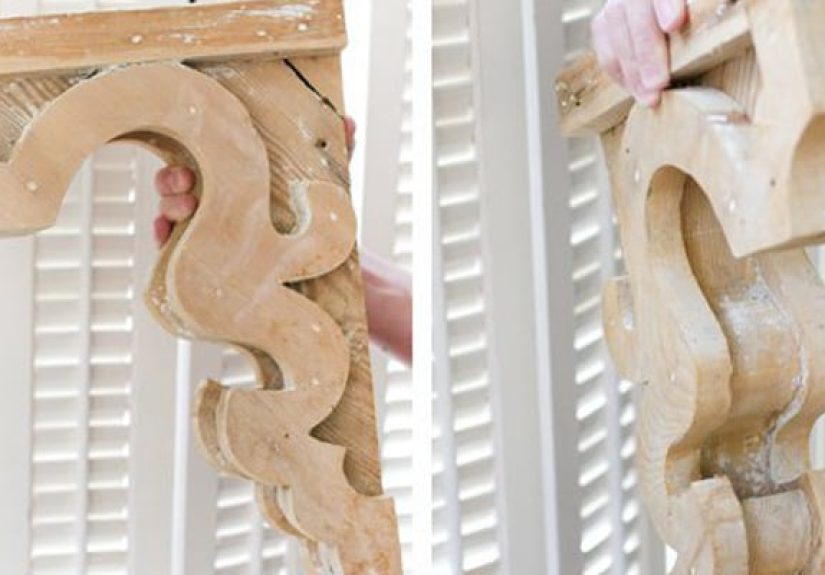
A vintage-inspired corbel usually blends three qualities: a sturdy silhouette, a graceful inner curve, and enough visual weight to feel architectural. In plain English, that means it should not look flimsy, awkward, or overly busy. Older corbels often balanced decorative curves with square shoulders, flat bearing surfaces, and a bottom foot that made the shape feel grounded.
That balance is the secret sauce. Too many curves, and the corbel starts looking fussy. Too few, and it becomes just a chunk of wood trying very hard to be interesting. Vintage style lives in the middle: elegant, useful-looking, and slightly dramatic. Think of it as the woodworking version of wearing boots with a tailored coat.
For a true vintage-inspired effect, aim for a pattern with a broad top, a narrower lower tail, and one sweeping inside curve. Small chamfers, eased edges, or light distressing can deepen the look. If the corbel will be painted, crisp lines help the shape stand out. If it will be stained, a wood species with visible grain adds character fast.
Best Wood for a DIY Corbel Project
The right wood depends on the final look. If you plan to paint the corbels, poplar is one of the best choices because it machines cleanly, takes primer well, and gives you a smooth finished surface. Clear pine is another beginner-friendly option, especially if you want a softer, more relaxed cottage look. It is affordable, easy to cut, and widely available, though knots can add surprise plot twists.
If you want a stained corbel, oak is a strong contender because the grain pattern gives the piece more visual depth. Maple can look sleek and refined, but it may feel less “vintage farmhouse” and more “quietly expensive.” Reclaimed lumber can also work beautifully if it is flat, dry, and free of hidden hardware. That said, reclaimed wood has a sense of humor, and that humor is usually aimed at your planer knives.
For most indoor decorative applications, stock that finishes at about 1 inch to 1 1/2 inches thick looks substantial without becoming bulky. If the corbel will sit under a shelf or mantel for visual support only, this is usually enough. If it will help carry actual weight, size, joinery, and mounting method matter a great deal more, and you should treat it like a structural bracket, not just a pretty face.
Tools and Supplies
Core tools
- Miter saw or circular saw for cutting blanks
- Jigsaw or band saw for roughing out curves
- Router with flush-trim or pattern bit for matching parts
- Drill/driver
- Orbital sander or sanding block
- Combination square, ruler, compass, or flexible curve
- Clamps
Materials
- Wood stock for the corbels
- 1/4-inch hardboard, MDF, or plywood for the template
- Wood glue
- Double-sided tape for pattern work
- Wood filler if needed
- Primer and paint, or stain and clear topcoat
- Sandpaper in a range such as 80, 120, 180, and 220 grit
Safety gear matters here, especially when shaping curves and sanding. Eye protection, hearing protection, and a dust mask or respirator are not glamorous, but neither is coughing up a souvenir from your sanding session.
The Building Plan at a Glance
This sample plan creates one pair of medium-size vintage-inspired corbels suitable for a decorative shelf, mantel surround, kitchen hood cover, cabinet topper, or entryway detail.
Suggested finished size per corbel
- Height: 14 inches
- Depth: 10 inches
- Thickness: 1 1/2 inches
Simple cut list for two corbels
- 2 blanks at 14 inches x 10 inches x 1 1/2 inches
- 1 template blank at 14 inches x 10 inches x 1/4 inch
You can scale this up or down easily. For a larger statement piece, increase both the height and depth by the same percentage so the curve still looks balanced. Corbels look odd when they are too tall and skinny or too short and chunky. Yes, that is a design rule. No, the wood will not forgive you.
How to Draw a Vintage-Inspired Corbel Pattern
The pattern is the heart of the project. If the template looks right, the finished corbels usually will too. Start with a rectangle that matches your blank. Mark a top horizontal section about 3 inches deep. This flat area becomes the “shoulder” that tucks under a shelf or cap.
At the bottom front, leave a small foot around 2 1/2 inches tall and 3 1/2 to 4 inches deep. Then connect the shoulder to the foot with a smooth inside curve. A large round object, French curve, flexible ruler, or even a carefully drawn freehand line can do the job. Keep the curve generous and flowing. Vintage-style corbels usually look better with one confident sweep than with three nervous wiggles.
Once you like the line, cut the template slightly proud of the mark and sand it exactly to shape. This is the fussy part, but it only has to be done once. The cleaner your template, the cleaner every duplicate corbel will be. A good template is like a reliable friend: it saves you from future regret.
Pattern design tips
- Leave enough flat area at the top for easy mounting or attachment
- Avoid very tight inside curves unless you have the right blade and sanding setup
- Make the bottom foot deep enough to feel intentional, not accidental
- For a more formal look, add a small notch, chamfer, or bead after the main shape is cut
Step-by-Step: How to Build the Corbels
1. Mill and cut your blanks
Start with flat, square stock. Cut the blanks to final height and depth. If you are laminating thinner boards to reach your final thickness, glue them first, clamp well, and let them cure fully before shaping. A warped blank will not magically become charming because you called it vintage.
2. Make the template
Transfer your pattern to hardboard or MDF. Cut close to the line with a jigsaw or band saw, then fair the curve with sandpaper, a rasp, or a spokeshave. Check the shape from different angles. If it looks clunky now, it will look clunky forever.
3. Trace the pattern onto the blanks
Place the finished template on each wood blank and trace around it. Mark waste areas clearly so there is no “creative interpretation” later. If you are making a pair, pay attention to orientation so you end up with mirrored pieces if needed.
4. Rough-cut the shape
Use a jigsaw or band saw to cut just outside the line. For tighter curves, relief cuts help remove waste and reduce blade binding. Do not try to land exactly on the final line during this stage. Rough cutting is about getting close, not winning a precision medal.
5. Route to final shape
Attach the template to the blank with double-sided tape or other secure, workshop-safe method. Use a flush-trim or pattern bit to bring the wood exactly to the template shape. This is where the magic happens and where matching parts stop fighting each other. If the bit direction changes with the grain, take light passes and stay alert for tear-out.
6. Ease the edges
Vintage-inspired corbels usually benefit from softened edges. You can break the sharp corners with sandpaper, add a small roundover, or create a light chamfer. If you want a chunkier Arts and Crafts look, a crisp chamfer is especially effective. If you want something more cottage or farmhouse, gently eased edges feel more relaxed.
7. Fill, sand, and refine
Fill any defects if needed, especially on painted pieces. Sand with the grain and work through a sensible progression. On raw wood, many DIYers begin around 80 or 120 grit depending on the surface, then move to 180 or 220. Remove dust carefully between steps. Dust left on the piece will happily show up under finish like it paid rent.
How to Finish a Corbel for a Vintage Look
Finishing is where the project gets its personality. For a classic painted look, prime first, sand lightly after the primer dries, and apply two smooth coats of paint. Soft whites, warm cream, muted sage, dusty blue, charcoal, and deep black all work well depending on the room. For a truly old-house feel, avoid hyper-gloss unless you are going for a formal historic style.
For stained corbels, sand carefully, remove dust, and apply stain in the direction of the grain. Wipe off excess and build color gradually. Then protect the piece with a clear finish. Light sanding between coats helps smooth the surface and improves the final feel. Matte or satin topcoats usually suit vintage-inspired work better than ultra-shiny finishes.
If you want an aged finish, restraint is everything. A little distressing on edges and high points can look convincing. Too much distressing makes the corbel look like it survived a bar fight. You want history, not disaster. Layered paint, dark wax, glaze, or a lightly worn top edge can all add depth without making the project look fake.
Where DIY Corbels Work Best
One of the best things about building your own corbels is that you can size them for the exact spot you have in mind. They work especially well under floating shelves, kitchen range hood surrounds, fireplace mantels, entryway ledges, mudroom cubbies, cabinet tops, breakfast bar overhangs, and decorative wall features.
They are also excellent for upgrading plain built-ins. A simple bookcase or pantry hutch can go from builder-basic to custom-looking with the addition of well-proportioned corbels. In many cases, the corbel itself is not carrying the load. It is carrying the style. That is a respectable job.
If the corbel will be used where real support matters, mount it into solid blocking or framing with appropriate fasteners. Decorative corbels and structural brackets are cousins, not twins. Make sure you know which one you are asking the wood to be.
Common Mistakes to Avoid
Using a weak template
A flimsy or inaccurate template produces inaccurate parts. Spend the extra time getting the template right.
Cutting directly on the final line too early
Rough-cutting is for leaving a little extra material. Let the router or final sanding establish the true line.
Ignoring grain direction
Curved routing can cause tear-out if you rush or cut aggressively in the wrong direction. Take light passes and pay attention to how the wood behaves.
Overdistressing the finish
Vintage-inspired does not mean battered beyond recognition. The best aged finishes suggest time, not neglect.
Making the corbel too small for the space
Undersized corbels look timid. When in doubt, mock up the profile in cardboard and tape it in place before cutting wood.
Hands-On Experience: What Building Vintage-Inspired Corbels Actually Feels Like
The funny thing about building corbels is that they look fancy enough to make people assume you spent a weekend speaking fluent antique carpenter, but the real experience is much more human. It usually starts with confidence, takes a quick detour through mild confusion, and ends with you standing back five feet away saying, “Okay, wow, that actually looks expensive.”
The first surprise is how much the pattern matters. A corbel can look perfect in your imagination and strangely potato-like on a piece of wood. That is why mockups are so helpful. Cardboard, scrap hardboard, or even folded paper lets you test the shape in real space. Once you hold it under a shelf or tape it to a wall, the proportions become obvious. Too narrow and it disappears. Too bulky and it looks like your shelf grew a wooden shoulder pad.
The second big lesson is that duplicate parts are only easy after you stop trying to make them by eye. The first-time DIY instinct is to trace the same shape twice and cut carefully. The smarter move is to make one really good template and let the router do the hard work. The moment you route two matching curves from one pattern, woodworking starts to feel less like guesswork and more like strategy. It is deeply satisfying, like finally discovering why people own good clamps and speak of them with emotional intensity.
There is also a real difference between a project that is merely shaped and a project that is refined. Sanding the curve until it feels smooth in your hand changes everything. Easing the edge just a touch makes the corbel look intentional. Adding a light chamfer can shift the mood from farmhouse to Arts and Crafts in about thirty seconds. These small details do not scream for attention, but they absolutely control the final vibe.
Finishing is where personality enters the room. Painted corbels can look clean, classic, and architectural, especially in warm white or moody black. Stained corbels show off grain and feel richer and more furniture-like. A gently aged finish can be gorgeous, but it works best when you stop one step earlier than your dramatic side wants to. In most cases, subtle wear at the corners beats full theatrical distressing. You are after “old home charm,” not “found this in a storm cellar.”
Another thing people learn by doing is that corbels are incredibly versatile. One simple pattern can show up in a kitchen, living room, mudroom, or porch-adjacent project and look completely at home each time. Change the size, thickness, or finish, and the same basic shape tells a different story. That makes corbels a great confidence-building woodworking project. They teach layout, curve cutting, template use, sanding discipline, and finishing judgment all in one compact build.
Most of all, the experience is rewarding because the result looks custom. Even a beginner can make a room feel more layered and thoughtful with a pair of well-made brackets. That is the sneaky power of this project. It is not just about cutting wood into a curve. It is about adding the kind of detail that makes a home feel collected, personal, and a little more alive. Not bad for a board that started the day as a rectangle.
Conclusion
A DIY vintage-inspired corbel building plan is one of the smartest ways to add architectural character without taking on a massive remodel. With the right wood, a clean template, careful shaping, and a finish that suits your space, you can build custom corbels that look intentional, timeless, and far more expensive than they are. Whether you use them under a shelf, mantel, hood surround, or built-in, they bring old-school style in a form that is practical, customizable, and satisfying to make by hand.
The real win is that once you build one good pattern, you can use it again and again. That means your first corbel project is not just a one-off. It is the start of a design detail you can repeat throughout your home, adjusting size and finish as needed. In other words, it is a small woodworking project with suspiciously large decorating confidence.