Table of Contents >> Show >> Hide
- Who Is Laquita Tate, and Why Are People Paying Attention?
- What “Memphis Touches” Actually Look Like (Without Turning Your Home Into a Cartoon)
- The Laquita Tate Formula: Calm Base, Confident Pops
- Specific Examples: Where Tate’s Memphis Touches Show Up
- How to Add Memphis Touches at Home (Tate-Inspired, Not Overwhelming)
- Room-by-Room Playbook
- Shopping, Sourcing, and the “Local Matters” Advantage
- Common Mistakes When People Try Memphis Touches (And How Tate’s Approach Avoids Them)
- Why Memphis Touches Work Right Now
- Experiences That Bring the Idea to Life (Real-World, Tate-Inspired)
- Experience 1: The room stops feeling “finished,” and starts feeling “yours”
- Experience 2: Color becomes easier once it arrives through art
- Experience 3: One squiggle detail can change the whole mood
- Experience 4: Guests remember the “moment,” not the budget
- Experience 5: Local sourcing creates an emotional “home base”
- Conclusion
If you’ve ever walked into a room and thought, “Wowthis feels calm… but it also has personality,” you’ve basically described
the sweet spot designer Laquita Tate likes to live in. Her work leans modern and midcentury modern at the coreclean lines,
neutral foundations, and texture you can practically feel from across the room. Then she adds what she calls Memphis touches:
pops of boldness that keep a space from drifting into “nice hotel lobby” territory.
Here’s the fun twist: “Memphis touches” can mean two things at once. It can be a nod to the legendary
Memphis design movement (all that playful geometry, squiggles, and color). And it can also be literal MemphisTate’s hometown
through local art, community sourcing, and details that feel rooted rather than copy-pasted from a catalog.
The result? Rooms that look polished in photos but still feel like real humans live there (and occasionally forget a coffee mug on the table).
Who Is Laquita Tate, and Why Are People Paying Attention?
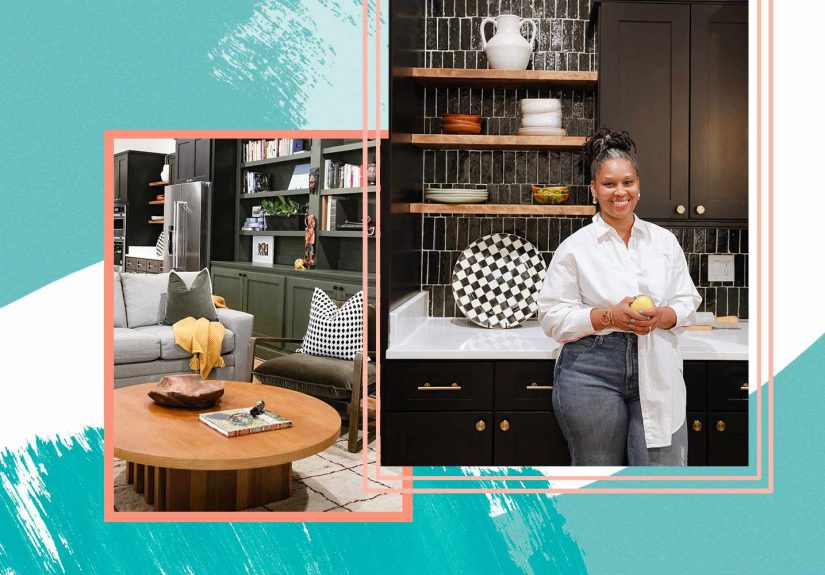
Laquita Tate is a Memphis-based interior designer and the founder of Laquita Tate Interior Styling & Designs. Her path is
refreshingly modern: she began by redecorating her own home room by room, sharing the process on social media, and realizing people wanted
that same magic in their own spaces. From there, it grew into a businessone built on listening closely and designing around how clients
actually live (not how a showroom pretends they live).
Tate’s background is rooted in education, and she brings that “let’s understand the why” energy to interiors. She’s talked about being drawn to
modern and midcentury modern designneutral tones, clean lines, and texturethen building a plan based on how a homeowner uses the space.
That’s the grown-up part of the recipe.
The not-so-grown-up (in the best way) part? Her belief that a room needs soul. For Tate, that often comes from artwork, plants,
and bold moments that punctuate the calm. She’s also vocal about supporting local Memphis businesses and incorporating community references
like art that nods to the Memphis Bridgeso her interiors feel personal, not generic.
What “Memphis Touches” Actually Look Like (Without Turning Your Home Into a Cartoon)
Let’s clear up a common misconception: adding Memphis touches does not require neon furniture, a terrazzo toaster,
and a bathtub shaped like a saxophone. (Unless you want that. If you do, I respect the commitment.)
Memphis design: the quick, no-lecture version
The Memphis design movement emerged in the early 1980s as a rebellious response to strict modernism and minimalism. Think: bright colors,
clashing patterns, bold geometry, black-and-white graphics, curves, squiggles, and a “rules are suggestions” attitude.
The point wasn’t to be subtleit was to be alive.
Tate’s version: Memphis energy, modern discipline
Tate’s approach is closer to modern comfort with strategic bursts of play. Instead of going full “1983 Milan showroom,” she uses
Memphis-inspired ideas as accents: art with punchy color, a graphic pattern that wakes up a neutral room, sculptural lighting, or a single
cheeky shape (hello, squiggles) that keeps everything from feeling too serious.
In other words: she doesn’t let the Memphis touches drive the room. They’re the passenger who plays the best playlist.
The Laquita Tate Formula: Calm Base, Confident Pops
If you want to borrow Tate’s vibe for your own home, focus on the structure underneath the fun.
Here’s a simple way to think about it:
1) Start with a modern or midcentury foundation
Tate gravitates toward clean lines and neutrals, which makes sense: a calm backdrop lets the “wow” elements shine without visual chaos.
Midcentury modern-inspired silhouettesthink streamlined sofas, sculptural chairs, warm wood tonescreate a timeless base that can handle
bold accents without looking like a trend costume.
2) Layer texture like you mean it
Texture is the secret ingredient that makes neutrals feel intentional instead of unfinished. Think woven rugs, textured wallpaper, ceramics,
natural wood, boucle, linen, leather with patinaanything that adds depth without shouting. Texture also plays nice with Memphis touches:
it softens the boldness and keeps the room livable.
3) Use art as the color engine
Tate consistently emphasizes artwork as a must-have in her spacesand for good reason. Art can inject color, pattern,
and personality without forcing you to commit to, say, a cobalt blue sectional you might regret during your “beige era” next year.
Bonus: meaningful art makes a space feel like it belongs to you.
4) Add greenery for height, softness, and life
Plants do a lot of work. They add organic shape, break up hard lines, and bring freshness to bold graphic moments.
If your Memphis touches are geometric and high-contrast, greenery is the visual exhale.
Specific Examples: Where Tate’s Memphis Touches Show Up
Tate’s own home and published features offer clues to how she balances boldness and comfort.
She’s described loving art, plants, natural wood tones, and texturethen arranging them in a way that feels curated, not cluttered.
A breakfast nook that proves geometry can feel cozy
In one feature, a standout moment is a round breakfast nook with abundant windowslight pouring in, shapes repeating, and a
ceiling detail painted a deep green to anchor the space. The round motif carries through with a circular table and a rug that echoes the geometry.
This is a Memphis trick (repeat shapes, amplify form), but executed in a grounded palette so it doesn’t feel like a theme park.
Midcentury furniture, maximalist intention
Tate is drawn to midcentury modern-inspired furnitureyet she doesn’t always deploy it in the classic minimalist way.
Instead, she uses those clean silhouettes as a frame for bolder choices: pops of color, statement chairs, striking lighting,
and layered styling that feels collected over time.
A bold bathroom that still feels like a retreat
In a favorite-room feature, Tate highlighted a bathroom makeover that used bold wallpaper and a hand-stenciled muraldone as part of a timed design
challenge. The lesson here is important: Memphis energy doesn’t have to be “loud everywhere.”
A bathroom can handle a big pattern moment because it’s a contained spaceand when paired with warm lighting and thoughtful styling,
it can still feel relaxing.
How to Add Memphis Touches at Home (Tate-Inspired, Not Overwhelming)
If you love the idea of Memphis touches but fear waking up in a room that looks like a pack of highlighters exploded, this section is for you.
The goal is to borrow the attitude of Memphisplayful, expressive, a little rebelliouswhile keeping Tate’s modern clarity.
Choose one “hero” pattern per room
Memphis design thrives on pattern, but most real-life homes don’t need five competing prints in one sightline. Pick one lead pattern:
a geometric rug, a graphic wallpaper, or a bold shower curtain. Keep everything else supportivesolids, textures, or smaller-scale accents.
Try the squiggle trend in a sophisticated way
Squigglesone of the most recognizable Memphis motifshave been resurfacing in modern decor: mirrors, candleholders, tables, wall details,
and playful painted accents. The modern trick is to choose one squiggle moment (a lamp base, a sculptural mirror, or a small wall
detail) and let it act like visual punctuation rather than a full paragraph.
Use black-and-white graphics to “discipline” bright color
Memphis isn’t just rainbowit’s also high-contrast graphic work. If you’re adding bright pops (pink, teal, mustard, cobalt),
grounding them with black-and-white art, stripes, or a monochrome pattern keeps the look intentional and crisp.
Bring Memphis in through lighting
Sculptural lighting is an underrated way to get that playful geometry without repainting your entire house.
Look for asymmetry, bold shapes, unexpected curves, or colorful accents. A statement fixture can deliver the Memphis vibe
while the rest of the room stays calm.
Start small: the “accent that dares you to smile” method
Not ready to commit? Good. That’s smart. Start with accessories:
a punchy throw pillow, a patterned tray, a colorful vase, a quirky side table, or art that introduces a new color story.
Memphis touches are easiest when they’re easy to remove (or at least easy to move to another room when your tastes evolve).
Room-by-Room Playbook
Living Room: modern base, curated punch
- Base: neutral sofa, warm wood tones, textured rug
- Memphis touch: one bold art piece or graphic rug; one sculptural lamp
- Tate-style finishing move: plants for height and depth, plus layered styling that feels collected
Bedroom: texture first, color second
- Base: calm palette, clean-lined furniture
- Memphis touch: graphic pillows, a playful bedside lamp, or a bold print above the bed
- Keep it restful: limit bright colors to 2–3 accents; let texture do the heavy lifting
Bathroom: the safest place to go bold
- Base: simple fixtures and clean shapes
- Memphis touch: statement wallpaper, stenciled mural, or high-contrast tile moment
- Make it feel luxe: warm lighting + art + one plant (even if it’s a humidity-loving pothos)
Home Office: where Memphis can actually boost mood
- Base: uncluttered desk setup, storage that hides chaos
- Memphis touch: a graphic gallery wall, bold desk accessories, color-blocked shelving
- Productivity bonus: playful design can make the space feel energizing instead of punishing
Shopping, Sourcing, and the “Local Matters” Advantage
Tate’s Memphis connection isn’t just aestheticit’s practical and community-driven. She’s spoken about supporting local Memphis businesses
and incorporating local references through art and decor. That approach does something big: it makes a space feel anchored in real life.
If you want to replicate that effect in your own city, try this:
- Buy art locally (markets, galleries, community shows) and let it set your room’s color story.
- Commission a piece in a Memphis-inspired palettebold shapes, playful geometry, strong contrast.
- Mix high and low: a statement piece plus more accessible accents keeps the look elevated, not costume-y.
- Use what you already own as a starting point, then layer in Memphis touches as upgradesnot replacements.
This is also where Tate’s “education brain” shows up: start with what’s real, assess what’s needed, build the plan, then execute.
You’re not buying a personality. You’re revealing one.
Common Mistakes When People Try Memphis Touches (And How Tate’s Approach Avoids Them)
Mistake #1: Making everything loud
Memphis design is famous for maximalism, but maximalism still needs structure. Tate’s modern foundation (neutrals + clean lines + texture)
gives your eye a place to rest. If your room feels chaotic, add more calm: solid textiles, warm wood, fewer competing patterns.
Mistake #2: Treating Memphis like a costume
The goal isn’t “my house is 1986.” It’s “my house feels joyful and specific.” Use Memphis touches the way you’d use hot sauce:
enough to wake things up, not enough to erase the flavor of the meal.
Mistake #3: Ignoring meaning
Tate’s emphasis on artespecially supporting Black artists and incorporating cultural layerspoints to a deeper truth:
a room is more memorable when it reflects real stories. Buy fewer things, buy better things, and let them mean something.
Mistake #4: Over-accessorizing
Even Tate has a decor pet peeve: too many pillows. (If you need a treasure map to find the actual bed, we’ve gone too far.)
Curate accessories like you’re editing a photo: keep what adds impact; remove what adds noise.
Why Memphis Touches Work Right Now
There’s a reason Memphis-inspired elements keep resurfacing: people are tired of spaces that feel identical. The current wave of nostalgia and
“more is more” design energy has brought playful geometry, bold color, and graphic patterns back into the conversation.
But the most livable version isn’t the loudestit’s the one that’s balanced.
Tate’s approach feels timely because it’s optimistic without being overwhelming. It’s modern, but not sterile. It’s expressive, but not chaotic.
It’s the design equivalent of showing up to brunch with a great blazer… and sneakers that are the exact right amount of weird.
Experiences That Bring the Idea to Life (Real-World, Tate-Inspired)
The best way to understand “Memphis touches” is to picture how it feels when you actually live with themon a random Tuesday, not just on reveal day.
Here are a few real-world experiences people often have when they try the Tate-style approach: a modern base with confident, playful punches.
Experience 1: The room stops feeling “finished,” and starts feeling “yours”
A lot of homes look done but not personal. You buy the neutral sofa, the matching side tables, the safe rug, and everything is… pleasant.
Then you hang one bold, graphic piece of artmaybe something with geometric shapes and a color combo you wouldn’t normally pick.
Suddenly the room has a point of view. It’s not just “a living room,” it’s your living room. People walk in and ask about the art.
You tell a story. That’s when design becomes identity instead of inventory.
Experience 2: Color becomes easier once it arrives through art
Committing to a bold wall color can feel like proposing marriage on the first date. But introducing color through art is like casually
exchanging playlists: lower pressure, higher joy. Many people find that once a strong art piece sets the palette, the next steps get clearer.
A pillow picks up a color from the painting. A vase echoes a shape. A throw blanket repeats a tonesuddenly you’re “good at color,”
when really you just gave yourself a smarter starting point.
Experience 3: One squiggle detail can change the whole mood
It sounds silly until you see it: a wavy mirror, a squiggly candleholder, a curved table edge. It’s a small visual joke that makes a space feel
friendlier. People report that these tiny, playful details soften a room that otherwise reads too serious.
The trick is restraintone squiggle moment is charming; five becomes a pasta-themed escape room.
Experience 4: Guests remember the “moment,” not the budget
When you add Memphis touches with intention, visitors don’t walk away thinking, “They spent a lot.” They think, “That space had personality.”
A single graphic rug, a sculptural lamp, or a gallery wall anchored by a bold print becomes the thing people describe later.
This is why the Tate method is so effective for normal households: you can invest in one or two standout elements and keep the rest simple.
The room still lands like a full design because the focal point does the storytelling.
Experience 5: Local sourcing creates an emotional “home base”
One of the most underrated experiences is how it feels to look around and recognize your community in your decor. When your wall art references your city,
or your coffee table book came from a local shop, or your styling includes pieces made by nearby artists, your home feels grounded.
It’s not just aesthetically pleasingit’s emotionally satisfying. People often describe this as “comforting,” even when the room is bold,
because it’s connected to real places and real people.
Put all of that together, and you get why Tate’s approach resonates: it’s not about chasing a trend. It’s about building a home that feels modern,
expressive, and genuinely lived-inwhere design can be both beautiful and a little bit fun. Because honestly, if your room can’t make you smile
at least once a day, what is it even doing with all that square footage?