Table of Contents >> Show >> Hide
- What depression is (and why food alone usually isn’t the whole answer)
- What the pilot study found
- How could keto influence depression symptoms?
- What the broader evidence says so far
- Safety: who should be cautious with keto
- If you’re keto-curious for depression, try it with guardrails
- The bottom line
- Real-life experiences: what trying keto for depression can feel like
- The early days: “Is this self-care or a science experiment?”
- When it goes well: steadier energy, fewer crashes
- A familiar motivation: “I just want my brain and body to stop fighting”
- The social and mental load: the part research papers don’t taste-test
- The common pivot: “I kept the helpful parts, not the strict rules”
- What people often wish they’d known
Depression can make everyday life feel like you’re walking through wet cementslow, heavy, and weirdly exhausting. Standard treatments like therapy, medication when appropriate, sleep support, and regular movement help many people, but not everyone gets full relief. That’s why researchers keep testing new “add-ons,” including nutrition.
Enter the ketogenic (keto) diet: very low in carbs, higher in fat, and moderate in protein. A recent pilot study suggests a well-formulated ketogenic diet may be linked to meaningful improvements in depression symptoms for some young adults. It’s not proof, it’s not a cure, and it’s not a reason to stop treatment. But it is a signal worth understandingespecially if you’re curious about the growing field sometimes called metabolic psychiatry.
What depression is (and why food alone usually isn’t the whole answer)
Major depressive disorder involves symptoms like persistent low mood, loss of interest, changes in sleep or appetite, low energy, guilt or worthlessness, difficulty concentrating, and sometimes thoughts of self-harm. Symptoms last at least two weeks and interfere with daily functioning. If you’re in crisis or thinking about harming yourself, get immediate help. In the U.S., call or text 988 for the Suicide & Crisis Lifeline.
What the pilot study found
The study followed college students with a confirmed diagnosis of major depressive disorder who were already receiving standard care (counseling, medication, or both). Researchers wanted to know two things: Is a well-formulated ketogenic diet doable? And do depression symptoms change while people follow it?
Study snapshot
- Participants: 24 enrolled; 16 completed (average age about mid-20s).
- Duration: 10–12 weeks.
- Support: Frequent nutrition coaching plus some keto-appropriate foods provided.
- Ketosis check: Daily morning blood ketone testing (beta-hydroxybutyrate).
- Depression scores: PHQ-9 (self-report) and HRSD (clinician-rated).
Among completers, participants achieved nutritional ketosis much of the time and saw large reductions in depression scores by the end of the programaround a 70% drop on both PHQ-9 and clinician ratings. Improvements often appeared within the first few weeks. Global well-being scores also increased markedly. Participants lost weight and fat mass on average, and the study reported shifts in some biological markers often discussed in mood research, including higher BDNF and lower leptin.
Why the results are excitingand why they’re not “proof”
Pilot studies are designed to test feasibility and generate hypotheses, not to establish cause-and-effect. This study was small, and it did not include a control group. It also provided a lot of support (coaching, structure, some foods), which can improve adherence and could influence mood by itself. In short: the findings are promising, but they need replication in larger, controlled trials.
How could keto influence depression symptoms?
Researchers are still working out the “why,” but several pathways are plausible:
1) Brain energy and metabolic flexibility
Ketones provide an alternative fuel source. Some scientists suspect that, for certain people, changing brain energy metabolism could influence mood-related circuits.
2) Blood sugar stability, insulin signaling, and inflammation
Very low-carb eating often reduces glucose swings and lowers insulin demand. For people with insulin resistance or metabolic syndrome, that metabolic shift may support steadier energy and reduce inflammatory signalingboth relevant to mood, sleep, and fatigue.
3) Neurochemistry and neural “calm”
Ketogenic diets are an established therapy in epilepsy and appear to reduce neuronal excitability. Researchers are exploring whether similar effects could matter for depression or anxiety in some individuals.
What the broader evidence says so far
The pilot study isn’t alone, but the overall evidence is still early. Small studies and case reports have described improvements in mood symptoms during ketogenic therapy. Another pilot line of research has reported improvements in metabolic health and some psychiatric symptom measures in people with severe mental illness who also had metabolic problems.
At the same time, controlled research paints a more cautious picture. A recent randomized clinical trial in people with treatment-resistant depression found both the ketogenic and control-diet groups improved quickly; the ketogenic group had a slightly greater improvement at six weeks, but differences were modest and adherence dropped sharply once intensive support ended. Ketone levels didn’t neatly predict symptom change, suggesting ketosis may be only part of the story.
Takeaway: keto may help some peopleespecially as an adjunctbut it’s not a guaranteed mood fix, and “more keto” doesn’t automatically mean “more better.”
Safety: who should be cautious with keto
Keto is restrictive, and restrictive diets can be riskyphysically, mentally, or both. Common early side effects include constipation, headaches, fatigue, muscle cramps, and “keto breath.” These often relate to fluid and electrolyte shifts.
Longer-term concerns can include nutrient gaps (if vegetables and whole-food fats aren’t prioritized), worsening cholesterol markers in some people (especially when saturated fats dominate), and kidney stone risk in certain settings.
Don’t try keto without medical guidance if you:
- Have type 1 diabetes or take glucose-lowering medications (risk of dangerous blood sugar shifts)
- Have kidney, liver, or pancreatic disease
- Are pregnant, breastfeeding, or have a history of eating disorders
- Are on complex psychiatric regimens and considering any medication changes (don’t)
Also: nutritional ketosis is not the same as diabetic ketoacidosis, a medical emergency. The names are annoyingly similar; the physiology is not.
If you’re keto-curious for depression, try it with guardrails
1) Keep your clinician in the loop
Coordinate with your therapist, prescriber, or primary care clinicianespecially if you have metabolic conditions or your appetite and sleep shift quickly.
2) Aim for “well-formulated” keto
Quality matters. A whole-food keto pattern often emphasizes non-starchy vegetables, adequate protein, and mostly unsaturated fats (olive oil, avocado, nuts, seeds), rather than living on processed “keto snacks.”
3) Plan for electrolytes and fiber
Hydration, sodium, and magnesium are common pain points early on. Fiber helps digestion and supports the gut-brain axisyes, even on keto. A simple trick many clinicians suggest: build each meal around protein + non-starchy vegetables, then add fats for satiety, rather than making fat the entire personality of the plate.
What a “well-formulated” keto day can look like (example)
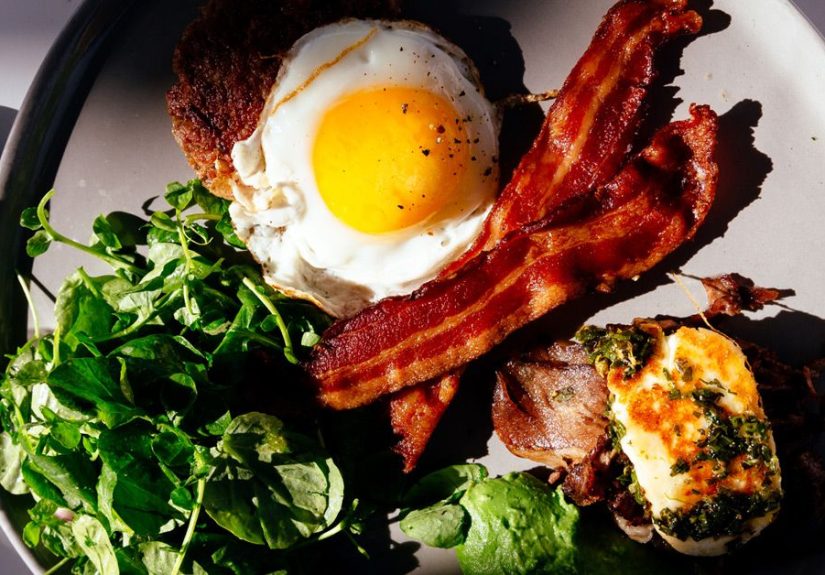
- Breakfast: Eggs (or tofu scramble) with spinach and tomatoes cooked in olive oil; a few berries if they fit your plan.
- Lunch: Big salad (greens, cucumbers, peppers) with chicken, salmon, or tempeh; olive oil and vinegar dressing; pumpkin seeds for crunch.
- Dinner: Roasted vegetables + a palm-sized portion of protein; side of cauliflower mash or zucchini noodles; avocado or a drizzle of olive oil.
- Snack (if needed): Greek yogurt or cottage cheese (if tolerated), nuts, or celery with nut butter.
This isn’t the only way to do keto, but it keeps the focus on whole foodsmore “grocery store” and less “mystery bar with a motivational slogan.”
4) Track mood gently
Use simple daily notes (sleep, mood 0–10, energy, anxiety). If symptoms worsenespecially hopelessness or agitationpause and talk to a professional.
5) Define your trial period
Set a realistic window (often 6–8 weeks) and clear goals (sleep? energy? PHQ-9 trend?). Keto shouldn’t become a forever rulebook unless it truly fits your life and labs.
The bottom line
The pilot study headline is best read as: “A well-supported ketogenic diet was feasible for some young adults with depression, and those who completed it showed large symptom improvements.” That’s encouragingand not the final word.
If keto appeals to you, treat it like any experimental add-on: keep standard depression care in place, prioritize safety, and remember that progress is usually built from multiple small supportsnot one dramatic dietary plot twist.
Real-life experiences: what trying keto for depression can feel like
Clinical trials measure symptoms; real life measures everything else: grocery budgets, family meals, social pressure, and that one coworker who keeps “forgetting” you’re skipping the bagels. Below are composite experiences that mirror common patterns people describe when they try a ketogenic diet alongside depression treatment. Think of them as a reality checknot medical advice.
The early days: “Is this self-care or a science experiment?”
Week one often feels like your body is renegotiating its contract. Some people report headaches, low energy, irritability, or dizzinessclassic “keto flu” territory. Depression can already drain motivation, so adding a short-term energy dip may feel brutal. The people who tend to cope better usually do three unglamorous things: they eat enough (especially protein), they hydrate, and they don’t ignore electrolytes. One common lesson: starting keto on the same week you start a new workout plan, quit caffeine, and reorganize your entire life is… ambitious. Your nervous system would prefer a single change at a time.
When it goes well: steadier energy, fewer crashes
Some people describe a shift around weeks two to four: fewer afternoon slumps, less “hangry,” and a more even energy curve. For depression, that can matter even if mood doesn’t instantly brighten. More physical energy can mean you’re slightly more able to shower, cook, show up to therapy, or take a walksmall behaviors that support recovery. People also sometimes report sleeping more consistently once their bodies adapt (though others sleep worse, especially if they’re under-eating or stressed).
A familiar motivation: “I just want my brain and body to stop fighting”
Some people come to keto after years of antidepressant trials, side effects, and weight changes that feel demoralizing. They’re not chasing a trend; they’re chasing a little more control. In those stories, the most helpful part isn’t always “ketones”it’s the combination of structured eating, fewer ultra-processed foods, and the confidence boost of making a plan and following it. That sense of agency can be powerful, but it’s also fragile. If the diet becomes too rigid, the same person can swing from “I’m finally doing something” to “I failed again.” Support and flexibility matter.
The social and mental load: the part research papers don’t taste-test
Keto can be isolating. Declining pizza at a friend’s place isn’t just about carbs; it’s about belonging. Some people thrive with simple routines (two or three go-to breakfasts, a repeating lunch, easy dinners). Others feel trapped by the planning, which can worsen anxiety or perfectionismespecially if depression already comes with self-criticism. If a diet turns into another reason to feel “bad at life,” it stops being supportive.
The common pivot: “I kept the helpful parts, not the strict rules”
Another frequent story is a transition rather than a quit. Someone notices they feel better with fewer sugary swings and more protein at breakfastbut strict keto feels unsustainable. They move toward a lower-glycemic, Mediterranean-style pattern: vegetables, beans, fruit, whole grains in reasonable portions, plus healthy fats and protein. For many people, that middle path keeps the benefits (satiety, energy stability, better labs) while reducing stress and social friction.
What people often wish they’d known
- Depression doesn’t respond to punishment. If food rules become a new way to shame yourself, step back.
- Support helps. Coaching, a dietitian, or a buddy system makes adherence more realistic.
- Labs matter. If cholesterol or kidney concerns pop up, adjust with a professional.
- Safety comes first. If mood worsens or suicidal thoughts increase, seek immediate help (U.S.: 988).
If you’re drawn to keto because you’re desperate for relief, that makes sense. You deserve options and hope. Just make sure your hope has guardrails: keep treatment, get support, and choose the approach that helps you feel more humannot more constrained.