Table of Contents >> Show >> Hide
- What Are Deep-Fried Deviled Eggs?
- Why Deep-Fried Deviled Eggs Work So Well
- How to Make Deep-Fried Deviled Eggs the Right Way
- The Best Ingredients for Big Flavor
- Common Mistakes to Avoid
- Flavor Variations Worth Trying
- Make-Ahead Tips and Food Safety
- How to Serve Deep-Fried Deviled Eggs
- Why This Recipe Deserves a Spot in Your Rotation
- Experiences With Deep-Fried Deviled Eggs: What They’re Really Like in a Real Kitchen
- Conclusion
Some foods do not need a glow-up. Deviled eggs, for example, already show up to every holiday, potluck, picnic, and game-day table like they own the lease. But then someone had the slightly unhinged, absolutely brilliant idea to fry them, and suddenly the humble deviled egg became the life of the party. Deep-fried deviled eggs are crunchy on the outside, creamy in the middle, tangy on top, and just dramatic enough to make people ask, “Who made these?” in the same tone usually reserved for surprise celebrity sightings.
If classic deviled eggs are dependable and charming, deep-fried deviled eggs are their crisp-jacketed cousin who arrives five minutes late and still steals the room. The beauty of this appetizer is the contrast: tender egg white, fluffy yolk filling, crunchy breading, and a punchy finish from mustard, paprika, herbs, pickle brine, or hot sauce. It is comfort food wearing a little black dress.
What Are Deep-Fried Deviled Eggs?
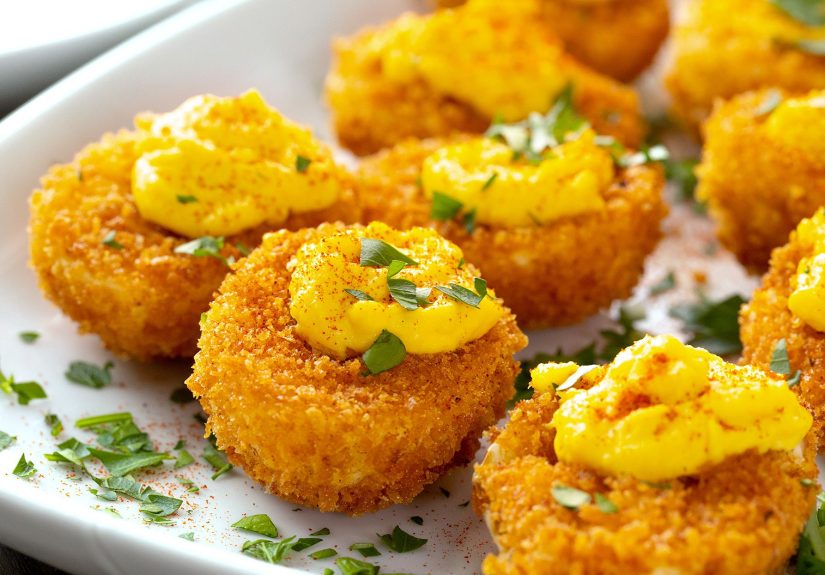
At their core, deep-fried deviled eggs follow the same basic logic as the traditional version. Hard-cooked eggs are peeled, halved, and separated. The yolks are mixed into a creamy filling, usually with mayonnaise, mustard, and something acidic such as vinegar, pickle juice, or relish. The twist is that the empty egg white halves are breaded and quickly fried before the filling is piped back in.
That small extra step changes everything. The coating adds crunch and warmth, while the filling stays cool, rich, and familiar. You still get the nostalgic flavor of deviled eggs, but with a crispy shell that makes each bite feel more like an event than an obligation. In other words, this is not your aunt’s church-basement tray of eggs. This is that tray after a very successful rebrand.
Why Deep-Fried Deviled Eggs Work So Well
The secret is texture. Traditional deviled eggs are soft all the way through, which is lovely until you have eaten three and begin wondering whether your appetizer needs a little personality. Frying gives the white a crunchy exterior, and that crispy layer plays beautifully against the smooth filling.
Flavor matters too. The best versions lean hard into balance. Mayo brings richness, mustard adds a sharp edge, and vinegar or pickle juice cuts through the fat. A little paprika, cayenne, dill, chives, or hot sauce keeps things from tasting flat. Parmesan in the coating can add nuttiness and salt, while panko helps create that shattering, golden crust that makes people hover near the platter like gulls near a boardwalk fry stand.
How to Make Deep-Fried Deviled Eggs the Right Way
Start with well-cooked eggs
Good deep-fried deviled eggs begin long before the oil heats up. The eggs need fully set yolks, easy-to-peel whites, and enough structure to survive breading and frying. Slightly older eggs often peel more neatly than ultra-fresh ones, which is helpful because jagged, torn whites do not fry elegantly. They fry like they are having a rough day, because they are.
Once cooked, cool the eggs quickly and peel them carefully. Slice them lengthwise and remove the yolks gently so the whites stay intact. The more uniform your egg white halves, the better they will bread and fry.
Make a filling that is creamy but not sleepy
The filling should be smooth, tangy, and assertive. Mayonnaise is usually the creamy base, but mustard is what gives deviled eggs their unmistakable zip. A splash of vinegar, a spoonful of relish, or a bit of pickle brine brightens the mixture so it does not feel heavy after frying. Some cooks add sour cream, Greek yogurt, dill, hot sauce, or even a little butter for extra richness and silkiness.
The key is restraint. You want the filling creamy enough to pipe or spoon neatly, but not so loose that it slumps over the fried whites like it needs a nap. Mash the yolks thoroughly, season well, and taste before filling. This is not the time for blandness.
Bread lightly, then fry fast
Deep-fried deviled eggs are usually coated in a classic three-step breading station: flour, beaten egg, and panko breadcrumbs. That setup creates a crisp shell without burying the egg under a heavy coating. Some versions add Parmesan, garlic powder, cayenne, or black pepper to the breadcrumbs, which gives the crust more flavor and a little swagger.
Because the eggs are already cooked, frying is quick. The goal is to brown the breading, not cook the egg again into oblivion. A short fry in properly heated oil gives you a golden crust while keeping the inside tender. Drain the fried whites well, let them cool slightly, then pipe in the filling and finish with garnish.
The Best Ingredients for Big Flavor
If you want deep-fried deviled eggs that taste memorable instead of merely gimmicky, focus on ingredients that wake up the filling and support the crunch.
Mustard
Dijon, yellow mustard, whole-grain mustard, or even a spicy mustard can all work. Mustard is not just tradition; it gives the filling bite and keeps the richness from feeling too one-note.
Acid
Pickle juice, apple cider vinegar, white vinegar, or relish all help cut through the fat from both the mayo and the fried coating. Without acid, the eggs can taste heavy. With it, they taste sharp, bright, and snackable.
Panko breadcrumbs
Panko is the MVP of the crust. It makes the coating airy and crisp instead of dense and bready. This is exactly what you want when the base ingredient is an egg half, not a chicken cutlet.
Parmesan and spices
A little grated Parmesan in the breading adds savory depth. Paprika, cayenne, black pepper, garlic powder, or Creole seasoning can make the crust more flavorful and the filling more interesting. Deep-fried deviled eggs should taste seasoned all the way through, not just decorated on top.
Fresh herbs
Dill and chives are especially good here. They bring color, freshness, and a clean finish that helps balance the richness. Plus, they make the eggs look like you tried very hard, even if you were listening to a true-crime podcast the whole time.
Common Mistakes to Avoid
Using eggs that peel badly: Ragged whites are harder to bread and easier to break. If the eggs look rough, the final platter will too.
Overfilling the whites with breadcrumbs: You want the outside coated, not the hollow center packed like a tiny breadcrumb bunker. Too much breading inside leaves less room for filling and makes the bite awkward.
Letting the oil drift too cool: Low oil temperature makes breading soak up oil instead of crisping. That is how you end up with greasy sadness instead of crunchy magic.
Making the filling too loose: If the yolk mixture is overly wet, it slides around and makes the eggs look messy. Add mayo gradually and stop when the mixture is smooth and pipeable.
Serving them too late: These are best shortly after frying. Wait too long, and the crust loses its crisp edge. Deep-fried deviled eggs are not difficult, but they do enjoy a little dramatic timing.
Flavor Variations Worth Trying
One of the best things about deep-fried deviled eggs is how flexible they are. Once you understand the technique, you can riff without chaos.
Southern-style
Use mayo, Dijon, dill pickle relish, hot sauce, paprika, and chives. Add a touch of cayenne if you want a little heat.
Dill pickle version
Boost the pickle flavor with chopped dill, pickle brine, and a garnish of finely diced pickles. Tangy, punchy, and excellent for people who think pickles are a personality trait.
Spicy party version
Add cayenne, hot sauce, smoked paprika, or Creole seasoning to both the filling and the breading. A final drizzle of hot honey or hot sauce can take it even further.
Bacon and chive
Top the finished eggs with crumbled bacon and fresh chives for a smoky, savory finish. This version tends to disappear first, usually because everyone “just wants one more.”
Fancy brunch version
Use Dijon, white wine vinegar, fresh dill, and a lighter hand with the spice. Garnish with herbs, flaky salt, or even a tiny bit of lemon zest for a more polished feel.
Make-Ahead Tips and Food Safety
Deep-fried deviled eggs are at their crispiest when fried just before serving, but parts of the process can absolutely be done ahead. Hard-cook the eggs, separate the whites and yolks, and make the filling in advance. Store the whites and filling separately in the refrigerator, then bread, fry, and assemble close to serving time.
Because eggs and mayo-based fillings are perishable, treat this appetizer with respect. Keep cooked eggs and prepared filling chilled, avoid leaving assembled eggs out too long, and serve them promptly. For parties, especially outdoor ones, keep them cold until the last minute. Nobody wants their appetizer to come with a side of regret.
How to Serve Deep-Fried Deviled Eggs
These eggs are a natural fit for Easter, holiday brunches, game-day spreads, potlucks, and cocktail parties. They pair well with fried chicken, pimento cheese, pickles, sliders, sparkling drinks, or a crisp salad that pretends to bring balance to the table.
Presentation helps. Pipe the filling neatly if possible, then garnish with paprika, chives, dill, black pepper, bacon, or a tiny dot of hot sauce. A platter of deep-fried deviled eggs should look inviting, slightly over-the-top, and impossible to pass up. Minimalist? Not exactly. Effective? Extremely.
Why This Recipe Deserves a Spot in Your Rotation
Deep-fried deviled eggs are not an everyday lunch. They are a party food, a conversation starter, and a wonderful example of what happens when a familiar classic gets one crunchy, golden upgrade. They keep everything people already love about deviled eggs, then add a crisp shell that makes the flavor feel brighter and the texture feel much more exciting.
That is why they work. They are nostalgic but not boring, playful but not ridiculous, and indulgent without being complicated. You can keep them classic with mayo, mustard, and paprika, or push them in spicier, herbier, more Southern, or more brunch-friendly directions. Either way, they turn a predictable appetizer into the thing everyone remembers.
Experiences With Deep-Fried Deviled Eggs: What They’re Really Like in a Real Kitchen
The first time most people make deep-fried deviled eggs, there is a brief moment of doubt. It usually arrives somewhere between peeling the eggs and setting up the breading station. You look at the halved whites and think, “Am I really breading an egg?” The answer is yes, and that moment of hesitation is part of the fun. This dish has just enough absurdity to feel exciting, but not so much that it turns into a novelty stunt.
In a home kitchen, the experience is often a mix of concentration and comedy. The egg whites are delicate, so the first few get handled like heirloom ornaments. By the fourth or fifth one, though, you find your rhythm: flour, egg wash, panko, plate. Once the oil is hot and the first coated white turns golden, confidence arrives fast. The kitchen starts to smell toasted, savory, and a little festive, which is not something plain deviled eggs can usually claim.
What surprises many cooks is how quickly these become interactive party food. People wander into the kitchen “just to check,” then stay to watch the frying. Someone inevitably asks whether they can taste one before the platter goes out. Someone else says they do not even like deviled eggs, then eats two. That is the power of crunch. It converts skeptics with suspicious ease.
There is also something satisfying about the contrast between the hot shell and cool filling. When you pipe the yolk mixture into a just-fried egg white, the result feels more special than the sum of its parts. The filling stays creamy and familiar, while the crust adds a restaurant-style touch that makes the dish feel far fancier than it actually is. It is one of those recipes that gives strong “you really know what you’re doing” energy, even if you were Googling breadcrumb ratios an hour ago.
Another common experience is discovering how personal the flavor becomes. Some people love extra pickle brine. Some want more mustard. Some insist on bacon, hot sauce, or smoked paprika. Deep-fried deviled eggs invite tinkering, which makes them especially popular for holidays and gatherings where everyone has Opinions. The good news is that the base recipe is sturdy enough to handle those little twists without losing its identity.
Perhaps the most consistent experience, though, is that they disappear fast. Faster than expected, honestly. A tray that looks generous on the counter can be reduced to crumbs, paprika dust, and one lonely chive in what feels like seven minutes. That is why experienced hosts make extra filling, fry in batches, or quietly stash a couple in the kitchen for themselves. This is not selfishness. This is strategy.
And that may be the best case for deep-fried deviled eggs. They are fun to make, fun to serve, and even more fun to watch people eat. They bring a little theater to the appetizer table without demanding professional-chef skills. In a world full of forgettable party snacks, that is no small achievement. A deviled egg that crunches is memorable. A platter of them is a minor event.
Conclusion
Deep-fried deviled eggs take a classic American appetizer and give it exactly what it never knew it needed: crunch. With a creamy mustardy filling, a crisp panko coating, and room for herbs, spice, pickle brine, Parmesan, or bacon, they deliver the best parts of deviled eggs with a louder, more craveable texture. Make the components ahead, fry just before serving, and watch the tray vanish at a speed that feels slightly rude. As party foods go, this one earns its dramatic reputation.