Table of Contents >> Show >> Hide
- What Is the Daniel Fast?
- Daniel Fast Rules in Plain English
- Foods You Can Eat on the Daniel Fast
- Foods You Cannot Eat on the Daniel Fast
- The “Gray Area” Foods Everyone Asks About
- Daniel Fast Grocery List (Copy/Paste Friendly)
- Sample Daniel Fast Meal Ideas
- Health Benefits: What the Research Suggests (and Why It Makes Sense)
- Potential Downsides and Who Should Be Cautious
- Tips to Make the Daniel Fast Easier (and More Enjoyable)
- FAQ
- Conclusion
- Experiences: What the Daniel Fast Often Feels Like in Real Life (About )
- SEO Tags
The Daniel Fast is the diet world’s version of “unplugging.” For a set amount of time (often 21 days), you step away from modern
food chaosdrive-thru temptations, mystery ingredients, sugar sneaking into “healthy” snacksand eat simple, whole, plant-based foods.
People do it for spiritual reasons, health reasons, or both. Either way, your pantry gets a personality makeover.
This guide breaks down what you can eat, what you can’t, the “gray area” foods that start friendly debates in group chats, and what
research suggests about potential health benefits. (Quick note: this is general information, not medical advice. If you have a medical
condition or take medications, check with your healthcare provider before changing how you eat.)
What Is the Daniel Fast?
The Daniel Fast is a biblically inspired, partial fast based on passages in the Book of Daniel. Modern versions usually resemble a strict
whole-food, plant-based eating pattern for a limited timecommonly 21 dayswhile removing “rich foods” and common indulgences.
In practice, it’s like a vegan plan with extra guardrails: no animal products, no alcohol, no added sweeteners, and typically no leavened
baked goods or highly processed foods. Many people also avoid caffeine and additives. Some communities allow small variations, so it’s smart
to follow the guidelines provided by your church or group if you’re doing it as part of a community fast.
Daniel Fast Rules in Plain English
- Eat: whole, plant-based foodsvegetables, fruits, legumes, whole grains, nuts, seeds.
- Drink: water is the standard; some plans allow herbal (non-caffeinated) tea.
- Avoid: animal products, alcohol, added sweeteners, and heavily processed foods.
- Usually avoid: caffeine, leavened bread/baked goods, and ingredient lists that read like a chemistry pop quiz.
Foods You Can Eat on the Daniel Fast
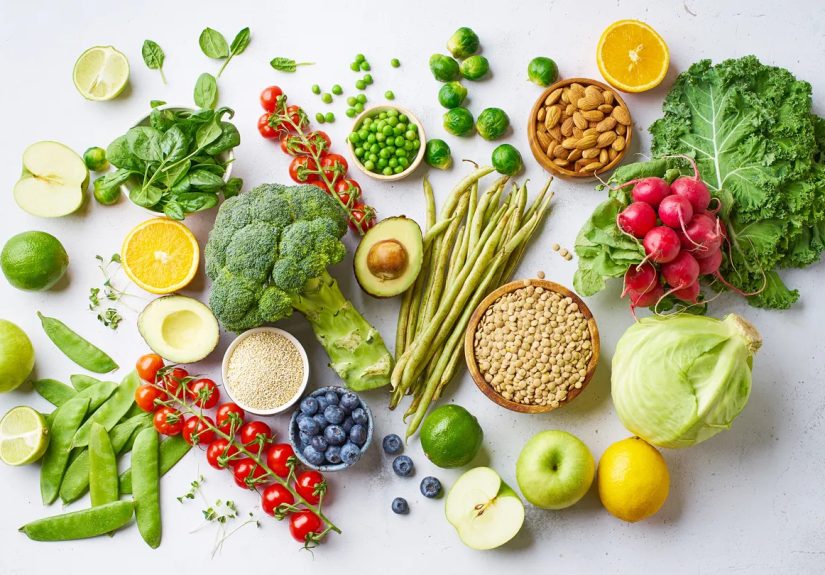
Think “farmers market meets basic pantry staples.” The goal is simple foods that are minimally processed and ingredient-light.
Below are common allowed categorieswith specific examples to make shopping easier.
1) Vegetables (Fresh, Frozen, or Plain Canned)
Vegetables are the main event. Load up on variety: leafy greens, cruciferous veggies, colorful options, and hearty staples.
- Leafy greens: spinach, kale, romaine, arugula, collards
- Cruciferous: broccoli, cauliflower, Brussels sprouts, cabbage
- Color power: bell peppers, carrots, tomatoes, beets, sweet potatoes
- Alliums: onions, garlic, leeks (a.k.a. “flavor insurance”)
2) Fruits
Fresh fruit is dessert with a good reputation. Whole fruit is generally preferred over juice because it keeps the fiber.
- Berries, apples, oranges, bananas, grapes, melons, peaches
- Avocado (yes, it’s technically a fruitand yes, it counts)
- Dates and raisins: often allowed in moderation, but some plans avoid them because they’re very concentrated in sugar
3) Whole Grains (Minimally Processed)
Whole grains bring staying powerespecially when you’re not leaning on cheese or eggs for satiety.
Many Daniel Fast plans permit whole grains but avoid leavened bread and many packaged baked goods.
- Brown rice, wild rice, oats, quinoa, barley, bulgur, millet
- Whole corn (cornmeal, polenta), whole wheat berries
- Unleavened options (depending on your plan): tortillas made with just corn/water, or other truly simple flatbreads
4) Legumes and Plant Proteins
Beans and lentils are the backbone of “Wait, I’m full already?” energy.
- Black beans, chickpeas, kidney beans, pinto beans, cannellini beans
- Lentils (brown, green, red), split peas
- Soy foods (often allowed if minimally processed): tofu, tempeh, edamame
5) Nuts and Seeds
These help with fullness and add healthy fats. Choose versions without added sugar or weird oils.
- Almonds, walnuts, pecans, cashews, pistachios
- Chia, flax, hemp, pumpkin seeds, sunflower seeds
- Nut butters (check ingredients): “peanuts + salt” is great; “peanuts + sugar + oils + vibes” is not
6) Oils and Fats (Often Allowed, Usually “Use a Light Hand”)
Many Daniel Fast guidelines allow small amounts of plant oils (like olive oil) and whole-food fats (like avocado).
Some stricter versions minimize added oils and focus on whole-food fat sources.
- Olive oil, avocado oil, grapeseed oil (if your plan allows oils)
- Avocado, olives, nuts, seeds
7) Herbs, Spices, and Simple Condiments
This is how you keep beans from tasting like “sadness, but warm.”
- Salt, pepper, garlic powder, onion powder, paprika, cumin, chili flakes, cinnamon
- Fresh herbs: cilantro, basil, parsley, rosemary, thyme
- Vinegars (check for added sugar): apple cider, balsamic, red wine vinegar (non-alcoholic end product, but verify your guidelines)
- Mustard or hot sauce may be allowed if free of added sugar and unnecessary additivesread labels carefully
8) Beverages
Water is the classic Daniel Fast drink. Some plans allow herbal tea. Many avoid caffeine and sweetened drinks.
- Water (still or sparkling, if your guidelines allow carbonation)
- Unsweetened herbal tea (caffeine-free)
- 100% fruit juice is sometimes allowed, but it’s best treated like “liquid fruit candy” and used sparingly
Foods You Cannot Eat on the Daniel Fast
The avoid list is basically: animal products + sweeteners + alcohol/caffeine + processed foods. Here’s what that looks like in real life.
1) All Animal Products
- Meat, poultry, fish, seafood
- Eggs
- Dairy: milk, cheese, yogurt, butter, cream
- Anything made from these (whey, casein, gelatin, etc.)
2) Added Sweeteners (Natural or Artificial)
- Sugar, brown sugar, powdered sugar
- Honey, maple syrup, agave, corn syrup
- Artificial sweeteners and “zero-calorie” sweeteners
3) Leavened Breads and Most Baked Goods
- Bread, rolls, bagels, pastries, cakes
- Anything made with yeast or typical leavening agents (varies by plan)
- Most packaged crackers/cookies (also usually include oils, sugar, additives)
4) Alcohol and Caffeine (Typically)
- Beer, wine, spirits
- Coffee, energy drinks
- Caffeinated teas and sodas
5) Highly Processed Foods and Additives
- Fast food, fried foods, chips
- Processed “vegan” treats that still contain added sugar, additives, or ultra-refined ingredients
- Foods with long ingredient lists, artificial colors/flavors, preservatives (depending on your plan’s strictness)
The “Gray Area” Foods Everyone Asks About
If the Daniel Fast had a comment section, it would be 70% “Is this allowed?” Here are common debate items and how to handle them without
spiraling into existential label-reading.
- Oatmeal: Usually allowed if it’s plain oats. Skip flavored packets with sweeteners.
- Hummus: Often allowed if it’s made from chickpeas, tahini, lemon, garlicwatch for added oils/sugars.
- Plant milks: Sometimes allowed if unsweetened and simple. Some plans avoid them due to additivescheck your guidelines.
- Whole-grain pasta: Some groups avoid pasta (processed/refined). Others allow 100% whole-grain versions. If unsure, choose whole grains like brown rice or quinoa.
- Dates: Commonly allowed, but they’re concentrated sugar. If your fast emphasizes avoiding “sweet” foods, keep them occasional.
- Carbonated water: Some groups avoid it; others don’t. If your community says no carbonation, keep it simple: still water.
Daniel Fast Grocery List (Copy/Paste Friendly)
Shopping gets easier when you stop wandering the aisles like a confused raccoon.
- Produce: spinach, kale, broccoli, bell peppers, onions, garlic, carrots, sweet potatoes, tomatoes, avocados, berries, bananas, apples, lemons
- Grains: oats, brown rice, quinoa, barley, millet
- Legumes: lentils, chickpeas, black beans, split peas (dry or low-sodium canned)
- Nuts/seeds: almonds, walnuts, chia, flax, pumpkin seeds; unsweetened nut butter
- Flavor builders: salsa (no added sugar), vinegar, spices, herbs, nutritional yeast (if allowed)
- Convenience: frozen vegetables, frozen berries, plain canned tomatoes, low-sodium vegetable broth (check ingredients)
Sample Daniel Fast Meal Ideas
One-Day Simple Menu
- Breakfast: steel-cut oats with berries, chia seeds, and cinnamon
- Lunch: big salad + lentil soup (or leftover chili) with avocado
- Snack: apple + almond butter (unsweetened)
- Dinner: veggie stir-fry over brown rice with tofu (if allowed) and lots of garlic/ginger
Low-Drama Dinner Rotation (Because You Have a Life)
- Chickpea and vegetable curry over quinoa
- Black bean chili with sweet potatoes
- Sheet-pan roasted veggies + tahini-lemon drizzle
- Stuffed bell peppers with rice + lentils + salsa
- Hearty minestrone-style vegetable soup (skip pasta if your plan avoids it)
Health Benefits: What the Research Suggests (and Why It Makes Sense)
A lot of Daniel Fast “benefits” come from a very unsexy truth: eating more whole plants and fewer ultra-processed foods is generally good for
cardiometabolic health. The Daniel Fast also tends to reduce calories unintentionallybecause it removes many of the easiest ways humans
accidentally eat 900 calories (looking at you, “small” bakery muffin).
1) Improved Cholesterol and Heart Markers
Short-term studies of Daniel Fast-style eating patterns have reported improvements in cholesterol (including reductions in total and LDL cholesterol)
and blood pressure over a few weeks. That lines up with broader research on plant-forward diets and high-fiber eating patterns, which are associated
with healthier lipid profiles and cardiovascular risk factors.
Why it happens: removing animal products lowers dietary cholesterol intake and often reduces saturated fat. Meanwhile, whole grains, beans, fruits,
and vegetables add soluble fiber, which can help reduce LDL cholesterol. Heart-health organizations also emphasize limiting saturated fat and choosing
fiber-rich foods as part of cholesterol management.
2) Better Blood Sugar Control and Insulin Sensitivity (For Many People)
When meals become centered on beans, vegetables, and intact whole grains, blood sugar swings often calm down. Some Daniel Fast research has reported
improvements in markers related to glucose and insulin function, and plant-based dietary patterns are frequently associated with better metabolic health.
Important caveat: if you have diabetesespecially if you use insulin or glucose-lowering medicationsfasting or major diet changes can increase the risk
of low blood sugar. That’s a “talk to your clinician first” situation, not a “let’s wing it” situation.
3) Weight and Waistline Changes (Usually Modest, Sometimes Noticeable)
Many people lose some weight during a Daniel Fast, particularly if they’re coming from a typical diet high in refined carbs, sugary drinks, and processed
snacks. Even without counting calories, it’s harder to overeat when your snacks are carrots and hummus instead of cookies that taste like happiness.
4) Lower Inflammation and Oxidative Stress (Early Evidence)
Some Daniel Fast studies report improvements in inflammation-related markers and oxidative stress indicators. This may be partly because the plan increases
antioxidant-rich foods (colorful plants) and decreases pro-inflammatory dietary patterns (excess saturated fat, added sugars, and ultra-processed foods).
5) Digestive Benefits (and a Short-Term Adjustment Period)
A Daniel Fast often boosts daily fiber intake quickly. That can support regularity and gut health, but it can also cause temporary bloating if your body is
not used to it. The fix is usually simple: increase fiber gradually when possible, drink more water, and cook legumes well.
Potential Downsides and Who Should Be Cautious
The Daniel Fast can be a healthy short-term reset for many people, but it’s not automatically perfect for everyoneespecially if extended beyond a few
weeks without planning.
Nutrients to Pay Attention To
- Vitamin B12: primarily found in animal foods; long-term vegan patterns typically require fortified foods or supplementation.
- Iron and zinc: available in legumes, seeds, and whole grains, but absorption varies; pairing iron-rich foods with vitamin C helps.
- Calcium and vitamin D: can be low if you remove dairy and don’t plan alternatives.
- Iodine and omega-3s: may require intentional food choices (iodized salt, seaweed in moderation; chia/flax/walnuts for ALA omega-3).
People Who Should Get Medical Guidance First
- People with diabetes (especially on medications that can cause hypoglycemia)
- Pregnant or breastfeeding individuals
- Children and teens (growth needs are unique)
- Anyone with a history of eating disorders
- People with chronic disease or on multiple medications
Tips to Make the Daniel Fast Easier (and More Enjoyable)
- Batch cook one “anchor” recipe: chili, lentil soup, or curry. Eat it twice. Your future self will thank you.
- Build meals using a template: vegetables + beans + whole grain + sauce/spices. Simple, repeatable, not boring.
- Make snacks automatic: fruit, nuts, roasted chickpeas, hummus + veggies.
- Read labels once, then buy again: find 3–5 compliant staples and keep them in rotation.
- Plan for caffeine withdrawal: if you usually drink coffee, the first few days can be rough. Hydrate and sleep like it’s your job.
- After the fast, reintroduce foods slowly: your stomach doesn’t want you to celebrate with “extra-cheesy everything” on Day 22.
FAQ
Can I drink coffee on the Daniel Fast?
Most Daniel Fast guidelines say no, since caffeine is typically avoided. Herbal tea and water are common go-tos.
Is honey allowed?
Usually no. Many plans exclude all sweeteners, including honey and maple syrup.
Is bread allowed?
Typically, leavened breads and baked goods are avoided. Some groups allow truly simple unleavened options, but it depends on your fast guidelines.
Is this the same as being vegan?
It’s vegan-like, but stricter: it typically removes alcohol, sweeteners, and many processed foods that can still be vegan.
Conclusion
The Daniel Fast is less about dieting and more about discipline: choosing simple, whole foodsmostly plantsand stepping away from the modern stuff that
quietly runs the menu (added sugar, processed snacks, and “oops that was three coffees”). For many people, the short-term benefits can include improved
cholesterol and blood pressure markers, steadier energy, better digestion, and a healthier relationship with food.
The biggest wins come from doing it thoughtfully: eat enough, prioritize beans and whole grains for staying power, and don’t treat “Daniel Fast compliant”
as a free pass to live on fruit alone. If you have a medical condition or special nutrition needs, get guidance so the fast supports your health instead of
surprising it.
Experiences: What the Daniel Fast Often Feels Like in Real Life (About )
The first few days of the Daniel Fast are usually the loudestespecially if your routine includes coffee, convenience foods, or a “snack budget” that could
qualify as a second rent payment. Many people describe Day 1 as optimistic (“This is fine; I am a capable adult”) and Day 2 as mildly suspicious (“Why is
everything I crave either bread or cheese?”). If caffeine is part of your usual life, the early phase can feel like your brain is negotiating a union contract:
headaches, fatigue, and a weird emotional attachment to the smell of a coffee shop you didn’t even like last week.
By the end of the first week, the experience often shifts. Grocery shopping gets easier because you stop considering 80% of the store. People frequently
report that hunger becomes more predictable: meals built around beans, vegetables, and intact whole grains tend to “stick” longer than meals that are mostly
refined carbs. There’s also a surprising psychological effect: when the rules are clear, decision fatigue goes down. You’re not debating whether to have chips;
you already know the answer. That mental simplicity is part of the point.
Social situations can be the real plot twist. Someone will bring donuts to work. A friend will suggest a restaurant where the only vegetable is lettuce that’s
been emotionally damaged by heat lamps. Many people learn quickly that success isn’t about willpowerit’s about planning. Bringing a compliant snack,
checking menus in advance, or eating a small meal beforehand becomes less “extra” and more “strategic survival.” Some people also notice how often food
is used as entertainment, comfort, or reward. Removing the usual treats can feel like you’re turning down the volume on a habit you didn’t realize was that loud.
In group fasts, community is often the secret ingredient. People trade recipes, celebrate small wins (“I made chili that tastes like actual joy”), and laugh about
the shared weirdness of suddenly becoming an expert in ingredient labels. That shared experience can help the fast feel less like restriction and more like a
purposeful season. Toward the end, many participants report a clearer sense of what foods make them feel good: some realize they sleep better with less sugar,
feel lighter without heavy fried foods, or simply enjoy the steady energy that comes from meals built on fiber and plants.
The most common “aha” moment happens after the fast ends. When you reintroduce foods, you may notice how strongly certain items affect your bodybloating,
sluggishness, cravings, or the classic “Why did I think I needed this much dessert?” reaction. For many people, that’s the lasting value: not perfection, but
awareness. The Daniel Fast can function like a reset button, helping you return to normal life with a sharper sense of what you want on your plateand why.