Table of Contents >> Show >> Hide
- 1) Start with the “big three” numbers (so diabetes feels less mysterious)
- 2) Use a simple eating structure you can “Latino-fy”
- 3) Don’t fear carbslearn to “pair” them
- 4) Move in ways that fit your schedule (and your knees)
- 5) Medications: make them work for you (not against your routine)
- 6) Protect your “future you”: eyes, feet, kidneys, and teeth
- 7) Stress, sleep, and mental health: not “extra,” but essential
- 8) Smoking and alcohol: the “multiplier effects”
- 9) Make the health system work for you (yes, you’re allowed)
- Conclusion: Your culture is not the problemyour plan just needs to fit
- Experiences related to “Consejos para los latinos que tienen diabetes tipo 2” (real-life patterns that help)
Type 2 diabetes is common in the U.S., and many Latino families know it up closemaybe it’s your tío, your mom, or you.
The good news: managing type 2 diabetes isn’t about living on sad lettuce and saying goodbye to every food you love.
It’s about learning a few numbers, building habits you can repeat on busy weeks, and getting support that fits your real life.
This guide focuses on practical, culturally flexible advice for Latinos in the United Statesespecially those balancing family,
work schedules, traditional foods, and (sometimes) health care systems that feel like they were designed by people who have never
tried to order a café con leche in a hurry.
1) Start with the “big three” numbers (so diabetes feels less mysterious)
Diabetes management gets easier when you know which measurements matter and what they mean. Think of these as your dashboard lightshelpful,
not scary.
A1C: the “3-month average”
A1C reflects your average blood sugar over about 3 months. Many nonpregnant adults with diabetes have a common goal around
7% or lower, but your target can be different based on age, other conditions, or medications. Treat A1C like a trend line:
it shows direction and progress, not perfection.
Daily blood sugar targets (your “right now” data)
Many care teams use targets like 80–130 mg/dL before meals and under 180 mg/dL about 2 hours after a meal starts.
Your clinician may personalize thisespecially if you’re older, have frequent lows, or take insulin.
Blood pressure & cholesterol: the quiet teammates
Type 2 diabetes raises cardiovascular risk, so controlling blood pressure and cholesterol matters just as much as glucose.
Even if you feel fine, these numbers help protect your heart, brain, eyes, and kidneys long-term.
2) Use a simple eating structure you can “Latino-fy”
You don’t need a perfect meal planyou need a repeatable pattern. A great, low-drama option is the
Diabetes Plate Method. It’s portion-based, not math-based, so you don’t have to carry a calculator next to your salsa.
The Diabetes Plate Method (works with almost any cuisine)
- Half the plate: non-starchy vegetables (salad, calabacitas, peppers, broccoli, nopales, cabbage, green beans).
- One quarter: lean protein (chicken, fish, turkey, eggs, tofu, beans, lentils, lean beef in smaller portions).
- One quarter: carbohydrate foods (brown rice, corn tortillas, quinoa, sweet potato, fruit, beansyes, beans can count here too).
- On the side: water or unsweetened drinks; fruit or dairy if it fits your plan.
Practical swaps that keep the soul of the meal
Traditional foods can absolutely fit. The trick is portion + balance. Try these “same vibe, steadier glucose” ideas:
- Tortillas: keep themjust right-size. Example: 1–2 corn tortillas instead of stacking 4 like a delicious edible blanket.
- Rice: mix half rice + half cauliflower rice, or choose a smaller scoop and add extra veggies and protein.
- Beans: keep them (they’re fiber-rich), but watch portion if your glucose spikes; pair with veggies and protein.
- Sweet drinks: make aguas frescas with less sugar (or no sugar) and add fruit slices for flavor; skip regular soda most days.
- Frying: try air-frying, baking, grilling, or sautéing with a modest amount of healthy oil.
A sample “Latino-leaning” plate (no sadness included)
Half plate: fajita-style peppers and onions + a salad with lime
Quarter plate: grilled chicken or fish with spices
Quarter plate: a small scoop of rice or 1–2 corn tortillas
Extra: beans (small portion) or avocado (healthy fat) if it fits your goals
3) Don’t fear carbslearn to “pair” them
Many people hear “diabetes” and think “carbs are evil.” Carbs are not evil. Unbalanced carbs are just… enthusiastic.
Pairing carbs with protein, fiber, and healthy fats can slow glucose spikes and keep you full longer.
Easy pairing rules
- Fruit + nuts or Greek yogurt
- Tortillas + eggs + veggies
- Rice/beans + grilled protein + salad
- Toast + avocado + turkey (or beans)
4) Move in ways that fit your schedule (and your knees)
Physical activity helps insulin work better and supports heart health. National guidelines commonly recommend at least
150 minutes of moderate-intensity activity per week plus muscle-strengthening on 2 days per week.
That can be brisk walking, dancing, yard work, stair climbingwhatever you’ll actually do.
Three “Latino life” movement options
- The 10-minute plan: three 10-minute walks most days (morning, lunch, after dinner).
- The music hack: put on 3–4 songs and clean, dance, or pace during calls. Yes, it counts.
- The family version: walk after dinner with kids/parentsmovement + connection is a two-for-one deal.
If you take medications that can cause low blood sugar (especially insulin or sulfonylureas), ask your care team how to plan activity safely.
5) Medications: make them work for you (not against your routine)
If diet and activity aren’t enough, medications are commonand not a personal failure. Type 2 diabetes changes over time,
and treatment often evolves. The goal is steady glucose and fewer complications.
Real-world tips for better adherence
- Link pills to habits: coffee, brushing teeth, or the first meal of the day.
- Use reminders: phone alarms, pill boxes, or calendar prompts.
- Bring your schedule to appointments: night shift? two jobs? Your plan should match your life.
- Ask about costs: many clinics and pharmacies can help with discount programs or alternatives.
Never change doses on your own. If side effects show up, tell your clinicianthere are often options.
6) Protect your “future you”: eyes, feet, kidneys, and teeth
The point of good diabetes management isn’t just “nice numbers.” It’s protecting vision, mobility, kidney function, and overall quality of life.
These checks are your prevention toolbox.
Eyes
Diabetic retinopathy risk goes down when blood sugar is managed well and you follow your care plan. Don’t wait for blurry vision
eye problems can start quietly. Ask your clinician how often you need dilated eye exams.
Feet
Foot problems can become serious if unnoticed. Simple habits help: check your feet daily, wash and dry them well, trim toenails carefully,
wear shoes/socks, and ask for a foot check at routine visitsespecially if you have numbness or sores.
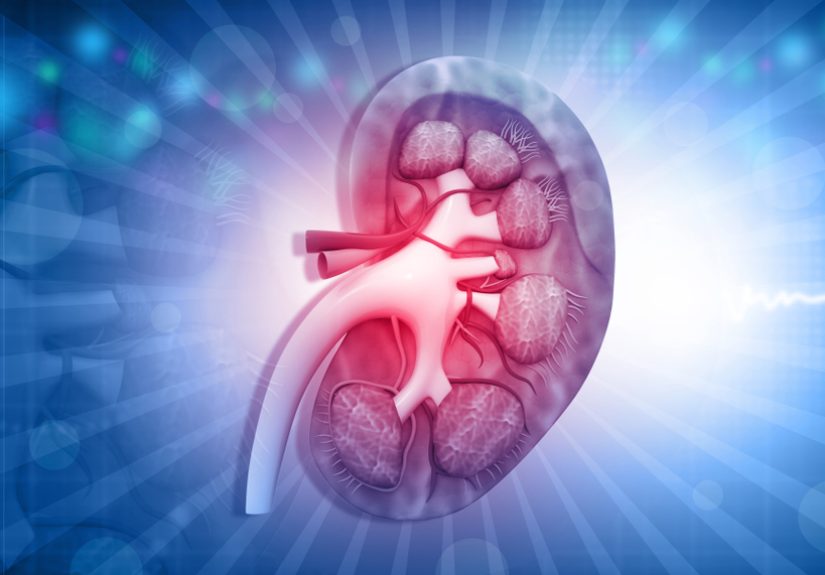
Kidneys
Diabetes is a leading cause of kidney disease, and kidney protection is a long game: manage glucose, blood pressure, and follow screening advice.
Ask about urine and blood tests that monitor kidney health.
Teeth and gums
Diabetes and gum disease influence each other. Good oral hygiene and regular dental care matterand keeping glucose in range supports gum health.
7) Stress, sleep, and mental health: not “extra,” but essential
Diabetes can be exhaustingdecision fatigue is real. Mental health and diabetes affect each other: untreated depression/anxiety can make diabetes
harder to manage, and diabetes stress can worsen mood. If you’re feeling burned out, it’s not weakness; it’s a signal to get support.
Two practical stress tools
- Reduce “all-or-nothing” thinking: one high-carb meal doesn’t ruin your life. It’s just a data pointadjust the next choice.
- Build a support circle: family, faith communities, promotores de salud, diabetes educators, or online groups in Spanish/English.
Sleep also matters. Many people do better when they consistently get enough restaim for a routine your body can rely on, even if bedtime shifts.
8) Smoking and alcohol: the “multiplier effects”
Smoking increases type 2 diabetes risk and can make glucose harder to control. If you smoke, quitting is one of the strongest health moves you can make.
If alcohol is part of your life, ask your care team what’s safe for your medications and goalsespecially if you use insulin.
9) Make the health system work for you (yes, you’re allowed)
Many Latino patients deal with language barriers, short appointment times, or confusing instructions. You deserve clarity.
Try these appointment upgrades:
- Bring a list: your meds, your questions, and 1–2 priorities for the visit.
- Ask for an interpreter: it’s your right in many settings, and it improves safety.
- Use “teach-back”: repeat the plan in your own words: “So I’ll check at X time, take Y dose, and call if Z happens.”
- Request realistic goals: “What’s the one change that would help me most before our next visit?”
Conclusion: Your culture is not the problemyour plan just needs to fit
“Consejos para los latinos que tienen diabetes tipo 2” doesn’t mean abandoning your food, your family traditions, or your joy.
It means learning your numbers, using a simple plate structure, moving more, taking meds consistently (if prescribed), and protecting your eyes,
feet, kidneys, and heart. Add stress support and better sleep, and you’ve built a foundation that lasts.
Most importantly: diabetes management is not a solo sport. Bring your family into the process, ask for help in your language,
and work with your care team to make a plan that matches your real life.
Experiences related to “Consejos para los latinos que tienen diabetes tipo 2” (real-life patterns that help)
Many Latino patients describe the same moment: “I got diagnosed, and suddenly everyone had an opinion.” One person’s cousin swears cinnamon fixes
everything, another relative warns that tortillas are now illegal, and someone’s neighbor insists medicine is “only for people who didn’t try hard enough.”
In real life, what helps most is filtering the noise and building routines that work in your household.
A common experience is learning that the hardest part isn’t the doctor’s adviceit’s the Tuesday-at-6:30 reality. For example, someone might do great
at breakfast and lunch, then dinner becomes a family event: arroz, beans, tortillas, and something fried because it’s quick and everyone’s hungry.
People who succeed long-term often don’t “ban” these foods. Instead, they adjust portions and add balance: more vegetables on the table, protein first,
and a smaller carb portion. The family still eats together, and the person with diabetes isn’t forced to eat a separate meal like a punishment.
Another real pattern: work schedules drive everything. Many Latinos work long shifts, multiple jobs, or physically demanding work. Some people share that
they felt blamed for “not exercising,” even though they were on their feet all day. What changes the game is a plan that respects reality:
using short walks after meals, adding resistance bands for 10 minutes at home, or doing weekend activity with family. This turns “exercise” from a separate
chore into something that fits a busy life.
People also talk about the emotional side. There’s often guiltespecially if diabetes “runs in the family.” Some patients describe feeling like they
inherited a problem and then got scolded for it. What helps is shifting the mindset: genetics can load the gun, but habits pull the trigger (and habits
can also put the safety back on). When patients focus on what they can controldaily patterns, meds, sleep, stress supportmany report feeling calmer
and more capable.
Access and language come up again and again. Patients commonly share that they left visits confused, then tried to “figure it out” alone. Those who do
better often learn to advocate: asking for an interpreter, requesting printed instructions, bringing a family member to take notes, and using teach-back.
That one changeturning confusion into claritycan improve medication use, meal timing, and blood sugar monitoring.
Finally, many Latino families find strength in community. Some people do best when a partner starts walking with them. Others succeed when abuela agrees
to modify recipes slightlyless sugar in drinks, more vegetables in stews, smaller portions of rice. When the household becomes a supportive team,
diabetes management stops being lonely. And when it feels less lonely, it’s easier to keep going.