Table of Contents >> Show >> Hide
- Why Japanese Symbols Matter
- Common Japanese Symbols and Their Meanings
- 1. Torii Gate: The Border Between Ordinary and Sacred
- 2. Sakura: Beauty, Spring, and the Fleeting Nature of Life
- 3. Tsuru, the Crane: Longevity, Loyalty, and Good Fortune
- 4. Koi Fish: Perseverance, Courage, and Ambition
- 5. Daruma Doll: Persistence and Goal Setting
- 6. Maneki-neko: The Beckoning Cat of Good Fortune
- 7. Chrysanthemum: Nobility, Longevity, and Imperial Tradition
- 8. Mount Fuji: Endurance, Identity, and Spiritual Inspiration
- 9. Seigaiha Wave Pattern: Peace, Resilience, and Endless Good Fortune
- How to Understand Japanese Symbols More Accurately
- Why These Symbols Still Matter Today
- Experiences That Bring Japanese Symbols to Life
- SEO Tags
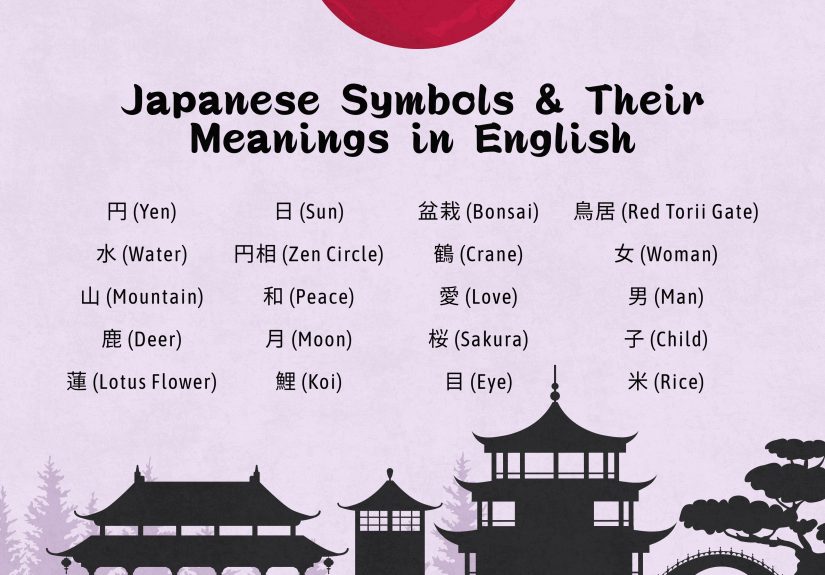
Japan has a talent for turning ordinary things into extraordinary symbols. A gate is not just a gate. A flower is not just a flower. A fish is not just a fish with a dramatic flair for swimming upstream like it is auditioning for an inspirational sports movie. In Japanese culture, symbols carry layers of meaning shaped by religion, history, art, nature, and everyday life. That is why learning common Japanese symbols and their meanings is not just useful for travelers, students, and anime fans. It is also one of the fastest ways to understand how Japan tells stories without using many words.
From shrine gates and lucky cats to cherry blossoms and cranes, Japanese cultural symbols appear on clothing, architecture, ceramics, stationery, family crests, tattoos, packaging, and seasonal decorations. Some come from Shinto traditions, some from Buddhism, some from imperial history, and some from the long-standing habit humans have of looking at nature and deciding, “Yes, that flower definitely means something deep.” The result is a rich symbolic language that still feels alive in modern Japan.
In this guide, we will explore some of the most common Japanese symbols, what they represent, and why they remain so powerful today. Whether you want to understand Japanese art, choose a meaningful design, or simply stop guessing what that lucky cat in the restaurant window is trying to tell you, this article will help.
Why Japanese Symbols Matter
Japanese symbols matter because they connect visual beauty with cultural memory. Many of them are simple enough to recognize instantly, yet rich enough to mean different things depending on the setting. A sakura flower on a postcard may suggest spring and romance. The same flower in poetry may hint at the fleeting nature of life. A crane on a wedding kimono can symbolize fidelity and good fortune, while a folded paper crane may express hope, healing, or a heartfelt wish.
This layered meaning is one reason Japanese symbols are so widely admired. They are elegant, but they are rarely empty decoration. They tell you something about season, emotion, luck, spirituality, social identity, or the balance between beauty and impermanence. In SEO terms, people often search for “Japanese symbols meaning,” “traditional Japanese symbols,” or “common Japanese symbols and their meanings” because they want more than a dictionary definition. They want context. And context is where these symbols become truly fascinating.
Common Japanese Symbols and Their Meanings
1. Torii Gate: The Border Between Ordinary and Sacred
The torii is one of the most recognizable Japanese symbols in the world. It is the traditional gate found at the entrance to a Shinto shrine, and its meaning is both simple and profound: it marks the transition from the everyday world into a sacred space. Once you pass beneath it, you are symbolically entering an area where the divine may be present.
Torii gates are often painted vermilion, a color associated with protection and purification. Some stand quietly in forests, while others appear dramatically in water or at the base of a mountain. Their visual impact is powerful because the form is so minimal. Two upright posts, two crossbars, and suddenly the landscape feels charged with spiritual meaning. That is great design, honestly. Architects spend years trying to achieve what a torii does in one calm, confident silhouette.
In Japanese symbolism, the torii represents reverence, purification, spiritual awareness, and the idea that place matters. It reminds people to slow down, observe etiquette, and recognize that some spaces are meant for reflection rather than rush.
2. Sakura: Beauty, Spring, and the Fleeting Nature of Life
Sakura, or cherry blossoms, are among the most beloved symbols in Japan. They bloom spectacularly and then fall quickly, which is exactly why they carry such emotional weight. Sakura symbolize beauty, renewal, and the fragile impermanence of life. In Japanese aesthetics, this connects closely to the idea of mono no aware, the gentle sadness and appreciation that come from knowing beautiful things do not last forever.
Every spring, people gather for hanami, or flower viewing, to enjoy the blossoms with friends, family, and enough picnic food to impress a small village. The custom is joyful, but the symbolism is reflective too. Sakura invite people to appreciate the present moment because it is brief, and that lesson never really goes out of style.
In art, fashion, and design, cherry blossoms often suggest grace, youth, femininity, and seasonal change. In a broader sense, they represent the emotional richness of temporary beauty. Few flowers have done more with less time on the calendar.
3. Tsuru, the Crane: Longevity, Loyalty, and Good Fortune
The crane, known as tsuru in Japanese, is a classic symbol of long life, good luck, and loyalty. In folklore and decorative arts, cranes are often associated with elegance and enduring happiness. They are especially common in wedding imagery because they can symbolize faithful partnership and harmony.
The crane also appears in the tradition of folding one thousand paper cranes, or senbazuru. These are often made as a wish for peace, health, recovery, or hope. Because of this, the crane has become one of the most meaningful Japanese symbols in both traditional and modern contexts.
Its popularity makes sense. Cranes look like they know secrets. They move with grace, carry an air of dignity, and somehow manage to appear calm even while standing on one leg. Symbolically, they embody longevity, peace, and the aspiration for a life lived with beauty and balance.
4. Koi Fish: Perseverance, Courage, and Ambition
The koi is more than a pretty pond celebrity. In Japanese symbolism, koi fish represent perseverance, determination, courage, and the strength to overcome obstacles. This meaning is tied to stories of carp swimming upstream against strong currents, making the koi a symbol of effort and achievement.
Because of this association, koi motifs appear in art, tattoos, textiles, and children’s celebrations. During Children’s Day, carp-shaped streamers called koinobori are flown to express hopes that children will grow up strong, brave, and resilient.
Koi symbolism is especially popular because it feels motivational without being cheesy. The fish is beautiful, but it is not passive. It represents movement, grit, and transformation. When people search for Japanese symbols for strength or perseverance, koi almost always swims to the top of the list.
5. Daruma Doll: Persistence and Goal Setting
The daruma doll is one of Japan’s most distinctive lucky symbols. Based loosely on Bodhidharma, a figure associated with Zen Buddhism, the round daruma has a serious face, bold eyebrows, and blank white eyes when first purchased. Traditionally, a person colors in one eye while setting a goal, then fills in the second eye once that goal is achieved.
This makes the daruma a symbol of perseverance, discipline, and focused intention. It is also linked to the phrase nanakorobi yaoki, often translated as “fall seven times, stand up eight.” If the daruma had a personal brand, that would absolutely be its slogan.
Daruma dolls are common gifts for students, entrepreneurs, and anyone starting a major project. Their meaning is practical as well as spiritual: keep going, stay committed, and do not let setbacks write the final chapter. Among common Japanese symbols, daruma may be the clearest visual reminder that hope is not just a feeling. It is a habit.
6. Maneki-neko: The Beckoning Cat of Good Fortune
The maneki-neko, or “beckoning cat,” is one of the most famous Japanese lucky charms. Usually displayed with one paw raised, it is believed to invite prosperity, customers, or good fortune. You will often see maneki-neko in shops, restaurants, and business entrances, cheerfully doing its best work as a tiny fur-covered marketing department.
Different versions may carry slightly different meanings. A raised right paw is often linked with money and luck, while a raised left paw may be said to attract people or customers. Colors can also vary in meaning. White often suggests purity or happiness, gold can suggest wealth, and black is sometimes associated with protection.
What makes the maneki-neko symbol so appealing is that it blends playfulness with optimism. It is cute, recognizable, and culturally rich without being intimidating. In Japanese symbolism, it represents prosperity, welcome, and the hope that good things will walk through the door and not just send a polite email.
7. Chrysanthemum: Nobility, Longevity, and Imperial Tradition
The chrysanthemum, or kiku, is an important flower in Japan with long-standing associations with nobility, longevity, and refinement. It is especially significant because a stylized chrysanthemum has been used as an emblem of the Japanese imperial household. For that reason, the flower can carry a more formal and dignified meaning than blossoms such as sakura.
At the same time, chrysanthemums also appear in seasonal festivals, gardens, and decorative arts. Their many petals and balanced form make them visually striking, while their autumn blooming season gives them a connection to maturity, endurance, and beauty that arrives with calm rather than drama.
As a Japanese symbol, the chrysanthemum suggests longevity, order, elegance, and high status. It has a quiet authority to it. Sakura may steal the spring headlines, but chrysanthemum enters later with the energy of someone who does not need to be loud to be important.
8. Mount Fuji: Endurance, Identity, and Spiritual Inspiration
Mount Fuji is not only Japan’s highest mountain. It is also one of the nation’s most powerful cultural symbols. Its nearly symmetrical cone appears in woodblock prints, paintings, travel imagery, and modern branding because it represents beauty, stability, and national identity.
Fuji has also carried spiritual significance for centuries. It has been a place of pilgrimage, artistic inspiration, and contemplation. Because of its prominence in the landscape and in the imagination, it often symbolizes endurance, aspiration, and the meeting point between the natural world and the sacred.
When used in visual culture, Mount Fuji can express pride, serenity, and a sense of timeless Japan. It is one of those rare symbols that feels both personal and collective. One person sees a mountain. Another sees home, memory, discipline, and wonder.
9. Seigaiha Wave Pattern: Peace, Resilience, and Endless Good Fortune
The seigaiha pattern consists of layered blue waves arranged in neat, repeating arcs. It is one of the most common traditional Japanese motifs used in textiles, ceramics, paper goods, and clothing. Although geometric, it evokes the ocean in a calm and rhythmic way.
Its meaning usually centers on peace, resilience, continuity, and the wish for a tranquil life that stretches outward like gentle waves. Because the pattern repeats endlessly, it can also suggest lasting good fortune and the steady flow of life.
Seigaiha is a perfect example of how Japanese symbols often work. The image is simple, but the feeling is deep. It captures motion without chaos and beauty without clutter. If minimalism ever needed a mascot, this pattern would be a strong candidate.
How to Understand Japanese Symbols More Accurately
One important thing to remember is that Japanese symbols are not frozen in one definition forever. Meaning can change with context. A crane on a wedding gift, a crane in an origami display, and a crane in a historical textile may all carry overlapping but slightly different messages. The same is true for sakura, torii, or koi.
It is also wise to avoid treating every Japanese motif as mystical or secret. Sometimes a design is symbolic. Sometimes it is seasonal. Sometimes it is simply beautiful. Culture is rarely a one-line translation exercise. The best approach is to learn the common meanings, then pay attention to where the symbol appears and how it is used.
This is especially helpful for anyone interested in Japanese tattoo ideas, home decor, fashion, or branding. Knowing the traditional meanings of Japanese symbols can help you choose imagery that feels respectful, informed, and emotionally appropriate rather than random.
Why These Symbols Still Matter Today
The reason these common Japanese symbols still resonate is simple: they speak to universal human experiences. People everywhere understand hope, impermanence, ambition, gratitude, reverence, and luck. Japanese culture expresses those ideas with remarkable visual clarity. A blossom falls. A fish swims upstream. A gate marks a threshold. A cat lifts a paw. Suddenly, philosophy has a face.
That is why these symbols continue to thrive in both traditional and modern life. They appear in classic art and contemporary design, in festivals and daily routines, in sacred settings and commercial spaces. They survive because they are meaningful, beautiful, and flexible enough to remain relevant in a changing world.
Experiences That Bring Japanese Symbols to Life
Reading about Japanese symbols is useful, but experiencing them in context changes everything. The first time someone walks toward a shrine and sees a torii gate rising against the sky, the symbol stops being an abstract definition. It becomes a feeling. There is often a subtle shift in mood as the world grows quieter, footsteps slow down, and the space ahead seems to ask for a little more respect. Even people who are not religious can feel that a boundary has been crossed, not just physically but emotionally.
The same is true during cherry blossom season. Photos of sakura are lovely, but standing beneath the blossoms while petals drift through the air gives the symbol its real power. People laugh, take pictures, share snacks, and enjoy the season, yet there is also a soft awareness that the display will not last long. That mix of joy and transience explains why sakura symbolism remains so strong. The blossoms are not merely pretty. They rehearse one of life’s biggest truths in public every spring.
Lucky symbols also become more vivid in ordinary places. A maneki-neko in a shop window can seem playful at first, almost cartoonish, until you notice how naturally it fits the space. It is not there as a joke. It expresses hospitality, good wishes, and the hope that business will flourish. In that moment, the symbol feels less like superstition and more like a visual way of saying, “You are welcome here, and may good things happen.”
Daruma dolls create a different kind of experience because they invite participation. Writing down a goal is one thing. Coloring in one eye of a daruma and placing it where you will see it every day is another. The object becomes a small witness to your effort. It is a quiet accountability partner with a stern expression and surprisingly strong motivational energy. When the second eye is finally filled in, the symbol records not just a wish but a completed journey.
Koi, cranes, wave patterns, and Mount Fuji often work similarly. Their meanings deepen when encountered in motion, ritual, or place rather than in isolation. A koi pond is calming because the fish embody persistence without panic. A paper crane given with sincerity feels intimate because it carries patience and hope. A seigaiha pattern on cloth or pottery can make an everyday object feel steady and serene. An image of Mount Fuji can trigger admiration even for people who have never visited Japan, because the mountain has become shorthand for endurance, beauty, and inner stillness.
That is the real magic of common Japanese symbols and their meanings. They are not just things to memorize for a quiz or sprinkle into a design because they look cool. They are visual containers for experience. They gather memory, ritual, feeling, and cultural wisdom into forms simple enough to recognize at a glance. Once you understand them, you begin to see Japanese art and daily life differently. And after that, it is hard to look at a blossom, a gate, a fish, or even a waving cat in quite the same way again.