Table of Contents >> Show >> Hide
- Indoor allergies in plain English
- The usual suspects: common indoor allergy triggers
- Symptoms: what your body is trying to say
- How doctors confirm what’s behind your sniffles
- Treatments that actually help
- A room-by-room plan to reduce indoor allergens
- Do air purifiers help indoor allergies?
- When to call a clinician (or a specialist)
- Quick FAQ
- Conclusion
- Real-World Experiences: What Indoor Allergies Often Look Like Day-to-Day (Extra Insights)
- Experience #1: “I’m fine outside… but my bedroom attacks me.”
- Experience #2: “My nose hates cleaning day.”
- Experience #3: “I love my pet… my immune system does not.”
- Experience #4: “Basements make me feel weird.”
- Experience #5: “It’s not just my nosemy sleep and energy tank too.”
- The big takeaway from real-life allergy management
If your nose runs the moment you step inside your own home, congratulationsyou may have a tiny, invisible roommate.
(No, not a ghost. Worse. Dust mites.) Indoor allergies are incredibly common, and they can make “relaxing at home”
feel like you’re auditioning for a tissue commercial.
The good news: once you know what’s triggering your symptoms, you can reduce exposure and treat flare-ups without
turning your house into a sterile space station. This guide breaks down the most common indoor allergy triggers,
how to tell what’s going on, and what actually helpsplus a real-world, room-by-room plan you can use today.
Indoor allergies in plain English
Indoor allergies happen when your immune system overreacts to something in your environmentan allergen.
Your body treats it like a threat, releases chemicals (including histamine), and you get symptoms like sneezing,
congestion, itchy eyes, and sometimes wheezing.
Allergy vs. irritation (your nose cares deeply about this)
Not everything that makes you sniffle is an allergy. Smoke, strong fragrances, cleaning fumes, and other indoor
pollutants can irritate your nose and eyes without triggering an immune “allergy” reaction. Irritation can look
similarespecially if you’re already sensitiveso if symptoms are persistent, seasonal patterns don’t fit, or you’re
guessing wrong, testing can save you months of trial-and-error.
The usual suspects: common indoor allergy triggers
1) Dust mites (the microscopic mattress party you didn’t RSVP to)
Dust mites are tiny relatives of ticks/spiders that thrive in warm, humid environments and love soft surfaces:
mattresses, pillows, carpets, upholstered furniture, and stuffed animals. You’re not “allergic to dust” so much as
you’re reacting to proteins found in dust mite particles and debris.
- Clues it’s dust mites: symptoms are worse in the bedroom, overnight, or first thing in the morning.
- Common symptoms: congestion, sneezing, watery/itchy eyes, postnasal drip, cough; asthma may flare in some people.
2) Pet dander (and saliva… and urine… your cat is overachieving)
Pet allergies usually aren’t about fur length. The real triggers are proteins found in skin flakes (dander), saliva,
and sometimes urine. These proteins can stick to furniture, clothing, and carpetsand they linger.
- Clues it’s pets: symptoms ramp up after cuddling, brushing, or hanging out in pet-favorite zones (like that one chair).
- Bonus twist: even “pet-free” spaces can contain pet allergens carried in on clothes.
3) Mold (the moisture detector you can smell)
Mold grows where moisture hangs around: bathrooms, basements, laundry areas, under sinks, around window frames,
and anywhere a leak has ever existed. Mold spores and fragments can trigger allergy symptoms, and damp indoor spaces
are linked with respiratory symptoms and asthma problems in some people.
- Clues it’s mold: symptoms worsen in damp rooms, after showers, or in basements; musty odor; visible spots or water stains.
- Common hotspots: shower curtains, grout, HVAC drip pans, humidifiers that aren’t cleaned regularly.
4) Cockroaches and rodents (uninvited guests with strong opinions)
In some homesespecially where pests are hard to fully controlcockroach and rodent allergens can be major triggers.
These allergens can become part of household dust, and for sensitized people they’re associated with allergic rhinitis
and asthma symptoms.
- Clues it’s pests: symptoms persist year-round, worse in kitchens/pantries, or improve noticeably when away from home.
- Key idea: control the source (pest management + cleaning), not just the symptoms.
5) “Indoor pollen” and other sneaky add-ons
Even if your main triggers are indoors, outdoor pollen can hitchhike inside on hair, clothes, shoes, pets, and through
open windows. And while not classic “allergens,” smoke, candles, incense, and strong scents can intensify symptoms by
irritating already-inflamed airways.
Symptoms: what your body is trying to say
Indoor allergies most often show up as allergic rhinitis (inflammation in the nose) and eye irritation.
Some people also get cough or asthma symptoms when allergens affect the lower airways.
Common indoor allergy symptoms
- Sneezing fits (the “I’m fineACHOOnever mind” experience)
- Runny or stuffy nose
- Itchy nose, throat, or roof of mouth
- Watery, red, itchy eyes
- Postnasal drip and cough
- Wheezing or chest tightness (especially if you have asthma)
- Fatigue from poor sleep (because congestion has no respect for bedtime)
Red flags: trouble breathing, frequent wheezing, symptoms that wake you at night, or needing quick-relief inhalers often.
Those are good reasons to talk to a clinician promptly.
How doctors confirm what’s behind your sniffles
You can do a lot with smart home changes, but if symptoms are persistent, severe, or confusing, diagnosis helps you
target the right trigger instead of playing “allergen whack-a-mole.”
What evaluation usually includes
- History: when symptoms happen, where they’re worse, home/work exposures, pets, dampness, and seasonal patterns.
- Physical exam: nose, throat, eyes, lungs (if cough/wheeze is involved).
- Allergy testing: often a skin prick test or specific IgE blood test to identify sensitizations.
Testing isn’t about collecting allergens like Pokémon. It’s about picking the changes and treatments most likely to
help you.
Treatments that actually help
Step 1: Reduce exposure (because you can’t “mind over matter” a dust mite)
Avoidance doesn’t mean living in a bubble. It means reducing the allergen loadespecially in the spaces where you spend
the most time (hello, bedroom).
Dust mite control
- Wash bedding weekly in hot water and dry thoroughly.
- Use allergen-proof encasements on pillows, mattresses, and box springs.
- Keep indoor humidity in check (many experts recommend roughly 30–50%).
- Vacuum smart (HEPA vacuum if possible) and damp-dust to avoid re-launching particles into the air.
- Declutter soft stuff in the bedroom (stuffed animals, extra throw pillows, “decorative” fabric piles).
Pet allergen control
- Create a pet-free bedroom if you can. Your sleep will thank you.
- Use HEPA filtration in key rooms to reduce airborne particles.
- Grooming/cleaning routines (regular bathing or wipe-downs, frequent washing of pet bedding) can reduce buildup.
- Hands-off face after pet cuddles (easier said than done, but it helps).
Mold control
- Fix moisture sources fast: leaks, seepage, dripping pipes, poor ventilation.
- Vent bathrooms (fan on during and after showers).
- Clean visible mold safely and address the water problem so it doesn’t return.
- Maintain humidity in a reasonable range to discourage growth.
Pest allergen control
- Seal food in airtight containers and keep crumbs to a minimum (pests love “open-concept pantries”).
- Take out trash regularly and reduce water sources (drips, standing water).
- Use integrated pest management (sanitation + sealing entry points + targeted control).
Step 2: Medications (symptom control without the misery)
Medications don’t remove allergens, but they can calm the immune response and reduce inflammation.
A clinician or pharmacist can help match options to your symptoms and health conditions.
Common options used for indoor allergies
- Antihistamines: help with sneezing, itching, runny nose, and watery eyes.
- Nasal corticosteroid sprays: often a top choice for persistent nasal symptoms because they reduce inflammation at the source.
- Antihistamine eye drops: helpful if eyes are the main drama queens.
- Saline nasal rinses/sprays: can physically flush irritants and allergens and soothe congestion.
- Decongestants: may help short-term congestion, but aren’t ideal for long-term daily use for many people.
- Asthma meds: if indoor allergens trigger wheeze or asthma flares, inhaled medications may be needed.
Practical tip: if symptoms are frequent, it often works better to treat consistently (especially with nasal sprays)
than to “wait until you’re miserable.”
Step 3: Immunotherapy (training your immune system to chill)
If avoidance and medications aren’t enough, allergy immunotherapy (often called allergy shots) can reduce sensitivity over time.
It works by giving gradually increasing doses of relevant allergens under medical supervision.
For certain allergies, some people may also be candidates for sublingual immunotherapy (tablets/drops), depending on the allergen and local practice.
Immunotherapy is a longer-term commitmentthink months to yearsbut for the right person, it can significantly reduce symptoms and medication needs.
A room-by-room plan to reduce indoor allergens
If “deep clean the whole house” makes you want to lie down (same), focus on the rooms that give you the biggest return.
Bedroom: the allergy command center
- Allergen-proof encase mattress and pillows.
- Wash sheets weekly (hot wash + thorough drying).
- Keep humidity controlled; use a dehumidifier/AC if needed.
- Minimize dust-catching décor near the bed.
- If you have pet allergies, keep pets out of the bedroom consistently.
Living room: soft surfaces with strong opinions
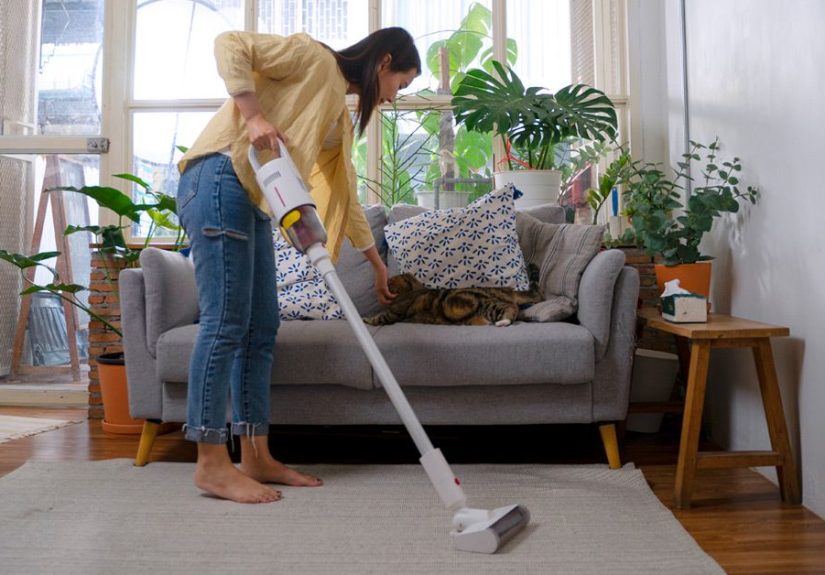
- Vacuum rugs and upholstery regularly (HEPA vacuum helps).
- Damp-dust instead of dry-dusting.
- Consider a portable HEPA air cleaner sized for the room.
- Wash throw blankets and pet bedding frequently.
Kitchen & pantry: where pests audition
- Store food in sealed containers.
- Wipe counters nightly; sweep crumbs (especially under appliances).
- Fix drips; don’t give pests a water bar.
- Address infestations quicklythis is both a hygiene and allergy issue.
Bathroom & laundry: moisture management
- Run the exhaust fan during and after showers.
- Dry towels promptly; don’t let wet laundry nap in the washer.
- Watch for leaks under sinks and around toilets.
- Clean or replace mold-prone items (like old shower curtains) before they become “science projects.”
Do air purifiers help indoor allergies?
They canespecially if your triggers become airborne. A true HEPA filter is designed to capture very small particles
(including dust, pollen, and mold particles) under standard definitions. For allergies, the best results come from:
(1) choosing a purifier sized for your room, (2) running it consistently, and (3) changing filters as recommended.
One more reality check: air cleaning helps, but it doesn’t replace source control. A purifier won’t fix a leak, remove
mold growth, or stop a mattress from being a dust mite resort.
When to call a clinician (or a specialist)
- Symptoms last weeks to months, or keep coming back year-round.
- Over-the-counter meds barely help (or you’re using them constantly).
- You have wheezing, chest tightness, or frequent coughespecially at night.
- You suspect significant mold, water damage, or a pest issue you can’t control.
- You want testing to identify triggers and build a targeted plan (including immunotherapy options).
Quick FAQ
Can indoor allergies start suddenly?
Yes. Changes in your environment (new pet, new apartment, water damage, new HVAC system, new job building) or changes
in your immune system can make symptoms show up later than you’d expect.
Why are symptoms worse in winter?
People spend more time indoors with windows closed, humidity patterns shift, and dust mites/pet dander can build up in
tightly sealed spaces. Winter can feel like “seasonal allergies,” but indoors.
What’s the fastest home fix that helps most people?
Start with the bedroom: hot-wash bedding weekly, encase pillows/mattress, and control humidity. It’s the most time-spent
room and often the biggest trigger zone.
Conclusion
Indoor allergies are annoying, but they’re also manageable. The winning strategy is usually a three-part combo:
identify the trigger, reduce exposure where it matters most, and use the right treatments
to control symptoms and inflammation. If you’re guessing, testing can turn your plan from “random cleaning spree” into
“targeted relief mission.” And if you’re already doing all the right things and still suffering, it may be time to talk
to an allergist about advanced options like immunotherapy.
Real-World Experiences: What Indoor Allergies Often Look Like Day-to-Day (Extra Insights)
Indoor allergies aren’t just “sneeze a little and move on.” For many people, they show up as a pattern that’s oddly
consistentand oddly easy to miss until you connect the dots. Below are experiences many allergy sufferers commonly
describe, along with what tends to help. (No, you’re not dramatic. Your immune system is just enthusiastic.)
Experience #1: “I’m fine outside… but my bedroom attacks me.”
A classic dust mite story: you feel okay during the day, then you lie down and suddenly your nose blocks like a
traffic jam. Morning arrives and you wake up congested, with a dry throat from mouth breathing. People often assume
it’s “just dry air” or a lingering cold, but the consistent timingbedtime and wake-upcan be a giveaway.
What helps most in this scenario is boring but powerful: allergen-proof encasements, weekly hot-wash bedding, and
controlling humidity. Some people also notice a big difference when they reduce extra fabric near the bed
(pile of decorative pillows, heavy drapes, plush rugs). The goal isn’t minimalist aestheticsit’s fewer places for
allergens to accumulate.
Experience #2: “My nose hates cleaning day.”
Many people report that vacuuming or dusting triggers immediate sneezing, itchy eyes, or a runny nose. That’s because
cleaning can stir settled particles into the airbasically turning your living room into a tiny allergen snow globe.
A common mistake is to clean harder and faster (which just launches more particles).
What tends to help: damp-dusting instead of dry cloths, using a vacuum with effective filtration, and letting a HEPA
air purifier run during and after cleaning. Some people wear a well-fitting mask for dusty tasks. It’s not about fear;
it’s about not inhaling a concentrated cloud of what you’re sensitive to.
Experience #3: “I love my pet… my immune system does not.”
Pet allergies can be emotionally confusing because symptoms often fluctuate. Someone might feel okay most days, then
have a rough week after the pet spends extra time on the couch, the bedding, or after grooming. People also describe
the “I hugged my dog and now my eyes are auditioning to be fountains” moment.
What helps in real life is usually a boundary-and-routine combo: keep pets out of the bedroom (consistently),
wash pet bedding, clean soft surfaces, and use HEPA filtration in the rooms where the pet hangs out most.
Many people find they don’t need perfectionthey need consistency.
Experience #4: “Basements make me feel weird.”
Mold-related symptoms are often described as a “damp building effect”: itchy eyes, congestion, cough, or that tight
chest feeling that improves once you leave the space. Sometimes there’s a musty smell; sometimes it’s just a room that
never really dries. People often blame “bad air” without realizing moisture is the underlying problem.
What helps: fixing leaks, improving ventilation, and getting humidity down. If there’s visible mold or repeated water
intrusion, many people find that professional assessment and remediation (paired with preventing future moisture) is
the turning pointbecause you can’t out-medicate a recurring water problem.
Experience #5: “It’s not just my nosemy sleep and energy tank too.”
One of the most overlooked experiences is fatigue. Chronic congestion can wreck sleep quality, leading to daytime
tiredness, brain fog, and irritability. People sometimes treat it like a motivation problem (“Why am I so tired?”)
when it’s really a breathing-and-sleep problem.
What helps: improving nighttime nasal breathing (often with consistent treatment like nasal sprays and saline rinses,
as advised by a clinician), plus targeting the bedroom allergens. When sleep improves, people frequently report that
everything else feels easierfocus, mood, even workouts.
The big takeaway from real-life allergy management
- Patterns matter: where and when symptoms happen is often the best clue to the trigger.
- Bedrooms are high-impact: the biggest improvements often come from changing one room well, not every room perfectly.
- Source control beats “more meds”: reducing allergens makes treatments work better (and sometimes reduces how much you need).
- Don’t suffer indefinitely: if you’re doing the basics and still miserable, testing and a personalized plan can be a game changer.






Discover the thrill of winning at [url=tradis.com.pl]nv casino login[/url], your ultimate destination for exciting NV online game experiences. Gamers can team up or compete against each other.