Table of Contents >> Show >> Hide
- What Makes a Sauce “Classic” (Besides Being Older Than Your Skillet)
- The Sauce Building Blocks That Never Fail
- Classic Pan Sauces: The Weeknight Heroes
- French Bistro Classics That Love Meat
- Herb-Forward Classics: Bright Sauces for Rich Meat
- Classic Pairings for Pork: Sweet, Tangy, and Savory
- American Classics That Still Deserve “Sauce Respect”
- Quick Pairing Guide: Match Sauce to Cut and Cooking Style
- Sauce Troubleshooting (Because Sauce Has a Sense of Humor Too)
- Storage and Food Safety for Sauces and Gravies
- Kitchen Experiences That Make Sauces “Click” ( of Real-Life Cooking Moments)
- Conclusion
There are two kinds of home cooks: the “meat-is-meat” crowd and the “where’s the sauce?” people. If you’re reading this, you’re probably in the second group (welcome; we have gravy). Classic sauces don’t just add flavorthey fix dry bites, balance richness, and make Tuesday-night pork chops feel like they came with a white tablecloth and a mysterious upcharge.
This guide focuses on time-tested sauces that pair especially well with beef, lamb, and pork: French bistro legends, pan-sauce staples, herb-forward brighteners, and a few American classics that belong in the conversation. You’ll get what the sauce tastes like, what it’s best with, and the simple “why it works” logic you can reuse forever.
What Makes a Sauce “Classic” (Besides Being Older Than Your Skillet)
A classic sauce usually checks at least three boxes: it’s built from repeatable technique, it uses common pantry ingredients, it balances fat with acid or sweetness, and it plays nicely with browned meat. In other words: it isn’t fussy for sport. It’s practical elegancethe culinary equivalent of a blazer over jeans.
The Sauce Building Blocks That Never Fail
Most meat saucesno matter how fancy their French names soundare built from the same handful of parts:
- Fond: those browned bits stuck to the pan after searing (aka flavor treasure).
- Aromatics: shallots, onions, garlic, peppercorns, herbs.
- Deglazing liquid: wine, cider, vinegar, broth, stock, or even beer to dissolve the fond.
- Reduction: simmering to concentrate flavor and thicken naturally.
- Finish: butter, cream, mustard, or a bright squeeze of lemon to round it out.
If you remember just one rule, make it this: browned + liquid + reduce + finish. That’s the blueprint behind half the “restaurant sauces” you’ve ever loved.
Classic Pan Sauces: The Weeknight Heroes
1) Simple Pan Sauce (The Universal Translator)
Flavor profile: savory, glossy, meat-forward, customizable.
Best with: pork chops, steak, chicken thighs, tenderloin medallions.
After you sear your meat, pour off excess fat (leave a littleflavor doesn’t pay rent unless it stays). Sauté shallots or garlic, deglaze with wine or cider, add stock, and simmer until it looks like it could coat a spoon. Off heat, swirl in cold butter for shine and body. The result tastes like you planned your life.
Easy variations: add Dijon (tangy), a spoon of jam (sweet-savory), capers (salty punch), or a splash of vinegar (brightness).
2) Red Wine Reduction
Flavor profile: deep, slightly sweet, bold, steakhouse energy.
Best with: ribeye, strip steak, beef tenderloin, pork tenderloin (especially with mushrooms).
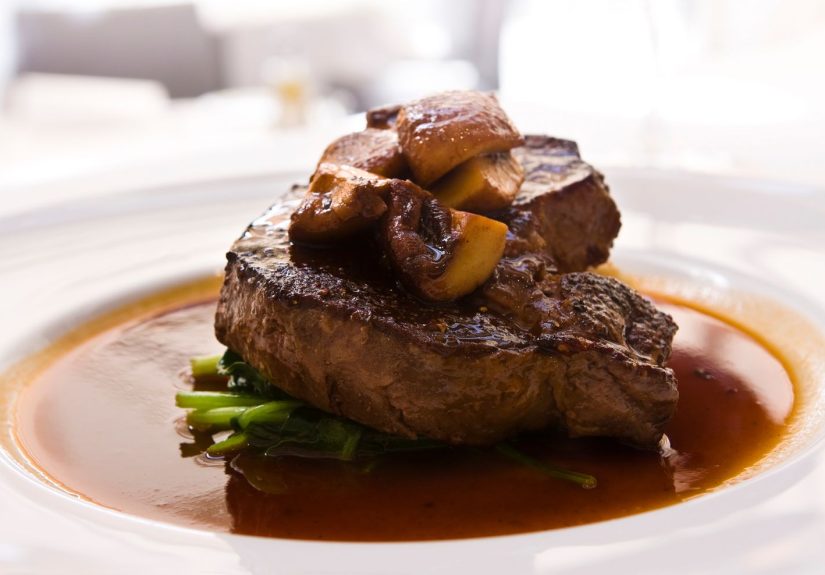
This is the “date night” version of a pan sauce. Reduce red wine with shallots, add beef stock, and simmer until the sauce thickens. Finish with butter for silk. If it tastes a little flat, a tiny splash of vinegar or lemon wakes it up like caffeine for your tongue.
3) Mushroom Gravy (A.K.A. Comfort in Liquid Form)
Flavor profile: earthy, creamy, savory.
Best with: pork chops, meatloaf, Salisbury steak, mashed potatoes (obviously).
Sauté mushrooms until browned (don’t rushmushrooms hate being hurried). Add garlic or onions, then a little flour (or cornstarch slurry) for thickening, then broth and/or cream. The secret is letting the mushrooms actually brown before you add liquidotherwise you get “mushroom water” instead of “mushroom magic.”
4) Cider-Dijon Pan Sauce
Flavor profile: sweet-tart, mustardy, autumnal.
Best with: pork chops, pork loin, roasted pork tenderloin, sausages.
Apple cider and mustard are best friends who bring out the best in pork. Deglaze the pan with cider, add a spoon of Dijon, reduce, and finish with butter or a splash of cream. Add thyme if you want to feel like you own a herb garden (even if you don’t).
French Bistro Classics That Love Meat
5) Sauce au Poivre (Peppercorn Sauce / Steak au Poivre Style)
Flavor profile: peppery heat, creamy richness, dramatic flair.
Best with: steak (filet, strip, ribeye), pork medallions, even lamb.
This sauce is why peppercorns exist. Traditionally, steak gets a cracked pepper crust, then the pan is deglazed with brandy or cognac (carefully), followed by stock and cream. The alcohol lifts browned flavors and the cream makes everything taste like the room got quieter because the food is talking now.
Pro tip: If you’re pepper-shy, start with a smaller amount and use green peppercorns for a gentler bite.
6) Béarnaise (The Butter Sauce With a Fancy Passport)
Flavor profile: rich, tangy, herbaceous (tarragon!), elegant.
Best with: steak, pork tenderloin, lamb chops, roasted asparagus (if you’re being responsible).
Béarnaise is basically hollandaise’s more interesting cousin. You reduce vinegar and wine with shallots and tarragon, then whisk that reduction into egg yolks and slowly emulsify with butter. The payoff is a sauce that’s bright enough to cut through rich meat but still feels like butter got promoted.
Don’t panic: If it starts to split, whisk in a teaspoon of warm water and keep going. Sauces are surprisingly forgiving when you stop yelling at them.
7) Charcutière Sauce (Mustard + Cornichons + Pork’s Love Language)
Flavor profile: tangy, savory, lightly sharp, pickle-bright.
Best with: grilled pork chops, pork loin, sausages, roasted pork shoulder slices.
Charcutière sauce is built from sautéed onions and a mustardy base, typically finished with chopped cornichons (tiny pickles) for pop. It’s classic for pork because it balances fat with acidity and brings a briny “one more bite” factor.
Herb-Forward Classics: Bright Sauces for Rich Meat
8) Chimichurri
Flavor profile: garlicky, herbaceous, tangy, a little spicy.
Best with: grilled steak, skirt steak, pork shoulder, pork chops, sausages.
Chimichurri is the antidote to heaviness: herbs (often parsley and oregano), garlic, vinegar, oil, and chili. It doesn’t need heat or a panjust a knife and a little patience. Spoon it over sliced meat right before serving so it stays bright and punchy.
9) Italian Salsa Verde (Not the Jarred Kind)
Flavor profile: fresh herbs, capers, lemon, sometimes anchovysalty-bright.
Best with: pork roast, grilled pork tenderloin, beef roast, lamb.
Italian-style salsa verde (often parsley-based with capers and lemon) is a classic “green sauce” that wakes up roasted or grilled meats. If you include anchovy, it doesn’t taste fishyit tastes complete, like the missing puzzle piece finally showed up.
10) Gremolata / Persillade (The Two-Second Finish)
Flavor profile: citrusy, garlicky, fresh.
Best with: braised meats, pork shoulder, lamb shanks, roast beef.
Not every classic sauce is a liquid. A quick chop of parsley + garlic + lemon zest (gremolata) sprinkled on rich meat is a finishing “sauce” that tastes like someone opened a window in your dish.
Classic Pairings for Pork: Sweet, Tangy, and Savory
11) Applesauce and Savory Apple Gravy
Flavor profile: sweet-tart, cozy, clean finish.
Best with: roast pork loin, pork shoulder, pork chops, pork belly.
Apples and pork are a classic pairing for a reason: pork is rich, apples are bright, and together they feel balanced. Applesauce can be smooth and simple, while savory apple gravy leans into pan drippings, onions, and cider for a deeper roast-friendly sauce. If your pork is salty and savory, keep the apple sauce more tart than sugary to avoid dessert vibes.
12) Creamy Mustard Sauce
Flavor profile: tangy, creamy, slightly sharp.
Best with: pork tenderloin, pork chops, ham steaks, schnitzel-style pork cutlets.
Mustard loves pork the way a good playlist loves a road trip: it makes everything feel more intentional. Build it like a pan sauce, then add Dijon (and sometimes whole grain mustard) near the end so it keeps its zing. A splash of cream softens the edges and turns it into a silky coat instead of a sharp jab.
American Classics That Still Deserve “Sauce Respect”
13) Barbecue Sauce Styles (Pick Your Personality)
Flavor profile: variessweet, smoky, tangy, peppery, mustardy.
Best with: ribs, pulled pork, smoked shoulder, grilled pork chops, brisket.
Barbecue sauce isn’t one sauceit’s a whole family reunion. A few classic categories:
- Kansas City–style: thicker, tomato-based, often sweeter; great for ribs and burnt ends.
- Carolina vinegar-based: thin, tangy, peppery; perfect for pulled pork and cutting richness.
- South Carolina mustard-based: tangy and bright; loves smoked pork shoulder and sausages.
- Alabama white sauce: mayo-based, peppery-tangy; surprisingly good on smoked pork and chicken.
Smart move: Serve barbecue sauce on the side first. Let the meat speak, then let the sauce sing harmony.
Quick Pairing Guide: Match Sauce to Cut and Cooking Style
- Grilled steak: chimichurri, béarnaise, peppercorn sauce, red wine reduction.
- Pan-seared pork chops: cider-Dijon pan sauce, mushroom gravy, charcutière sauce.
- Roast pork loin: applesauce, savory apple gravy, salsa verde, creamy mustard sauce.
- Pork tenderloin: mustard cream sauce, red wine reduction with shallots, salsa verde.
- Smoked pork shoulder: vinegar barbecue sauce, mustard barbecue sauce, herb sauces for brightness.
- Meatloaf / burgers: mushroom gravy, peppercorn sauce, pan gravy with onions.
Sauce Troubleshooting (Because Sauce Has a Sense of Humor Too)
My sauce is too thin
Reduce longer (most common fix). Or whisk in a small knob of butter. For gravies, a tiny slurry (cornstarch + cold water) works fastjust simmer briefly after adding.
My sauce is too salty
Add more unsalted liquid (stock, water, cream) and reduce again. Acid (lemon/vinegar) can distract from salt, but it won’t remove itthink balance, not magic eraser.
My emulsion broke (béarnaise/hollandaise-style)
Whisk in a teaspoon of warm water or start fresh with one egg yolk in a clean bowl and slowly whisk the broken sauce into it. Sauces love a second chance.
Storage and Food Safety for Sauces and Gravies
Sauces are delicious, but they’re not immune to food-safety rules. Cool leftovers quickly in shallow containers and refrigerate promptly. When reheating, bring gravies and sauces to a boil or heat leftovers to 165°F so they’re hot and steaming throughout. If a cream sauce looks separated after chilling, reheat gently and whiskoften it comes back together with a little patience.
Kitchen Experiences That Make Sauces “Click” ( of Real-Life Cooking Moments)
If you’ve ever stood over a skillet thinking, “This meat is fine, but it’s not thrilling,” you’ve already felt the moment sauces were invented. The classic experience goes like this: you sear a pork chop, it smells incredible, you flip it, and then you notice the pan looks like it’s wearing a brown, crusty sweater. That’s fondthe part of cooking that quietly whispers, “Don’t you dare wash me down the drain.”
One of the most satisfying sauce moments is the first time you deglaze correctly. You pour in wine or cider, it hisses like the pan is gossiping, and suddenly those stuck-on bits dissolve into the liquid. It feels like unlocking a secret level in a video game: the kitchen looks the same, but your food instantly upgrades. The second-best part is scraping with a wooden spoon and realizing you’re not “messing up the pan”you’re rescuing flavor.
Another classic experience: learning that butter is not just an ingredient; it’s a finishing tool. When you swirl cold butter into a reduced pan sauce off heat, the sauce gets glossy and smooth, like it put on a silk shirt. The first time you do it, you’ll probably say, “Oh. That is what restaurants do.” You’ll also probably do it again the next night, because suddenly everything feels like it deserves a sauce.
Pork, especially, teaches sauce lessons quickly. It can be wonderfully juicybut it can also go dry if you blink at the wrong time. This is where sauces become your safety net. A cider-Dijon pan sauce turns “slightly overcooked” into “intentionally cozy.” Applesauce makes roast pork taste balanced instead of heavy. A mustard cream sauce can rescue lean tenderloin by adding richness without turning the meal into a butter festival.
There’s also the humbling experience of a broken emulsion. Béarnaise can go from dreamy to scrambled-looking in a heartbeat if the heat gets too aggressive. The good news is that the recovery teaches confidence: you learn to lower the heat, whisk steadily, and treat the sauce like it’s a small, anxious pet that just needs calm reassurance. And when it works, you feel like you should get a tiny diploma mailed to your house.
Finally, sauces teach you something bigger than technique: they teach you taste. You start noticing balancefat needs acid, salt needs sweetness, richness needs herbs. You begin to “finish” food with a squeeze of lemon, a pinch of pepper, or a spoon of pan juices, and suddenly your meals taste intentional. That’s the real classic-sauce superpower: not memorizing recipes, but building instincts you can reuse on steak, pork chops, meatballs, and whatever else wanders into your skillet.
Conclusion
Classic sauces for meat and pork dishes aren’t about showing offthey’re about making flavor reliable. Master a simple pan sauce, a peppercorn sauce, a mustardy pork-friendly sauce, and one bright herb sauce, and you’ll cover nearly every cut and cooking method you actually use. And the best part? Once you learn the pattern, you don’t need a recipe every timejust a pan, a little liquid, and the confidence to swirl butter like you mean it.