Table of Contents >> Show >> Hide
- Quick refresher: what is celiac disease?
- Quick refresher: what is shingles?
- So… are celiac disease and shingles connected?
- Possible “why” behind the connection
- Does going gluten-free reduce shingles risk?
- Symptoms checklist: when shingles is likely (and when you should move fast)
- Vaccines: what people with celiac should know about Shingrix
- How to lower shingles risk if you have celiac disease
- Frequently asked questions
- Conclusion: the connection is plausible, but the prevention is practical
- Real-world experiences: what “celiac + shingles” can feel like (and what people wish they’d known)
If you have celiac disease, you already know your immune system has opinions. Strong ones. About gluten. Shingles, meanwhile, is what happens when a virus you met at childhood (chickenpox) shows up decades later like, “Hey bestie, remember me?”except it arrives with nerve pain and zero social skills.
So here’s the natural question: are celiac disease and shingles connected, or is this just your body collecting medical plot twists like they’re limited-edition trading cards? Let’s dig into what research and major U.S. medical sources suggest, what the link might be (if any), and how to lower your risk without turning your life into a full-time supplement commercial.
Quick refresher: what is celiac disease?
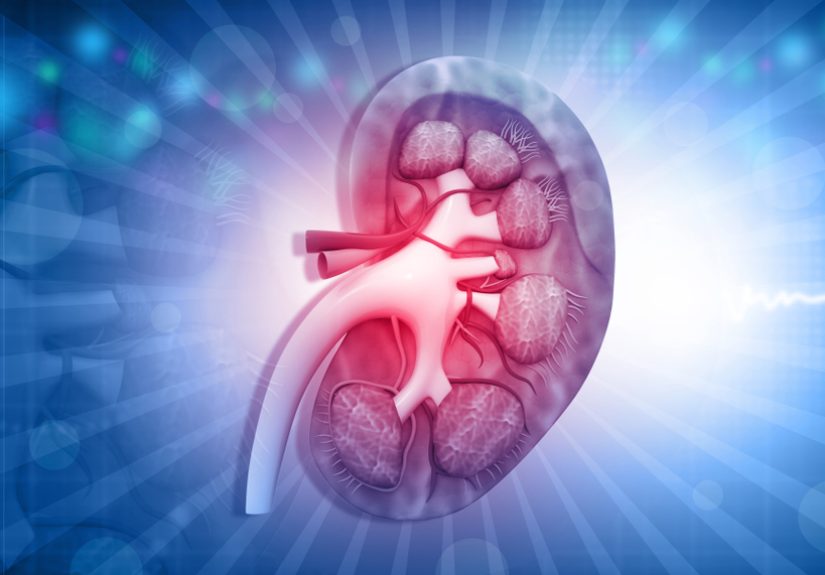
Celiac disease is a chronic immune condition where eating gluten (found in wheat, barley, and rye) triggers an immune reaction that damages the lining of the small intestine. Over time, that damage can reduce your ability to absorb nutrientsthink of it as your gut’s version of turning off the lights and pretending nobody’s home.
Celiac can show up with obvious GI symptoms (diarrhea, bloating, abdominal pain), subtle symptoms (fatigue, anemia), or weird “why is my body doing this?” symptoms like rashes, mouth ulcers, or bone issues. The only proven treatment is a strict gluten-free diet“strict” meaning crumbs count, and yes, your cutting board can betray you.
Quick refresher: what is shingles?
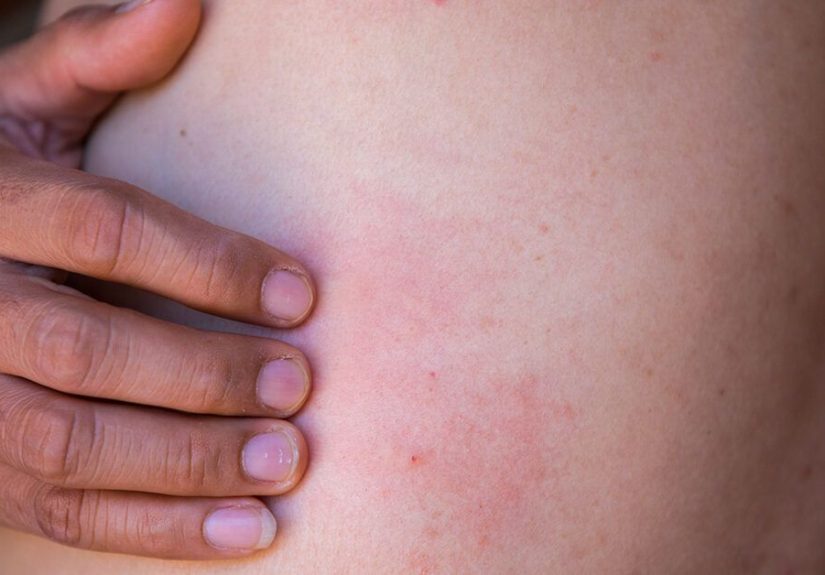
Shingles (aka herpes zoster) happens when the varicella-zoster virus (VZV)the same one that causes chickenpoxreactivates later in life. Instead of another round of chickenpox, you usually get a painful, blistering rash that often appears in a stripe on one side of the body. It can also affect the face or eye, which is a “call a clinician now” situation, not a “let’s see if it passes” situation.
The most notorious complication is postherpetic neuralgia (PHN)nerve pain that can linger after the rash clears. Shingles is common enough that it’s not rare, but it’s also not something you want to casually invite to brunch. Prevention (hello, vaccines) and early treatment matter.
So… are celiac disease and shingles connected?
The honest, evidence-based answer is: there may be a modest connection, but it’s not a dramatic, guaranteed, “if you have celiac you’ll get shingles” kind of link.
Several studies have explored whether people with celiac disease have a higher risk of shingles compared with people without celiac disease. A large European registry study has reported an increased risk, while more recent analyses suggest the increase may be modest and more noticeable in older adults. In plain English: celiac might slightly nudge the odds, especially as age increasesbut shingles still depends heavily on the usual big drivers like aging and immune suppression.
What the research trend looks like (without the jargon headache)
- Some population studies have found higher shingles rates in people with celiac disease compared to matched controls.
- Other recent work suggests that for adults under 50, the difference may be small or not statistically meaningful, while adults 50+ with celiac may show a modestly higher risk.
- The overall theme: the absolute risk stays relatively modest, but it’s worth understanding why the link could exist.
Possible “why” behind the connection
Shingles is tied to immune controlspecifically, how well your immune system (especially T-cell immunity) keeps VZV dormant. When immune surveillance weakens, VZV takes the opportunity to re-enter the chat. So if celiac disease affects immunity in certain ways, a link becomes biologically plausible.
1) Immune system misfires and chronic inflammation
Celiac disease is an autoimmune condition. Autoimmune doesn’t mean “weak immune system” across the boardit means the immune response is misdirected and chronically activated in specific ways. That chronic activation can be associated with immune imbalance, which may affect how the body handles infections or viral reactivation in some people.
Importantly, many known shingles risk factors relate to reduced or altered cell-mediated immunity (again, T-cells are the bouncers here). Aging is the big one, but medical conditions and therapies that suppress immunity can also raise risk.
2) Nutrient deficiencies that can tag-team your immune system
Untreated or poorly controlled celiac can reduce absorption of nutrients that support normal immune function, including iron, vitamin D, B vitamins, and zinc. That doesn’t automatically cause shinglesVZV reactivation is more complex than “take a gummy and you’re invincible”but nutrient deficiency can contribute to feeling run down, and immune resilience is rarely improved by being nutritionally depleted.
Practical takeaway: if you have celiac disease, it’s smart to monitor nutrient status with your clinicianespecially if you’re newly diagnosed, symptomatic, or not fully responding to a gluten-free diet.
3) Functional hyposplenism: the spleen angle (yes, you have one)
Here’s a celiac fact that doesn’t get enough airtime: some adults with celiac develop functional hyposplenism, meaning the spleen’s immune function is reduced. The spleen helps filter pathogens and supports immune responses. Reduced spleen function is classically linked to higher risk from certain bacterial infections (notably pneumococcus), but it can also be a clue that the immune system’s “quality control department” isn’t operating at full staff.
Not everyone with celiac has hyposplenism, and shingles is not the headline complication of this issue. Still, it’s one of the mechanisms researchers discuss when exploring why certain infections appear slightly more common in celiac populations.
4) Celiac’s frequent sidekicks: other autoimmune diseases and immunosuppressive meds
People with celiac disease are more likely than average to have other autoimmune conditions (like autoimmune thyroid disease or type 1 diabetes). The conditions themselvesand especially medications used for some autoimmune diseases (such as systemic steroids, certain biologics, or other immunosuppressants)can increase shingles risk.
This matters because sometimes it’s not “celiac alone,” but celiac plus immune-modifying therapy (or another immune condition) that shifts shingles risk upward.
Does going gluten-free reduce shingles risk?
A strict gluten-free diet is essential for treating celiac disease, healing the small intestine, and improving nutrient absorption and inflammation over time. Whether it directly lowers shingles risk is less clear.
Some research suggests that even when intestinal healing is considered, shingles risk patterns don’t always change in a simple “healed gut equals no shingles” way. That doesn’t mean gluten-free isn’t helpingit almost certainly helps overall healthbut shingles depends on multiple factors, including age, stress, and immune status beyond the gut.
Think of gluten-free as the foundation: it stabilizes the building. But it doesn’t guarantee the neighborhood will never have a power outage.
Symptoms checklist: when shingles is likely (and when you should move fast)
Shingles often starts with odd sensationsburning, tingling, stabbing painbefore the rash appears. Then you may see clusters of blisters on red skin, usually in a band on one side of the torso, neck, or face.
Red flags
- Rash near the eye (risk to vision)
- Severe pain or widespread rash
- Fever or signs of infection
- Weakened immunity (from disease or medications)
Antiviral medications (like acyclovir, valacyclovir, or famciclovir) work best when started earlyideally within 72 hours of rash onset. Early treatment can shorten illness and may reduce complications like PHN. Translation: if you suspect shingles, it’s not the time for “let’s wait and see.”
Vaccines: what people with celiac should know about Shingrix
The recombinant zoster vaccine (RZV, brand name Shingrix) is the main prevention tool in the U.S. Current CDC guidance recommends two doses for:
- Adults age 50 and older
- Adults age 19 and older who are or will be immunocompromised due to disease or therapy
For most people, the second dose is given 2–6 months after the first, with some situations allowing a shorter interval. The vaccine is not a live virus vaccine, which is helpful for many immunocompromised patients (but your clinician should still personalize timing based on your situation).
Do you need Shingrix earlier just because you have celiac disease?
In general, celiac disease by itself is not currently treated as a blanket “get Shingrix early” condition in the U.S. Some specialty discussions note only a modest increased risk in people under 50 and still recommend vaccination at 50 as in the general populationunless you have additional immunocompromising factors.
The practical approach is simple: If you’re 50+, get vaccinated (unless a clinician says you shouldn’t). If you’re under 50, ask whether you have any immunocompromising conditions or treatments that qualify you earlier.
How to lower shingles risk if you have celiac disease
You can’t control everything (stress happens; life be lifing), but you can stack the odds in your favor:
1) Nail the basics of celiac management
- Strict gluten-free diet to reduce inflammation and support healing
- Follow-up care to confirm symptom improvement and address ongoing inflammation
- Nutrition checks (iron, B12, folate, vitamin D, zinc, etc.) as advised
2) Know your medication risk profile
If you take immunosuppressive therapy for another condition, shingles prevention becomes more relevant. Ask your clinician about timing Shingrix appropriatelyespecially before starting a new immune-modifying medication.
3) Don’t ignore “immune hints” like recurrent infections
If you’re getting infections frequently, or you’ve been told you have reduced spleen function, talk to your clinician. This may change how your care team thinks about vaccinations and prevention strategies.
4) Use the “early action” rule
If shingles symptoms appear, early antiviral treatment can make a real difference. The goal is not to be brave; the goal is to be less miserable.
Frequently asked questions
Can shingles cause celiac disease?
There’s no solid evidence that shingles causes celiac disease. Celiac involves genetics plus immune triggers, but shingles is typically a reactivation event rather than a new immune trigger that creates celiac from scratch.
Can celiac disease cause shingles directly?
Not directly. Shingles requires prior chickenpox infection (or varicella exposure), and reactivation usually relates to immune aging, immune suppression, or immune imbalance. Celiac may modestly influence risk in some groups, but it’s not a one-to-one cause.
If I’ve already had shingles once, can I get it again?
Yes, shingles can recur. Vaccination can still be recommended even if you’ve had shingles beforeyour clinician can advise on timing.
Conclusion: the connection is plausible, but the prevention is practical
The best way to think about it: celiac disease may be associated with a slightly higher risk of shingles, especially in older adults or in people who have additional immune stressors. The link likely involves immune regulation, nutritional status, and sometimes reduced spleen function or coexisting autoimmune conditions.
The good news is that shingles prevention isn’t mysterious. For most people with celiac disease, it looks a lot like it does for everyone else: get Shingrix at 50 (or earlier if you’re immunocompromised), manage celiac well, and act quickly if shingles symptoms appear.
Medical note: This article is educational and not medical advice. If you think you have shingles or have questions about vaccine timing, talk with a licensed clinician.
Real-world experiences: what “celiac + shingles” can feel like (and what people wish they’d known)
When people talk about living with celiac disease, the storyline often centers on foodlabel reading, restaurant scripts, and the moment you realize gluten is apparently in everything except your sense of peace. But when shingles enters the picture, the experience becomes less about “diet management” and more about “why does my skin feel like it’s auditioning for a dragon documentary?”
A common theme is misreading early symptoms. People describe the first days as a strange, localized painburning, tingling, stabbingwithout an obvious cause. If you already deal with celiac-related aches, fatigue, or “random body drama,” it’s easy to chalk it up to stress, a minor injury, or a gluten exposure. Then the rash shows up and suddenly the mystery becomes a very loud, very blistery announcement.
Another pattern people often mention is the frustration of timing. Many report thinking, “I’ll call tomorrow,” because the rash is still small or they’re busy managing work, kids, travel, or the endless calendar event known as adulthood. Later, after learning that antivirals work best early, they wish they’d treated that first wave of nerve pain as a reason to act immediately. The lesson tends to stick: with shingles, speed matters.
For those newly diagnosed with celiac, shingles can feel like an unfair bonus level. People sometimes describe a “health rebalancing phase”starting gluten-free, learning cross-contamination, getting labs checkedwhen they already feel physically depleted. If shingles appears during that period, it can amplify anxiety: “Is my immune system broken?” Clinicians often explain it more gently: the immune system is complex, and being newly diagnosed or nutritionally depleted can make you feel more vulnerable, even if celiac isn’t the sole driver.
There’s also the pain management reality. People frequently say the rash looks dramatic, but the nerve pain is what steals their sleep. That sleep loss then worsens stress, and stress makes everything feel louder. Many describe getting through it with a “layered” approach: antivirals early, pain control strategies, cool compresses, loose clothing, and the humble miracle of not letting fabric rub the rash. If PHN occurs, people often talk about needing patience and follow-up, because lingering nerve pain can affect mood and daily function.
Finally, many people with celiac look back and say the biggest missed opportunity was prevention planning. Some assumed shingles is only an “older person” thing, or they weren’t sure whether celiac changed vaccine timing. Others were eligible for Shingrix at 50 but postponed because of travel, life chaos, or fear of short-term side effects. After shingles, the perspective shifts: two brief vaccine appointments suddenly feel like a bargain.
If there’s a hopeful takeaway from these shared experiences, it’s this: people tend to feel more empowered once they understand the connection isn’t destiny. Managing celiac well, keeping up with recommended vaccines, and acting quickly at the first suspicion of shingles can significantly reduce the “how bad and how long” factor. You may not be able to control every variablebut you can absolutely stop shingles from getting the last word.