Table of Contents >> Show >> Hide
If it feels like CBD oil for pain is everywhere, you’re not imagining things. It’s in gummies, oils, bath bombs, lattes, even dog treats. Some people swear it changed their life; others say it did absolutely nothing except lighten their wallet.
So what’s the real story? Can CBD oil actually help with chronic pain, arthritis, or cancer-related symptomsor is it just very expensive snake oil with pretty packaging? Let’s walk through what CBD is, what the research really says, where the hype goes too far, and how to think about CBD safely if you’re considering it.
Quick note before we dive in: This article is for general information only and isn’t medical advice. Always talk with your healthcare provider before starting CBD, especially if you take prescription medications or have chronic health conditions.
What Exactly Is CBD Oil?
CBD, short for cannabidiol, is one of more than 100 active compounds (cannabinoids) found in the cannabis plant. Unlike THC (tetrahydrocannabinol), CBD does not cause a “high.” That’s one of the main reasons it’s become so popular for people who want possible symptom relief without feeling intoxicated.
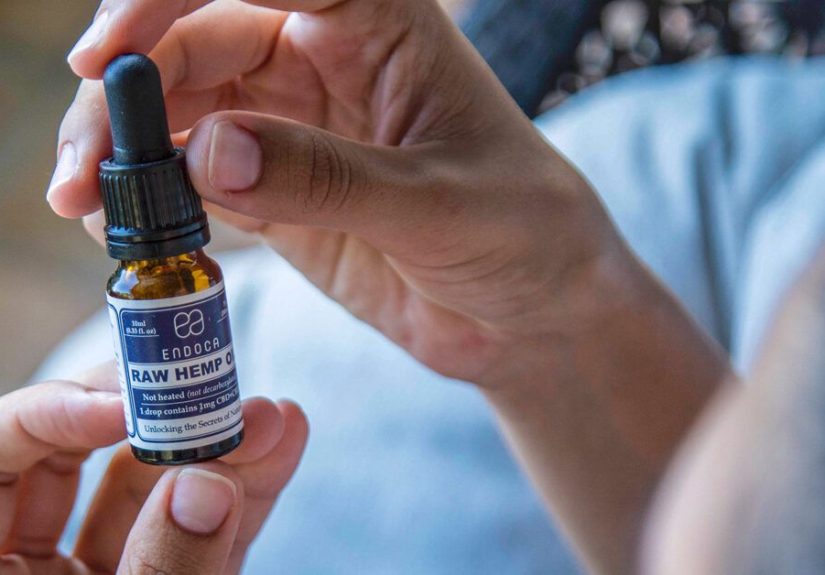
Most over-the-counter CBD oil in the U.S. is made from hemp, a cannabis plant legally defined as containing no more than 0.3% THC by dry weight. Manufacturers extract CBD from hemp and suspend it in a carrier oil (like MCT, hemp seed, or olive oil) to create “CBD oil.”
Important distinction: while CBD is widely sold as a wellness product, only one CBD-based medication, Epidiolex, is FDA-approvedand that’s specifically for certain rare seizure disorders, not for pain. That means the CBD tincture you buy online or at a wellness shop is regulated more like a supplement than a drug, and the quality can vary a lot.
How Could CBD Help With Pain?
Researchers think CBD may affect pain through several mechanisms:
- Endocannabinoid system: Your body naturally produces its own cannabinoids that help regulate pain, mood, sleep, and inflammation. CBD interacts with this system and several related receptors.
- Inflammation: Animal and cell studies suggest CBD may have anti-inflammatory and antioxidant effects, which could be relevant in conditions like arthritis and inflammatory pain.
- Neuropathic pain pathways: There’s early evidence that CBD might modulate certain nerve-signaling pathways involved in neuropathic (nerve) painone of the trickiest types of pain to treat.
So, on paper, CBD has some promising biological reasons to help with pain. But biology and real-life relief are not always the same thing. That’s where human research comes in.
What Does the Science Say About CBD Oil for Pain?
CBD and Chronic Pain in General
Studies looking at cannabis as a whole (THC plus CBD) generally suggest that medical cannabis can help some adults with chronic pain, especially neuropathic or cancer-related pain. But when you zoom in on CBD alone, the evidence gets much thinner.
Key points from recent reviews and clinical discussions:
- Small, early trials of CBDsometimes in combination with THCshow mixed but somewhat encouraging results for pain relief.
- Quality research on pure, well-characterized CBD products is still limited. Many studies are small, short-term, or rely on self-reported data.
- In 2024, pain specialists reviewing CBD products concluded that CBD appears largely well-tolerated in small trials, but big questions remain about effectiveness, ideal dosing, and long-term safety.
Bottom line so far: CBD is biologically plausible and somewhat promising, but not yet a slam-dunk pain treatment backed by large, rigorous human trials.
CBD Oil for Arthritis Pain
Arthritis is one of the most common reasons people try CBD oil. Surveys of people with osteoarthritis or rheumatoid arthritis suggest many have experimented with CBD for joint pain, stiffness, and sleep.
Here’s what we know so far:
- Animal models of arthritis show that CBD can reduce inflammation and pain in joints.
- Small human studies and patient surveys report that some people notice less pain, better sleep, and less anxiety when using CBD, while others feel no change at all.
- The Arthritis Foundation has issued cautious guidance: CBD may help some adults with arthritis-related pain, insomnia, and anxiety, but there are no large, high-quality clinical trials proving that CBD reliably improves arthritis pain. They also emphasize that CBD should never replace disease-modifying medications in inflammatory arthritis.
In other words, CBD might be one tool in a larger pain-management toolkitalongside physical therapy, exercise, weight management, and prescribed medicationsbut it’s not a proven standalone treatment for arthritis.
CBD Oil in Cancer-Related Pain and Symptoms
People living with cancer may look to CBD for several reasons: to ease pain, help with chemotherapy-related nausea, improve appetite, or reduce anxiety.
What current evidence suggests:
- Studies of cannabis products (often containing both THC and CBD) show they can help some patients with cancer-related pain, nausea, and loss of appetite when other options haven’t worked well.
- The FDA has approved synthetic cannabinoid drugs (like dronabinol and nabilone) to treat chemotherapy-induced nausea and vomitingshowing that cannabinoids can be useful in cancer care, at least in certain forms and situations.
- Recent clinical research using combined THC:CBD preparations has found improvements in chemo-related nausea and vomiting versus placebo, but side effects such as dizziness and sedation are common.
- As for CBD on its own, research is much more limited. Some cancer centers cautiously note that CBD may help with pain, sleep, and anxiety, but stress the importance of talking to your oncology team first.
What CBD does not have strong evidence for: curing cancer. While lab experiments on cells and animals show that cannabinoids can slow or kill certain cancer cells, these findings have not translated into solid evidence that CBD oil cures cancer in humans. Any “miracle cure” claims online should be treated as a major red flag.
Other Conditions: Neuropathic Pain, Fibromyalgia & More
Beyond arthritis and cancer-related pain, people use CBD oil for a range of painful conditions:
- Neuropathic pain (nerve damage, diabetic neuropathy, post-surgery nerve pain)
- Fibromyalgia
- Chronic back or neck pain
- Headaches or migraines
Some small or early-phase studies, sometimes with cannabis oils that contain both THC and CBD, suggest potential benefits in these groups. At the same time, placebo responses in pain trials are notoriously strong, and the study designs are often not robust enough to draw firm conclusions.
Right now, most experts describe CBD for these conditions as: promising, but unproven. More large, well-controlled clinical trials are still needed.
Risks, Side Effects, and Safety of CBD Oil
While CBD is often marketed as “all natural, totally safe,” that’s a stretch. Many people tolerate CBD well, but it does have potential side effects and risks.
Common Side Effects
In clinical studies and real-world use, CBD has been associated with:
- Sleepiness or fatigue
- Diarrhea or digestive upset
- Changes in appetite or weight
- Dry mouth
- Irritability or mood changes for some people
At high doseslike those used in prescription CBD for seizuresthere have also been concerns about liver enzyme elevations. That’s one reason healthcare providers often monitor liver function when patients are on high-dose CBD medications.
Drug Interactions
CBD can affect how your body processes other medications by influencing liver enzymes (especially the CYP450 system). This means CBD may change blood levels of certain drugs, including:
- Blood thinners
- Some anti-seizure medications
- Certain antidepressants and antipsychotics
- Heart medications and others
If you’re on prescription drugs, especially multiple medications, it’s crucial to talk with your doctor or pharmacist before trying CBD oil.
Quality and Labeling Problems
Another big issue: not all CBD products are what they claim to be. Investigations and lab tests have repeatedly found that many products are mislabeledsome contain far less CBD than advertised, some contain more, and some have higher-than-expected THC levels or contaminants like pesticides or heavy metals.
That’s partly because the FDA does not regulate CBD products the way it regulates prescription drugs. In fact, the agency has made it clear that it is currently illegal to market CBD as a dietary supplement or add it to foods in interstate commerce, even though such products are widely available. Enforcement, however, is uneven, which creates a “buyer beware” environment.
Is CBD Oil Legal in the U.S.?
Welcome to the fun world where the answer is “it depends.”
At the federal level:
- The 2018 Farm Bill removed hemp (cannabis with no more than 0.3% delta-9 THC) from the federal list of controlled substances. Hemp-derived CBD is therefore not a controlled substance if it meets this threshold.
- However, the FDA still says it’s illegal to market CBD as a dietary supplement or to add it to food sold across state lines.
- CBD-containing prescription drugs like Epidiolex are legal, but they’re tightly regulated and require a prescription.
At the state level, things get even more confusing. Some states are very friendly to hemp-derived CBD products; others restrict or ban certain forms, especially edible products or those that contain any measurable THC. On top of that, lawmakers are actively revisiting hemp and cannabis regulation, especially around intoxicating hemp-derived compounds, so rules may continue to shift.
Practical takeaway: before buying or traveling with CBD, it’s wise to check your state’s current laws and understand that regulations may change over the next few years.
Should You Try CBD Oil for Pain?
Here’s a balanced way to think about it if you’re curious about CBD for pain:
Who Might Consider CBD?
- Adults with chronic pain who have already tried standard treatments and lifestyle changes but still struggle with symptoms.
- People with arthritis who are looking for an add-on approach to help with pain, sleep, or anxietynot a replacement for their prescribed medications.
- Some people living with cancer who want to explore symptom relief options under the guidance of their oncology team.
Who Should Be Extra Cautious or Avoid CBD?
- People who are pregnant or breastfeeding (safety data are limited).
- Children and teens (except in very specific, physician-guided situations).
- Individuals with liver disease or significant kidney disease.
- Anyone taking multiple medications with a narrow therapeutic range (such as blood thinners or certain seizure medications).
Smart Steps If You Decide to Try CBD
If, after talking with your healthcare provider, you decide CBD is worth a cautious experiment, these strategies can help you use it more safely and realistically:
- Set realistic expectations. Think “possible modest relief,” not “magic cure.”
- Choose quality products. Look for brands that provide recent, third-party lab testing (Certificates of Analysis), clearly list CBD and THC content, and avoid wild health claims.
- Start low and go slow. Many clinicians suggest starting with a low total daily dose and gradually adjusting, but this should be tailored with professional guidance.
- Track your response. Keep a simple pain and sleep diaryrate your pain, note timing of doses, side effects, and any changes in function.
- Re-evaluate. After several weeks, ask: “Is this actually helping enough to justify the cost and effort?” If not, it may be time to move on.
Real-World Experiences With CBD Oil for Pain (500-Word Experience Section)
Clinical trials and lab data are crucial, but they don’t always capture what it’s actually like to live with pain and experiment with CBD. The stories below are fictionalized composites based on common themes people report. They’re not medical advicebut they do highlight how varied real-world experiences can be.
Case 1: Linda and Her “Grumpy Knees”
Linda is 63, with osteoarthritis in both knees and a long list of “tried it” treatments: NSAIDs, physical therapy, weight loss efforts, knee braces, and more. A friend swears by CBD oil, so Linda brings it up with her doctor. They review her medications, decide there are no major interaction red flags, and agree she can cautiously try a hemp-derived CBD oil from a reputable brand.
Linda keeps a pain diary for six weeks. Week one: nothing dramatic. By week three, she notices that while her pain isn’t gone, her evening stiffness is a bit less and she’s falling asleep faster. Her pain score goes from a 7 to a 5 on most daysstill present, but less overwhelming. Her doctor is happy she’s seeing some benefit but reminds her that CBD is an add-on, not a substitute for exercise, weight management, and her prescribed arthritis meds.
For Linda, CBD isn’t a miracle, but it’s a tool that nudges her pain and sleep in a better direction. She decides it’s worth keepingfor now.
Case 2: Marcus and Cancer-Related Pain
Marcus is 48 and undergoing treatment for colorectal cancer. Between surgery, chemo, and radiation, pain and nausea have been pretty constant guests. His oncologist has already prescribed standard pain medications and anti-nausea drugs, but Marcus is curious about CBD after reading stories online.
Instead of quietly trying products on his own, he talks to his cancer team. They explain that some cannabis-based products may help with pain and nausea, but emphasize potential drug interactions, sedation, and the lack of definitive data for CBD alone. Together, they choose a product from a medical dispensary that contains both THC and CBD, with dosing carefully adjusted and monitored.
Over time, Marcus finds that his nausea is more manageable and he’s able to eat a bit more on chemo days. His pain improves modestly, but he still needs his prescribed pain meds. He also experiences some dizziness if he takes too much, so his dose is dialed back. For Marcus, cannabinoids are part of a broader symptom-management plannot a replacement for his cancer treatment.
Case 3: Tasha and Neuropathic Pain That Didn’t Budge
Tasha, 35, has neuropathic pain in her feet after a severe viral illness. The burning, electric shocks and tingling keep her up at night. After hearing friends rave about CBD, she tries an over-the-counter CBD oilno doctor consult, no research on brands, just the first “organic full-spectrum miracle oil” she sees online.
Three months and several expensive bottles later, Tasha’s pain hasn’t changed. She feels frustrated and a little misled by marketing claims. When she finally sees a pain specialist, they explain that neuropathic pain is complex and often requires a combination of medications, physical therapy, and sometimes psychological support. CBD may help some people, but it’s not surprising that it didn’t touch her symptomsespecially at unknown doses with unknown product quality.
With a more comprehensive treatment plan, Tasha eventually finds that a combination of a prescription medication, nerve-focused physical therapy, and relaxation training reduces her pain far more than CBD ever did. She doesn’t rule out trying a better-vetted cannabinoid product later, but now she goes into any such experiment with much more realistic expectations.
What These Experiences Have in Common
These stories highlight a few themes that show up again and again:
- Responses vary wildly. Some people feel a noticeable difference; others feel nothing.
- CBD works best as part of a bigger plan. It tends to support, not replace, other pain treatments and healthy habits.
- Honest conversations with clinicians matter. People do better when they loop their healthcare team into their CBD experiments instead of going it alone.
- Quality and expectations are key. Reputable products and realistic goals make disappointment less likelywhatever the outcome.
Ultimately, CBD oil for pain sits in a middle ground: not pure hype, not a magic bullet. If you approach it with good information, medical guidance, and healthy skepticism, you’ll be in the best position to decide whether it deserves a spot in your personal toolbox.
Conclusion
So, does CBD oil work for pain? The most honest answer is: sometimes, for some people, to a modest degree. The science is still evolving, especially for CBD alone, and the product landscape is messy, with uneven quality and confusing regulations.
If you’re thinking about trying CBD oil for arthritis, cancer-related symptoms, or chronic pain, start with three principles: talk to your healthcare provider, choose products carefully, and measure results honestly. Used thoughtfully, CBD might provide a small but meaningful nudge toward less pain and better sleep. Used carelessly, it can be an expensive experiment with little payoffand, potentially, some avoidable risks.