Table of Contents >> Show >> Hide
- Why Perennials Actually Thrive in Pots
- The Big Perk: Year-Round Beauty
- But WaitNot All Perennials Are Container Friendly
- The Most Important Rule: Use the Right Container
- Soil Isn’t “Just Dirt”: Choose Wisely
- Watering Perennials in Pots: The Goldilocks Rule
- Fertilizer: Not Too Much, Not Too Little
- Winter: The Make-or-Break Season
- Repotting: Give Your Perennials Room to Grow
- Designing Beautiful Perennial Containers
- Common Mistakes to Avoid
- Final Thoughts
- Extra : Real-World Experiences With Potted Perennials
If you’ve ever walked through a garden center holding a potted lavender in one hand, a cup of lukewarm coffee in the other, and the overwhelming sense that you should know how to keep plants alive… welcome home. Many gardeners wonder whether planting perennials in pots is a brilliant idea or a slow-motion horticultural tragedy. The short answer: yes, you can absolutely grow perennials in containers. The longer answer: yes, but only if you do it right.
This guide pulls together the best practices from top U.S. gardening authoritiesBetter Homes & Gardens, The Spruce, University Extension programs, Garden Design, Southern Living, Fine Gardening, and moreto help you create beautiful, long-lasting, container-grown perennials without the heartbreak of root rot, winter kill, or plants giving you the silent treatment (a.k.a. wilting).
Why Perennials Actually Thrive in Pots
Perennials are plants that return year after year, which makes many gardeners assume they must live exclusively in the ground. But container gardening gives you flexibility: mobility, design versatility, control over soil quality, and the ability to grow plants even if your “yard” is a 4×6 balcony shared with a stubborn outdoor cat.
According to horticultural experts, perennials often perform surprisingly well in pots because containers offer excellent drainage, fewer soilborne diseases, and a controlled environment. Plus, you can move shade-lovers into the shade, sun-lovers into the sun, and your prized peony somewhere it won’t be trampled by guests who don’t understand personal plant boundaries.
The Big Perk: Year-Round Beauty
Unlike annuals (which are basically seasonal enthusiasts), perennials provide structure, height, and repeat appearances. Shrubby herbs like rosemary, tough-as-nails sedum, daylilies, dwarf coneflowers, and hardy grasses are standouts for container life. They come back, they behave, and most importantlythey don’t demand to be replanted every year.
But WaitNot All Perennials Are Container Friendly
Some perennials have massive root systems, spread aggressively, grow too tall, or simply hate being confinedkind of like teenagers in a minivan on a 12-hour road trip. Avoid planting huge hostas, full-size ornamental grasses, or taproot-heavy plants like baptisia in containers unless you’re prepared for constant up-potting.
Good Candidates for Containers
- Lavender – loves dry feet and great drainage.
- Salvia – heat tolerant and pollinator friendly.
- Heuchera (Coral Bells) – vibrant foliage year-round.
- Dwarf Daylilies – compact, bright bloomers.
- Sedum – practically unkillable.
- Hostas (small varieties) – shade-loving and container adaptable.
Not-So-Great Candidates
- Large ornamental grasses (roots too aggressive)
- Peonies (want cold, deep roots; pots get too warm)
- Baptisia (taproot drama)
- Rugosa roses (space hogs)
The Most Important Rule: Use the Right Container
Container size makes or breaks your success. Experts recommend choosing a pot that’s at least 12–16 inches deep and wide for most perennials. Larger is better if you want the plant to overwinter safely. Smaller pots dry out faster, heat up faster, and freeze fasterand perennials are not fans of extreme mood swings.
Material Matters
Each pot type has its own personality:
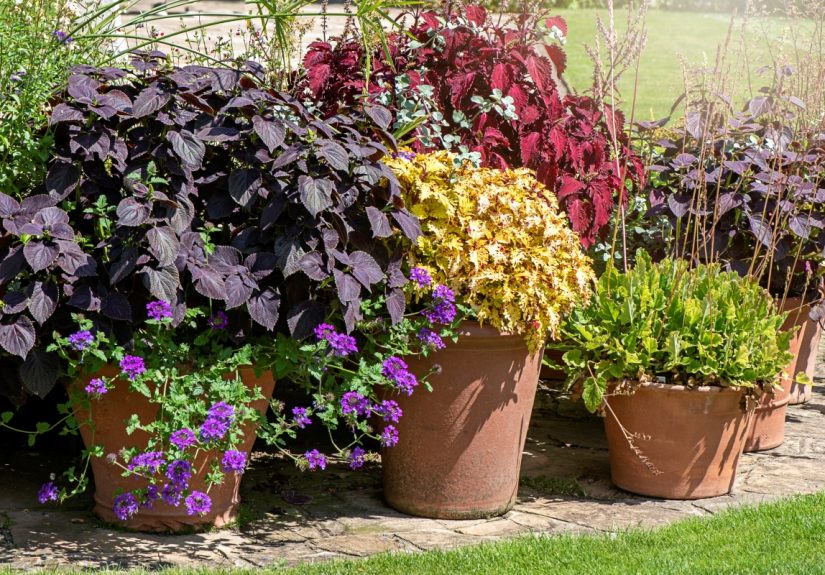
- Clay/Terra Cotta: Breathable but dries quickly.
- Ceramic/Glazed: Stylish, keeps moisture better, heavy enough not to tip.
- Plastic/Resin: Lightweight and great for plant relocation missions.
- Wood: Attractive, good insulation, but may decay over time.
No matter the material, drainage holes are non-negotiable. Without them, your perennial’s roots will sit in stagnant water like a pair of forgotten gym sockseventually leading to rot.
Soil Isn’t “Just Dirt”: Choose Wisely
For perennials in pots, you need a high-quality potting mix, not garden soil. Garden soil compacts in containers, suffocating the roots. Potting mix keeps things airy, fluffy, and well-drainedbasically, a luxury mattress for plant roots.
Look for mixes with:
- Coconut coir or peat moss
- Perlite or pumice for drainage
- Slow-release fertilizer (optional)
Avoid moisture-control mixes for drought-loving perennials like lavender and sage. They prefer their soil like a good handshake: firm, dry, and not overly clingy.
Watering Perennials in Pots: The Goldilocks Rule
Container-grown perennials need more consistent watering than their in-ground counterparts. Sun, wind, and heat all work together like a hydrating heist, stealing moisture faster than you expect.
How Often Should You Water?
The general rule: water when the top 1–2 inches of soil feel dry. For most climates, this means every few days in summer, once or twice a week in cooler months, and almost never during winter dormancy.
Of course, some plants like sedum and lavender enjoy a “water? maybe tomorrow” lifestyle and prefer drier conditions.
Fertilizer: Not Too Much, Not Too Little
Perennials in pots appreciate occasional feeding because nutrients flush out with watering. Use a balanced, slow-release fertilizer in early spring and optionally again mid-summer. Overfeeding can burn roots or encourage excessive foliage at the expense of bloomslike giving plants too much caffeine and then wondering why they won’t relax.
Winter: The Make-or-Break Season
If there is one thing container gardeners learn the hard way, it’s that winter can betray you. When perennials are planted in the ground, the soil insulates their roots. But in pots? Cold air surrounds the container from all sides, turning it into a root-sicle.
Tips to Help Your Perennials Survive Winter
- Choose hardy plants rated for zones at least 1–2 zones colder than your area.
- Use large containers for better insulation.
- Group pots together and place against a south-facing wall.
- Mulch the soil surface with leaves or straw.
- Wrap pots with bubble wrap or burlap.
- Or move them into a garage, shed, or unheated sunroom for the coldest months.
Some perennials simply don’t overwinter well in pots in northern climates, even with protection. When in doubt, treat them like special guestseither bring them in or accept them as seasonal beauties.
Repotting: Give Your Perennials Room to Grow
Perennials can stay in the same pot for 2–3 years, but roots will eventually outgrow the space, circling the pot like a frustrated commuter in a full parking lot. Signs it’s time to repot include:
- Roots poking through drainage holes
- Soil drying out extremely fast
- Reduced flowering
- Plant looks unhappy and you can’t explain why
Repot in early spring or early fall, choosing a pot 2–4 inches wider than the current one.
Designing Beautiful Perennial Containers
Use the classic “thriller, filler, spiller” method:
- Thriller: The tall, dramatic centerpiece (e.g., dwarf ornamental grass, salvia).
- Filler: The medium-height companions (heuchera, dwarf coneflowers).
- Spiller: Plants that cascade over the edges (creeping jenny, trailing verbena).
This design works for everything from front-porch containers to balcony gardens. Bonus: it looks expensive without actually being expensive.
Common Mistakes to Avoid
- Using garden soil – too dense.
- Choosing pots that are too small – roots suffocate.
- Ignoring winter prep – plants freeze.
- Planting non-hardy varieties – heartbreak guaranteed.
- Overwatering – the #1 cause of early plant retirement.
Final Thoughts
Growing perennials in pots is not just possibleit’s one of the most rewarding ways to garden, especially if you crave flexibility, beauty, and low-maintenance plants that return year after year. By choosing the right pot, soil, and care routine, you’ll create container gardens that thrive through the seasons and make your outdoor space feel more like a curated botanical retreat.
Extra : Real-World Experiences With Potted Perennials
If you’ve spent time in gardening communities, you know container-grown perennials have their own fan club. Years of collective experience reveal a few truths that don’t always make it into official gardening guides.
First, nearly every gardener has a story about the perennial they thought would never survive winteronly to find it thriving in spring, greener and perkier than the gardener who watered it. For example, many people report that certain varieties of dwarf coneflowers and coreopsis consistently outperform expectations, especially when kept in large containers with good drainage. Their strong root systems and natural tolerance for heat make them forgiving companions for beginners.
On the flip side, countless gardeners learn the hard way that pot size is not a suggestionit’s the law. A common experience shared in forums and extension workshops is the “wilt and bounce,” where perennials in small pots wilt dramatically each afternoon, only to perk up again once watered. The problem isn’t the plantit’s the pot. Smaller pots lose moisture fast, forcing roots to live in a constant cycle of stress. Once these same plants are transferred to larger containers, they stabilize almost instantly.
Many gardeners also talk about the unexpected joy of creating microclimates using potted perennials. For example, a gardener in Colorado shared how she positioned heat-tolerant perennials like lavender and Russian sage along a sunny brick wall where reflected heat kept them blooming longer. Meanwhile, shade-tolerant heuchera and ferns lived under her patio table, thriving in filtered light. With pots, you’re free to “move the sun” by moving your plants.
The winter struggle is universal. Many swear by grouping pots together and stuffing leaves between them as insulation. Others wheel large perennials into garages or breezeways, turning winter into a temporary plant sleepover. One gardener in Minnesota reported success overwintering potted daylilies by burying the entire pot in mulch in her vegetable garden, then digging it out in spring like a seasonal treasure hunt.
A helpful discovery from long-time container gardeners is the role of pot color. Dark pots absorb heat, oftentimes protecting roots during shoulder seasons. Light-colored pots reflect heat and keep roots cooler during scorching summers. Matching pot color to your climate is a subtle but powerful trick that improves perennial survival rates.
Then there’s the satisfaction of creating multi-season containers. Gardeners often fill pots with perennials that bloom in succession: early-spring bulbs tucked into the surface, mid-season bloomers like salvia, and late-season performers like sedum. The container becomes a dynamic display that evolves throughout the yearand it’s all thanks to sturdy perennials.
Finally, gardeners emphasize one emotional benefit: potted perennials feel more personal. When you plant them in pots, you see them up close, move them around, and care for them in ways you might not with in-ground plants. They greet you at the front door, shade your patio chair, or brighten your balcony. Over time, they almost feel like roommatesquiet, beautiful roommates who never complain and always contribute to the atmosphere.
So yes, planting perennials in pots is absolutely worth it. You get beauty, flexibility, longevity, and the joy of watching the same plants return year after yearright from your favorite chair.