Table of Contents >> Show >> Hide
- A Quick Reality Check (So We Don’t Accidentally Start a Multiverse War)
- Why the Internet Fell for It (At Least for 12 Seconds)
- What We Actually Know About Black Panther 3 (The Non-AI Version)
- So What’s in the Viral AI Trailerand Why Did It Hit So Hard?
- Fan Frenzy: The Reactions That Fueled the Fire
- The Big Ethical Question: Is This Just Fun, or Is It a Problem?
- YouTube’s Crackdown Changed the Game (And It’s Part of This Story)
- How to Spot an AI “Official Trailer” in the Wild
- If Marvel Won’t Cast Will Smith, Why Do Fans Keep Imagining It?
- What This Viral Moment Says About the Future of Movie Marketing
- Conclusion: Fun Fan Fiction, Real-World Consequences
- Fan Experiences: Life in the Age of AI “Trailers” (A 500-Word Reality Tour)
Somewhere between your group chat and your “For You” page, a “Black Panther 3” trailer appears. It’s glossy. It’s dramatic. The music swells like it’s trying to win an Oscar. And thenbamthere’s Will Smith, looking like he just sprinted out of an alternate universe where Wakanda has a very different HR department.
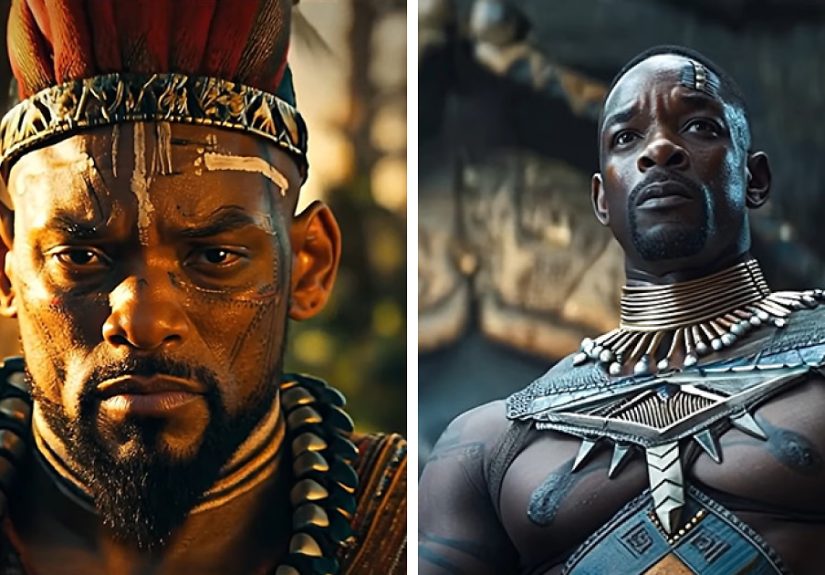
If you felt your brain do a tiny somersault (“Wait… did Marvel announce something?!”), you’re not alone. A fan-made, AI-assisted “Black Panther 3” concept trailer featuring Will Smith has been ricocheting across social platforms, pulling Marvel fans into a swirl of hype, memes, debate, and the occasional “delete this from the timeline” comment.
But here’s the twist: the trailer isn’t official. It’s the latest chapter in a fast-growing internet genreAI “what if” trailers that look just real enough to spark chaos, and just fake enough to start arguments in the comments section like it’s a competitive sport.
A Quick Reality Check (So We Don’t Accidentally Start a Multiverse War)
As of now, there is no official “Black Panther 3” trailer from Marvel Studios. The viral clip is a concept edittypically built from a mix of AI-generated shots, repurposed footage, clever audio, and “trust me bro” energy.
And yet, the trailer has done what the internet does best: turn a hypothetical into a headline and a rumor into a full-blown fan casting campaign.
Why the Internet Fell for It (At Least for 12 Seconds)
1) The production value is… suspiciously good
AI trailers have evolved from “uncanny valley slideshow” to “this looks like a real teaser that premiered during the Super Bowl.” The better ones nail the rhythm: quick cuts, moody close-ups, epic establishing shots, and one line of dialogue that sounds like it was recorded in a cave of destiny.
Even when the visuals are slightly offtoo smooth, too perfect, too “why are the teeth doing that?”the overall vibe can still feel convincingly Marvel-adjacent.
2) Will Smith is the kind of casting that breaks brains
Will Smith is a global star with blockbuster history and meme gravity. Drop him into any franchise and the internet reacts like you just yelled “free snacks” in a crowded theater. The idea of him entering the Marvel orbitespecially in a crown-jewel franchise like Black Pantherhits the sweet spot of “wild” and “wait, could that happen?”
3) The “Black Panther 3” moment is ripe for speculation
Fans know the franchise is continuing, and they’re hungry for details: Who leads next? What new threats rise? Which corners of Wakanda get explored? When official information is limited, unofficial “concepts” rush in to fill the silence.
What We Actually Know About Black Panther 3 (The Non-AI Version)
Here’s the grounded, real-world scoop: director Ryan Coogler has publicly discussed continuing the story, and reporting around the project has pointed to forward motionwithout Marvel dropping a traditional trailer or a full official cast list yet.
One major piece of widely reported news: Coogler has said he wrote a role for Denzel Washington in the upcoming film. That detail alone is enough to make fans sit upright like a student who heard “this will be on the test.” Because if you’re adding Denzel to Wakanda, you’re not doing it for vibesyou’re doing it for cinema.
Beyond that, a lot remains under wraps: no confirmed release date from Marvel in a standard announcement format, no official trailer, and no “here’s the plot” press rollout. In other words, the perfect conditions for an AI concept trailer to stroll in wearing a tuxedo and borrow everyone’s attention.
So What’s in the Viral AI Trailerand Why Did It Hit So Hard?
Most AI concept trailers follow a familiar formula:
- A bold premise (“A new hero rises in Wakanda.”)
- A surprising face (in this case, Will Smith) placed into heroic shots
- Fast montage storytelling that implies an entire movie without explaining anything
- Audio that does the heavy lifting (music, booms, and “this changes everything” energy)
The Will Smith “Black Panther 3” concept leans into the fantasy of a shake-up: a new leading figure, a new era, and the “what if Marvel did the most unexpected thing possible?” itch that fandom loves to scratch.
And honestly? Even when viewers recognize it’s fake, they still treat it like a fun experimentbecause it lets them test-drive emotions. Excitement. Curiosity. Skepticism. A strong desire to text a friend: “Tell me this is fake before I embarrass myself.”
Fan Frenzy: The Reactions That Fueled the Fire
The buzz around the trailer didn’t come from one place. It’s the cross-platform pile-up that made it feel enormous:
Social media debates: “Cool idea” vs. “Please stop”
Some fans enjoyed it as harmless fan fiction in video formlike an elaborate “casting couch” for the imagination. Others argued it muddies the water, spreads misinformation, and risks dragging real actors into projects they never agreed to join.
Meme culture: Wakanda Forever… and also Forever Online
Once a trailer like this lands, the meme machine immediately spins up:
- Fake “leaks” about plot twists that never existed
- Photoshopped posters and “official” stills that are absolutely not official
- Hot takes like “This is better than what Marvel would do” (said every time a fan edit includes dramatic lighting)
The curiosity spiral: “If this is fake, what else is fake?”
Here’s the sneaky power of AI trailers: they teach viewersfastthat the internet’s visual language can be forged. Once you see a convincing fake, you start re-evaluating everything. That’s thrilling… and also a little terrifying.
The Big Ethical Question: Is This Just Fun, or Is It a Problem?
It can be both. The internet is capable of multitasking.
When it’s fun
- It’s clearly labeled as a concept or fan-made
- It stays in the lane of creative remix culture
- It sparks thoughtful discussion: “What kind of story would work next?”
When it’s a problem
- It’s presented as real, or spread without context
- It uses an actor’s likeness in a way that implies endorsement
- It becomes monetized “misleading content” dressed up as news
In the entertainment world, the likeness issue isn’t theoretical. Labor groups and lawmakers have been pushing for clearer protections and consent rules around digital replicas and deepfakes. Even if a fan trailer is made “for fun,” it’s still part of a larger ecosystem where AI can blur realityand where creators can cash in on confusion.
YouTube’s Crackdown Changed the Game (And It’s Part of This Story)
Viral fake trailers don’t live only on social feedsthey thrive on platforms where views can become revenue. And that’s why YouTube’s actions against major fake trailer channels became a turning point in the conversation.
Reporting in 2025 described YouTube restricting monetization for big fake-trailer accounts, and later reports described channel terminations tied to repeated policy issues. That matters because it signals a shift: platforms are increasingly pressured to treat hyper-realistic AI “trailers” not as harmless edits, but as potentially deceptive media.
And yes, it’s a little ironic: the internet rewards realism, but punishes deceptionunless it goes viral enough first.
How to Spot an AI “Official Trailer” in the Wild
If you want to avoid being the person who announces fake Marvel news with full confidence (we’ve all been there), use this checklist:
1) Look for an official source signal
Real Marvel trailers come from official studio accounts or major verified partners. If it’s from a random channel with a name like “ULTRA CINEMA CONCEPTS 4K,” that’s a clue.
2) Watch the facesthen watch the hands
AI can still struggle with consistency: facial proportions, blinking, teeth, and especially hands. Hands remain the final boss of generative visuals.
3) Audio tells on itself
Voice lines may sound oddly flat or overly “perfect.” Some edits rely on generic motivational dialogue that implies plot without saying anything concrete. (“The future is written in vibranium.” Cool. What does that mean, though?)
4) The edit feels like a highlight reel, not a scene
Official trailers include actual scenes with continuity. AI concept trailers often feel like a cinematic mood board.
If Marvel Won’t Cast Will Smith, Why Do Fans Keep Imagining It?
Because it’s a shortcut to a feeling: surprise.
Franchises like Black Panther carry cultural weight, legacy, and huge expectations. Fans want the next installment to feel meaningfulnot just bigger. So an unexpected casting idea becomes a way to explore possibilities: “What kind of new energy could the franchise bring?”
That doesn’t mean Will Smith is headed to Wakanda. It means the fandom is doing what fandoms do: play with the pieces when the studio is keeping the box closed.
What This Viral Moment Says About the Future of Movie Marketing
The weird truth is that AI trailers are accidentally training audiences for the next era of media literacy. They’re forcing fans to ask:
- Who made this?
- Why does it look real?
- Where did it spread first?
- Is someone making money off my confusion?
Studios, platforms, unions, and lawmakers are all circling the same issue: consent, transparency, and trust. If audiences can’t tell what’s real, the entire entertainment hype machine gets shakybecause trailers are supposed to be the most reliable “promise” a studio makes before release day.
Conclusion: Fun Fan Fiction, Real-World Consequences
The “Black Panther 3” AI trailer featuring Will Smith is a perfect internet object: exciting, controversial, shareable, and slightly chaotic. It’s also a reminder that we’ve entered an era where a convincing video can be made without a studio, without a set, and without permission.
Enjoy the creativity if you want. Laugh at the memes. Debate the casting. But keep one foot in reality: until Marvel drops something official, it’s all imagination wearing a very expensive-looking disguise.
Fan Experiences: Life in the Age of AI “Trailers” (A 500-Word Reality Tour)
There’s a very specific modern experience that starts like this: you’re minding your business, maybe half-watching a video while eating leftovers, when your friend texts, “BRONEW BLACK PANTHER TRAILER.” No context. No link description. Just adrenaline in all caps.
You tap play, and for the first five seconds, your brain goes full cinema mode. The music is intense. Wakanda’s skyline looks impossibly polished. The cuts are fast enough to distract you from asking questions like “Why does everyone look like they were rendered by a very ambitious laptop?” Then Will Smith shows up, and your internal narrator yells, “WAIT, WHAT?!”the exact same way it yells when someone says “free guac” or “surprise meeting.”
This is the AI trailer spell: it doesn’t need to convince you forever. It only needs to hook you long enough for you to share it, comment on it, or start a debate. And that debate is where the real “fan frenzy” lives. Group chats light up with theories. Someone posts a fake poster. Someone else claims they “heard” Marvel is going in a “bold new direction” (which could mean anything from “new protagonist” to “every character is now a talking rhino”).
Then comes the second wave: the detective phase. Fans start scrutinizing frames like they’re analyzing the Zapruder film. “Look at the eyes.” “The mouth didn’t match the audio.” “That shot is literally from a different movie.” “Why does the necklace change shape three times?” Someone will inevitably comment, “This is clearly AI,” and someone else will reply, “Nah, Marvel is just experimenting.” Meanwhile, a third person is quietly Googling, “Is Black Panther 3 actually confirmed?” because they’ve been burned before by the internet’s favorite hobby: confident misinformation.
What’s fascinating is how quickly fans are adapting. More people now pause before reposting. They check whether the upload says “concept.” They look for official studio accounts. They ask, “Where did this come from?”a question that used to be reserved for suspicious emails and unmarked leftovers in the office fridge.
Still, the emotional roller coaster is real. Even when you know it’s fake, you might feel a tiny spark of excitement because the idea is fun. “What if this happened?” “What would that story look like?” AI trailers are basically interactive daydreamsslick, fast, and engineered to trigger fandom imagination.
So the next time one lands in your feed, you can enjoy the ride without crashing into confusion. Treat it like popcorn: entertaining, a little addictive, and best consumed with the understanding that it’s not a balanced mealor an official Marvel announcement.