Table of Contents >> Show >> Hide
- Why Biking Works for Weight Loss
- Can You Lose Weight by Biking Alone?
- How Much Biking Do You Need to Lose Weight?
- The Best Types of Cycling for Weight Loss
- How to Build a Cycling Plan That Actually Works
- What to Eat When You Are Biking to Lose Weight
- Common Mistakes That Slow Weight Loss
- Indoor Bike vs. Outdoor Bike for Weight Loss
- Safety and Comfort Matter More Than People Admit
- How Long Does It Take to See Weight-Loss Results?
- Real-World Experiences: What Biking for Weight Loss Often Feels Like
- Final Thoughts
- SEO Tags
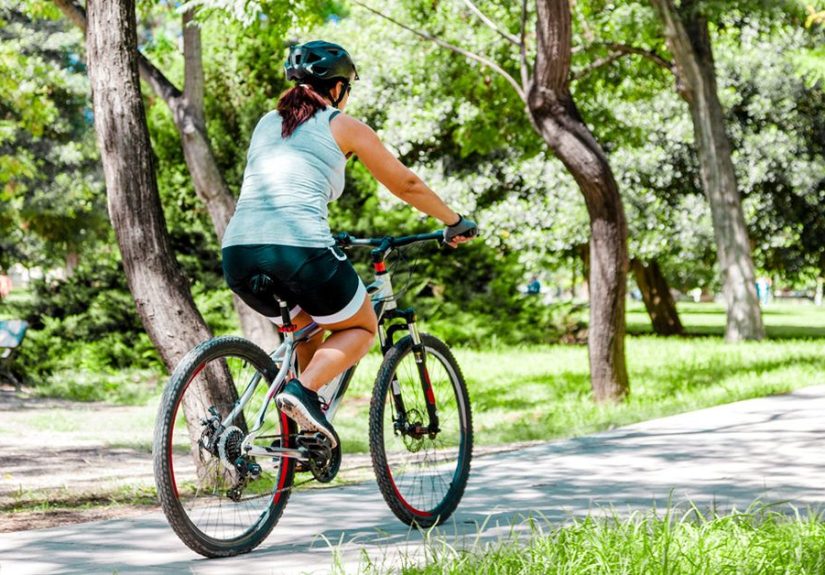
If you have ever stared at a treadmill and thought, “Absolutely not,” biking might be your weight-loss love language. It is cardio without the pounding, calorie burn without the boredom, and transportation if you are feeling extra efficient. Better yet, cycling can be adapted to just about any fitness level, from “I dusted off my bike yesterday” to “I own suspiciously tight jerseys now.”
The big question, of course, is whether biking actually helps you lose weight. The answer is yes, but with one very important asterisk: your bike is a tool, not a magic wand. Cycling can absolutely support fat loss, improve fitness, and help create the calorie deficit needed for weight loss. But the best results usually come from combining smart riding, realistic nutrition habits, strength training, recovery, and enough consistency to make your bike seat feel like an old friend instead of a medieval device.
In this guide, we will break down how biking supports weight loss, how much you should ride, what kind of rides work best, what to eat, what mistakes to avoid, and how to make the whole thing sustainable. Because the goal is not to suffer dramatically for two weeks. The goal is to keep going long enough to actually see results.
Why Biking Works for Weight Loss
Cycling is one of the most practical forms of exercise for weight loss because it checks several important boxes at once. First, it burns calories. Second, it is low impact, which means many people can do it more often than high-impact activities like running. Third, it can be scaled up or down depending on your fitness level. And fourth, it does not always feel like exercise in the dramatic, gym-selfie sense of the word. A bike ride can feel like stress relief, commuting, weekend fun, or a sneaky workout disguised as a coffee run.
That matters more than it sounds. The best exercise for weight loss is often the one you can repeat consistently. If biking feels enjoyable, you are far more likely to stick with it than a workout you resent with the passion of a thousand flat tires.
Cycling also improves cardiovascular fitness, builds lower-body endurance, and can help you stay active long enough to rack up meaningful energy expenditure over the week. It works the glutes, quads, hamstrings, calves, and core, especially when hills, resistance, or longer rides are involved. While it is not a complete replacement for strength training, it absolutely earns its place as a cornerstone of a weight-loss plan.
Can You Lose Weight by Biking Alone?
You can lose weight with biking alone, but it is usually not the most efficient approach. Think of cycling as a major player on the team, not the entire roster. Exercise helps increase calorie burn, improve insulin sensitivity, and support better body composition. But weight loss still comes down to energy balance over time. If you ride hard for 45 minutes and then celebrate with a bakery tour that would impress a professional carb enthusiast, the scale may not get the memo.
That does not mean you need to count every almond or turn dinner into a math problem. It means pairing biking with sensible eating habits works better than relying on workouts to “undo” everything else. In real life, the people who get the best results usually do a few simple things well: they ride regularly, eat enough protein, keep portions reasonable, sleep decently, and avoid the trap of rewarding every workout with enough extra calories to erase the effort.
In other words, biking can drive weight loss, but lifestyle habits are the road underneath it.
How Much Biking Do You Need to Lose Weight?
A good starting target is at least 150 minutes of moderate-intensity cycling per week. That is the baseline many health organizations recommend for general health, and it is also a very realistic entry point for adults who want to improve fitness and begin losing fat. For stronger weight-loss results, many people benefit from building toward 200 to 300 minutes per week, depending on intensity, recovery, diet, and starting fitness level.
Moderate intensity means you are working, but you are not gasping like you just outran a goose. On a bike, that often feels like a pace where you can talk in short sentences but not sing. Vigorous cycling feels harder, especially with hills, faster speeds, intervals, or strong resistance, and it can shorten the time needed to create a training effect.
A simple weekly target
Here is a practical goal progression:
- Beginner: 3 rides per week, 20 to 30 minutes each
- Early progress phase: 4 rides per week, 30 to 45 minutes each
- Weight-loss focused phase: 4 to 5 rides per week, mixing 30- to 60-minute rides with one longer ride on the weekend
If you are new to exercise or carrying extra weight, starting smaller is smart. Ten- or fifteen-minute rides count. So do indoor cycling sessions. So does cycling to the store instead of driving. Fitness is not ruined by modest beginnings. It is built by them.
The Best Types of Cycling for Weight Loss
Not all rides need to feel like a Tour de France audition. In fact, a mix of ride types usually works best for both weight loss and sanity.
1. Steady-state rides
These are moderate, sustainable rides where you keep a comfortable pace for 30 to 60 minutes. They are excellent for beginners, help build aerobic fitness, and are easy to recover from. Steady rides also make it simpler to rack up weekly volume, which matters more than one heroic workout followed by three days of lying around like a decorative throw pillow.
2. Interval rides
Intervals alternate harder efforts with easier recovery periods. For example, after a warm-up, you might pedal hard for 1 minute, recover for 2 minutes, and repeat that cycle 6 to 10 times. Interval rides can increase calorie burn, improve fitness, and make shorter workouts feel more productive. They are especially useful for busy people who want more bang for their workout buck.
3. Hill rides or resistance rides
Climbing hills outdoors or increasing resistance on a stationary bike makes your muscles work harder. This can raise intensity, improve leg strength, and create a stronger training stimulus. You do not need mountains. A few short hills or a spin bike knob can do the job just fine.
4. Long easy rides
These rides help build endurance and increase overall calorie expenditure without leaving you completely toasted. A weekend ride at a conversational pace can be one of the best habits in a sustainable cycling plan. It is also the kind of workout that tends to feel rewarding rather than punishing.
How to Build a Cycling Plan That Actually Works
The best cycling plan is not the one that looks impressive on paper. It is the one you can follow when work gets busy, the weather gets weird, and motivation decides to disappear for three days.
Sample beginner-friendly weekly plan
- Monday: Rest or light walk
- Tuesday: 30-minute steady ride
- Wednesday: Strength training
- Thursday: 25-minute interval ride
- Friday: Rest or easy mobility work
- Saturday: 45- to 60-minute easy ride
- Sunday: Strength training or a short recovery spin
This plan works because it includes cardio, recovery, and muscle-strengthening work. That last piece matters. Strength training helps preserve lean mass during weight loss, supports metabolism, improves power on the bike, and can reduce overuse issues by building a more balanced body. Two sessions per week is a great target.
If you already love cycling, resist the urge to make every ride hard. More intensity is not always more effective. Too many hard rides can leave you hungry, exhausted, sore, and less likely to stay consistent. A balanced routine usually wins.
What to Eat When You Are Biking to Lose Weight
This is where many people either overcomplicate things or completely blow the landing. You do not need a hyper-specific athlete meal plan to lose weight with cycling, but you do need a strategy that supports training without turning every ride into an excuse to inhale half the pantry.
Prioritize protein
Protein helps with fullness and supports muscle recovery, which is especially important if you are eating in a calorie deficit. Include a solid protein source at meals, such as eggs, Greek yogurt, chicken, fish, tofu, beans, cottage cheese, or lean beef.
Use carbs intelligently
Carbohydrates are not the villain in bike shorts. They are useful fuel, especially before longer or harder rides. A banana, toast, oatmeal, or yogurt can work well before training. For shorter easy rides, you may not need much fuel at all. For longer sessions, especially over an hour, some riders feel and perform better with extra carbs during or after the ride.
Hydrate without turning it into a chemistry lab
For many moderate rides, water is enough. If you are riding longer, sweating heavily, or training in heat, you may benefit from fluids with electrolytes. The goal is not to chug heroically. The goal is to stay reasonably hydrated before, during, and after the ride.
Watch the post-ride appetite trap
One of the sneakiest reasons people do not lose weight from cycling is that hard rides can increase appetite. Suddenly a workout that burned a few hundred calories somehow leads to a brunch order large enough to feed a recreational soccer team. Refueling matters, but portion awareness matters too. A balanced meal with protein, carbs, and produce is a smarter move than turning every ride into a cheat-day parade.
Common Mistakes That Slow Weight Loss
1. Riding too little to create a real effect
A casual spin once in a while is great for your mood, but it may not be enough to move the scale. Weekly consistency matters more than occasional bursts of motivation.
2. Making every ride too hard
If every session is an all-out suffer-fest, recovery becomes a problem. You may burn out physically or mentally. Most successful plans include mostly manageable rides with just a little intensity sprinkled in.
3. Ignoring strength training
Cycling is excellent cardio, but it is not the whole package. Strength training helps preserve muscle during fat loss and supports better function on and off the bike.
4. Overestimating calorie burn
Fitness trackers can be helpful, but they are not divine prophecy. Treat calorie-burn numbers as rough estimates, not permission slips for unlimited snacks.
5. Neglecting recovery and sleep
Recovery affects hunger, performance, mood, and consistency. Poor sleep can make training feel harder and smart eating feel optional. Weight loss gets much tougher when you are tired enough to consider frosting a food group.
Indoor Bike vs. Outdoor Bike for Weight Loss
Good news: both count. An indoor bike is convenient, weather-proof, and efficient. It is easier to structure intervals and track time. An outdoor bike adds scenery, fresh air, and the bonus challenge of terrain and wind. Some people push harder indoors because there are fewer interruptions. Others ride longer outdoors because it feels more like an adventure than a workout.
The better option is the one you will use consistently. If your neighborhood roads are chaotic, indoor cycling may be your best friend. If your soul shrivels under fluorescent lights, outdoor riding might be the better long-term fit. Many people do best with both.
Safety and Comfort Matter More Than People Admit
If your bike is uncomfortable, you will avoid it. If your body hurts in the wrong ways, you will avoid it faster. Getting the basics right makes a huge difference.
- Make sure your bike fits reasonably well
- Wear a helmet every ride
- Use proper footwear and comfortable clothing
- Start with shorter rides if saddle soreness is an issue
- Adjust seat height to reduce knee strain
- Use lights and visible clothing if riding in traffic or low light
Many beginners assume discomfort means they are “getting in shape.” Sometimes it just means the seat is too low, the handlebars are awkward, or the shorts situation needs immediate intervention. Fix the setup first. Suffering is not a badge of honor when it is caused by preventable nonsense.
How Long Does It Take to See Weight-Loss Results?
That depends on your starting point, your diet, how often you ride, and how consistent you are. Some people notice better energy, less puffing on stairs, and improved mood within a couple of weeks. Visible body-composition changes and scale changes often take longer. That is normal.
The more useful early signs of progress are often not scale-related: your rides feel easier, your pace improves, your clothes fit differently, and you recover faster. Those are signs the plan is working, even if the bathroom scale is being emotionally uncooperative.
Try tracking more than body weight alone. Use a combination of body measurements, how clothes fit, fitness improvements, and consistency goals. Weight loss is rarely a perfectly straight line, especially when training causes temporary fluid shifts.
Real-World Experiences: What Biking for Weight Loss Often Feels Like
The first week is usually humbling. Your legs may feel fine for ten minutes and then suddenly begin negotiating with you like tiny union representatives. The seat feels suspiciously personal. Hills seem rude. You finish a short ride and think, “That counted, right?” Yes, it counted.
By week two or three, many riders notice something encouraging: the same route feels less dramatic. You are still working, but you are no longer starring in your own emergency documentary. Breathing settles faster. Recovery improves. A ride that once felt like an event starts to feel like a routine. That shift is incredibly motivating because it proves your body is adapting, even before major weight-loss changes show up.
Another common experience is discovering that biking changes your day beyond the workout itself. People often report better moods after riding, fewer afternoon energy crashes, and a stronger sense that they are “back on track” with their health. That matters because weight loss is not driven by one perfect ride. It is driven by repeated good choices, and exercise often helps those choices happen. A person who just finished a satisfying ride is often more likely to eat a balanced lunch than to dive face-first into random office pastries. Usually.
Appetite can also surprise people. Some riders feel less hungry after moderate rides, while others become ravenous after intense sessions. Learning your own pattern is part of the process. One person thrives with a small pre-ride snack and a protein-rich meal after. Another does best training first thing in the morning and eating breakfast later. There is no gold-medal prize for pretending hunger does not exist. The smarter move is planning for it.
Then there is the mental side. Cycling gives people a measurable way to see progress that has nothing to do with the scale. You can ride farther, climb a hill without stopping, or finish a route faster than you did a month ago. Those wins are powerful. They keep motivation alive when fat loss is moving slowly or when life gets messy. A bike offers evidence. It says, very clearly, “You are getting stronger.”
Many people also discover that biking is easier to maintain than workouts they used to force themselves through. You can ride solo and clear your head. You can ride with friends and make it social. You can use an indoor bike while watching a show. You can commute, run errands, or squeeze in a quick session between meetings. That flexibility is one reason biking can be such an effective long-term weight-loss habit. It fits real life better than many all-or-nothing fitness plans.
Of course, not every week feels magical. There are rainy days, flat tires, busy schedules, sore legs, and moments when the couch launches a very persuasive campaign. That is normal too. Successful riders are not the ones who never miss a workout. They are the ones who miss one, then get back on the bike instead of turning one off-day into a month-long disappearance.
Over time, the experience becomes less about “burning calories” and more about becoming the kind of person who rides. That identity shift is huge. When biking becomes part of your routine, weight loss often stops feeling like a short-term punishment and starts feeling like a side effect of a healthier lifestyle. And that is where the real magic happens: not in one sweaty ride, but in the dozens that quietly add up.
Final Thoughts
Biking can absolutely help you lose weight, especially when you approach it with a realistic plan. Start with manageable rides, build weekly consistency, mix easy rides with a little intensity, add strength training, and support your workouts with sensible nutrition. Do not expect one week of pedaling to rewrite your life story. Do expect steady progress if you keep showing up.
Most importantly, make cycling practical enough to last. Choose routes you enjoy. Use an indoor bike when weather gets obnoxious. Keep snacks and hydration simple. Celebrate better stamina, not just lower numbers on a scale. Weight loss works best when the habits supporting it are sustainable, and biking is one of the rare forms of exercise that can be effective, flexible, and genuinely fun.
So yes, biking to lose weight works. Just remember: the secret is not a miracle workout, a fancy gadget, or a pair of sunglasses that make you look aggressively athletic. The secret is consistency. Pedal often, recover well, eat like a grown-up most of the time, and let the results build.