Table of Contents >> Show >> Hide
- What Exactly Does a Scroll Saw Do?
- Key Features to Look For in a Scroll Saw
- Best Scroll Saw for Serious DIYers and Hobby “Pros”
- Best Budget Scroll Saw for Beginners
- Best Scroll Saw for Heavy-Duty Shops
- Best Compact and Portable Scroll Saw
- Other Solid Scroll Saw Contenders
- Matching the Best Scroll Saw to Your DIY Style
- Practical Buying Tips Before You Pull the Trigger
- of Real-World Scroll Saw Experience
If you love turning plain boards into fancy signs, puzzles, or intricate wall art, a scroll saw is one of the most satisfying tools you can own. It’s basically a power tool that lets you “draw” with wood but with less hand cramp and more sawdust. The tricky part? There are a lot of models out there, from budget-friendly starters to pro-level beasts that look like they belong in a cabinetmaker’s dream shop.
This guide breaks down the best scroll saw options for different types of DIYers, explains the key specs (without putting you to sleep), and gives you real-world tips so you don’t regret your firstor nextscroll saw purchase.
What Exactly Does a Scroll Saw Do?
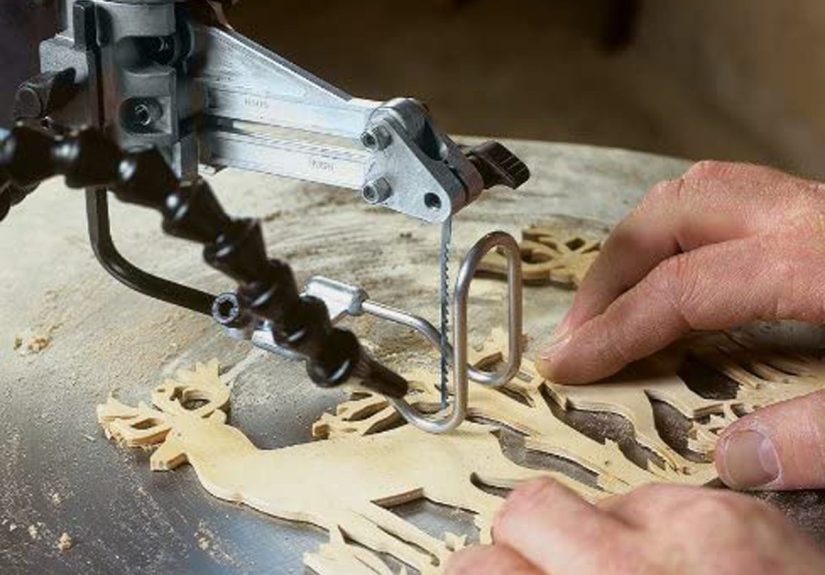
A scroll saw uses a thin, up-and-down moving blade to cut tight curves, intricate shapes, inside cutouts, and delicate details in wood, plastic, or even thin metal. Think jigsaw puzzles, custom lettering, fretwork, kids’ toys, and decorative boxes.
Compared with a jigsaw or band saw, a scroll saw gives you much more control for tiny details, and you can remove and thread the blade through a drilled pilot hole to cut inside shapes without cutting in from the edge. Many woodworkers treat it as part power tool, part art tool.
Key Features to Look For in a Scroll Saw
Throat Size (How Big a Project You Can Cut)
The throat size is the distance from the blade to the rear frame of the saw. It tells you the maximum length of material you can swivel and cut in one pass. Common sizes include:
- 16-inch throat: Great for most hobby and craft projects.
- 20-inch throat: A sweet spot for serious DIYers and advanced hobbyists.
- 22-inch+ throat: Ideal for pro shops and big, intricate pieces.
Variable Speed Control
Good scroll saws come with variable speed, usually ranging from about 400 to 1,600–1,750 strokes per minute (SPM). Slower speeds are better for plastics, metals, and delicate work; higher speeds are perfect for blasting through softer woods like pine.
Blade Type: Pinned vs. Pinless
- Pinned blades: Easier to install, good for beginners, but the little pins limit how tight your inside cuts can be.
- Pinless (plain-end) blades: Preferred by serious scrollers for detailed fretwork and ultra-tight curves. Many higher-end saws use pinless blades exclusively.
Table Tilt and Build Quality
A scroll saw table that tilts (usually up to 45 degrees) lets you cut beveled edges and more advanced joinery. Look for:
- Cast-iron or heavy steel tables to reduce vibration.
- Easy-to-read tilt scale and smooth adjustment.
- Enough surface area to support your typical projects.
Vibration, Dust Blower, and Other Comfort Features
Because scroll sawing is all about staying on a pencil line, low vibration is a big deal. Premium saws use special arm designs to reduce vibration and noise so you can cut more accurately and for longer without fatigue.
Other user-friendly features that really matter in day-to-day use include:
- Front-mounted on/off and speed controls
- A flexible dust blower to keep the cut line visible
- Tool-free blade changes for quick inside cuts
- An LED work light for detailed patterns
Best Scroll Saw for Serious DIYers and Hobby “Pros”
DeWalt DW788 20-Inch Variable-Speed Scroll Saw
If scroll saws had a “fan favorite” jersey hanging from the workshop rafters, it would probably belong to the DeWalt DW788. This 20-inch saw shows up over and over in expert reviews and user roundups for its smooth cuts, smart design, and relatively approachable price for a pro-leaning tool.
Why DIYers love it:
- Double parallel-link arm design dramatically reduces vibration and noise, making it easier to follow intricate lines.
- Variable speed from about 400 to 1,750 SPM, controlled up front where you can actually reach it mid-cut.
- Tool-free blade clamps make swapping pinless blades fast, which is huge when you’re doing lots of inside cuts.
- Generous 20-inch throat lets you tackle bigger signs, plaques, and furniture accents.
Best for: Intermediate and advanced DIYers who want a saw that can stay in their shop for years and grow with their skills.
Best Budget Scroll Saw for Beginners
WEN 3921 16-Inch Two-Direction Variable-Speed Scroll Saw
If you’re still deciding whether scroll sawing will be your new favorite obsession or just a passing hobby, the WEN 3921 is a clever budget pick. It packs a lot of flexibility into an entry-level price.
Standout features:
- 16-inch throat enough for most small to medium DIY projects.
- Two-direction blade design: You can mount the blade in the standard position or at 90 degrees to allow essentially unlimited ripping capacity for long pieces.
- Variable speed from about 400 to 1,600 SPM for different materials.
- Table bevels up to 45 degrees to the left for angled cuts.
- Designed to cut stock up to about 2 inches thick.
Best for: New DIYers, budget-conscious hobbyists, and anyone who wants to try detailed cutting without dropping serious cash.
Best Scroll Saw for Heavy-Duty Shops
JET JWSS-22 Scroll Saw with Stand
Running a small business cutting ornate signs, puzzles, or craft fair inventory? The JET JWSS-22 is built for that kind of grind. It’s repeatedly recommended as a commercial or pro-level option thanks to its large throat and robust construction.
Highlights:
- 22-inch throat gives you extra room for oversized patterns and large decorative pieces.
- Variable-speed range (roughly 400–1,550 SPM) for different woods and materials.
- A stable stand helps reduce vibration and free up bench space.
- Premium fit and finish, plus features geared toward long, daily use.
Best for: Serious woodworkers, side-hustle makers, and small shop owners who want a long-term, high-capacity saw.
Best Compact and Portable Scroll Saw
Dremel Moto-Saw (MS20)
Not everyone has a giant workshopor the desire to dedicate half their garage to one tool. The Dremel Moto-Saw is a compact scroll saw that can be bench-mounted or converted into a handheld coping saw, making it great for small spaces, apartment DIYers, and craft-table makers.
What makes it different:
- Lightweight and portable; easy to store in a closet or cabinet.
- Ideal for thinner materials, craft plywood, and light-duty projects.
- Quick-change blades and simple operation that’s friendly to beginners.
Best for: Crafters, occasional DIYers, and anyone who wants scroll-saw capability without a permanent footprint in the shop.
Other Solid Scroll Saw Contenders
While DeWalt, WEN, JET, and Dremel tend to dominate lists, several other models regularly show up in expert roundups and buyer guides:
- Delta 40-694 20-Inch Scroll Saw – Another double parallel-link arm design with low vibration, variable speed, and tool-free blade changes.
- Shop Fox W1713 16-Inch Scroll Saw – Budget-friendly, often recommended for beginners stepping up from entry-level models.
- Excalibur EX-21 – A favorite among serious fretwork enthusiasts for its tilting head and precision.
These options tend to sit between the budget lineup and the very top of the pro tier, making them excellent “forever tools” if you want premium features without going absolutely all-in.
Matching the Best Scroll Saw to Your DIY Style
For Craft and Hobby Projects
If you’re mainly cutting small signs, ornaments, or kids’ room decor, you’ll likely be thrilled with a 16-inch, budget-friendly saw like the WEN 3921 or Shop Fox W1713. They have enough capacity and power for most hobby projects without overcomplicating things.
For Furniture Details and Larger Art Pieces
Working on chair backs, headboards, or larger wall art? That’s where a 20-inch throat like the DeWalt DW788 or Delta 40-694 really shines. The extra room means fewer awkward repositioning moves and smoother arcs in your designs.
For Business or High-Volume Work
If you’re selling your work, cutting all weekend for markets, or filling online orders, a heavier machine like the JET JWSS-22 or an Excalibur model pays off in comfort and consistency. Less vibration and better ergonomics = more hours at the saw without your hands going on strike.
For Small Spaces and Casual DIYers
If your workshop is also your dining room, the Dremel Moto-Saw or another compact scroll saw is your friend. You can stash it between projects and still enjoy the fun of intricate cutting when the urge hits.
Practical Buying Tips Before You Pull the Trigger
- Buy the best you can reasonably afford. Many long-time scrollers say they upgraded to a better saw after fighting with a cheap oneand wish they’d done it sooner.
- Think about blades and accessories. Good-quality blades, a stand, and maybe a foot switch can dramatically improve your experience.
- Sit or stand at the saw if possible. If you can test one in person, pay attention to the height, vibration, and how easy it is to see your work line.
- Check how blade changes work. If switching blades is a multi-step gymnastics routine, you’re less likely to attempt inside cuts and advanced patterns.
of Real-World Scroll Saw Experience
On paper, scroll saws are all about specs: 20-inch throat, 1.3-amp motor, 400–1,750 SPM. In real life, the experience often comes down to smaller thingslike whether you can sip coffee with one hand while making a tight inside curve with the other (not recommended, but you know it’s going to happen).
One of the biggest “aha” moments people have after buying a quality scroll saw like the DeWalt DW788 is how much less they fight the machine. With cheaper saws, you often end up pushing the workpiece harder just to keep the cut moving, which can cause the blade to wander and your line to drift. A smoother, low-vibration saw almost feels like it’s guiding the cut for you, especially when paired with sharp, high-quality blades.
Another real-world lesson: dust management matters more than you think. Early on, many DIYers ignore the dust blower or don’t bother hooking up a shop vac, then wonder why they’re constantly losing the cut line. Keeping that pencil line visible not only improves accuracy but also reduces eye strain. A flexible, well-positioned dust blower and an LED light shining exactly where you’re cutting make long sessions far more enjoyable.
Blade changes are another area where your everyday experience can be either smooth or maddening. If your saw needs tools and multiple steps to tension and lock a blade, you’ll subconsciously avoid patterns with lots of inside cuts because they simply take too long. That’s why the scroll-saw community makes such a big deal about tool-free blade clamps and one-lever tension systems. Once you’ve done a dozen quick blade threads on a user-friendly saw, you’ll never want to go back.
Then there’s the learning curve. Even on the nicest saw, your first projects will probably look like they were cut during a minor earthquake. That’s normal. As you practice, you’ll learn to relax your grip, let the blade do the work, and steer with gentle pressure rather than forcing the wood through. Many DIYers keep a “practice board” nearbya piece of scrap where they warm up with curves, tight turns, and quick stops before diving into a real pattern.
One surprisingly fun part of scroll sawing is discovering how many materials you can cut once you have variable speed and the right blades. Thin plexiglass, hardwoods, plywood, MDF, and even non-ferrous metals are all fair game with proper speeds and blades. Slowing the saw way down for plastics and metals prevents melting or burning, while cranking it up for softwood keeps the saw from bogging down.
Finally, a good scroll saw tends to inspire bigger ideas. You might start with simple hearts and stars, but once you realize you can accurately cut 20-inch-wide name signs, layered landscapes, or ornate fretwork panels, you’ll look at every blank board as a potential piece of art. That’s really the magic of choosing the right scroll saw for your DIY style: the right tool doesn’t just help you finish projectsit makes you want to start more of them.