Table of Contents >> Show >> Hide
- Why the Right Kids’ Life Jacket Matters
- What Experts Say to Look For in the Best Kids’ Life Jackets
- Best Kids’ Life Jackets for Summer Safety: Our Expert-Informed Picks
- 1. Mustang Survival Infant Lil Legends Foam Vest Best Overall for Infants
- 2. Stohlquist Infant PFD Best Classic Infant Fit
- 3. Mustang Survival Child Lil Legends Foam Vest Best Overall for Kids 33–55 Pounds
- 4. Stohlquist Fit Child Best Value for Everyday Boating
- 5. NRS Vista Youth PFD Best for Paddling and All-Day Comfort
- 6. NRS Big Water V Youth PFD Best for Rougher Conditions
- 7. O’Neill Youth Reactor USCG Vest Best for Active Watersports
- 8. Astral Otter 2.0 Best Premium Comfort Pick
- 9. Connelly Youth Classic Neo Vest Best Flexible Lake-Day Choice
- How to Choose the Right Kids’ Life Jacket for Your Family
- Common Life Jacket Mistakes Parents Make
- Summer Experiences: What Real Family Water Days Teach You About Kids’ Life Jackets
- Final Takeaway
Summer with kids is supposed to smell like sunscreen, watermelon, and questionable decisions involving cannonballs. It should not involve panic at the dock because a life jacket is too big, too stiff, or clearly bought with the parenting strategy of “they’ll grow into it.” When it comes to water safety, that strategy deserves a polite but firm trip to the trash can.
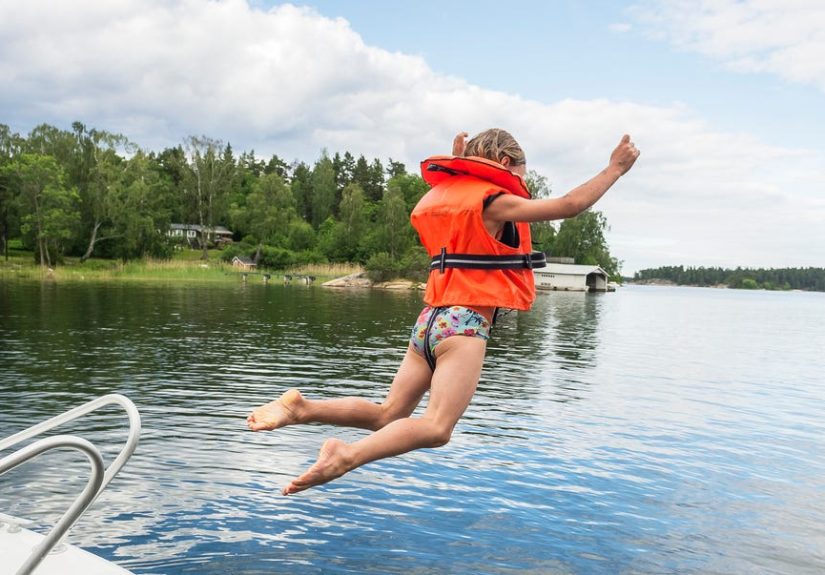
The best kids’ life jackets are not simply the cutest, cheapest, or brightest ones on the rack. The right pick is a U.S. Coast Guard-approved kids’ life jacket that fits your child’s current weight, matches the activity, and stays snug without turning them into a tiny, grumpy marshmallow. That is the difference between a vest kids tolerate and one that actually helps protect them on the water.
This guide breaks down what experts consistently recommend, then highlights standout options for infants, children, and youth sizes. The goal is simple: help you choose a kids’ life jacket for summer safety that works in the real world, whether your family is boating on a lake, paddling calm water, heading to camp, or spending every weekend pretending the pontoon is a luxury yacht.
Why the Right Kids’ Life Jacket Matters
A child’s life jacket is not an accessory. It is a piece of safety equipment, and the details matter. Pediatric and water-safety guidance consistently points to the same basics: choose a vest by weight, not age; make sure it is fully fastened; and avoid anything too loose, because loose jackets can ride up, shift, or fail to keep a child positioned properly in the water.
That is especially important in open water. Lakes, rivers, and beaches are not giant swimming pools with nice manners. Currents, waves, docks, slippery ladders, and sudden drop-offs do not care how confident your child felt five minutes earlier. Even strong swimmers can panic, tire out, or hit the water awkwardly. A well-fitted child personal flotation device adds an essential layer of protection, but it does not replace close adult supervision, swim skills, or common sense.
And yes, the legal side matters too. If your family spends time boating, federal rules generally require children under 13 to wear an appropriate U.S. Coast Guard-approved life jacket while a vessel is underway, unless they are below deck or inside an enclosed cabin. State rules can vary, so treat that as the floor, not the ceiling.
What Experts Say to Look For in the Best Kids’ Life Jackets
1. U.S. Coast Guard approval
If the label does not show that the jacket is U.S. Coast Guard approved, keep walking. Pool toys, inflatable armbands, novelty floaties, and random foam gadgets are not substitutes for a real kids’ life vest. They may be fun. They are not the thing you want to trust when the water gets chaotic.
2. Weight-based sizing
For children, the usual starting points are infant at roughly 8–30 pounds, child at 30–50 pounds, and youth at 50–90 pounds. This is one of the biggest mistakes parents make: buying the next size up for convenience. A too-big life jacket is not a bargain. It is a gamble.
3. Infant-specific safety features
For babies and smaller kids, experts consistently recommend features such as a padded head support, a grab handle, and a crotch strap. These help reduce ride-up, improve in-water positioning, and make it easier for an adult to lift the child out quickly if needed.
4. The right jacket for the right activity
Not every life jacket is meant for every outing. Some are built for general boating and calm water. Some are better for paddling. Some are designed for tow sports or personal watercraft. If you plan to wakeboard, tube, or zip around behind a boat, choose a model specifically suited to that use instead of assuming any vest with buckles will do the trick.
5. A fit your child will actually tolerate
This part is underrated. The best kids’ life jacket is one your child can move in, sit in, and wear without acting like you dressed them in a cardboard refrigerator box. Softer fabrics, better panel shaping, and smarter adjustment points can make a huge difference in whether the jacket stays on for ten minutes or the whole afternoon.
Best Kids’ Life Jackets for Summer Safety: Our Expert-Informed Picks
These picks are based on current expert guidance, published features, intended use, and brand reputation in boating and paddling safety. Think of them as expert-informed shopping shortcuts, not paid placements and definitely not a beauty pageant for buckles.
1. Mustang Survival Infant Lil Legends Foam Vest Best Overall for Infants
If you want one of the strongest infant options for general boating and open-water family outings, this is a top-tier choice. It is designed for kids up to 30 pounds and includes many of the features experts recommend most for younger children: a three-piece collar for extra head support, a built-in crotch strap, and a grab loop. The soft fabric, moisture-wicking liner, and ventilated back also make it more comfortable in hot weather than many bulky old-school infant vests.
Best for: infants and toddlers on boats, docks, shorelines, and calm family water days.
Why it stands out: great safety feature set without feeling overly stiff.
Watch for: it is not intended for tow sports or personal watercraft.
2. Stohlquist Infant PFD Best Classic Infant Fit
The Stohlquist infant model remains a strong favorite for parents who want a more traditional infant life jacket with dependable structure. It features padded head support, a large grab handle, and secure crotch and waist straps to prevent ride-up. The design is geared toward helping a smaller child float in a safer position, which is exactly what you want when choosing an infant life jacket.
Best for: boating families who want a classic infant-first design.
Why it stands out: secure fit and strong retrieval features.
Watch for: it feels more structured than some softer premium models.
3. Mustang Survival Child Lil Legends Foam Vest Best Overall for Kids 33–55 Pounds
For children who have graduated out of infant sizing but still need plenty of support, the Child Lil Legends is a smart all-around pick. It is designed for roughly 33–55 pounds and keeps the same thoughtful design language as the infant version: soft fabric, mesh back, moisture management, grab loop, crotch strap, and supportive collar. It is the kind of vest that works well for active, wiggly kids who do not plan to sit still just because safety is involved.
Best for: all-purpose boating and shoreline safety for younger kids.
Why it stands out: comfort plus serious child-specific safety features.
Watch for: not the right choice for tow-sport use.
4. Stohlquist Fit Child Best Value for Everyday Boating
The Stohlquist Fit Child is a practical, less-fussy option for families who want a reliable boating vest without jumping to a premium price tier. It is designed for children in the 30–50 pound range and uses a lighter-profile Type III style with about 8 pounds 6 ounces of buoyancy. In plain English, it is a solid option for casual lake days, marina use, and family boating where comfort matters but you do not need a highly specialized design.
Best for: budget-conscious families who still want a respected brand.
Why it stands out: simple, effective, and easier to wear than bulky entry-level jackets.
Watch for: not as feature-rich as premium child vests.
5. NRS Vista Youth PFD Best for Paddling and All-Day Comfort
Once kids reach youth sizing, comfort becomes even more important because older children notice everything and complain professionally. The NRS Vista Youth is a strong pick for paddling, canoeing, kayaking, and longer outings because it combines a flexible wraparound design with six adjustment points and a front-zip entry. It is built for children roughly 50–90 pounds and offers a medium-profile fit that moves well with the body.
Best for: kayaking, canoeing, rafting on gentler water, and active lake days.
Why it stands out: excellent mobility and comfort for long wear.
Watch for: it is more of a paddling-style vest than a heavy-support big-water model.
6. NRS Big Water V Youth PFD Best for Rougher Conditions
If your family spends time on rivers, rafting trips, or water where extra flotation and support make sense, the NRS Big Water V Youth is worth a hard look. This youth model delivers more flotation than many slim recreational vests and includes a flotation collar for better support while floating on the back. It is not the sleekest option in the lineup, but safety gear is allowed to be a little serious when the water is, too.
Best for: rafting, rivers, and conditions where higher flotation is a priority.
Why it stands out: extra support and a more protective big-water profile.
Watch for: bulkier than casual paddling or lake vests.
7. O’Neill Youth Reactor USCG Vest Best for Active Watersports
For youth who are more likely to be tubing, riding on a personal watercraft, or spending the day doing active watersports, the O’Neill Youth Reactor deserves attention. It uses a lower-bulk design with flexible foam, quick-release safety buckles, and drainage features that help it feel sportier and less restrictive. It is the kind of vest older kids are more willing to wear when they want freedom of movement and do not want to look like they borrowed emergency equipment from a ferry terminal.
Best for: active boating and water sports for bigger kids.
Why it stands out: lower bulk and better flexibility for movement-heavy days.
Watch for: choose this for the right activity, not as a one-vest-for-everything solution.
8. Astral Otter 2.0 Best Premium Comfort Pick
The Astral Otter 2.0 is the premium option for families who spend serious time on the water and want a higher-end youth PFD that feels less like a chore to wear. Designed for roughly 50–90 pounds, it uses organic kapok and a performance-minded design that many paddling families appreciate. It is expensive, yes, but if your child lives in kayaks, rafts, or SUPs all summer, comfort and fit quality can be worth paying for.
Best for: frequent paddling families and kids who wear a vest for hours.
Why it stands out: premium comfort and thoughtful construction.
Watch for: the price is firmly in “this vest had better become a favorite” territory.
9. Connelly Youth Classic Neo Vest Best Flexible Lake-Day Choice
The Connelly Youth Classic Neo is a strong middle-ground option for recreational boating and lake weekends. Its V-back flex panel and adjustable fit help it move well with growing bodies, making it more comfortable for kids who hate stiff, boxy jackets. It is a smart pick for families who want a youth life vest that feels sporty without giving up Coast Guard-approved safety.
Best for: recreational boating, dock jumping, and all-day lake use.
Why it stands out: flexible fit and easy movement.
Watch for: more lake-sport oriented than infant-style high-support designs.
How to Choose the Right Kids’ Life Jacket for Your Family
Start with the activity. A calm pontoon day, a paddle trip, and a tubing session are not the same thing. Then check your child’s current weight, not last year’s, and never assume “close enough” is close enough. Once you have the correct size range, tighten all straps, zip everything fully, and do the lift test: if the jacket rides up over your child’s chin or ears when gently lifted at the shoulders, it is too loose.
For babies and little kids, prioritize head support, a crotch strap, and a grab handle. For youth sizes, look for adjustability, comfort, and the right profile for the sport. Also consider visibility. Bright colors and reflective details can make a child easier to spot, which is useful when your summer scene includes waves, splashing, cousins, pool noodles, and at least one adult insisting they are “watching everybody” while staring at a phone.
Finally, test the life jacket in a controlled setting before the big outing. Not the middle of a busy holiday lake. Not during your brother-in-law’s heroic tube-launch attempt. Test it in shallow, supervised water so you can see how it fits, floats, and feels on your child.
Common Life Jacket Mistakes Parents Make
Buying one to grow into
This is the classic error. A too-large vest can ride up and fail to hold the child correctly in the water.
Using float toys as safety gear
Water wings, inflatables, and foam toys are fun, but they are not substitutes for a real USCG-approved kids’ life jacket.
Choosing based on appearance alone
Yes, your child may strongly prefer the blue one because it “looks faster.” Sadly, flotation does not improve because a vest matches swim shoes.
Ignoring the activity label
Some jackets are better for paddling, some for boating, and some for high-movement water sports. Read the intended-use details.
Thinking a life jacket replaces supervision
It does not. A life jacket is one layer of protection, not the whole safety plan.
Summer Experiences: What Real Family Water Days Teach You About Kids’ Life Jackets
The most useful thing parents learn about kids’ life jackets usually happens after the purchase, not before it. On paper, many vests look similar. In real life, one gets worn happily for three hours while another starts a tiny protest movement before you even leave the dock.
On boat days, comfort becomes the first test. Kids sit, stand, snack, twist around, lean on railings, and ask twelve questions per minute. A jacket that rubs under the chin or bunches behind the neck will be adjusted constantly, and not in a good way. Parents often discover that softer linings, better arm openings, and smarter shaping matter just as much as the safety checklist because a vest only helps when it stays on properly.
Lake and cabin trips teach a second lesson: children move between activities fast. One minute they are eating chips on the dock. The next, they are “just putting their feet in.” Then somehow they are halfway to a float mat with the confidence of an Olympic finalist. This is where a well-fitted, easy-on-and-off vest shines. If it takes forever to secure, adults are more likely to get lazy. If it is straightforward, it gets used more consistently. Convenience is not the enemy of safety; it is often the reason safety happens.
Beach and shoreline days reveal something else: open water is unpredictable in a way pools rarely are. Waves, boat wakes, slick rocks, muddy bottoms, and sudden drop-offs can turn a casual splash session into a stressful moment fast. Families who spend time near natural water often end up appreciating brighter colors, grab handles, and higher-support designs far more than they expected. What looked slightly “extra” in the store suddenly feels very reasonable when wind and water decide to create drama.
Paddling trips bring another insight. Older kids care deeply about how gear feels. If a youth vest is bulky, they slump in the kayak, fiddle with the buckles, and ask if they can “just take it off for a minute,” which is parent code for absolutely not. But when a vest moves well with the body, kids forget about it. That is the dream. The best youth PFD often wins not because it has the flashiest label, but because it disappears into the day.
Parents also learn quickly that life jackets work best as part of a family routine. Put them on before reaching the dock. Keep them on until you are fully done. Do not negotiate every single time. Kids actually respond well to consistency. When adults wear theirs too, the argument gets shorter. Children notice everything, including whether the grown-ups follow the same rules.
In the end, the best kids’ life jacket is the one that fits right, suits the activity, and becomes a normal part of summer rather than a last-minute afterthought. That is what turns a vest from something you bought into something that truly helps protect your child.
Final Takeaway
If you want the safest route, start with a Coast Guard-approved life jacket sized to your child’s current weight. For infants and younger children, prioritize head support, crotch straps, and grab handles. For older kids, focus on comfort, activity match, and a fit they will actually wear without a dramatic monologue. Models like the Mustang Lil Legends line, Stohlquist’s child and infant options, NRS youth vests, Astral’s Otter 2.0, O’Neill’s Reactor, and Connelly’s Classic Neo stand out because they align well with the safety features and real-world wearability that matter most.
Summer water fun is supposed to create memories, not close calls. Choose the jacket before the chaos starts, fit it correctly, and let the only thing floating away be your weekend schedule.