Table of Contents >> Show >> Hide
- 1) What “Composite Decking” Actually Means (and Why It Matters)
- 2) The 9 Questions That Help You Choose the Best Composite Decking
- Question 1: What’s your climate and exposure?
- Question 2: How do you actually use the deck?
- Question 3: How much heat can you tolerate?
- Question 4: Do you want capped boards (yes, probably)?
- Question 5: What texture do you want (and what traction do you need)?
- Question 6: Grooved edge or square edge?
- Question 7: What does the warranty really cover?
- Question 8: What framing and joist spacing does it require?
- Question 9: What’s your real budgetupfront and long-term?
- 3) Good vs Better vs Best Composite Decking (Without the Headache)
- 4) Don’t Forget Safety: Railings, Inspections, and Fire Ratings
- 5) Composite Deck Maintenance: Low-Maintenance, Not No-Maintenance
- 6) Common Composite Decking Mistakes (And How to Avoid Them)
- 7) A Quick Composite Decking Cheat Sheet
- 8) Real-World Experiences: What Homeowners Commonly Wish They’d Known (Extra )
- Conclusion: Choose the Board That Buys Back Your Weekends
Composite decking is what happens when homeowners collectively decide: “I love my deck. I do not love maintaining my deck.” If you want the warm look of wood without spending every spring sanding, staining, and bargaining with splinters, composite deck boards are usually the upgrade that pays you back in free weekends.
But “composite” isn’t one single product. It’s a whole categorydifferent cores, different caps, different warranties, different textures, different heat levels under the midday sun. Choosing the best composite decking is less about chasing a brand name and more about matching the board to your climate, lifestyle, and tolerance for surprises (like discovering your new “deep espresso” deck doubles as a foot-toaster).
This guide breaks down what composite decking really is, what separates “good” from “best,” and the specific questions to ask so you end up with the right boards the first time.
1) What “Composite Decking” Actually Means (and Why It Matters)
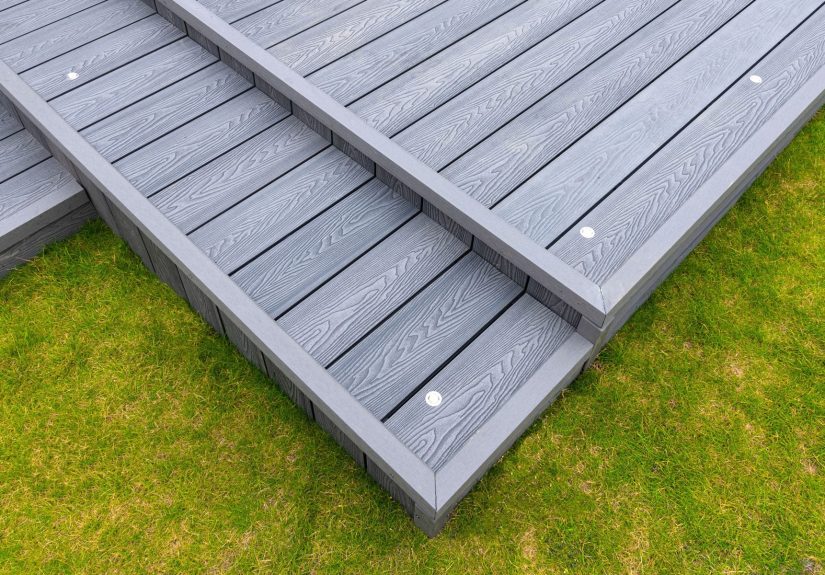
Composite decking is an engineered alternative to wood decking designed for durability and lower maintenance. Most modern boards are “capped,” meaning the core is wrapped in a protective outer layer to boost stain resistance and color retention. Big picture: the core provides structure; the cap provides day-to-day protection.
Capped composite (wood fiber + plastic)
This is the classic “wood-plastic composite” (often shortened to WPC). The core typically blends recycled plastics with wood fibers for a sturdy, wood-ish feel. The best-performing versions add a co-extruded cap on three or four sides. That cap is a big deal: it’s the layer that helps resist fading, staining, and weathering.
Capped polymer / PVC-style decking (more plastic, less drama)
Some premium lines use capped polymer materialsoften described as PVC or “capped polymer.” These boards generally lean harder into moisture resistance and long-term performance, and they often come with longer product and fade/stain warranties. They can cost more upfront, but they’re popular in harsh climates and high-moisture zones (think: coastal air, heavy rain, pool decks, and places where “humidity” is basically a personality trait).
Other engineered options (including mineral-based composites)
You’ll also see specialty materials marketed as advanced composites. The important takeaway is not the buzzwordit’s what the product is tested for, how it’s capped, what the warranty covers, and what installation requirements it demands.
2) The 9 Questions That Help You Choose the Best Composite Decking
If you only remember one thing: the “best composite decking” is the board that fits your sunlight, your traffic, your budget, and your patience level.
Question 1: What’s your climate and exposure?
Start with the environment, because Mother Nature does not read product brochures.
- Full sun all day: prioritize strong fade protection and consider lighter colors to reduce heat buildup.
- Wet/humid areas: look for boards designed for moisture resistance and easy cleaning (mildew happens).
- Freeze/thaw regions: confirm the product is rated for your conditions and follow spacing/installation rules carefully.
- Coastal air: salt + moisture = pick higher-performance materials and corrosion-resistant fasteners.
Question 2: How do you actually use the deck?
A “coffee and crossword” deck has different needs than a “kids, dogs, and a grill that sees more action than your stovetop” deck.
- Kids/pets: favor scratch-resistant textures and boards with strong stain protection.
- Outdoor dining: fade/stain resistance matters (hello, barbecue sauce and dropped lemonade).
- Hot tub/pool: prioritize slip resistance, comfort underfoot, and moisture performance.
Question 3: How much heat can you tolerate?
Let’s be honest: many materials get hot in direct sun, including wood. Composite can warm up too. Practical ways to keep things comfortable include choosing lighter colors, adding shade (pergola, sail shade, umbrella), and designing for airflow. If barefoot comfort is a top priority, this is worth testing with samples in the sun.
Question 4: Do you want capped boards (yes, probably)?
Most homeowners aiming for “best” should lean toward capped boards because the cap is what improves stain resistance and long-term color stability. If you’re comparing options, ask whether the cap is three-sided or four-sided, and what that means for moisture exposure (especially around edges and underside).
Question 5: What texture do you want (and what traction do you need)?
Composite decking comes in a range of embossing patterns and textures. More texture can improve traction, but it may hold dirt a bit more than smoother surfaces. If you have a pool, a frequently wet deck, or anyone with mobility concerns, traction is not the place to guess.
Question 6: Grooved edge or square edge?
This isn’t just a detailit affects cost, appearance, and installation.
- Grooved-edge boards typically work with hidden fasteners for a clean surface (no visible screw heads).
- Square-edge boards are often face-fastened (screws + color-matched plugs) and are commonly used for picture framing and borders.
Many decks use a combo: grooved boards in the field and square-edge boards for the perimeter and stairs. That’s normalplan for it.
Question 7: What does the warranty really cover?
Two warranties often matter most: a product/structural warranty and a fade & stain warranty. Premium lines may offer longer coverage; entry-level lines may offer shorter terms. Also watch for details like transferability, required cleaning, and installation rulesbecause warranties love fine print the way squirrels love bird feeders.
Question 8: What framing and joist spacing does it require?
Composite decking is pickyin a good way. Some boards require tighter joist spacing for a solid feel and proper support, especially on diagonals and stairs. As a common guideline, many installations cap at 16″ on-center joists, with tighter spacing preferred for diagonal layouts; stairs may require even closer support depending on the system. Confirm your chosen brand’s installation guide before you buy the last board (or the first).
Question 9: What’s your real budgetupfront and long-term?
Composite typically costs more than pressure-treated lumber at checkout, but it can reduce ongoing maintenance costs and time. For many homeowners, the “best value” is the board that avoids repeated staining/sealing cycles and stays attractive with simple cleaning. Your budget should include:
- Deck boards (field + border + stairs)
- Hidden fasteners / screws / plugs
- Fascia and trim
- Railing (often the stealth budget-buster)
- Framing upgrades (if tighter joist spacing is needed)
3) Good vs Better vs Best Composite Decking (Without the Headache)
Most major brands structure lines into tiers. The pattern is predictable:
- Good (entry level): fewer color options, more uniform look, solid performance, best for straightforward decks and budgets.
- Better (mid-tier): improved embossing/texture, richer colors, stronger warranties, generally better scratch/stain performance.
- Best (premium): high-end caps, deeper multi-tonal colors, more realistic wood visuals, longer warranties, and often better moisture performance.
Example: comparing tiers like a normal human
Instead of comparing 47 product names, compare by cap quality, warranty length, color realism, and installation demands.
- If you entertain a lot: pay for the stronger stain protection. Food + drinks + sunscreen + pollen is a chaotic combo.
- If you have big dogs: prioritize scratch performance and texture. Dog nails can be surprisingly persuasive.
- If you’re building near water: consider higher moisture resistance and traction-focused textures.
- If you want “wood, but make it immortal”: premium multi-tonal boards tend to look the most natural and hide everyday dust better.
4) Don’t Forget Safety: Railings, Inspections, and Fire Ratings
Deck safety is a “now” problem, not a “later” problem
A gorgeous deck isn’t helpful if it’s wobbly. Industry safety groups encourage regular deck inspectionschecking ledger connections, fasteners, posts, railings, and signs of rot or corrosion. Even if you’re upgrading only the surface boards, it’s smart to evaluate the structure below.
Fire-resistant decking and WUI compliance (for wildfire-prone areas)
If you live in a wildfire-prone region (or a Wildland-Urban Interface zone), decking can fall under special building requirements. Some composite lines are tested against fire-rating standards (often referencing ASTM testing) and may meet WUI compliance requirements. If that applies to you, don’t guessconfirm the exact product line and approval status for your jurisdiction.
Slip resistance: keep it clean, keep it safe
Traction depends on texture and cleanliness. Even great surfaces can get slick when covered in pollen, algae, or fine dust. Choose an appropriate texture for your needs and plan for regular cleaningespecially in shaded or damp areas.
5) Composite Deck Maintenance: Low-Maintenance, Not No-Maintenance
Composite is famously easier than wood, but it still benefits from basic care. A simple routine most homeowners can actually keep:
- Seasonal rinse: hose off pollen and dirt before it becomes “deck patina.”
- Spot-clean spills: especially grease, wine, sauces, and anything involving turmeric.
- Gentle scrub as needed: mild soap, water, and a soft-bristle brush go a long way.
One key rule: follow the manufacturer’s cleaning guidance. Some advise against aggressive pressure washing because it can damage the surface texture or drive grime into embossed patterns. When in doubt, gentle beats “blast it like a driveway.”
6) Common Composite Decking Mistakes (And How to Avoid Them)
Mistake 1: Choosing a dark color for a full-sun deckthen acting surprised in July
Dark colors can look stunning, but they can also absorb more heat. If your deck bakes in direct sun, consider lighter tones, add shade, or test samples in the hottest spot of your yard before committing.
Mistake 2: Ignoring joist spacing and stair support
Composite boards can feel bouncy if the frame spacing doesn’t match the product requirements. This is especially true on stairs and diagonal layouts. If your plan involves fancy patterns, build the frame for itblocking and tighter spacing are part of the cost of “wow.”
Mistake 3: Assuming all boards are the same thickness
Some product lines vary in thickness. Mixing them can create uneven transitions (and trip hazards). Keep your deck surface consistent unless the manufacturer specifically allows the combination.
Mistake 4: Skipping the “whole system” mindset
Decking is not just deck boards. Budget for fascia, stair boards, railing, and the fastener system that matches your board profile. The best composite deck is a coordinated system that looks intentional, not like a leftover-lumber buffet.
Mistake 5: Forgetting airflow and drainage
Good ventilation helps any deckwood or compositeby reducing moisture buildup and grime. Keep the under-deck area from becoming a damp storage cave, and design for drainage so water doesn’t sit where it shouldn’t.
7) A Quick Composite Decking Cheat Sheet
- Want the most “wood-like” look? Premium multi-tonal capped composite lines tend to win.
- Building near a pool, lake, or humid climate? Prioritize moisture performance + traction-friendly texture.
- Have pets and heavy furniture? Choose stronger scratch performance and avoid ultra-glossy finishes.
- Full sun all day? Consider lighter colors and verify fade coverage in the warranty.
- Wildfire zone/WUI? Confirm fire testing and local compliance for the exact product line.
- Love hidden fasteners? Choose grooved boards for the field and plan square-edge borders where needed.
8) Real-World Experiences: What Homeowners Commonly Wish They’d Known (Extra )
You can read specs all day, but the best composite decking choices often come from the little “ohhh” moments people have after living with a deck through a full year of seasons, shoes, and spaghetti sauce. Here are a few real-life patterns contractors and homeowners commonly describeconsider them the backyard version of wisdom teeth: you don’t fully appreciate the advice until it’s too late.
The “Hot-Toes Deck” Lesson
A lot of homeowners fall in love with dark, dramatic boards in the showroom. Then July arrives and the deck turns into a “no shoes, no service” zone. The fix isn’t panicit’s planning. People who end up happiest typically did one of three things: chose a lighter color, added shade, or tested samples in the sun before buying. The funny part? Even the folks who keep the dark boards are usually still happythey just become very passionate about outdoor rugs and strategically placed lounge chairs.
The “Dog Nail Test” Lesson
If you have a big dog, your deck gets audited daily by a four-legged quality inspector. Homeowners often report that the difference between “fine” and “fantastic” is the board’s resistance to micro-scratches and how well the texture hides normal wear. Many people who upgrade to mid-tier or premium capped boards say they notice fewer visible marks over timeespecially in high-traffic runs from the door to the yard. Translation: your dog will still sprint like a maniac, but your deck won’t look personally offended by it.
The “BBQ Sauce Incident” Lesson
One of the most repeated composite-deck wins is stain cleanup. Owners love being able to wipe up everyday messes without treating the deck like a museum exhibit. That said, composite still rewards quick action. The happiest stories are always the ones where someone cleaned the spill promptly, used mild soap and water, and moved on with their life. The cautionary tales usually involve letting grease sit through a weekend because “we’ll handle it later.” Composite is forgivingbut like any good relationship, it prefers honesty and timely communication.
The “Why Does It Look Different on My House?” Lesson
Composite boards can have intentional color variation, grain patterns, and multi-tonal streakingespecially premium lines meant to mimic hardwood. Homeowners who love the final look often say they took time to shuffle boards from multiple bundles during installation to blend the pattern naturally. The folks who didn’t… sometimes end up with one section that looks like it was installed during a power outage. The fix is simple: mix boards, step back, and view the deck from the house before everything gets fastened permanently.
The “Bouncy Stairs” Lesson
Stairs are where “close enough” framing becomes “why does this feel like a trampoline?” Composite stair treads often need more support than people expect, and homeowners commonly say this is the #1 comfort issue they wish they’d addressed early. The best experiences come from teams that followed the manufacturer’s stair and framing requirements, added the right blocking, and used the correct fasteners. It costs a little more time and lumber, but it’s the difference between confident footing and that tiny voice in your head saying, “Is this normal?”
Bottom line: the “best” composite decking is the board that fits your daily life. If you match the board’s performance tier to your deck’s real behavior (sun, water, traffic, pets, parties), composite delivers on its big promise: a deck you use moreand maintain less.
Conclusion: Choose the Board That Buys Back Your Weekends
Composite decking shines when you choose it deliberately: match the material type and cap protection to your climate, pick a texture and color that suit how you’ll actually live on the deck, and follow installation requirements so the finished surface feels solid and looks polished.
Want the simplest path to a great decision? Narrow your shortlist to two or three product lines, order samples, test them in your sun and shade, and compare warranties side-by-side. The “best composite decking” isn’t the fanciest board on the internetit’s the one that still looks good after a year of real life.