Table of Contents >> Show >> Hide
- What Makes Great Beef and Broccoli?
- Quick Recipe Snapshot
- Ingredients
- Step-by-Step: How to Make Beef and Broccoli
- 1) Slice the Beef Like You Mean It
- 2) “Velvet” the Beef (Easy Restaurant Trick)
- 3) Prep the Sauce Now (Future You Will Be Grateful)
- 4) Cook the Broccoli So It Stays Bright
- 5) Sear the Beef in Batches
- 6) Aromatics + Broccoli = The Smell That Brings Everyone to the Kitchen
- 7) Add Sauce, Then Return Beef
- 8) Finish and Serve
- Pro Tips for Takeout-Style Results
- Flavor Variations (Because You’re Allowed to Have Fun)
- Common Mistakes (and How to Fix Them)
- Make-Ahead, Storage, and Reheating
- FAQ
- Kitchen Experiences: My Beef-and-Broccoli Era (Extra Serving of Storytime)
Beef and broccoli is the dinner equivalent of a comfy hoodie: dependable, flattering, and somehow appropriate for
both “I’m trying to eat vegetables” and “I want something saucy over rice.” It’s also one of those dishes that
feels like restaurant magicuntil you realize the “magic” is mostly just good timing, high heat, and a sauce that
knows what it’s doing.
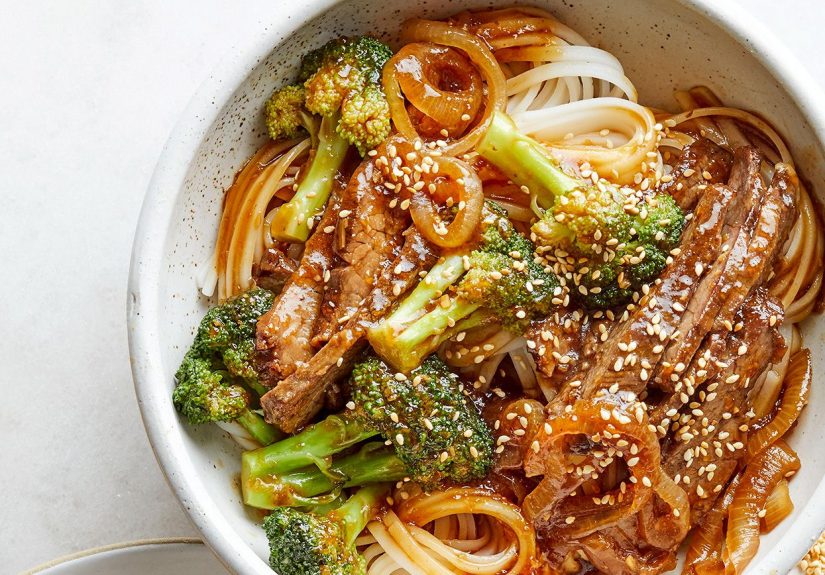
This guide gives you a takeout-style beef and broccoli recipe with tender beef, crisp-tender
broccoli, and that glossy brown sauce that clings like it pays rent. Along the way, you’ll learn the small
techniques that separate “pretty good” from “why am I ordering takeout again?”
What Makes Great Beef and Broccoli?
The best versions nail three things at once:
- Tender beef that stays juicy even after a hot sear.
- Bright, crisp-tender broccoli (not army-green sadness).
- A savory-sweet stir-fry sauce that’s glossy, balanced, and not gluey.
The secret is not a secret ingredient so much as a strategy: prep everything first, cook fast, and let the sauce
thicken right at the endlike the closing scene of a movie where all the plot threads finally connect.
Quick Recipe Snapshot
- Prep time: 20 minutes (plus 15–30 minutes optional marinating)
- Cook time: 10 minutes
- Total time: ~30 minutes
- Serves: 4
- Skill level: Weeknight warrior
Ingredients
For the Beef
- 1 to 1 1/4 pounds flank steak (or skirt steak, top sirloin, or flat iron), thinly sliced against the grain
- 1 tablespoon low-sodium soy sauce
- 1 tablespoon Shaoxing wine or dry sherry (optional but recommended)
- 1 teaspoon toasted sesame oil
- 1 1/2 tablespoons cornstarch
- 1 teaspoon neutral oil (canola, avocado, peanut)
- Optional: 1/4 teaspoon baking soda (for extra tenderness; see notes)
- Black pepper to taste
For the Broccoli & Aromatics
- 4 to 5 cups broccoli florets (about 1 large head), stems peeled and sliced if you want to be thrifty
- 3 cloves garlic, minced
- 1 tablespoon fresh ginger, minced or grated
- 2 to 3 scallions, sliced (white and green parts separated)
- 2 tablespoons neutral oil, divided
For the Sauce
- 1/3 cup low-sodium soy sauce
- 3 tablespoons oyster sauce
- 2 tablespoons chicken broth or water
- 1 to 2 tablespoons light brown sugar (adjust to taste)
- 1 tablespoon Shaoxing wine or dry sherry (optional)
- 1 teaspoon toasted sesame oil
- 1 1/2 teaspoons cornstarch
- Optional: 1 teaspoon dark soy sauce (for deeper color)
- Optional: pinch of red pepper flakes or a small spoon of chili crisp
For Serving
- Steamed jasmine rice, brown rice, or noodles
- Sesame seeds (optional, but they make everything look intentional)
Step-by-Step: How to Make Beef and Broccoli
1) Slice the Beef Like You Mean It
Thin slices cook fast and stay tender. If your steak is floppy and hard to slice, pop it in the freezer for
10–15 minutes so it firms up slightly. Always slice against the grainlook for the long lines in
the meat and cut across them. This shortens the muscle fibers, which makes chewing feel less like an endurance sport.
2) “Velvet” the Beef (Easy Restaurant Trick)
In a bowl, toss the sliced beef with soy sauce, Shaoxing wine (if using), sesame oil, cornstarch, neutral oil,
black pepper, and optional baking soda. Let it sit 15–30 minutes while you prep everything else.
Why this works: the cornstarch forms a thin protective coating that helps the beef stay juicy and also helps sauce
cling later. The optional baking soda gently raises the surface pH, which can make certain cuts feel more tender
but don’t overdo it, or you’ll drift into “mystery soft” territory.
3) Prep the Sauce Now (Future You Will Be Grateful)
In a small bowl, whisk together soy sauce, oyster sauce, broth/water, brown sugar, Shaoxing wine (optional),
sesame oil, cornstarch, and any optional dark soy or heat. Set aside.
Stir-fry happens fast. If you’re measuring ingredients while the pan is screaming hot, you’re not cookingyou’re
auditioning for a stress commercial.
4) Cook the Broccoli So It Stays Bright
You have two great options:
- Fast blanch (best for color): Boil salted water, add broccoli for 2–3 minutes until bright green,
then drain well. (If you want maximum crispness, dunk in ice water, then dry thoroughly.) - Steam in the pan (best for minimal dishes): In your hot skillet/wok, add broccoli with a splash
of water and cover for 1–2 minutes to jump-start cooking, then uncover and stir-fry to finish.
Either way, the goal is crisp-tenderit should still have a little bite so it doesn’t melt into the sauce.
5) Sear the Beef in Batches
Heat a wok or large skillet over high heat until it’s very hot. Add 1 tablespoon oil. Spread half the beef in a
single layer and let it sear undisturbed for 30–45 seconds, then stir-fry another 30–60 seconds until mostly cooked.
Transfer to a plate. Repeat with remaining beef.
Batch cooking prevents steaming. If you crowd the pan, you’ll still get dinnerbut the beef will sigh sadly instead
of sizzling confidently.
6) Aromatics + Broccoli = The Smell That Brings Everyone to the Kitchen
Lower heat slightly (still medium-high). Add the remaining tablespoon of oil, then add scallion whites, garlic, and
ginger. Stir for 15–30 secondsjust until fragrant.
Add the broccoli and toss for 1–2 minutes to coat with the aromatics and pick up a little char.
7) Add Sauce, Then Return Beef
Give your sauce a quick re-whisk (cornstarch settles), then pour it into the pan. Stir constantly as it bubbles and
thickensthis usually takes 30–60 seconds.
Return the beef (and any juices) to the pan and toss everything together for another 30–60 seconds, just until the
beef is cooked through and coated.
8) Finish and Serve
Turn off heat. Add scallion greens and a sprinkle of sesame seeds if you like. Serve immediately over rice or noodles.
Enjoy the brief, glorious moment where broccoli is a vegetable and also basically a sauce delivery system.
Pro Tips for Takeout-Style Results
Use the Right Cut (and the Right Slice)
Flank and skirt are classics because they’re beefy and quick-cooking. Top sirloin is a great budget-friendly option
that stays tender when sliced thin. No matter what you choose, slicing against the grain is non-negotiable.
High Heat, Short Time
Stir-fry should feel fast. Preheat your pan properly and keep ingredients dry so they sear instead of steam. If you
don’t own a wok, a large heavy skillet worksjust don’t be shy about heat.
Don’t Skip the “Whisk Again” Moment
Cornstarch sinks. If you pour sauce without re-whisking, you’ll get “watery first, gluey later.” A quick stir fixes it.
Flavor Variations (Because You’re Allowed to Have Fun)
Spicy Beef and Broccoli
Add 1–2 teaspoons chili garlic sauce or chili crisp to the sauce. Or toss in sliced fresno chile with the aromatics.
Ginger-Forward and Bright
Double the ginger and finish with a squeeze of lime (not traditional, but delicious). The citrus lifts the richness
of oyster sauce and beef.
Black Bean Garlic Twist
Stir in 1–2 teaspoons black bean garlic sauce to the sauce mixture for a deeper, savory kick that tastes like a
“secret menu” upgrade.
Extra Veggie Version
Add mushrooms, bell pepper, snow peas, or carrots. Just keep pieces small and cook firm veggies a bit longer.
Common Mistakes (and How to Fix Them)
“My Beef Is Tough”
- Slice thinner and against the grain next time.
- Try the cornstarch marinade (velveting) and don’t overcook.
- Cook in batchescrowding encourages steaming and longer cook times.
“My Broccoli Is Mushy”
- Blanch for less time (2–3 minutes is plenty for florets).
- Dry broccoli well before stir-frying so it doesn’t keep steaming in the pan.
- Finish cooking in the sauce brieflydon’t simmer it forever.
“My Sauce Is Too Thick / Too Thin”
- Too thick: Add a splash of water or broth and toss.
- Too thin: Let it bubble 30–60 seconds longer, stirring. If needed, mix 1/2 teaspoon cornstarch with 1 tablespoon water and add gradually.
Make-Ahead, Storage, and Reheating
Beef and broccoli is best fresh, but it reheats well if you’re gentle.
- Make-ahead: Slice beef and mix sauce up to 24 hours ahead. Keep refrigerated separately.
- Store: Airtight container in the fridge for up to 3–4 days.
- Reheat: Quick stir in a hot skillet with a splash of water. Microwave works toouse short bursts so the beef doesn’t overcook.
- Freezing: Possible, but broccoli texture softens. If freezing, undercook broccoli slightly and thaw overnight before reheating.
FAQ
Can I use frozen broccoli?
Yes. For best results, thaw and pat dry to reduce water that can dilute the sauce. You can also cook from frozen,
but expect softer texture and a slightly looser sauce.
What can I use instead of oyster sauce?
Oyster sauce is the signature flavor, but you can approximate it with a mix of hoisin sauce plus a little soy sauce,
or a vegetarian “oyster-flavored” mushroom sauce if you want a similar savory sweetness.
Is this a healthy beef and broccoli recipe?
It can be. You’re getting protein from the beef and a nutrient-dense vegetable with fiber and vitamin C from the
broccoli. To lighten it up, reduce sugar, use low-sodium soy sauce, and serve with brown rice or cauliflower rice.
Kitchen Experiences: My Beef-and-Broccoli Era (Extra Serving of Storytime)
Everyone has a “gateway dish”the meal that makes you feel like a real cook instead of someone who just happens to
own a pan. For a lot of people, it’s roast chicken. For me (and for many busy weeknight humans), it’s beef and
broccoli. Not because it’s fancy, but because it’s fast in a way that still feels like you did something.
You didn’t just heat a thing. You made a thing.
My first attempts were… enthusiastic. I bought the beef, chopped the broccoli, and assumed the rest would work out
through positive thinking. The pan wasn’t hot enough, so the steak released its juices and basically simmered.
The broccoli cooked forever and somehow still had crunchy stems. I poured the sauce in without whisking, which
meant the cornstarch clumped like it was trying to form a union. The final dish tasted fine, but it had the texture
of “close, but no fortune cookie.”
The turning point was learning that stir-fry is less about complicated ingredients and more about a couple of
tiny habits. The first: slice the beef thin and against the grain. It sounds boring, like advice you’d ignore,
but it’s the difference between “tender strips” and “jaw workout.” The second: prep everything before heat happens.
Once your pan is ripping hot, your job is to move food, not hunt for the cornstarch like it’s hiding behind the
cinnamon again. The third: cook the beef in batches. I used to think batches were for people with time. Turns out,
batches are for people who want browning.
Over time, beef and broccoli became my “reset dinner.” If I’d had a long day, I could make it without thinking too
hardbut it still tasted like a small win. I started playing with it: more ginger when I wanted brightness, darker
soy sauce when I wanted that restaurant color, a spoon of chili crisp when I wanted to feel something. I also got
oddly proud of my broccoli color. Bright green broccoli feels like a personal achievement, like your vegetable is
wearing a cute outfit.
The funniest part is how this dish changes the kitchen’s social dynamics. Nobody wanders in when you quietly roast
a sheet pan of vegetables. But the second garlic and ginger hit hot oil, suddenly everyone “just happened to be
nearby.” People ask what you’re making. Pets appear. If you have roommates, they materialize like sitcom characters
sniffing the air. Beef and broccoli is basically an edible announcement: “Something good is happening.”
And once you’ve got it down, it’s a confidence builder. You learn heat management, timing, sauce thickening, and
the weirdly satisfying skill of tossing ingredients like you’re in a cooking montage. Even if you never buy a wok,
this recipe teaches you the stir-fry mindset: hot pan, quick cook, sauce at the end, and dinner on the table before
you can scroll past three “easy dinner hacks” videos.
So if you’re making beef and broccoli tonight, here’s the best piece of experience-based advice I can give:
don’t chase perfectionchase the sizzle. Get the pan hot, keep the ingredients ready, and let the
sauce do its glossy little miracle. You’ll end up with a bowl of comfort that tastes like takeout, costs less,
and comes with the bonus prize of leftovers you actually look forward to.