Table of Contents >> Show >> Hide
- What Are Silverfish and Why Are They in My House?
- The 7 Proven Ways to Get Rid of Silverfish for Good
- 1. Turn Down the Humidity (Silverfish Hate Dry Air)
- 2. Seal Their Sneaky Entry Points
- 3. Lock Up Their Favorite Snacks and Declutter
- 4. Use Traps to Catch and Reduce Silverfish
- 5. Use Desiccant Dusts (Like Diatomaceous Earth) Carefully
- 6. Repel Silverfish with Natural Scents They Can’t Stand
- 7. Clean Smart and Keep Up a Regular “Silverfish Patrol”
- When to Call a Professional
- Real-Life Experiences: What Actually Works in Everyday Homes
- Wrapping Up: Your Silverfish-Free Game Plan
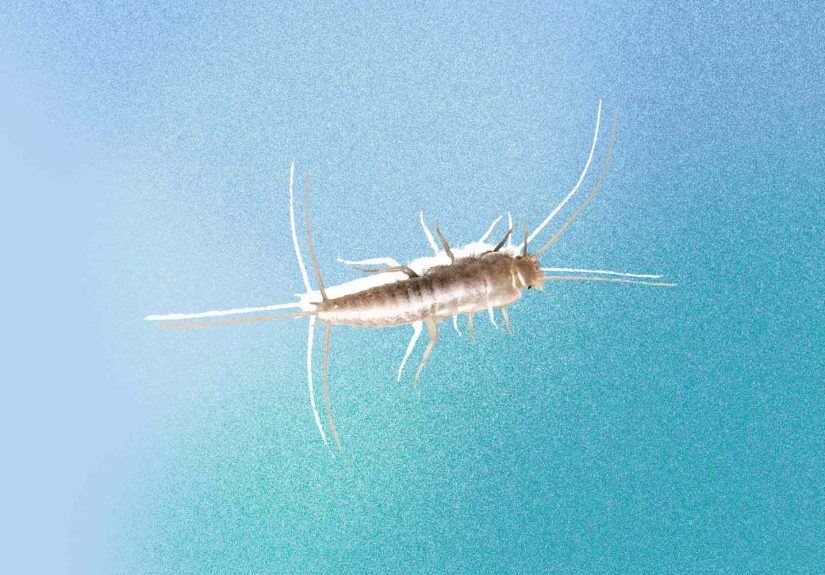
If you’ve ever turned on the bathroom light at 2 a.m. and watched a tiny, silver, noodle-shaped bug sprint for its life, congratulations—you’ve met a silverfish. They don’t bite, they don’t sting, and they don’t care that you just screamed. But they do happily munch on books, photos, clothes, wallpaper paste, cereal, and even your favorite cardboard storage boxes.
The good news: You don’t have to coexist with them forever. With a mix of smart prevention, targeted traps, and a little strategic dusting, you can dramatically reduce silverfish and keep them from coming back. Let’s walk through seven proven ways to get rid of silverfish for good—without turning your home into a chemistry experiment.
What Are Silverfish and Why Are They in My House?
Silverfish are small, wingless insects that get their name from their silver-gray color and fish-like, wiggly movement. They’re nocturnal, fast, and excellent at hiding in dark, humid areas like bathrooms, basements, attics, and behind baseboards.
They’re especially attracted to:
- Moisture and humidity (generally above 60–75%) in bathrooms, kitchens, laundry rooms, and basements.
- Starchy and protein-rich materials like paper, cardboard, book bindings, wallpaper paste, flour, oats, and certain fabrics.
- Cluttered, dark spaces where they can hide undisturbed for years.
While silverfish don’t carry diseases or directly harm humans, they can cause slow, sneaky damage. Irregular holes in paper, yellow stains on fabric, and unexplained damage to stored food or boxes are all classic signs of a silverfish problem.
The 7 Proven Ways to Get Rid of Silverfish for Good
1. Turn Down the Humidity (Silverfish Hate Dry Air)
If your home feels like a spa day for silverfish, that’s problem number one. These insects thrive in humid air, so one of the most effective long-term strategies is to dry things out.
Start with these humidity-busting moves:
- Use dehumidifiers in basements, laundry rooms, and other damp areas to keep humidity below 60%.
- Improve ventilation with exhaust fans in bathrooms and kitchens, and crack a window when showering or cooking if possible.
- Fix leaks under sinks, around tubs, near water heaters, and around windows so moisture doesn’t linger.
- Dry wet areas promptly such as bathroom floors, shower walls, and damp rugs.
Think of it this way: If your home feels less like a rainforest and more like a comfortable living room, silverfish will find it far less appealing.
2. Seal Their Sneaky Entry Points
Silverfish can squeeze through tiny cracks that you barely notice. Even if they already live inside your home, sealing gaps and crevices helps prevent new pests from joining the party and limits their hiding spots.
Grab some caulk and weatherstripping and check for:
- Gaps around baseboards, moldings, and door frames.
- Cracks in walls, especially near plumbing or along foundation lines.
- Loose or damaged window frames and screens.
- Openings where cables or pipes enter the house.
Focus first on moisture-prone areas: bathrooms, basements, laundry rooms, and around utility lines. Sealing isn’t glamorous, but it’s a powerful part of long-term silverfish control and also helps with other pests.
3. Lock Up Their Favorite Snacks and Declutter
Silverfish are carb-lovers. They’ll nibble on everything from flour and cereal to cardboard boxes and paper bags. Making food and “paper buffet” items harder to reach is a simple way to starve out a silverfish population over time.
Try these steps:
- Store pantry foods (flour, oats, cereal, rice, pasta, sugar) in airtight glass or hard plastic containers instead of paper or thin cardboard.
- Use sealed bins for pet food, birdseed, and bulk dry goods.
- Declutter paper piles such as old magazines, junk mail, cardboard boxes, and stacks of documents on the floor.
- Protect keepsakes like photo albums, old letters, and important documents in sealed containers in drier areas of the home.
Bonus: decluttering also makes it easier to clean and spot signs of silverfish, so they can’t quietly destroy your favorite vintage sci-fi novels from behind the bookshelf.
4. Use Traps to Catch and Reduce Silverfish
Traps won’t always wipe out an entire infestation, but they’re fantastic for catching existing bugs and monitoring whether your other efforts are working.
Here are a few effective trap options:
- Sticky traps: Place commercial sticky traps or glue boards along baseboards, behind toilets, under sinks, in closets, and behind furniture. Silverfish run along edges, so those are prime spots.
- Jar traps: Wrap the outside of a glass jar with masking tape so silverfish can climb up. Place a little flour, oats, or cereal inside as bait. Once they drop in, the slick glass walls make it hard for them to crawl back out.
- Newspaper traps: Roll up a slightly damp newspaper and secure it with rubber bands, then leave it in a silverfish-prone area overnight. In the morning, throw it away in a sealed bag or burn it (safely) to destroy any hitchhikers.
Traps are especially helpful in bathrooms, basements, and near bookshelves and storage closets. Just remember to replace or empty them regularly, or you’ve basically created a silverfish hotel with late checkout.
5. Use Desiccant Dusts (Like Diatomaceous Earth) Carefully
If you want to move from “kindly asking silverfish to leave” to “firmly evicting them,” desiccant dusts are a popular option. These products kill insects by drying them out rather than poisoning them in the traditional chemical sense.
The two most common dusts for silverfish are:
- Diatomaceous earth (DE): A natural powder made from fossilized algae. Food-grade DE can be used in cracks, crevices, wall voids, and along baseboards where insects travel.
- Boric acid: Often used as a general insecticide dust. Sprinkled lightly in hidden areas, it can be very effective against silverfish, but it’s toxic if eaten by kids or pets.
Safety tips when using dusts and insecticides:
- Always follow the product label instructions exactly.
- Apply only in thin, barely visible layers in crevices, not giant piles or open surfaces.
- Keep all pesticides and dusts away from children, pets, and food-prep areas.
- Consider starting with diatomaceous earth or other lower-toxicity options before stronger chemicals.
If the infestation is severe, a licensed pest-control professional can use targeted residual insecticides and dusts in wall voids and inaccessible areas—often more effectively (and safely) than a DIY spray-and-pray approach.
6. Repel Silverfish with Natural Scents They Can’t Stand
While natural repellents won’t usually eliminate an infestation by themselves, they can help push silverfish away from certain areas—especially when combined with humidity control and cleaning.
Consider using:
- Cedar: Cedar blocks, shavings, or cedar oil in closets and drawers can make these areas less appealing to silverfish.
- Essential oils: Peppermint, lavender, tea tree, and cedarwood are commonly used. Mix a few drops with water and a bit of mild soap and spray along baseboards, behind toilets, and in corners (test on surfaces first).
- Bay leaves and cloves: Dried bay leaves or whole cloves placed in cupboards, drawers, and storage boxes can act as mild repellents.
- Citrus peels and cinnamon: Orange or lemon peels, as well as cinnamon sticks, are sometimes used to deter silverfish in small spaces like cupboards.
Think of natural repellents as part air freshener, part “no vacancy” sign. They won’t usually solve a large infestation, but they can help keep low-level populations from spreading and discourage silverfish from taking over your linen closet.
7. Clean Smart and Keep Up a Regular “Silverfish Patrol”
Silverfish love undisturbed dust, crumbs, and clutter. So a regular cleaning routine is one of the simplest, most underrated ways to control them.
Focus your efforts on:
- Vacuuming regularly along baseboards, under furniture, inside closets, under couch cushions, and around bookshelves.
- Dusting hard-to-reach places like the tops of door frames, shelves, and behind appliances.
- Laundering stored fabrics such as off-season clothes, linens, and blankets that sit untouched for months.
- Rotating stored items so boxes and bins don’t sit on the floor in dark corners for years at a time.
Pair that with monthly “silverfish patrols” in your highest-risk areas: bathrooms, basements, utility closets, and storage spaces. Check traps, look for damage to paper or fabrics, and watch for live insects when you move items around.
When to Call a Professional
Sometimes, despite your best efforts, silverfish just won’t get the hint. If you’re seeing them regularly in multiple rooms, or you’re noticing ongoing damage to books, files, clothing, or wallpaper, it may be time to call in a professional exterminator.
A pro can:
- Inspect crawl spaces, attics, and wall voids you can’t easily check yourself.
- Apply targeted, long-lasting treatments in hidden areas.
- Help you identify structural or moisture problems that keep feeding the infestation.
Think of a professional treatment as a reset button. Afterward, your job is to maintain low humidity, good sealing, smart storage, and regular cleaning so silverfish don’t get a second chance.
Real-Life Experiences: What Actually Works in Everyday Homes
Every house is a little different, and so is every silverfish battle. But homeowners who win the war tend to have a few things in common: they stay consistent, they combine multiple methods, and they don’t expect miracles from one spray or trap.
For example, imagine a typical scenario: a homeowner in a damp climate starts noticing silverfish in the basement, then in the downstairs bathroom, and eventually in a storage room where old books and cardboard boxes are stacked along the wall. At first, they try a can of generic “bug spray,” and yes, they see fewer bugs—for a week. Then the silverfish are back.
The real turning point comes when they switch to a layered, long-term approach. They set up a dehumidifier and keep the humidity in the 40–50% range, which alone makes the space feel less “buggy.” They vacuum weekly around the baseboards, behind the toilet, and under storage shelves, and toss a bunch of old, unused boxes that have been sitting on the floor for years.
Next, they add a few jar traps with oats in key spots and sprinkle a thin line of diatomaceous earth behind the shelves and along the back wall where nobody walks. They also move important books into plastic bins and put cedar blocks and lavender sachets in the storage area and closets.
In the first week, the traps fill up and it’s a bit gross—but also satisfying, because now they can see the enemy. By week three or four, the number of silverfish spotted at night drops dramatically. A couple still show up in the bathroom now and then, but overall activity is way down.
Another common success story: someone who keeps finding silverfish in a newer home and feels personally offended. They’re tidy, they vacuum, they don’t have piles of clutter—so why the bugs? The answer is usually moisture and entry points, not cleanliness. Once they seal gaps around plumbing, caulk along baseboards, and run the bathroom fan longer after showers, the silverfish slowly disappear. The homeowner didn’t change their cleaning routine; they changed the environment the bugs relied on.
And in some cases, the winning move is calling a professional. One family with an extensive book collection in a partially finished basement noticed silverfish damage on rare volumes. After a professional treatment targeted wall voids and storage areas, they doubled down on moisture control, upgraded a dehumidifier, and stored the most valuable books in sealed cabinets. A year later, they still do occasional “silverfish patrols,” but haven’t seen more than the odd straggler.
The big lesson from all these experiences: there is no single “magic product.” Instead, lasting success usually comes from combining:
- Environmental changes (drying out the home, sealing entry points).
- Smart storage and decluttering (no more silverfish buffets).
- Traps and dusts for active control.
- Consistent, not just one-time, maintenance.
When you stack these strategies together, silverfish go from “permanent roommates” to “rare and unwelcome guests”—and eventually, they’re gone.
Wrapping Up: Your Silverfish-Free Game Plan
Getting rid of silverfish for good isn’t about one heroic cleaning day or a single spray of insecticide. It’s about changing the conditions that make your home attractive to them, then using traps, dusts, and natural repellents to knock back the existing population.
Dry out the air, seal the cracks, protect your pantry and paper goods, use traps and desiccant dusts wisely, add some strategic natural repellents, and keep up a regular cleaning routine. If things are out of control, bring in a professional for a reset and then maintain the progress.
Do that, and you’ll reclaim your home—and finally enjoy a late-night bathroom trip without a tiny silver streak darting across the floor.