Table of Contents >> Show >> Hide
- What Are French Crudités?
- Basic French Crudités Appetizer Recipe
- Why This Recipe Works
- Best Vegetables for a French Crudités Platter
- Dips and Variations
- How to Serve Crudités Like a Pro
- Make-Ahead Tips, Storage, and Common Mistakes
- Frequently Asked Questions
- Final Thoughts
- Kitchen Experience: What This Recipe Feels Like in Real Life
Some appetizers try very hard. They sizzle, stretch, bubble, and demand your full emotional attention. Crudités does none of that. It strolls in looking crisp, elegant, and suspiciously effortless, as if it woke up in a Parisian market basket and decided to be fabulous before lunch. That is the charm of a basic French crudités appetizer recipe: fresh vegetables, a simple dressing or dip, and just enough style to make people think you definitely have your life together.
At its heart, French crudités is all about letting vegetables taste like themselves, only better. Carrots should be sweet and snappy, radishes should wake up your taste buds, cucumbers should cool everything down, and a mustardy vinaigrette or creamy herbed dip should tie the whole platter together without stealing the spotlight. It is the rare appetizer that looks polished, feels light, works for casual gatherings and dressier dinners, and does not require you to hover over a stove muttering at a sauce.
This version keeps things simple but not boring. You will get a classic French-style vegetable spread, a bright Dijon vinaigrette, an optional herbed crème fraîche dip, practical serving tips, make-ahead advice, and a few small tricks that help raw vegetables taste a lot more exciting than “just cut up produce on a plate.” In other words, this is the kind of appetizer that earns compliments while leaving you enough energy to enjoy your own party.
What Are French Crudités?
Crudités are fresh vegetables served as an appetizer, usually cut into elegant sticks, spears, coins, or bite-size pieces. In French-inspired versions, the vegetables may be served plain, lightly dressed, or paired with a vinaigrette, aioli, or creamy herb dip. Unlike a heavy party starter, crudités feel bright and refreshing, which makes them especially useful before a rich main course or as part of a larger appetizer table.
The beauty of crudités is that it balances simplicity with strategy. You want contrast in color, flavor, shape, and texture. Crisp cucumbers, peppery radishes, sweet carrots, tender asparagus, and juicy bell peppers all bring something different to the plate. The goal is not to throw every vegetable in your refrigerator onto a tray and hope for the best. The goal is to create a platter that feels intentional, abundant, and easy to eat while people stand around talking about absolutely anything except the weather.
Basic French Crudités Appetizer Recipe
Serves: 6 to 8
Prep time: 25 minutes
Optional chill time: 30 minutes to overnight
Ingredients for the Crudités
- 3 medium carrots, peeled and cut into thin sticks
- 2 celery stalks, trimmed and cut into sticks
- 1 English cucumber, cut into spears
- 1 red bell pepper, seeded and cut into strips
- 1 yellow bell pepper, seeded and cut into strips
- 8 to 10 radishes, trimmed and halved
- 12 asparagus spears, trimmed
- 1 small fennel bulb, thinly sliced
- 1 cup cherry tomatoes
- 1 endive, leaves separated
Ingredients for the Dijon Vinaigrette
- 3 tablespoons extra-virgin olive oil
- 1 1/2 tablespoons white wine vinegar
- 1 teaspoon Dijon mustard
- 1 teaspoon finely minced shallot
- 1 teaspoon fresh lemon juice
- 1/4 teaspoon kosher salt, plus more to taste
- 1/4 teaspoon freshly ground black pepper
Optional Herbed Crème Fraîche Dip
- 1 cup crème fraîche
- 1 teaspoon lemon zest
- 1 tablespoon lemon juice
- 1 teaspoon chopped fresh chives
- 1 teaspoon chopped fresh parsley
- 1/2 teaspoon dried herbes de Provence
- Salt and black pepper to taste
Instructions
- Prepare the vegetables. Wash and dry everything well. Cut the carrots, celery, cucumber, and bell peppers into tidy sticks or spears. Halve the radishes, slice the fennel thinly, and separate the endive leaves.
- Blanch the asparagus. Bring a small pot of salted water to a boil. Drop in the asparagus for 60 to 90 seconds, just until crisp-tender and bright green. Transfer immediately to ice water, then drain and dry thoroughly. This step gives the asparagus a more tender bite and a beautiful color without making it limp.
- Make the vinaigrette. In a small bowl, whisk together the olive oil, white wine vinegar, Dijon mustard, shallot, lemon juice, salt, and pepper until smooth and lightly thickened.
- Dress lightly. Place the carrots, celery, bell peppers, asparagus, and fennel in a large bowl. Drizzle with about two-thirds of the vinaigrette and toss gently. Leave the cucumber, tomatoes, radishes, and endive undressed for the freshest texture.
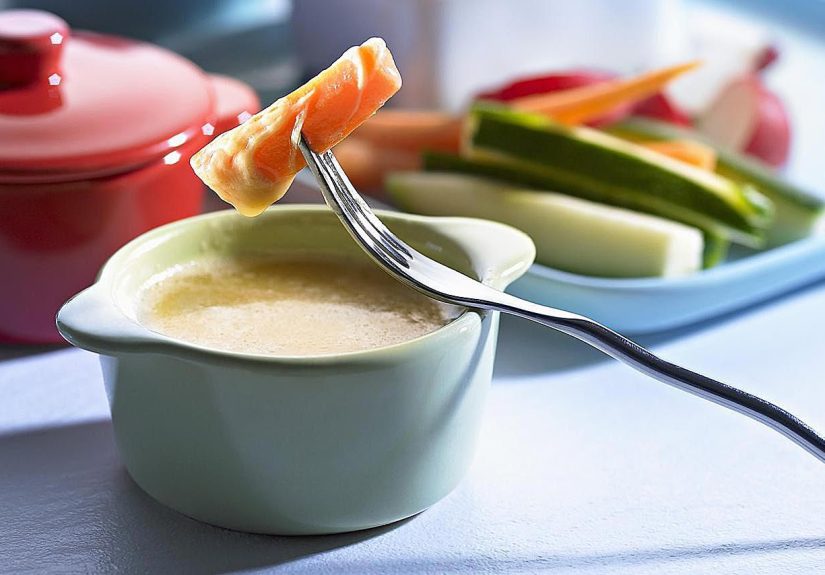
- Mix the dip, if using. Stir together the crème fraîche, lemon zest, lemon juice, chives, parsley, herbes de Provence, salt, and pepper. Chill until ready to serve.
- Arrange and chill. Transfer the vegetables to a platter or large shallow serving board. Group them by type for a neat look, or fan them out in loose color blocks for a more relaxed presentation. Spoon the remaining vinaigrette into a small bowl for dipping or drizzling, and add the herbed crème fraîche on the side.
- Serve cold. Chill the platter for 20 to 30 minutes before serving if you want maximum crispness. Then set it out and try not to act smug when people start hovering around it.
Why This Recipe Works
This basic French crudités appetizer recipe works because it respects the vegetables instead of burying them. The dressing is sharp but not aggressive, creamy options are optional rather than mandatory, and the mix of raw and lightly blanched vegetables creates better texture than an all-raw platter. That means every bite is a little different. One is juicy, one is sweet, one is peppery, one is tender, and none of them feel like a sad obligation before the “real food” arrives.
Dijon mustard is doing a lot of quiet work here. It gives the vinaigrette a French feel, adds tang, and helps emulsify the dressing so it clings to the vegetables rather than collecting at the bottom of the bowl like a tiny salad puddle of disappointment. The shallot adds bite, the lemon keeps everything lively, and the olive oil smooths it all out.
The optional crème fraîche dip adds a more classic French note than a standard ranch-style dip. It is rich but still tangy, and the lemon plus herbes de Provence make it taste fresh rather than heavy. That matters, because a good crudités spread should feel clean and bright, not like your vegetables are wearing winter coats.
Best Vegetables for a French Crudités Platter
Not every vegetable is equally suited to a raw appetizer plate. The best choices are crisp, colorful, easy to cut, and pleasant to eat without a knife. Here are the standouts:
- Carrots: Sweet, sturdy, and classic. Cut them thinly enough so guests do not need the jaw strength of a competitive lumberjack.
- Cucumbers: Cool and juicy. English cucumbers work especially well because they have fewer seeds and tender skin.
- Bell peppers: Crunchy, colorful, and naturally sweet.
- Radishes: Peppery and sharp in the best way. They keep the platter from tasting too polite.
- Asparagus: Better lightly blanched than fully raw, unless the spears are very young and thin.
- Fennel: Crisp with a subtle anise flavor that makes the platter feel more French and a little more grown-up.
- Endive: Slight bitterness adds balance and the leaves naturally scoop dip.
- Cherry tomatoes: Sweet, juicy, and great for color.
You can also use green beans, cauliflower florets, baby lettuces, snap peas, small turnips, or blanched broccolini. Seasonal produce is always a smart move. A spring platter might lean into asparagus, radishes, and sugar snap peas, while summer could welcome cucumbers, peppers, and tomatoes. Fall might invite fennel, endive, and thin carrot batons. Crudités is flexible, but it should still feel edited. You are building a cast, not an entire vegetable census.
Dips and Variations
The vinaigrette alone is enough for a truly basic French crudités appetizer recipe, but adding one dip gives the platter more personality. Here are a few smart directions:
1. Herbed Crème Fraîche
This is the easiest French-style option. It feels refined, takes almost no effort, and pairs beautifully with asparagus, fennel, cucumber, and radishes.
2. Green Goddess
If you want bigger herb flavor, blend sour cream or yogurt with parsley, tarragon, chives, basil, lemon, and a little garlic. It is greener, brighter, and a bit more dramatic in a very acceptable appetizer way.
3. Aioli
A garlicky aioli turns a simple vegetable platter into something that feels almost restaurant-like. Use it sparingly if you have social plans later, unless your friends also had the aioli, in which case everyone is equally committed.
4. Light Yogurt Herb Dip
For a lighter version, swap the crème fraîche for thick Greek yogurt and add dill, parsley, lemon, and a touch of olive oil. It is less rich but still flavorful.
How to Serve Crudités Like a Pro
Presentation matters more than people like to admit. A good crudités platter should look generous, not rigid. Choose a wide platter, shallow bowl, or wooden board. Start with the largest vegetables first, then tuck in smaller pieces. Use color contrast so similar shades do not clump together. Red radishes next to pale fennel look better than red radishes next to red peppers. The eye eats first, and frankly, it is a snob.
Temperature also matters. Cold vegetables taste crisper and fresher, but ice-cold tomatoes can lose some flavor. If you are serving cherry tomatoes, let them sit out for 10 to 15 minutes before guests arrive. Everything else can stay nicely chilled. Keep dips in small bowls rather than drizzling them all over the platter unless you are intentionally going for a more composed, salad-adjacent presentation.
Crudités pairs especially well with sparkling water, chilled white wine, dry rosé, light cocktails, and anything salty on the side. It also works beautifully alongside cheese, olives, nuts, and sliced baguette if you want a broader appetizer spread.
Make-Ahead Tips, Storage, and Common Mistakes
Make-Ahead Tips
You can cut most vegetables a day ahead. Store sturdy vegetables like carrots, celery, radishes, and peppers in airtight containers in the refrigerator. Keep watery vegetables, such as cucumbers, separate so they do not make everything else damp. The vinaigrette can be made a day or two ahead and whisked again before serving. The herbed crème fraîche dip can also be made ahead, which actually helps the flavor settle in and taste more cohesive.
Storage
Leftovers will generally keep for one to two days, though the dressed vegetables soften faster. If you expect leftovers, only dress part of the platter and keep the rest plain. That way tomorrow’s lunch can still feel elegant instead of vaguely soggy.
Common Mistakes
- Cutting vegetables too thick: Crudités should be easy to pick up and bite through.
- Using only one texture: Too many hard vegetables make the platter feel repetitive.
- Overdressing everything: A light touch keeps the vegetables crisp and clean-tasting.
- Skipping drying: Wet vegetables water down dips and make the platter look sloppy.
- Ignoring balance: You need sweet, juicy, peppery, and herbal notes for the platter to feel complete.
Frequently Asked Questions
Can I make this basic French crudités appetizer recipe the night before?
Yes. Prep the vegetables, store them chilled, and assemble the platter shortly before serving. You can also lightly marinate the sturdier vegetables overnight for deeper flavor.
Do I need a dip?
No. A simple vinaigrette is completely traditional and delicious. A dip just gives guests another option and makes the platter feel a little more abundant.
Can I make it dairy-free?
Absolutely. Skip the crème fraîche dip and serve only the Dijon vinaigrette, or use a dairy-free yogurt-based herb dip.
What makes it “French”?
The French feel comes from the simple presentation, emphasis on fresh vegetables, mustardy vinaigrette, and classic flavorings such as shallot, lemon, herbs, and crème fraîche.
Final Thoughts
A basic French crudités appetizer recipe is proof that good entertaining does not have to be complicated to feel impressive. With a smart mix of vegetables, a bright vinaigrette, and an optional creamy dip, you get an appetizer that looks beautiful, tastes fresh, and leaves room for the rest of the meal to shine. It is simple enough for a weekday snack board, elegant enough for a dinner party, and forgiving enough that you can make it your own with seasonal produce and whatever herb situation is happening in your kitchen.
Most importantly, crudités reminds us that appetizers do not always need melted cheese, bacon, or pastry to win people over. Sometimes all it takes is crisp vegetables, sharp dressing, and a platter that says, very calmly, “Yes, I am refreshing and fabulous. Thanks for noticing.”
Kitchen Experience: What This Recipe Feels Like in Real Life
One of the best things about making a French crudités appetizer is that it changes the mood of a kitchen almost immediately. The minute you start slicing carrots into neat batons, trimming asparagus, and lining up bright pepper strips on a cutting board, the whole space feels cleaner, calmer, and somehow more competent. It is the culinary equivalent of putting on a crisp white shirt. Even if the rest of your day has been chaos, the vegetables suggest you are now a person who plans things beautifully.
The first time many home cooks make crudités, they expect it to feel plain. Then something interesting happens. As the platter comes together, the colors start doing all the work that heavy garnishes usually try to do. The red radishes make the cucumbers look greener. The pale fennel makes the carrots look brighter. The endive leaves add shape, height, and a little drama. Suddenly, the appetizer looks intentional rather than minimal. It feels generous without being excessive, which is not always easy to pull off at a party table.
Serving it to guests is its own little lesson in human behavior. People often begin with noble intentions. They take one cucumber spear, maybe a carrot stick, and act as if they are just being polite to the vegetable tray. Five minutes later, they are back for the fennel, then the radishes, then “just one more” dip of asparagus into the herbed crème fraîche. Crudités has a sneaky quality. It looks virtuous, but when it is well seasoned and nicely arranged, it becomes surprisingly addictive. You start hearing the same comments every time: “Why is this so good?” and “I never thought raw vegetables could taste like this.”
There is also something deeply practical about this appetizer that people appreciate more with experience. It buys time. If dinner is running late, crudités keeps guests happy without filling them up too fast. If you are hosting outdoors, it holds up better than many fussy starters. If you are serving richer foods later, the platter gives the menu balance. It is the kind of dish that quietly supports the whole event, which is probably why it has such staying power.
On a personal cooking level, making crudités can teach restraint in the best possible way. You start noticing that a carrot tastes sweeter when it is cold and freshly cut. You realize fennel does not need much help beyond a little acidity. You learn that texture matters as much as flavor, and that a dressing should lift the vegetables, not drown them. Those are useful instincts that carry over into salads, side dishes, and even main courses.
And perhaps the nicest part is this: French crudités makes entertaining feel less performative. You do not need to present a flaming skillet, pipe anything into rosettes, or construct a tower of pastry layers that collapses under social pressure. You just need fresh produce, a bit of care, and a platter that invites people in. It is relaxed, elegant, and quietly confident. In a world full of appetizers trying to go viral, that kind of unfussy charm feels refreshingly timeless.