Table of Contents >> Show >> Hide
If your monthly streaming bill has started to look like a car payment with better lighting, Apple and Peacock have arrived with a rare bit of good news. Their new bundle promises savings of more than 30 percent, and for once, that claim is not just marketing confetti thrown into the air and left for your wallet to clean up.
On the surface, this looks like a simple discount: put two services together, shave off some dollars, call it a day. But the real story is more interesting. This bundle brings together two very different streaming personalities. Apple TV is the polished overachiever with prestige originals, cinematic production values, and a tendency to act like every show deserves its own awards shelf. Peacock is the energetic extrovert with live sports, NBC and Bravo comfort viewing, big studio movies, and enough reality TV chaos to keep a group chat alive for weeks.
Together, they make a surprisingly smart match. If you have been tired of choosing between “serious TV” and “fun TV,” this bundle feels like a peace treaty. It is not just about paying less. It is about getting a fuller streaming experience without stacking subscription after subscription until your bank app starts sending judgmental vibes.
What the Apple TV + Peacock Bundle Actually Includes
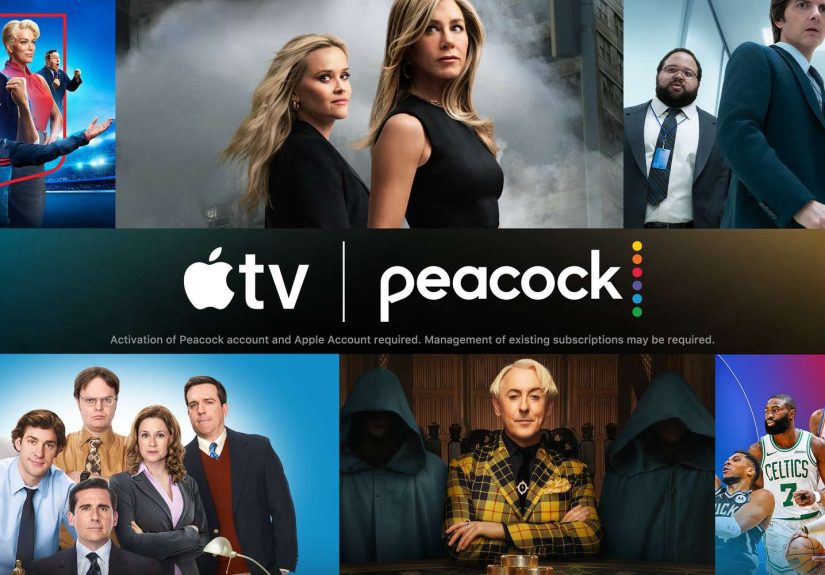
The bundle comes in two versions, and the difference boils down to which Peacock tier you want. The entry-level option includes Apple TV plus Peacock Premium, while the higher-tier option pairs Apple TV with Peacock Premium Plus. In plain English, that means you are choosing between Peacock with ads or Peacock with fewer interruptions and extra perks.
Apple TV stays ad-free either way, which is very on-brand. Apple did not build all those glossy sci-fi corridors and moody close-ups just to let a commercial for dish soap wander through the middle of them. So the Apple side of the bundle remains the sleek, uninterrupted portion of the deal, while Peacock gives you the flexibility to pick the experience that best fits your tolerance for advertising.
The lower-priced bundle is the one most people will gravitate toward because it hits the sweet spot between cost and value. The premium option makes more sense for viewers who want fewer ads, access to Peacock’s upgraded features, and a cleaner binge-watching experience. Either way, the appeal is obvious: two major streamers, one price, less mathematical pain.
Why the Savings Are More Than a Nice Little Bonus
Streaming used to feel simple. Then every media giant decided it needed its own app, its own exclusives, its own original programming strategy, and apparently its own personal relationship with your debit card. In that world, a bundle that saves over 30 percent is not a tiny perk. It is a meaningful correction.
What makes this offer more compelling is that it lands after both services became more expensive on their own. Apple TV is no longer the inexpensive underdog people casually added for one or two shows. Peacock also became pricier as it leaned harder into sports, NBCUniversal programming, and a broader content strategy. So the bundle arrives at exactly the right time: right after both services got good enough to feel valuable and expensive enough to make people hesitate.
That timing matters. Consumers are smarter now. Most viewers know how to rotate subscriptions, cancel when a season ends, and come back later when a new show drops. A strong bundle is one of the few ways to persuade people to stick around longer. This one has a real shot because it blends prestige, comfort viewing, sports, movies, and casual background TV into one package. It is harder to cancel something that covers this many moods.
Why Apple TV and Peacock Make an Oddly Great Pair
At first glance, Apple TV and Peacock do not seem like obvious roommates. Apple TV has built its reputation on premium originals, big stars, careful curation, and a “we do not make much, but what we make looks expensive” philosophy. Peacock, meanwhile, is far more eclectic. It is home to NBC and Bravo staples, live sports, reality series, current-season TV, and a rotating movie lineup that can shift your evening from Oscar buzz to popcorn mayhem in about two clicks.
That contrast is exactly why the bundle works. Apple TV is excellent when you want a focused, high-quality watch. Peacock is excellent when you want options. One gives you the beautifully plated dinner; the other gives you the buffet where somehow sushi, wings, and dessert all feel like the right choice. Separately, each has limits. Together, they cover each other’s blind spots.
Apple TV Brings Prestige and Polish
Apple TV’s pitch has always been quality over clutter. The service leans heavily on original programming, which gives it a cleaner identity than some competitors. You go there for buzzy dramas, smart comedies, visually rich sci-fi, and the sort of programming that makes people say, “Have you watched this yet?” in an increasingly serious tone.
That reputation matters because it gives the bundle an upscale anchor. Apple TV helps this package feel premium, not random. It is the service that makes the bundle seem curated rather than cobbled together.
Peacock Adds Depth, Familiarity, and Live Event Energy
Peacock brings a very different strength. Its value is not just one thing; it is range. It offers live sports, next-day and current-season appeal, NBC and Bravo favorites, library titles, reality TV, blockbuster films, and event-style programming that gives the service a little more pulse. It can be the app you open for a big game, a comfort rewatch, or a chaotic dating show that makes you question humanity and somehow enjoy doing it.
That matters because Apple TV, for all its strengths, is not built to be everything for everyone all the time. Peacock fills that gap. It adds volume and variety. It makes the combined offer feel more like an everyday subscription rather than a specialty one.
Who Should Buy This Bundle
This bundle makes the most sense for viewers who like having one foot in prestige television and the other in mainstream entertainment. If you bounce between serious scripted shows, live sports, hit movies, and comfort-viewing franchises, you are exactly who this package is built for.
It is also a strong fit for households where different people want different things. One person may be fully invested in Apple’s moody dramas and sharp comedies, while another wants NBC favorites, sports, or Bravo-fueled weekend nonsense. The bundle reduces the usual household negotiation where everyone pretends they are “fine with anything” while clearly not being fine with anything.
Best For Shared Households and Busy Viewers
If your home treats the remote like a minor political office, the Apple TV + Peacock bundle helps. It creates a wider middle ground between taste profiles. The Apple side satisfies the “I want something acclaimed” person. The Peacock side satisfies the “I want something on right now” person. That balance is valuable.
It is also good for busy viewers who do not want to micromanage subscriptions every month. Yes, rotating subscriptions can save money. It can also become its own weird hobby. Some people want to optimize. Other people just want to sit down, press play, and not maintain a spreadsheet called Streaming Budget Final FINAL v4. This bundle is for those people.
Who Might Want to Skip It
If you only care about one service, the bundle is less magical. A discount is still wasted money if half the package just sits there like an unopened gym membership. The same goes for ultra-budget viewers who only subscribe during specific release windows. If you are committed to aggressive subscription hopping, you can probably still beat this bundle with careful timing.
But for anyone who realistically watches a mix of originals, sports, movies, and library TV over a typical month, the math starts looking very persuasive very quickly.
How This Bundle Fits the Bigger Streaming Picture
The streaming business has entered its practical era. For years, the strategy was simple: launch a platform, pour money into content, and hope viewers collect subscriptions the way some people collect sneakers. That approach hit a wall. Consumers pushed back. Prices rose. Churn became a real headache. Suddenly, bundling looked a lot less old-fashioned and a lot more intelligent.
The Apple TV + Peacock bundle is part of that larger shift. It reflects a market where growth is harder, customer loyalty is shakier, and convenience matters again. In other words, streaming is discovering something cable figured out decades ago: people like having choices, but they also like feeling that those choices are organized in a way that does not require a flowchart.
Still, this bundle feels more modern than the old cable logic. It is not a giant forced package stuffed with channels you never asked for. It is a targeted pairing of two services with complementary strengths. That is why the offer feels relevant instead of bloated. It trims cost while broadening utility, which is basically the dream.
It also signals confidence from both companies. Apple is saying its originals are strong enough to anchor a value bundle. Peacock is saying its broader entertainment mix and live programming are strong enough to stand beside prestige television without looking like the cheaper cousin who showed up in borrowed shoes. That confidence is part of the sales pitch, and frankly, it works.
The Real-World Experience: What This Bundle Feels Like to Use
Here is where the Apple TV + Peacock bundle becomes more than a pricing story. The best way to understand its appeal is to imagine how it fits into actual viewing habits. Not idealized habits. Real ones. The kind where you start the week intending to watch one thoughtful drama and end Friday night knee-deep in a completely different entertainment universe because your brain has declared a formal strike.
On a Monday, Apple TV feels like the star of the show. It is the service you open when you want something polished, immersive, and intentional. You settle in for a drama with immaculate production design, sharp dialogue, and the sort of soundtrack that makes your speakers feel slightly underdressed. It scratches the “I want to watch something good” itch without requiring endless browsing.
By Wednesday, your mood changes. Work has been chaotic, your inbox has become sentient, and your attention span is doing cartwheels. Suddenly Peacock makes more sense. You want familiar TV, maybe a movie, maybe highlights from a game, maybe a comfort-watch episode you have seen before but somehow still need. Peacock is built for that looser kind of viewing. It is not always asking for your full emotional commitment. Sometimes it just wants to help you unwind, and honestly, that is a public service.
Then the weekend rolls in, and the bundle starts to show off. One person in the house wants a high-quality series. Another wants sports. Someone else wants a reality show with dramatic pauses and people making terrible romantic choices in excellent lighting. The point is not that one service does all of this perfectly. The point is that together, they remove a lot of friction. There is less negotiating, less app fatigue, and less of that familiar moment where everyone stares at the television like it has personally failed them.
The experience also feels more balanced than many single-service subscriptions. Some streamers are great for a week and then strangely quiet. Others are stuffed with content but do not always feel exciting. This bundle lands in a more satisfying middle ground. Apple TV gives you the “event viewing” energy. Peacock gives you day-to-day variety. One keeps your subscription feeling premium; the other keeps it feeling useful.
Another underrated perk is mood flexibility. A good streaming setup should match your energy, not fight it. Some nights you want to be impressed. Other nights you want to laugh, snack, scroll through your phone a little, and only semi-pay attention while still being entertained. This bundle understands that modern viewing is not one fixed ritual. It is a rotating set of moods, attention spans, and time limits. That makes the value feel practical, not theoretical.
Even the identity of the bundle is smart. Apple TV brings aspiration. Peacock brings accessibility. Put them together and you get a package that feels both elevated and easygoing. It is the streaming equivalent of wearing something stylish with sneakers: still put together, but not trying too hard.
Most importantly, the bundle reduces a little bit of everyday subscription stress. You stop asking whether each individual app is worth it on its own every single month. Instead, you start thinking about the total experience. Are you getting strong originals, recognizable franchises, sports, movies, and enough variety to satisfy different viewing moods? In this case, the answer is usually yes.
That is why this bundle works. It is not just cheaper. It is easier to justify. It feels like a package built around how people actually watch now: in bursts, in moods, in households, across genres, and with very little patience for overpaying. In the crowded streaming world, that kind of real-life usefulness might be the most valuable feature of all.
Final Verdict
The Apple TV + Peacock bundle succeeds because it does two things at once: it lowers the cost of subscribing to two increasingly valuable services, and it creates a more rounded entertainment package than either streamer offers alone. Apple TV contributes prestige, consistency, and ad-free originals. Peacock adds scale, live events, sports, familiar franchises, and a broader everyday appeal.
That mix makes the bundle more than a discount play. It is a strategic answer to streaming fatigue. Instead of asking viewers to keep stacking full-price services, it offers a more reasonable path: pay less, get more variety, and stop pretending you only need one app when your viewing habits clearly disagree.
So yes, “saves over 30 percent” is the headline. But the real selling point is that the bundle actually makes sense. And in streaming, where many offers feel like they were assembled by a spreadsheet with a marketing budget, that is refreshingly rare.