Table of Contents >> Show >> Hide
- What Is an Antique Style Edison Reproduction Light Bulb?
- Why These Bulbs Still Have a Cult Following
- Incandescent vs. LED Edison Reproduction Bulbs
- How to Read the Specs Before You Buy
- Where Antique Style Edison Reproduction Bulbs Work Best
- Common Mistakes People Make
- How to Style Them Without Making Your House Look Like a Theme Restaurant
- Are Antique Style Edison Reproduction Light Bulbs Worth It?
- Real-World Experiences With Antique Style Edison Reproduction Light Bulbs
- Conclusion
- SEO Tags
If a regular light bulb is the plain white T-shirt of home lighting, the antique style Edison reproduction light bulb is the leather jacket. It shows up with attitude, steals attention from the fixture, and somehow makes a room feel more intentional before you have even fluffed a pillow. That is the magic of this bulb category: it is not just a light source, but a design choice with a pulse.
Today’s antique-style Edison reproduction bulbs are inspired by the early electric lamps associated with Thomas Edison, but the modern versions are far more practical than the originals. Many are now LED filament bulbs that mimic the visible coils, warm amber tint, and old-world charm of vintage incandescent lamps while using far less energy and lasting much longer. In other words, you can get the moody speakeasy glow without behaving like your electric bill is a hobby.
This guide breaks down what an antique style Edison reproduction light bulb really is, why it remains so popular, what specs matter before you buy, where it works best, and how to avoid the classic mistake of choosing a bulb that looks gorgeous but lights your kitchen like a historical reenactment.
What Is an Antique Style Edison Reproduction Light Bulb?
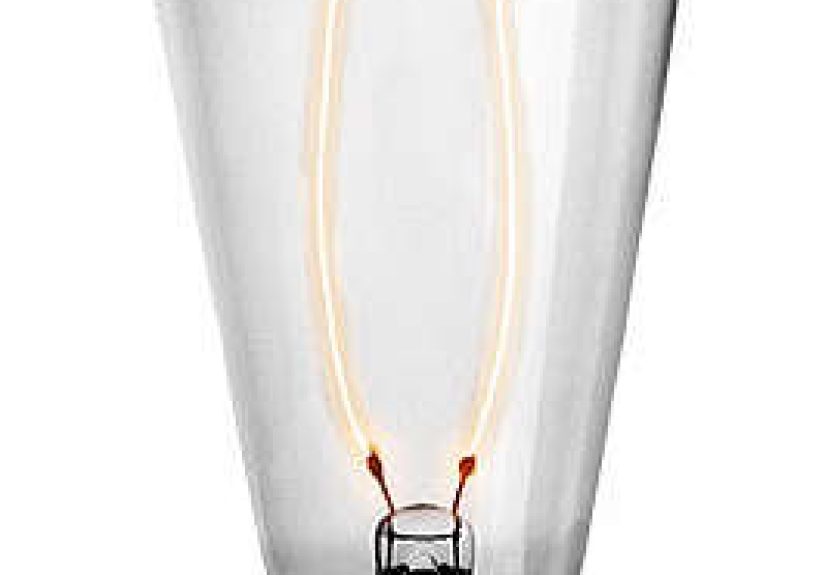
An antique style Edison reproduction light bulb is a decorative bulb designed to recreate the appearance of early incandescent lighting. Instead of hiding inside a lamp shade and minding its own business, this bulb is meant to be seen. Its charm usually comes from a few signature details: exposed filament or filament-style LED strands, elongated or globe-shaped glass, a warm color tone, and often amber-tinted glass that softens the glow.
The word reproduction matters here. These bulbs are generally not antiques. They are modern products made to capture the look of old-fashioned lighting. Some versions are still incandescent, but most shoppers now choose LED models because they offer the same vintage-inspired appearance with better energy efficiency, longer rated life, and broader compatibility with decorative fixtures.
In short, an antique style Edison reproduction light bulb is half lighting product, half décor accessory. It is what happens when function and flair decide to split rent.
Why These Bulbs Still Have a Cult Following
The Visible Filament Does the Heavy Lifting
The biggest appeal is visual. Traditional bulbs disappear into a fixture. Edison-style bulbs become part of the fixture. The filament is the star of the show, whether it is shaped like a spiral, hairpin, squirrel cage, or straight line. Even when the bulb is switched off, it still contributes texture and character.
That matters in open fixtures such as sconces, pendant lights, chandeliers, vanity bars, and porch lanterns. In those settings, a standard frosted bulb can look like a placeholder. An antique reproduction bulb looks deliberate, like you actually meant for people to notice it and were not simply trying to avoid walking into furniture.
The Warm Glow Feels Instantly Cozy
Another reason people love these bulbs is the quality of the light. Antique-style Edison bulbs often lean warm, extra warm, or candlelight warm. That means the glow feels softer and more atmospheric than the sharp, bright light many people associate with utility bulbs. It is a favorite choice for dining rooms, reading nooks, bedrooms, bars, restaurants, covered patios, and anywhere a cozy mood matters more than surgical precision.
That same warmth is also why these bulbs are a style tool. They can make industrial fixtures feel more inviting, rustic spaces feel authentic, and newer interiors feel less sterile. One bulb swap can take a room from “builder-grade compromise” to “somebody in this house owns at least one design book.”
Incandescent vs. LED Edison Reproduction Bulbs
This is where smart shopping starts. Not all antique style Edison reproduction light bulbs are created equal, and the biggest dividing line is the technology inside the glass.
Incandescent Versions
Incandescent Edison bulbs deliver the most historically faithful look. The glow is undeniably romantic, the filament looks authentic, and the light often feels rich and flattering. But they also run hotter, use more electricity, and typically have a shorter life span. They are usually best for people who want a period-correct appearance in a very specific decorative setting and are comfortable trading efficiency for authenticity.
LED Versions
LED Edison reproduction bulbs are the dominant modern option, and for good reason. They imitate vintage filament patterns while using a fraction of the wattage of older incandescent bulbs. Many are dimmable, available in several glass finishes, and built to last thousands of hours longer than traditional decorative bulbs. They are especially appealing for daily-use spaces where the bulb is visible and style matters, but efficiency still counts.
If you like the old-school look but would prefer not to relive the utility habits of 1910, LED is the obvious winner. It is basically nostalgia with better life choices.
How to Read the Specs Before You Buy
An antique style Edison reproduction light bulb may look simple, but there is a surprising amount to check before clicking “add to cart.”
1. Shape Matters More Than Most People Expect
These bulbs come in shapes such as ST19, ST18, ST20, A19, G25, and T10. The shape changes the visual effect dramatically. ST-style bulbs are the classic elongated silhouette many shoppers picture when they hear “Edison bulb.” Globe shapes can feel softer and more decorative. Tubular shapes often work beautifully in slim sconces or minimalist pendants.
Choose the shape based on what your fixture reveals. If the bulb is fully exposed, shape is not a technical detail; it is the whole outfit.
2. Base Size Can Save You a Return Label
Most antique style Edison reproduction bulbs use an E26 medium base, which fits many standard household sockets. Smaller decorative fixtures may use an E12 candelabra base. This sounds boring until you buy the wrong one and spend a full afternoon wondering why beauty has betrayed you.
Always verify the base before buying, especially for chandeliers, wall sconces, and specialty pendants.
3. Color Temperature Controls the Mood
If you want that unmistakable amber, vintage glow, look for lower color temperatures such as 2100K, 2200K, or 2400K. These create the warm, candlelike ambiance that makes Edison bulbs so popular. Bulbs around 2700K still feel warm, but they are generally a little cleaner and brighter in tone.
The takeaway is simple: lower Kelvin numbers create more drama and mood, while slightly higher warm-white options give you a vintage look with more everyday usability.
4. Lumens Matter More Than Watts
Watts tell you how much energy a bulb uses. Lumens tell you how much light you actually get. That distinction is especially important with antique-style bulbs because many of them prioritize ambiance over brightness. Some amber decorative bulbs produce a gentle, low-lumen glow that looks stunning in a pendant or restaurant-style fixture but may disappoint in a workspace.
If the bulb is going into a bathroom vanity, kitchen island, or reading lamp, do not shop with your eyes alone. A gorgeous filament cannot help you find the cumin if the room still feels dim at noon.
5. Check Dimming, Enclosed Fixture, and Damp Rating
Many modern Edison-style LED bulbs are dimmable, but not all. Some also work in enclosed fixtures or damp locations, while others are intended only for dry, open fixtures. If the bulb is going in a porch lantern, bathroom sconce, string light setup, or glass-shaded fixture, confirm the rating before buying.
This is the unglamorous part of bulb shopping, but it prevents the kind of disappointment that starts with “It looked amazing online” and ends with a product return.
Where Antique Style Edison Reproduction Bulbs Work Best
Pendant Lights
Few pairings are more natural than an exposed pendant and an Edison bulb. Over a kitchen island, breakfast nook, or bar, these bulbs add warmth and sculptural interest. Clear glass pendants and antique-style bulbs are especially popular because the bulb becomes a design feature rather than a hidden component.
Wall Sconces
In hallways, bathrooms, and bedrooms, antique reproduction bulbs can make sconces feel more tailored and less generic. They work particularly well in brass, black, bronze, and industrial metal finishes.
Dining Rooms and Living Rooms
These bulbs shine in rooms where mood lighting matters. A chandelier with reproduction Edison bulbs can feel intimate, relaxed, and elevated, especially on a dimmer. The effect is flattering and atmospheric, which is a polite way of saying everyone looks better under it.
Restaurants, Cafés, and Hospitality Spaces
Commercial designers love this category because it delivers personality fast. Antique-style bulbs can make a new build feel storied and a plain fixture feel custom. When repeated across a bar, dining room, or entryway, they create visual rhythm and a memorable mood.
Outdoor Covered Areas
Some models are rated for damp or wet locations, making them useful in covered porches, patio string lights, and outdoor sconces. The warm glow is especially appealing outside, where harsh light can flatten a space instead of inviting people into it.
Common Mistakes People Make
The first mistake is assuming all Edison bulbs are bright enough for general lighting. Many are designed primarily for ambiance, not task performance. If you need strong illumination, either choose a brighter filament LED or combine the bulb with layered lighting from recessed fixtures, under-cabinet lighting, or lamps.
The second mistake is overdoing the amber effect. One or two ultra-warm bulbs can feel charming. An entire room full of very low-Kelvin amber bulbs can make the space feel overly orange or dim. Balance matters.
The third mistake is ignoring scale. A tiny bulb in a large statement fixture can look lost, while a large tubular bulb in a delicate sconce may look like it is trying too hard. Match bulb size to fixture size and exposure.
The fourth mistake is forgetting the dimmer compatibility question. Even dimmable bulbs can perform differently depending on the switch. If smooth dimming matters to you, look for compatible pairings rather than assuming every bulb and every dimmer will be instant best friends.
How to Style Them Without Making Your House Look Like a Theme Restaurant
The easiest approach is restraint. Use antique style Edison reproduction light bulbs where the bulb is visible and where visual warmth adds something to the room. Think entryways, over-island pendants, bedside sconces, bar corners, and reading lamps. Let the bulb play a starring role in a few places rather than auditioning for every socket in the house.
Mixing materials also helps. Edison bulbs feel right at home with aged brass, matte black, unlacquered metal, wood, glass, ceramic, and linen. That mix keeps the look grounded and modern instead of theatrical.
If your room already has a lot of vintage elements, choose a cleaner LED filament bulb with slightly brighter output so the space still feels functional. If your room is sleek and modern, an amber Edison bulb can add just enough softness and nostalgia to keep things from feeling cold.
Are Antique Style Edison Reproduction Light Bulbs Worth It?
Yes, if you buy them for the right reason. These bulbs are worth it when you want visible lighting that contributes to the style of a room. They are especially effective in open fixtures, mood-heavy spaces, and design-forward interiors. They are less ideal when your top priority is maximum brightness for work-heavy tasks.
The sweet spot is choosing a version that matches your goal. Want period charm? An incandescent reproduction may appeal to you. Want the vintage look with better efficiency and longer life? LED filament is usually the smarter choice. Want both style and enough brightness to live with every day? Pay close attention to lumens, color temperature, and dimming.
At their best, these bulbs do more than illuminate. They make a room feel considered. They add glow, texture, and a little personality. They are proof that even something as ordinary as a light bulb can have a point of view.
Real-World Experiences With Antique Style Edison Reproduction Light Bulbs
Living with antique style Edison reproduction light bulbs is one of those small home upgrades that feels surprisingly dramatic the first night you switch them on. A basic pendant suddenly looks intentional. An ordinary hallway sconce starts acting like it has opinions. A once-forgotten corner of the room gets that soft amber glow that quietly says, “Yes, someone in this home cares about ambiance.” The experience is often immediate: the fixture does not merely function anymore, it performs.
One of the most common reactions people have is delight at how much the bulb changes the entire mood of a space. In a dining room, the light tends to feel flattering and calm rather than flat and harsh. In an entryway, it can make the home feel warmer before anyone has even taken off their shoes. In a bedroom, especially on a dimmer, it creates a low-key hotel-lounge effect that is equal parts cozy and smug. It is the kind of improvement that makes people say, “Why didn’t I do this sooner?” right before they become slightly insufferable about lighting.
There is also a practical side to the experience. Many people love the look in open fixtures but discover quickly that decorative Edison bulbs are not always task-light champions. They are excellent at atmosphere, but some extra-warm amber versions can be dimmer than expected for chopping vegetables, applying eyeliner, or trying to locate the one black sock that has merged into the carpet. That does not make them a bad choice; it simply means they work best when paired with other layers of light or used in spaces where mood matters more than precision.
Another frequent experience is becoming unexpectedly picky once you have used them for a while. After trying one bulb that is too orange, another that is too dim, and another that hums with the dimmer like it has unresolved feelings, people often realize these bulbs are not interchangeable. Shape, brightness, finish, and color temperature all affect daily satisfaction. A clear bulb can feel crisper and brighter. An amber bulb can feel richer and moodier. A 2700K vintage-style bulb may become the everyday favorite, while a 2100K version earns a permanent spot in the bar area or covered porch.
There is also the simple pleasure of seeing the bulb itself. That is the whole point, really. In the morning, the glass catches light even before the fixture is on. At night, the filament becomes part décor, part glow sculpture. Guests notice it. Designers use it deliberately. Homeowners end up talking about bulb shapes in a way that would have seemed ridiculous a year earlier. And somehow, that is the charm of the antique style Edison reproduction light bulb: it turns a tiny household object into a mood-setter, a style signal, and occasionally the most complimented thing in the room. Not bad for something that screws into a socket.
Conclusion
The antique style Edison reproduction light bulb remains popular because it blends nostalgia with modern decorating needs. It gives exposed fixtures a finished look, adds warmth to interiors, and offers a flexible way to shape mood without changing an entire room. The key is choosing the right version for the job. If you want maximum historical authenticity, an incandescent reproduction may appeal to you. If you want vintage character with better efficiency, longer life, and broader everyday practicality, LED filament bulbs are usually the better investment.
Shop thoughtfully, pay attention to shape, base, lumens, and color temperature, and use these bulbs where they can actually be seen. Done right, they do more than light a space. They give it a little soul.