Table of Contents >> Show >> Hide
- The Problem: Turning a Not-So-Kid-Friendly Movie Into a Kids’ Cartoon
- The First Big Rewrite: “Afterlife” Becomes the Neitherworld
- The Pitch: Nelvana Meets Burton (And Burton Perches Like a Bat)
- “Go for the Literal”: The Joke Machine That Powered the Series
- Designing the Dead: Building a World Where Anything Can Happen
- ABC’s Saturday Morning Era: When Censors Feared… Stinky Feet
- Fox Kids Arrives: “Turn on the Juice and See What Shakes Loose”
- How the Cartoon Kept Burton’s Spirit Without Copying the Movie
- The Trophy Case: Yes, the Cartoon Won an Emmy
- How to Watch It Now: Box Sets, Disc Reissues, and the Afterlife of Home Media
- What the “Beetlejuice” Cartoon Ultimately Proved
- Fan Experiences: What It Feels Like to Revisit the “Beetlejuice” Cartoon Today
- Conclusion
Say it three times and you don’t just summon a ghostyou summon an era. The late ’80s and early ’90s were the golden age of “wait… they made that into a kids’ cartoon?”the same cultural moment that looked at action movies, grown-up comedies, and borderline-nightmare fuel and decided the only logical next step was: Saturday mornings.
And somehow, some way, Beetlejuicea movie built on death, scams, and a wildly inappropriate wedding planbecame a brightly colored, pun-powered animated series where the “Ghost with the Most” wasn’t a villain so much as a chaotic bestie with a shape-shifting problem and a suspiciously flexible relationship with physics.
This is the story of how Tim Burton’s ghoulish con-artist made it to the small screen, how the show’s creators found a kid-friendly angle without sanding off the weird, and how a cartoon about the Neitherworld ended up with real-world milestones: network battles, censor skirmishes, and even an Emmy.
The Problem: Turning a Not-So-Kid-Friendly Movie Into a Kids’ Cartoon
Start with the obvious: the 1988 film is not a gentle lullaby. It’s a spiky supernatural comedy where the title character is gleefully unscrupulous, the afterlife is bureaucracy with mold, and the stakes include a marriage plot that makes you want to call a responsible adulteven if the responsible adult is also a ghost.
But in the ’80s and ’90s, Hollywood had a very specific superpower: selective amnesia. The logic went like this: if the brand is popular, kids will want it; if kids want it, we’ll make it for kids; if the story doesn’t fit, we’ll simply… reinvent the universe.
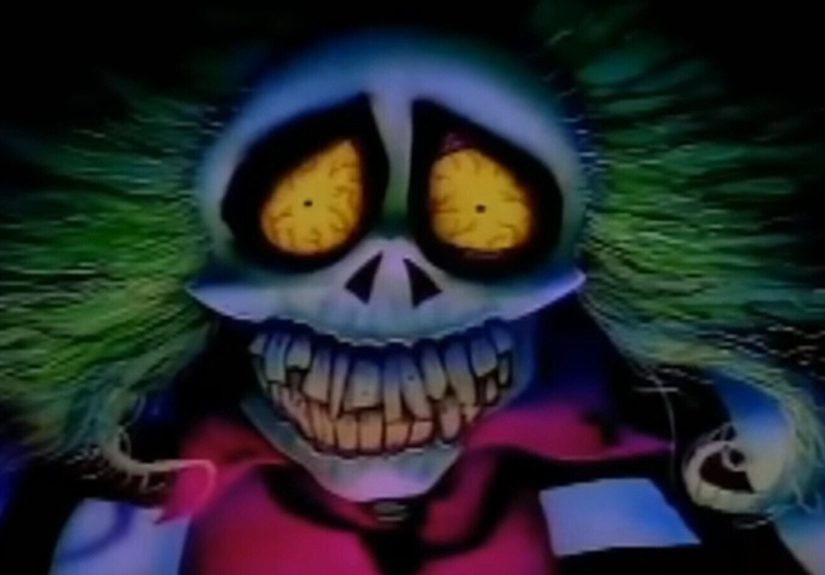
That reinvention became the Beetlejuice animated series, a show that swapped horror-adjacent discomfort for slapstick, wordplay, and surreal fantasy comedywhile keeping the Burton-y DNA of stripes, skewed architecture, and the sense that reality is a suggestion, not a rule.
The First Big Rewrite: “Afterlife” Becomes the Neitherworld
The cartoon’s earliest decisions were surgical and strategic. The Maitlandskey figures in the movievanish entirely. “The afterlife” gets reframed as the Neitherworld, a realm that’s neither here nor there, which is convenient because it can look like anything the storyboard team can dream up.
Meanwhile, Lydia Deetz is aged downmore tween than teenpositioning her as a slightly spooky outsider who feels more at home among monsters than among private-school peers. And Beetlejuice himself gets the biggest makeover: less predatory, less nefarious, more mischievous troublemaker with a talent for turning figures of speech into physical reality.
In other words: the show doesn’t try to “sanitize” the concept so much as redirect itpointing the energy toward comedy, imagination, and the kind of visual mayhem only animation can get away with before breakfast.
The Pitch: Nelvana Meets Burton (And Burton Perches Like a Bat)
The road to the cartoon ran through development meetings where everyone had to answer the same question: “Okay, but what’s the show?” According to the people who built it, the turning point was finding a version of Beetlejuice that felt like a true animated playgroundsomething driven by metamorphosis, gags, and a consistent comedic engine.
One co-showrunner remembered the earliest assignment bluntly: after work on other animation hits, the team was pulled in as Warner Bros. explored a Beetlejuice cartoon, and the studios’ development execs were sent to watch the movie and report back on how to make it “work” for kids.
Then came the meeting with Tim Burtonat the time, deep in preparation for Batman. One producer recalls Burton’s distinctive vibe: he didn’t so much sit in a chair as perch on it, like a man who might sprout a cape if you said his name three times.
What mattered most, though, was alignment. Burton respected the team’s taste and craft, and they clicked over a shared interest in quality animation and a willingness to keep the tone weird instead of chasing the safest possible version of the idea.
“Go for the Literal”: The Joke Machine That Powered the Series
Every enduring cartoon has a repeatable engine: a formula that generates stories without feeling like a formula. For Beetlejuice: The Animated Series, the engine was literal wordplaya style of humor where a pun isn’t just a punchline; it’s a special effect.
One of the key creative sparks, as recalled by the team, came from showing Burton artwork of Beetlejuice with a stomach that opened like a mouthpaired with a line about being “starving.” Burton’s reaction, as the story goes, was essentially: That’s it. Make the language physical. Make idioms become reality. Make the joke visible.
This was perfect for animation. If Beetlejuice says something “stinks,” the world can literally stink. If he says he’s “falling apart,” his body can do exactly thatthen snap back together like a rubber band with stage fright.
Designing the Dead: Building a World Where Anything Can Happen
The show’s look mattered because the show’s logic was visual. You needed a world that could bend, twist, and break into gags without collapsing into chaos soup. The creative team leaned into fresh, stylized designs that captured Beetlejuice’s cartoon identity without trying to trace Michael Keaton’s performance line-for-line.
There was also a deliberate effortespecially early onto experiment with mixed media, including early computer animation. In the mid-’80s and early ’90s, that kind of tech was limited enough to feel eerie by default, which, honestly, is the most on-brand way possible for a kids’ show to use it.
And the show didn’t just import the film’s cast of characters. It invented new ones, including Neitherworld regulars and oddball neighbors, often built around a single strong comedic idealike a creepy computer-generated character whose limitations made him even creepier.
ABC’s Saturday Morning Era: When Censors Feared… Stinky Feet
ABC launched the series as part of its Saturday morning lineup, positioning it alongside other family-friendly staples of the era. The network’s own description framed the show as surreal adventures of Beetlejuice and Lydia in the “Netherworld,” with Lydia described as a 12-year-oldan early snapshot of how the concept was marketed to parents and kids alike.
But broadcast standards in that period could be… creatively intense. The show’s team has described notes from censors that landed in the “you’re kidding” categorycomplaints about Beetlejuice’s stinky feet, for example, and concerns about Beetlejuice eating bugs (which is, to be fair, a recurring character trait that probably doesn’t sell well in the breakfast cereal aisle).
The workaround was classic cartoon mischief: instead of hiding the moment, the team leaned into itstaging a dramatic build-up, then punctuating the act with an exaggerated off-screen “CRUNCH!” It was both compliant and completely Beetlejuice: follow the rules by mocking the rules.
Why ABC Worked Anyway
Despite standards-and-practices friction, the ABC years established the show’s tone and relationship dynamic: Lydia and Beetlejuice as adventurous friends, with Lydia acting as both partner-in-chaos and occasional moral anchorlike a tiny goth librarian supervising a tornado made of puns.
Fox Kids Arrives: “Turn on the Juice and See What Shakes Loose”
Then the show got a second lifebecause syndication rights and children’s TV scheduling are basically the real-world equivalent of necromancy. The deal structure meant the series could also run as a weekday strip, which is how it ended up on Fox Kids.
Fox Kids, newly launched and hungry for programming, needed hours upon hours of content. The result was a massive order: 65 new episodes for weekday broadcastwhile ABC still needed additional episodes too. People involved have described the production pace as, in a word, insane: recording schedules accelerated, workloads ballooned, and the studio shifted into overdrive.
Creatively, the Fox era pushed the show to be wilder, faster, and more self-aware. Writers leaned harder into satire and entertainment-industry jokes, turning the Neitherworld into a funhouse mirror of TV itself. One episode highlighted by fans and critics features Beetlejuice dominating the airwaves with his own talk show, while other stories skewered consumer culturelike an episode built around the “joys” of credit card debt, a subject that feels suspiciously educational if you squint.
When “Edgier” Meant “More Fun”
The Fox mandate, as remembered by the team, was to make it edgier and more energeticmore Beetlejuice, less restraint. That meant bigger swings, sharper satire, and jokes that occasionally landed with a thud in the mailroom, in the form of angry letters from concerned adults who were absolutely sure a striped ghost was part of a larger moral conspiracy.
Behind the scenes, some of those complaints were handled with surprising patience: phone calls, long conversations, and an attempt to defuse outrage with empathy, humor, and the occasional Bible reference. If nothing else, it proves an eternal truth: you can animate the Neitherworld, but you can’t animate away people writing angry letters.
How the Cartoon Kept Burton’s Spirit Without Copying the Movie
The smartest thing the series did was avoid becoming a diluted remake. Instead, it became a remixbuilt from recognizable ingredients, but arranged for a different audience and a different medium.
The Recipe (No Keyword Stuffing, Just Ghost Stuffing)
- A best-friends premise: Lydia and Beetlejuice as co-leads made the show feel like an adventure-comedy, not a horror story with training wheels.
- A flexible setting: The Neitherworld offered infinite locations, creatures, and visual gagslimited more by time and budget than by “rules.”
- Literal wordplay as plot engine: Puns weren’t garnish; they were fuel. Say it, show it, break it, reset.
- Shapeshifting as animation superpower: Beetlejuice’s constant metamorphosis turned every scene into an opportunity for reinvention.
- A tone that mocked “cute and cuddly”: The show didn’t try to be precious. It tried to be funny, strange, and slightly grosson purpose.
Even the music and overall vibe reinforced continuity with the film’s identity. The series leaned on familiar sonic DNA, while also expanding with new cues and cartoon-friendly energyenough to feel like the same haunted address, just with more slapstick in the living room.
The Trophy Case: Yes, the Cartoon Won an Emmy
The wildest flex isn’t the metamorphosis gags or the network hop. It’s that the show didn’t just survive adaptationit collected hardware. In 1990, Beetlejuice won a Daytime Emmy for animated programming in a tie with The New Adventures of Winnie the Pooh. That is an all-time sentence: a chaotic undead prankster and a honey-obsessed bear sharing a podium like it’s the oddest buddy comedy ever filmed.
For the people making the show, the award wasn’t just a shiny objectit was validation that the “keep it weird, keep it smart” approach worked, even inside the bright, highly policed world of children’s TV.
How to Watch It Now: Box Sets, Disc Reissues, and the Afterlife of Home Media
Like many cult-favorite cartoons, Beetlejuice has lived multiple lives through home media. There’s the big milestone release: a complete-series DVD set featuring all 94 episodes across a multi-disc packagean archival-style time capsule of a show that moved from ABC’s Saturday mornings to Fox Kids’ weekday schedule.
More recently, the franchise’s renewed visibility has helped keep the animated series in circulation via reissues and digital availability. It’s an especially fitting fate for a show about a character who refuses to stay buried: the format changes, the audience changes, and Beetlejuice still shows up like he owns the place.
What the “Beetlejuice” Cartoon Ultimately Proved
First: you can adapt almost anything if you identify the core appeal instead of clinging to the plot. The movie’s core wasn’t the exact story beats; it was the attitudeanarchic humor, oddball visuals, and a gleeful disrespect for polite reality.
Second: children’s animation can be sophisticated without being cynical. The best episodes don’t talk down to kids; they invite them into a smarter, faster comedic rhythmone where jokes can exist on multiple levels, from silly slapstick to satire of the media machine.
And third: sometimes the strangest pitch is the one that lasts. A cartoon about a dead guy who makes puns, changes shape, and lives in the Neitherworld should have been a weird footnote. Instead, it became a remembered, rewatched stapleproof that “kid-friendly” doesn’t have to mean “boring.”
Fan Experiences: What It Feels Like to Revisit the “Beetlejuice” Cartoon Today
Watching Beetlejuice: The Animated Series in the mid-2020s is like opening a time capsule and finding it’s still making faces at you. The pacing is brisk, the jokes are unapologetically punny, and the art direction has that hand-drawn elasticity that modern animation sometimes trades away for sleekness. It’s a show that doesn’t just tell you it’s weirdit demonstrates weirdness with the confidence of a ghost doing jazz hands in traffic.
One common experience for returning viewers is noticing how the show plays two games at once. On the surface, it’s bright and silly: shapeshifting gags, slapstick, monsters with goofy names, and Lydia serving as the straight face while Beetlejuice tries to turn every situation into a hustle. Underneath, there’s a surprisingly sharp awareness of the culture that produced itespecially in later episodes that parody television, advertising, and the idea of “programming” as a machine that must always be fed.
Another “adult rewatch” revelation: the series is basically a master class in visualizing language. A lot of modern comedy relies on dialogue alone. This show treats dialogue like a trapdoor. Beetlejuice says the wrong phrase, and the universe obligesturning metaphors into objects, idioms into disasters, and throwaway lines into full-blown set pieces. Even when the pun makes you groan, the animation often makes you laugh anyway, because it commits so hard you can’t help but respect the audacity.
Then there’s the gentle nostalgia of the format itself. The show is built for the rhythms of broadcast TV: short segments, fast premises, clear punchlines, and a reset that lets the next episode go anywhere. That structure can feel oddly comforting nowlike a reminder of when entertainment didn’t demand a ten-hour binge to deliver a payoff. You can watch one episode, get your dose of Neitherworld nonsense, and move on with your day like a responsible citizen who definitely didn’t just invite a ghost into the living room.
Fans also tend to rediscover specific pleasures that only show up with time:
- The Lydia factor: She isn’t a helpless “kid character.” She’s curious, creative, and often the smartest person in the roomhuman or otherwise.
- The “gross, but not mean” tone: The show flirts with slime, stink, and chaos, but usually keeps the vibe playful instead of cruel.
- The Fox-era meta streak: Episodes that turn the Neitherworld into a TV-industry parody land differently now, in an age where everyone knows what a “content machine” is.
- The craft under pressure: Knowing how intense the production schedule became, it’s hard not to admire how often the show still feels inventive.
And finally, there’s the collector’s joy. For some viewers, “revisiting” isn’t just streaming an episodeit’s tracking down a complete-series set, flipping through disc menus like it’s 2013 again, and realizing the show is bigger than memory suggested. Ninety-four episodes is not a weekend fling; it’s a long-term haunting. You don’t so much “rewatch” it as you let it move back in, hang up a striped suit in your closet, and start redecorating with puns.
If you’re coming back because you love Tim Burton’s aesthetic, because you’re curious how a movie that weird became a kids’ show, or because you simply miss the era when cartoons were allowed to be unhinged before lunchtimethis series still delivers. It’s a reminder that the best children’s entertainment isn’t always the gentlest. Sometimes it’s the stuff that says: Yeah, life is strange. Let’s make it fun anyway.
Conclusion
The Beetlejuice cartoon didn’t succeed by pretending the movie was a children’s story. It succeeded by translating the spiritvisual anarchy, mischievous humor, and that Burton-flavored wink at the darknessinto an animated language kids could love and adults could appreciate. It survived ABC’s standards, thrived under Fox Kids’ hunger for chaos, and left behind a legacy that still feels delightfully out of line. Which is exactly where Beetlejuice has always belonged.