Table of Contents >> Show >> Hide
- What is acute renal failure (acute kidney injury)?
- Symptoms of acute renal failure
- Major causes of acute renal failure
- Who is at higher risk for acute renal failure?
- How acute renal failure is usually detected
- When to call a doctor or seek emergency care
- Can acute renal failure be reversed?
- Living through acute renal failure: Experiences and practical insights
Your kidneys don’t get much attentionuntil they suddenly stop doing their job.
When that happens, life can change fast. This sudden shutdown is called
acute renal failure, more commonly known today as
acute kidney injury (AKI). It can develop over just hours to a few days
and can quickly become life-threatening if it isn’t treated.
In this in-depth guide, we’ll walk through exactly what acute renal failure is,
the most important symptoms to watch for, and the
causes and risk factors that raise your chances of developing it.
We’ll keep the language human, sprinkle in a bit of gentle humor, and stay firmly rooted
in real medical knowledge from respected U.S. sources.
What is acute renal failure (acute kidney injury)?
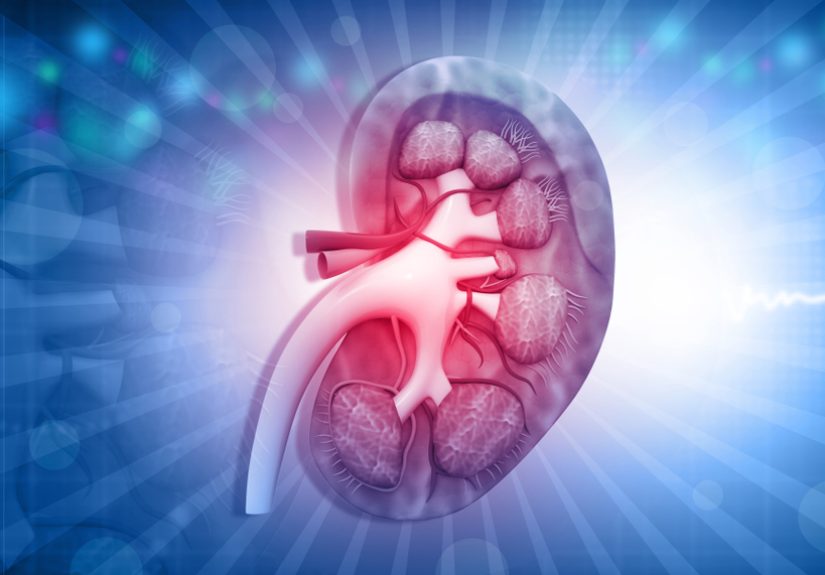
Acute renal failure or acute kidney injury is a sudden drop in kidney function.
Instead of gradually losing function over months or years (as in chronic kidney disease),
the kidneys lose their ability to filter waste and balance fluids and electrolytes over
a short periodusually hours to a couple of days.
Your kidneys normally:
- Filter waste and toxins from your blood
- Balance fluids and electrolytes like sodium and potassium
- Help control blood pressure
- Support red blood cell production
- Keep your acid–base balance in check
When kidney function suddenly drops, waste products build up in the blood,
fluid can shift into places it doesn’t belong (like the lungs), and the balance of
electrolytes can become dangerous. This is why acute kidney injury is a medical emergency
and often shows up in people who are already very sick and hospitalized, especially in
intensive care units.
One more naming note for SEO and clarity: “acute renal failure,” “acute kidney failure,”
and “acute kidney injury” are often used interchangeably in everyday language.
Clinically, “acute kidney injury” is now preferred because not every case involves total
“failure,” and some cases are mild and reversible.
Symptoms of acute renal failure
Acute kidney injury doesn’t always announce itself loudly at first. Sometimes the early
signs are subtle, especially in people who are already ill. But as waste and fluid build up,
symptoms become harder to ignore.
Common early symptoms
Early or mild acute renal failure may cause:
- Decreased urine output (peeing less than usual) or, sometimes, normal output with abnormal lab results
- Swelling in the legs, ankles, feet, or around the eyes due to fluid retention
- Fatigue and weaknessyou feel unusually drained and low-energy
- Nausea or vomiting
- Loss of appetite or feeling full quickly
- Shortness of breath, especially when lying flat, if fluid builds up in the lungs
- Confusion or “brain fog”, including trouble concentrating or thinking clearly
- Irregular heartbeat due to electrolyte imbalances like high potassium
These symptoms are linked to the build-up of toxins (azotemia), shifts in electrolytes,
and fluid overload as the kidneys struggle to keep up.
More severe or emergency symptoms
As acute renal failure becomes more severe, symptoms can escalate quickly and become
life-threatening. Emergency signs may include:
- Very little or no urine output
- Severe shortness of breath or feeling like you can’t catch your breath
- Chest pain or pressure
- Severe confusion, agitation, or drowsiness
- Seizures
- Coma in extreme cases
If you or someone near you has these symptomsespecially with known kidney disease,
serious illness, or recent major surgerythis is an emergency.
Call emergency services or go to the nearest emergency department immediately.
Important note: Symptoms of acute kidney failure can look like many other conditions.
Only blood and urine tests plus medical evaluation can confirm what’s going on,
so avoid self-diagnosing from Dr. Google (or Dr. Social Media).
Major causes of acute renal failure
Doctors often divide the causes of acute kidney injury into three main groups:
prerenal (before the kidney), intrinsic (inside the kidney),
and postrenal (after the kidney, in the urinary tract).
1. Prerenal causes: Problems with blood flow to the kidneys
Your kidneys need a steady blood supply to do their job. Anything that sharply reduces
blood flow can trigger acute renal failure. Common prerenal causes include:
- Severe dehydration from vomiting, diarrhea, fever, or not drinking enough fluids
- Heavy blood loss (after trauma, surgery, or internal bleeding)
- Heart failure or a severely weakened heart that can’t pump enough blood
- Septic shock or serious infections that cause blood pressure to drop
- Certain medications that reduce kidney blood flow, such as high-dose
NSAIDs (like ibuprofen) and some blood pressure drugs in the wrong context
Prerenal acute kidney injury is often reversible if the cause is treated quicklyrestore
fluids, support the heart, treat infectionbefore the kidneys suffer permanent damage.
But if low blood flow continues, it can transition into intrinsic kidney injury.
2. Intrinsic causes: Damage within the kidneys themselves
Intrinsic causes directly injure the kidney tissuethink of damage to the filters,
tubules, or surrounding structures. Common examples include:
- Acute tubular necrosis (ATN), often from prolonged low blood flow or toxic drugs
- Acute interstitial nephritis, often triggered by medications, infections, or autoimmune conditions
- Glomerulonephritis, where the kidney’s filtering units (glomeruli) become inflamed
- Blood clots in kidney blood vessels
- Direct kidney injury from severe muscle breakdown (rhabdomyolysis),
hemolysis (red blood cell breakdown), or toxins
Many antibiotics, chemotherapy agents, contrast dyes used in imaging, and some herbal
supplements can be nephrotoxic (kidney-toxic) in high doses or in vulnerable
people. This is why doctors monitor kidney function closely when using these medications.
3. Postrenal causes: Blockages “downstream”
Postrenal acute renal failure happens when something blocks the flow of urine after it leaves
the kidneys. If urine backs up, pressure rises and damages the kidneys.
Common postrenal causes include:
- Enlarged prostate (benign prostatic hyperplasia) blocking urine flow in men
- Kidney stones blocking ureters (the tubes from kidneys to bladder)
- Tumors in or near the urinary tract
- Severe urinary retention from nerve problems or medications
The good news is that postrenal AKI is often reversible if the blockage is
found and removed quicklythrough catheterization, procedures, or surgery.
Who is at higher risk for acute renal failure?
Anyone can develop acute kidney injury under the right (or wrong) circumstances,
but certain groups have a higher risk:
- Older adults, especially those who are hospitalized or in intensive care
- People with chronic kidney disease or reduced baseline kidney function
- Those with diabetes, high blood pressure, or heart disease
- People with liver disease or cirrhosis
- Those who are obese or have metabolic syndrome
- People receiving contrast dyes for imaging studies, especially if they also have diabetes or chronic kidney disease
- People taking multiple nephrotoxic medications or high-dose NSAIDs
- Those who’ve had major surgery, trauma, or severe infection (sepsis)
Risk factors stack. An older patient with diabetes, chronic kidney disease, and heart
failure who undergoes complex surgery with contrast imaging is much more vulnerable than
a young, otherwise healthy person.
How acute renal failure is usually detected
Even though this article focuses on symptoms and causes, it’s helpful to know how acute
kidney injury is actually picked up in real life.
AKI is usually diagnosed through:
- Blood tests Rising creatinine and blood urea nitrogen (BUN) levels signal reduced filtration
- Urine output Very low urine output (oliguria) or no urine output (anuria)
- Urinalysis Looks for blood, protein, casts, or other clues to cause
- Imaging Ultrasound or CT scans to check for blockages or structural issues
Clinicians often use standardized criteria based on changes in creatinine and urine output
over time to define and stage the severity of acute kidney injury.
When to call a doctor or seek emergency care
Because acute renal failure can escalate quickly, it’s better to overreact than underreact.
Contact a healthcare professional urgently if you notice:
- Sudden drop in urine output for no obvious reason
- New or worsening swelling in legs, ankles, or around the eyes
- Persistent nausea, vomiting, or loss of appetite
- Unexplained fatigue, weakness, or confusion
Go to the emergency department or call emergency services if there is:
- Severe shortness of breath
- Chest pain or pressure
- Seizure or sudden loss of consciousness
- Almost no urine output for many hours combined with any of the above symptoms
This article can help you understand what might be happening, but it is not a substitute
for professional medical advice, diagnosis, or treatment. If something feels seriously wrong,
trust your instincts and get medical help.
Can acute renal failure be reversed?
In many cases, yesespecially when the cause is identified and treated early.
Rehydration, managing blood pressure, stopping harmful medications, relieving blockages,
and treating infections can allow the kidneys time to recover.
However, some people are left with reduced kidney function or go on to develop
chronic kidney disease. A smaller group progress to end-stage kidney failure and may
need long-term dialysis or a kidney transplant. The outlook depends on age, overall health,
the underlying cause, and how quickly treatment starts.
Living through acute renal failure: Experiences and practical insights
Reading about acute kidney injury in a textbook is one thing; living through it is another
story entirely. While everyone’s experience is unique, people often share a few common themes
when they talk about what acute renal failure felt like for them and their families.
“I just knew something was off” – early warning feelings
Many people describe a vague sense that their body “wasn’t right” before anyone mentioned
kidneys. That might look like:
- Needing to nap in the middle of the day when that’s not normal for you
- Feeling full or nauseated after just a few bites
- Noticing that your socks leave deeper marks around your ankles
- Realizing you barely remember the last time you went to the bathroom
Individually, those signs are easy to shrug offstress, not enough sleep, “probably a bug.”
But together, especially in someone who has diabetes, high blood pressure, heart disease,
or a recent major illness, they can be early clues that the kidneys are in trouble.
The hospital whirlwind
For many people, acute kidney injury enters the story during a hospital stay for something
else: surgery, infection, heart problems, or trauma. One day you’re focused on recovering
from pneumonia, and the next day someone in scrubs appears and says, “Your kidneys aren’t
keeping up like we’d expect.”
From the patient’s perspective, it can feel like a whirlwind:
- Blood draws multiple times a day to watch creatinine and electrolytes
- Nurses measuring urine output very closely (yes, they really care about every milliliter)
- Changes in IV fluidsmore fluids, fewer fluids, different fluids
- New medications to protect the heart and stabilize blood pressure
- Possibly meeting a kidney specialist (nephrologist) for the first time
Families often worry when they hear words like “dialysis” or “kidney failure.”
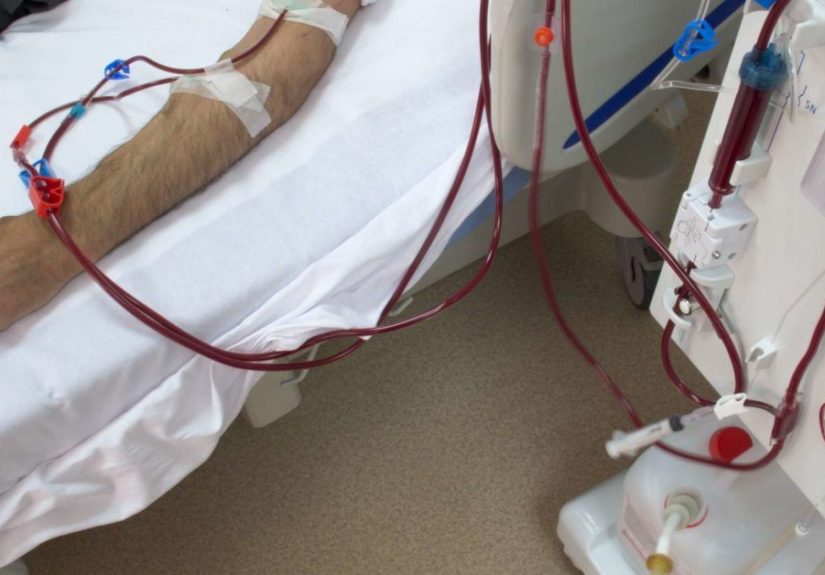
In reality, sometimes dialysis is used temporarily as a kind of “backup machine” while
the kidneys rest and recover. It doesn’t always mean permanent kidney failure, though it’s
natural to fear that outcome.
Questions people wish they’d asked sooner
People who have been through acute renal failure often say they wish they had asked clearer,
more practical questions early on, such as:
- “What do you think caused this?” – Understanding whether it’s dehydration, infection, medication, or blockage helps you prevent a repeat event.
- “Is this likely to be temporary or long-term?” – No one can predict perfectly, but your team can explain your risk.
- “How will we know if my kidneys are improving?” – Ask what trends in your labs and urine output the team is hoping to see.
- “What should I watch for once I’m home?” – Clear discharge instructions are essential.
Having a notebook or a note app where you (or a family member) track lab values,
medications, and questions can make you feel less overwhelmed and more in control.
Life after acute kidney injury
After discharge, the story isn’t over. Follow-up visits, blood tests, and urine tests
help your care team see whether your kidneys are bouncing back or whether you’re now living
with some level of chronic kidney disease.
Many people make lifestyle changes after an episode of acute renal failure, such as:
- Drinking an appropriate amount of fluid as recommended by their care team
- Keeping blood pressure and blood sugar as close to target as possible
- Reviewing all medications and supplements with a doctor or pharmacist to avoid kidney-harming combinations
- Being extra cautious with over-the-counter pain relievers like NSAIDs
- Watching for swelling, sudden weight changes, and changes in urination
Emotionally, it’s common to feel anxious about every lab draw or new ache.
Over time, many people find a balance between staying alert to kidney health and not letting
fear run the show. Support groupswhether in-person or onlinecan be incredibly helpful for
comparing experiences, asking questions, and realizing you’re not alone in navigating AKI and
its aftermath.
The big takeaway? Acute renal failure is serious, but information, early recognition,
and close medical care can make a huge difference. Knowing the symptoms and
causes is a powerful first step in protecting your kidneysor in getting prompt
help if something goes wrong.