Table of Contents >> Show >> Hide
- Before You Start: Know What You’re Measuring
- 1) The Classic Two-Finger Pulse Check (No Batteries Required)
- 2) A Smartwatch or Fitness Tracker (Great for Trends, Not Perfection)
- 3) A Chest Strap Heart Rate Monitor (The Gold Standard for Exercise)
- 4) An Upper-Arm Optical Band (A Comfort Upgrade with Solid Data)
- 5) A Smartphone Camera Heart Rate App (Surprisingly UsefulWhen You’re Still)
- 6) A Finger Pulse Oximeter (Heart Rate + Oxygen, With Some Caveats)
- 7) A Home Blood Pressure Monitor (The Sneaky Way to Get a Pulse Reading)
- 8) Medical-Grade Heart Monitoring (When You Need Answers, Not Just Numbers)
- How to Turn Heart Rate Data Into Something Actually Useful
- When to Check In With a Clinician
- Real-World Experiences: What People Notice When They Start Tracking (About )
- Conclusion
Your heart rate is basically your body’s built-in status update: calm, stressed, sprinting, sleeping, or “why did I drink that third coffee?” Monitoring it can help you train smarter, spot patterns (like stress spikes), and know when something feels off.
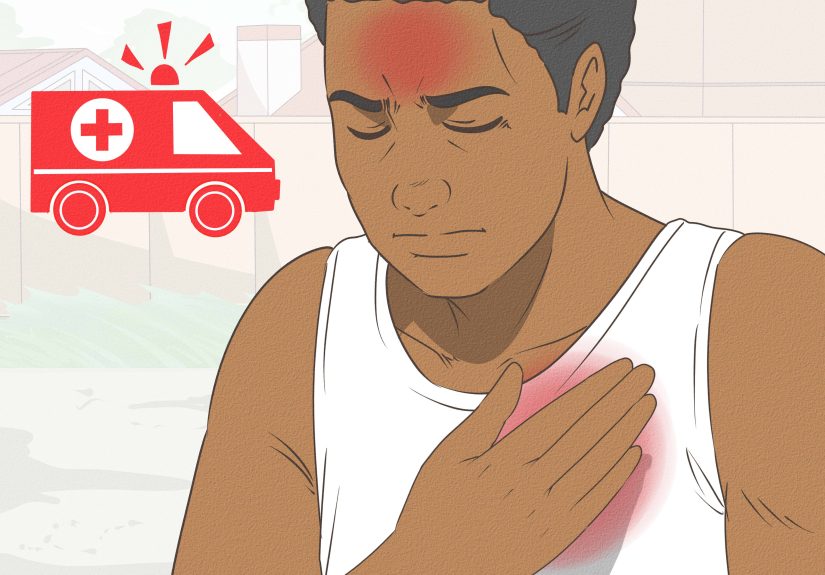
Quick note: A heart rate number is useful, but it’s not a crystal ball. If you have chest pain, fainting, severe shortness of breath, or a “this is not normal for me” feeling, don’t troubleshoot with gadgetsget medical help right away.
Before You Start: Know What You’re Measuring
Heart rate is how many times your heart beats per minute (bpm). Heart rhythm is whether those beats are steady or irregular. Some tools measure rate only; others can help flag rhythm issues.
Most adults land in a resting heart rate range that’s considered normal, but your personal normal depends on fitness, sleep, stress, illness, hydration, and some medications. The goal isn’t to “win” the lowest numberit’s to know your baseline and notice meaningful changes.
1) The Classic Two-Finger Pulse Check (No Batteries Required)
This is the simplest and most underrated method. It’s also the best fallback when your wearable is dead, your phone is at 2%, and you’re pretending that’s “minimalism.”
How to do it
- Find your pulse at the wrist (thumb side) or the neck (beside your windpipe).
- Use your index and middle finger (not your thumbyour thumb has its own pulse and loves attention).
- Count beats for 30 seconds and multiply by 2 (or 15 seconds x 4 for a quick check).
Make it more accurate
- Measure while seated and relaxed for resting heart rate.
- If your rhythm feels irregular, count for a full 60 seconds and write down what you notice.
2) A Smartwatch or Fitness Tracker (Great for Trends, Not Perfection)
Wrist wearables use optical sensors (a light-based method) to estimate heart rate. They’re fantastic for day-to-day patterns: resting heart rate trends, workout zones, and “my heart rate always jumps during meetings with that one person.”
Best use cases
- Tracking resting heart rate over weeks or months
- Watching workout intensity and recovery
- Noticing stress/sleep correlations
Accuracy tips
- Wear it snug (not “tourniquet,” just “doesn’t slide”).
- Warm skin helps; cold hands can mean messy readings.
- Expect more error during high-motion workouts (sprints, HIIT, kettlebells).
Reality check: Wrist trackers are usually best at rest and can get less accurate with motion or higher intensity. They’re health toolsnot courtroom witnesses.
3) A Chest Strap Heart Rate Monitor (The Gold Standard for Exercise)
If you want the most reliable exercise heart rateespecially for intervals, tempo runs, cycling, or clinical heart-rate limitsa chest strap is hard to beat. Many straps read the heart’s electrical signals (similar to an ECG approach), which is why they typically outperform wrist sensors during movement.
Why people love them
- More consistent during sweaty, high-intensity workouts
- Quick response to spikes (hello, hill repeats)
- Great for precise heart rate zone training
Pro tips
- Moisten the electrodes slightly before you start (dry sensors can be dramatic).
- Clean the strap regularlysalt + grime = glitch city.
4) An Upper-Arm Optical Band (A Comfort Upgrade with Solid Data)
Not everyone wants a chest strap hugging them like an overly affectionate seatbelt. Upper-arm optical monitors sit on the biceps and often read more cleanly than the wrist because there’s less bone and more stable contactespecially during lifting or cycling.
Where it shines
- Strength training (less wrist flex chaos)
- Cycling (steady position, good blood flow)
- People who find chest straps uncomfortable
It’s still an optical sensor, so motion can matterbut for many athletes, it’s the “best compromise” between comfort and accuracy.
5) A Smartphone Camera Heart Rate App (Surprisingly UsefulWhen You’re Still)
Many phone apps estimate heart rate using the camera and flash by detecting tiny blood-flow changes in your fingertip. In calm conditions, this can line up reasonably well with validated methods for adults at rest.
Use it for
- Quick resting checks
- Stress-management routines (before/after breathing exercises)
- Back-up measurements when you don’t have a wearable
Don’t use it for
- Running intervals (unless you can sprint while holding your phone perfectly still… which would be impressive and slightly concerning)
- Making medical decisions without a clinician
6) A Finger Pulse Oximeter (Heart Rate + Oxygen, With Some Caveats)
Pulse oximeters clip on your finger and usually display both oxygen saturation and pulse rate. They’re common in medical settings and widely available for home usebut accuracy can be influenced by factors like cold fingers, poor circulation, nail polish, and more.
When it’s helpful
- Checking pulse when you’re sick and want a second data point
- Spot-checking after exertion (once you’re still)
- Monitoring trends if a clinician recommended it
Tips for cleaner readings
- Warm your hands first.
- Sit still and wait for the number to stabilize.
- Use it as one piece of the puzzlenot the whole puzzle.
7) A Home Blood Pressure Monitor (The Sneaky Way to Get a Pulse Reading)
Many automated blood pressure cuffs also display your pulse during the measurement. Even if you’re mainly tracking blood pressure, that pulse number can help you spot patternslike your heart rate jumping when you’re anxious, dehydrated, or rushing around right before you sit down (we’ve all done the “sprint to the chair” reading).
How to make it count
- Sit quietly for 5 minutes before measuring.
- Keep your arm supported at heart level.
- Track the pulse reading alongside time of day, sleep, caffeine, and stress.
Heads up: Irregular rhythms can make some blood pressure readings less accurate, so if the device flags irregular heartbeat often, talk to a clinician.
8) Medical-Grade Heart Monitoring (When You Need Answers, Not Just Numbers)
If you’re having symptoms (palpitations, dizziness, unexplained fainting, episodes of racing heart), consumer tools may not be enough. Medical-grade monitoring focuses on capturing the heart’s electrical activity over timeespecially for issues that happen unpredictably.
Common options
- Single-lead ECG features on certain smartwatches: can record a short tracing and classify some rhythms (like AFib vs. sinus rhythm) when used correctly.
- Holter monitors: portable ECG devices typically worn for 24–48 hours (or longer) to catch rhythm changes during normal life.
- Event monitors: worn longer; you trigger a recording when symptoms occur, which helps catch infrequent episodes.
The big advantage here is that you’re not just seeing a bpmyou’re capturing rhythm data that clinicians can interpret in context.
How to Turn Heart Rate Data Into Something Actually Useful
- Build a baseline: Check resting heart rate for 5–7 mornings under similar conditions.
- Watch trends, not one-offs: A single high day can be stress, poor sleep, illness, dehydration, or medication timing.
- Add context: Note workouts, alcohol, big meals, late nights, and emotional stress. Your heart rate is a truth-teller.
- Use zones smartly: For exercise, many guidelines use moderate intensity around 50–70% of max heart rate and vigorous around 70–85%but perceived exertion and the “talk test” still matter.
When to Check In With a Clinician
Get medical advice if you notice persistent, unusual changes in resting heart rate, frequent irregular rhythm alerts, or symptoms like dizziness, fainting, chest discomfort, or shortness of breathespecially when paired with abnormal readings. Devices can provide clues, but symptoms + trends are what deserve attention.
Real-World Experiences: What People Notice When They Start Tracking (About )
Once people start monitoring their heart rate consistently, the first surprise is usually how normal it is for the number to move around. A lot. One common experience: someone checks their pulse after walking up stairs, sees a higher bpm, and assumes something’s wronguntil they repeat the check after sitting quietly for a minute and the number drops. That’s often the “aha” moment that heart rate is a response system, not a grade on your health report card.
Another pattern many people notice is the “sleep tax.” After a short night, resting heart rate often trends higher the next day. People who track this over weeks frequently start connecting dots: late-night scrolling, a few drinks, or a heavy meal close to bedtime can make overnight heart rate run higher and recovery feel worse. That realization tends to be more motivating than any lecturebecause it’s personal data telling a personal story.
Workout experiences are where tools really show their personalities. Wrist wearables can be great for steady cardiolike a jog or brisk walkbut during high-intensity intervals, people often see lag or weird dips. This is when many athletes “graduate” to a chest strap: suddenly the heart rate spikes match how the workout feels, and zone training becomes easier. On the flip side, some people try a chest strap and decide it’s too uncomfortable, then switch to an upper-arm band as a compromise. The lesson: the best monitor is the one you’ll actually use consistently.
Stress tracking is another eye-opener. People sometimes discover their heart rate jumps during specific situationspublic speaking, tests, difficult conversations, even certain social media feeds. Pairing that with a quick manual pulse check or a watch reading before and after a two-minute breathing exercise can be surprisingly empowering. It turns stress from a vague feeling into something measurableand manageable.
Then there are the “false alarm” stories. Many users report getting an occasional irregular rhythm notification and immediately spiraling into worry. What tends to help is a calm, structured response: repeat a measurement when you’re still, note any symptoms, and treat the alert as a prompt to follow upespecially if alerts repeatrather than as a diagnosis. People who handle it this way often feel more in control and less anxious, and clinicians generally appreciate having a record of what happened, when it happened, and how it felt.
Finally, one of the most practical experiences is learning to trust trends. People who stick with monitoring for months often stop reacting to every single number. Instead, they notice meaningful shifts: resting heart rate slowly lowering with consistent aerobic training, spikes during illness (sometimes before other symptoms show up), or a higher baseline during a stressful life stretch. In the long run, that trend-awareness is the real superpowernot obsessing over one reading, but understanding your body’s patterns and responding wisely.
Conclusion
Monitoring your heart rate doesn’t have to be complicatedor obsessive. Pick one or two methods you can do consistently, focus on trends, and use the data to make smarter decisions about training, recovery, and stress. And if something feels truly off, let the numbers support the conversation with a clinician, not replace it.