Table of Contents >> Show >> Hide
- Quick Preview: The 5 Genius Reuses
- 1) Make a “Dust-Eating” Ceiling Fan & Vent Cleaner (No Sneezing Confetti Required)
- 2) Turn It Into a Drawstring Laundry & Travel Bag (Plus a Sneaky Delicates Saver)
- 3) Give Your Closet “Designer Dust-Bag Energy” for Shoes, Handbags, and Seasonal Decor
- 4) DIY Reusable Produce & Bulk Bags for Grocery Trips (Zero-Waste, Maximum Smugness)
- 5) Make a Pet Bed Cover (or Stuffing Helper) Your Dog Will Immediately Claim as Their Birthright
- Before You Start: A Quick “Don’t Regret This Later” Checklist
- Conclusion: Your Pillowcases Deserve a Second Act
- Bonus: of Real-World “Pillowcase Reuse” Experiences (So You Can Skip the Annoying Parts)
- SEO Tags
Your linen closet is basically a tiny textile museum: artifacts from college, that “farmhouse floral” phase,
and at least one pillowcase that has seen things. If you’ve got old pillowcases that are too worn (or too
emotionally complicated) to sleep on, don’t toss them. Reusing old pillowcases is one of the easiest, cheapest,
most satisfying upcycling wins you can score at homeno fancy tools, no craft degree, no “I swear I’ll use this
sewing machine monthly” promises required.
Below are five genuinely useful, surprisingly clever DIY pillowcase projectsplus a longer “what I wish I knew
sooner” experience section at the end to help you skip the rookie mistakes (like tying a knot so tight you need a
small committee to undo it).
Quick Preview: The 5 Genius Reuses
- Mess-free ceiling fan + vent cleaner (trap dust like a tiny fabric vacuum).
- Drawstring laundry & travel bag (and a backup delicates wash bag).
- Closet “dust-bag” upgrades for shoes, handbags, and seasonal decor.
- Reusable produce & bulk bags for farmers’ markets and grocery runs.
- Pet-bed cover (or stuffing helper) for the fluffiest budget refresh.
1) Make a “Dust-Eating” Ceiling Fan & Vent Cleaner (No Sneezing Confetti Required)
Cleaning a ceiling fan is one of life’s classic plot twists: you start with good intentions and end up wearing
dust in your eyebrows. The pillowcase method changes the whole story. Instead of dust raining down on your
furniture, it gets captured inside the fabric like it’s being escorted out by security.
What you’ll need
- 1 old pillowcase (cotton works great)
- A step stool or ladder (safety first, superhero second)
- Optional: a mild all-purpose cleaner or a simple vinegar-and-water mix
How to do it (ceiling fan version)
- Turn the fan off and let it fully stop. (No “I can do it while it’s spinning” heroics.)
- Lightly mist the inside of the pillowcase if the dust is stubborn.
- Slide the pillowcase over one blade.
- Gently pinch the fabric around the blade and pull it back toward you, trapping dust inside.
- Repeat for each blade, then take the pillowcase outside to shake out and wash.
Bonus upgrade: use it to clean air vents
For vents (especially those narrow slats that laugh at normal dusters), wrap the pillowcase fabric around a
butter knife or a long, flat tool. Spray a little cleaner on the fabric, then slide it along the vent slats.
It’s oddly satisfyinglike flossing, but for your house.
Why it works: the pillowcase creates a “closed system” for dust. Instead of scattering debris into the
air (and your lungs), you contain it, remove it, and move on with your day like a person who definitely has
their life together.
2) Turn It Into a Drawstring Laundry & Travel Bag (Plus a Sneaky Delicates Saver)
Pillowcases are already shaped like bags. They’re basically begging for a second career. A DIY drawstring
laundry bag is perfect for travel, gym clothes, kids’ sleepovers, or that corner chair that’s currently acting
as your “clothing limbo” zone.
Option A: The super-simple “tie it and go” version
- Stuff your dirty clothes inside the pillowcase.
- Gather the open end.
- Tie it shut with a ribbon, shoelace, or sturdy string.
- Label it if you’re traveling with others (because all laundry bags look innocent until proven guilty).
Option B: A real drawstring (still beginner-friendly)
If you can sew a straight line (or even a “mostly straight line”), you can make a drawstring channel:
- Fold the open edge down about 1–1.5 inches and stitch around to form a channel (leave a small gap).
- Thread ribbon or cord through using a safety pin as your “DIY threading robot.”
- Knot the ends and cinch closed.
Hidden talent: a delicates wash bag in a pinch
No mesh laundry bag? A pillowcase can work as a backup for washing delicates or small items. Put items inside,
secure the opening (knot, hair tie, or ribbon), and choose a gentle cycle. It’s not a perfect replacement for
a purpose-built mesh bag, but it’s a practical “use what you have” move when you need extra protection against
tangles and snags.
Pro tip: Don’t overload. Water and detergent still need to circulate. If your pillowcase looks
like it’s smuggling a winter comforter, scale back.
3) Give Your Closet “Designer Dust-Bag Energy” for Shoes, Handbags, and Seasonal Decor
Luxury handbags come with dust bags. Normal humans come with old pillowcases. Functionally? Same idea:
breathable fabric that helps keep dust off your stuff while it’s stored.
Three practical ways to use pillowcases as storage covers
- Handbag & purse dust cover: Slide the bag inside, then loosely tie or cinch the opening.
Great for protecting surfaces from dust and shelf scuffs. - Shoe and travel organizer: Use one pillowcase per pair of shoes in a suitcase so soles don’t
touch clean clothes. (Your t-shirts will thank you.) - Seasonal decor protection: Slip fragile or awkwardly shaped items inside (small wreaths,
candleholders, delicate ornaments) before boxing them up.
Closet-level genius: store sheet sets inside a pillowcase
Want to stop playing “Where did the fitted sheet go?” Store the whole sheet setfitted sheet, flat sheet, and
extrasinside one matching pillowcase. You get a neat bundle you can grab in one move, and your linen closet
instantly looks like it has a personal assistant.
Why this is smart: pillowcases are breathable, soft, and flexible, so they conform to weird shapes
better than rigid bins. Plus, you’re reusing what you already own instead of buying more storage products (aka
“plastic future clutter”).
4) DIY Reusable Produce & Bulk Bags for Grocery Trips (Zero-Waste, Maximum Smugness)
Reusable produce bags are a small switch that adds up fastespecially if you shop weekly. A pillowcase is often
big enough to become multiple bags, and cotton is breathable for many fruits and veggies.
Best pillowcase fabrics for produce bags
- Lightweight cotton: breathable and easy to wash.
- Tightly woven cotton: great for bulk items like rice or beans (less “grain escape”).
- Skip heavy, fuzzy fabrics: they add weight and can trap debris.
Simple method (minimal sewing)
- Cut the pillowcase into rectangles (choose sizes based on what you buy most).
- Sew three sides closed (or reuse the original sewn edge where possible).
- Fold and stitch the top edge to create a drawstring channel.
- Thread cord or ribbon through and knot ends.
- Wash before first use and keep a few in your car or grocery tote.
Real-world grocery tips
- Label your bags (S/M/L) so you grab the right size fast.
- Make a “bulk bag” version with a slightly sturdier drawstring if you buy oats, flour, or
beans. - Wash regularlyespecially after potatoes or anything dusty. Clean bags are happy bags.
Why it’s genius: You’re reducing single-use plastic and getting real utility out of a textile that
might otherwise end up in the trash. (And yes, the planet approves.)
5) Make a Pet Bed Cover (or Stuffing Helper) Your Dog Will Immediately Claim as Their Birthright
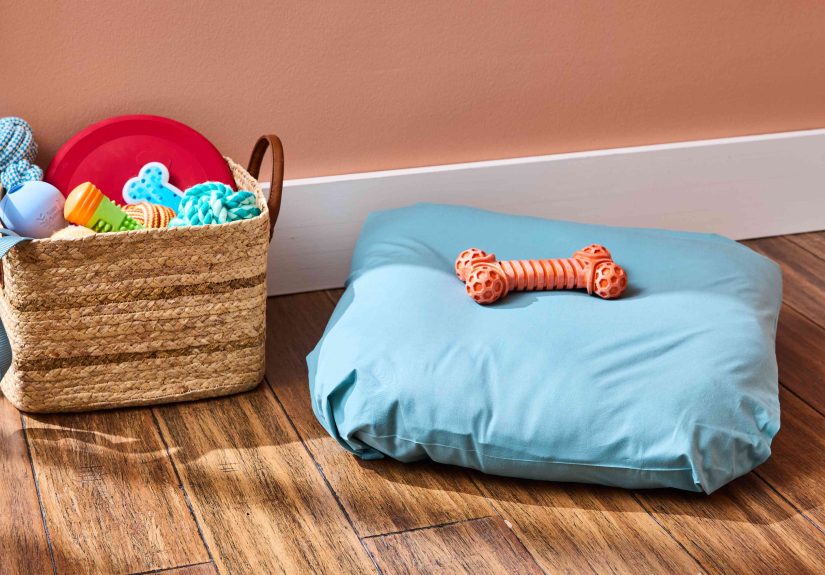
Pets don’t care about your aesthetic. They care about soft. Old pillowcases can become removable pet bed
coversor a liner to hold stuffingso you can refresh a worn pet bed without buying a whole new one.
Easy pet bed cover
- Stuff the pillowcase with soft materials (old t-shirts, fleece scraps, worn towels).
- If you want more structure, insert an existing pet pillow or foam pad inside.
- Tie or sew the end shut (or add a drawstring for easy removal).
- Wash the cover as neededbecause pets are adorable, but also… biologically ambitious.
Smart upgrades
- Double-layer it (two pillowcases) for heavier chewers or enthusiastic nesters.
- Add a zipper or Velcro strip if you want removable covers without untying knots forever.
- Keep one “backup cover” so wash day doesn’t leave your pet staring at you like you’ve betrayed them.
Why it works: pillowcases are designed to handle frequent washing and direct contact. That’s basically
the pet lifestyle in textile form.
Before You Start: A Quick “Don’t Regret This Later” Checklist
- Wash first: old pillowcases can hold oils, dust, and residues. Start clean.
- Check the fabric condition: if it tears easily, reserve it for light-duty cleaning rags.
- Avoid strong chemical smells: especially for pet or produce useskeep it skin- and food-friendly.
- Choose the right job: soft cotton is great for cleaning and bags; delicate fabrics are better as storage covers.
The goal is simple: reuse old pillowcases in ways that actually make your life easiernot in ways that create
a new “project pile” you avoid for three months.
Conclusion: Your Pillowcases Deserve a Second Act
Old pillowcases are the underrated MVPs of a low-waste home. They’re washable, already bag-shaped, and flexible
enough to handle everything from ceiling fan dust to farmers’ market produce. If you try just one idea, start
with the ceiling fan trickit’s fast, satisfying, and it makes you feel like a cleaning wizard with a textile
wand.
And if you try all five? Congratulations: you’ve officially leveled up into the “I repurpose stuff” tier of
adulthood. It’s like regular adulthood, but with fewer mystery purchases and more smug practicality.
Bonus: of Real-World “Pillowcase Reuse” Experiences (So You Can Skip the Annoying Parts)
People tend to start pillowcase upcycling with wildly optimistic energy. You see a cute idea, you grab scissors,
and suddenly you’re three minutes away from either (A) a genius new household tool or (B) a fabric situation
you’ll hide in a drawer. The difference is usually a handful of small, experience-based choices.
First: fabric matters more than you think. A crisp cotton pillowcase is basically the all-purpose athlete of
upcyclingstrong enough for laundry bags and produce sacks, soft enough for dusting, and easy to wash without
drama. Thin, worn fabric can still be useful, but it’s better assigned to “gentle jobs” like polishing, wiping,
or acting as a dust cover. If you can see light through it like a lampshade, don’t expect it to hold ten pounds
of potatoes with dignity.
Second: closures are where good projects go to die. The “just tie a knot” method worksuntil you tie it so tight
you need a small therapy session to undo it. A simple ribbon tie is usually better than a hard knot, especially
for delicates or travel laundry. If you sew a drawstring channel, give yourself a little extra room: cords move
more easily when the channel isn’t too narrow, and you’ll be less likely to create a fabric traffic jam halfway
through threading.
Third: the ceiling fan trick is amazing, but only if you treat it like a dust containment mission. The biggest
real-life mistake is yanking the pillowcase off like you’re starting a lawnmower. Go slow. Pinch the fabric
around the blade and slide it off steadily. The reward is a pillowcase full of dust instead of a living room
full of airborne regret. If the fan is extra grimy, a light mist inside the case helps dust cling instead of
float. And yesturn the fan off. You don’t want a blade spinning into your hand while you’re busy feeling proud
of your cleverness.
Fourth: reusable produce bags are easiest to love when they’re easy to find. Make a small “bag station” near
where you keep your shopping tote, or stash a couple in the car. Otherwise, you’ll remember them right after you
arrive at the storeright around the time you’re holding onions and bargaining with yourself about whether a
plastic bag “counts this time.”
Finally: pet projects are all about washability. A pillowcase pet cover is fantastic because it’s removable and
washable, but it works best when you build in convenience. Keep a backup cover. Don’t overstuff. And if your pet
treats beds like a wrestling ring, consider double-layering or reinforcing seams. The goal is a quick refresh,
not a weekly repair saga.
The most useful “experience takeaway” is this: choose one idea that solves an annoying problem in your home
right now. Once you feel that first winclean fan blades without a dust storm, socks that stop disappearing,
a closet that looks calmeryou’ll start seeing pillowcases less like old bedding and more like pre-cut supplies
waiting for their next job.
SEO Tags