Table of Contents >> Show >> Hide
- Why Letting Go Matters More Than Fancy Storage
- 1. Duplicate Kitchen Gadgets
- 2. Gifts They Keep Out of Guilt
- 3. Clothes That Do Not Fit Their Current Life
- 4. Unmanaged Paper Piles
- 5. Random Chargers, Cables, and Dead Electronics
- 6. “Someday” Items for a Future Version of Themselves
- 7. Too Many Plastic Bags and Food Containers
- 8. Every Single Piece of Sentimental Kid Stuff
- How to Let Go Without Making It a Whole Identity Crisis
- What Letting Go Looks Like in Real Life: Common Experiences That Change Everything
- Conclusion
- SEO Tags
Some people walk into their homes, hang up their keys, and somehow never seem to be buried under a mountain of mystery chargers, lonely Tupperware lids, and jeans that stopped fitting somewhere around the last election cycle. It can feel like magic. Annoying, smug, color-coded magic.
But organized people are not necessarily born with a label maker in one hand and a donation box in the other. More often, they simply make faster decisions about what gets to stay. They do not keep everything “just in case.” They do not treat every object like it has diplomatic immunity. And they definitely do not buy bins for clutter they should have broken up with three seasons ago.
If you want a more organized home, the first step is not buying prettier storage. It is learning what to let go of. Once you stop holding onto the wrong things, the right systems become easier to maintain, your rooms function better, and your brain gets a little less noisy. Here are eight things organized people rarely keep for long, plus realistic ways you can let them go too without feeling like you just threw away your entire personality.
Why Letting Go Matters More Than Fancy Storage
Clutter is not just a space problem. It is a decision problem, a visual problem, and sometimes a stress problem. When too many objects compete for your attention, everyday tasks get harder. You cannot find what you need, surfaces stop functioning the way they should, and simple jobs like making dinner or paying a bill suddenly feel like obstacle courses with emotional baggage.
That is why organized people focus on editing first. They know you cannot organize excess forever. You can shuffle it, stack it, label it, and tuck it into cute baskets, but it is still excess wearing a nicer outfit. Real organization starts when you reduce the volume of what you own and keep what you actually use, need, or love.
Think of it this way: every item in your home is asking for space, maintenance, and attention. The fewer unnecessary things you keep, the less your house feels like it is constantly whispering, “Hey, deal with me.”
1. Duplicate Kitchen Gadgets
Why organized people let them go
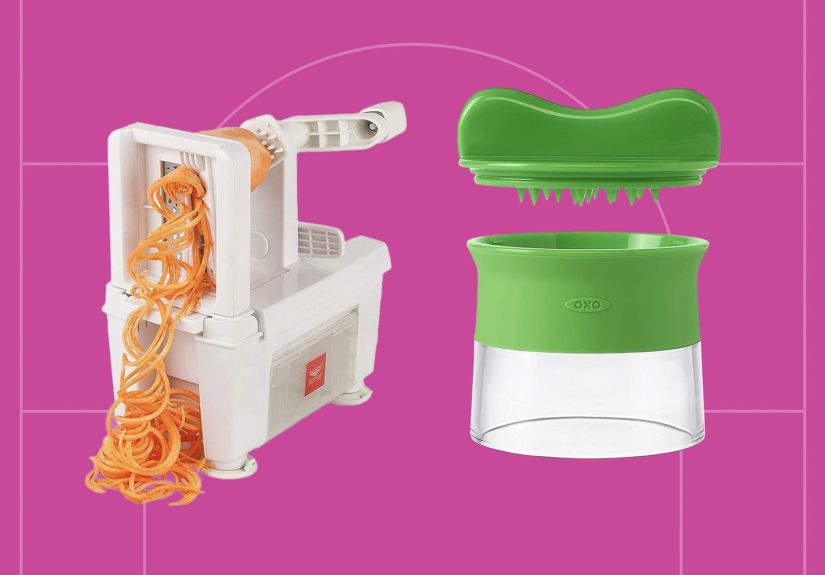
Organized people know the kitchen can become a museum of optimistic purchases. The avocado slicer. The cupcake corer. The banana keeper nobody asked for. The second vegetable peeler that materialized out of nowhere. If a gadget is only useful once every 18 months, it is probably paying too much rent in your drawer.
Highly organized homes tend to keep the versatile tools and ditch the single-purpose gadgets that clog cabinets and make cooking more annoying, not less. When your kitchen contains only what you regularly use, it becomes easier to see what you have, reach what you need, and put everything back without a wrestling match.
How you can let them go too
Pull everything out of one kitchen drawer or one cabinet. Group similar tools together. Then ask: Do I use this at least a few times a year? Does something else already do this job? If the answer is no, donate it. Keep your best version of each essential tool and let the backups or novelty gadgets move on to their next adventure.
2. Gifts They Keep Out of Guilt
Why organized people let them go
Organized people understand a gift has already done its job. It marked a moment, showed affection, or said, “I saw this and thought of you,” even if that thought was wildly incorrect. Once the gift is yours, you are not morally required to store it forever in a closet like a shrine to awkward gratitude.
Keeping something you do not like, do not use, or do not have room for only creates resentment and clutter. That scented candle in a fragrance called “Haunted Cupcake”? It should not be dictating your storage strategy for the next five years.
How you can let them go too
Separate the emotion from the object. You can appreciate the giver without keeping the item. Donate it, regift it thoughtfully, or pass it to someone who will actually use it. If guilt shows up, remind yourself that your home is not a warehouse for other people’s intentions. It is a place where your life happens now.
3. Clothes That Do Not Fit Their Current Life
Why organized people let them go
Organized people do not let their closets become emotional battlegrounds. They do not keep five sizes of jeans as a motivational poster made of denim. They do not hang onto office clothes for a job they left three years ago or save scratchy dresses for imaginary events where discomfort is apparently the dress code.
They keep clothes that fit their bodies, their routines, and their real lifestyle. That means fewer “someday” outfits, fewer guilt purchases, and fewer mornings spent staring into a closet full of options while claiming they have nothing to wear. A usable closet should support your daily life, not judge it.
How you can let them go too
Try the honest test: if it does not fit, flatter, or function, it probably should not stay. Create three piles: love and wear, tailor soon, and let go. Be ruthless with the third pile. Donate quality items, consign better pieces, and stop making your present self share space with your fantasy wardrobe.
4. Unmanaged Paper Piles
Why organized people let them go
Paper clutter has a sneaky talent for looking important while being mostly junk. School flyers, expired coupons, takeout menus, mystery receipts, random notes with no context, and warranty papers for appliances that died during a previous administration can pile up fast. Organized people do not let paper sit around auditioning for permanence.
Instead, they use simple systems. Paper is either actionable, reference material, or recyclable. That is it. It does not get to lounge indefinitely on the counter like it pays the mortgage.
How you can let them go too
Set up one landing zone for incoming paper. Sort it immediately into three categories: act, file, recycle. Scan what you need to keep. Shred sensitive documents. Move important papers into one clearly labeled folder or file box. The goal is not to become a paperless genius overnight. The goal is to stop letting loose paper multiply like rabbits in business casual.
5. Random Chargers, Cables, and Dead Electronics
Why organized people let them go
If your junk drawer looks like a robot shed its exoskeleton in there, you are not alone. Organized people simply refuse to let unidentified cords become a permanent home accessory. They keep the chargers they actively use, label what matters, and responsibly recycle the rest.
This category matters because electronic clutter is both visually messy and functionally useless when it is unmanaged. Keeping seven old phone chargers and a mystery cable from a device you have not seen since 2016 is not preparedness. It is nostalgia with tangled edges.
How you can let them go too
Gather every cable, charger, small device, and accessory in one spot. Match them to products you still own. If you do not know what it belongs to and have not needed it in months, it likely can go. Keep a small pouch or box for active electronics only. Recycle old devices and cords properly instead of tossing them in the trash. That drawer deserves a less dramatic future.
6. “Someday” Items for a Future Version of Themselves
Why organized people let them go
This is the big one. Organized people do not keep endless objects for a future self who is definitely going to start canning peaches, take up tennis, sew custom curtains, learn watercolor, host elegant brunches, and become the kind of person who owns a juicer but also cleans it.
Those “someday” items carry a lot of emotional clutter. They are often tied to good intentions, unfinished goals, or the version of ourselves we wish we had time, energy, or interest to become. But when those items sit untouched, they create guilt instead of possibility.
How you can let them go too
Ask one direct question: Am I keeping this for the life I actually live or the life I keep promising to audition for? If you have not used the item, scheduled the hobby, or taken a real step toward that version of yourself, let it go. You can always revisit the dream later. You do not need to store the props in the meantime.
7. Too Many Plastic Bags and Food Containers
Why organized people let them go
Organized people do not maintain a chaotic avalanche of plastic containers missing lids, lids missing containers, and shopping bags multiplying under the sink like they are on a mission. They keep a realistic amount and release the rest.
Overstuffed cabinets make everyday tasks harder. Packing leftovers should not require a deep archaeological dig through warped takeout tubs and suspiciously stained containers from takeout meals nobody even remembers enjoying. A smaller, matched set works better because it is easier to stack, clean, store, and grab.
How you can let them go too
Start by matching every lid to a container. Recycle or discard the loners. Keep only the sizes you regularly use. Do the same with shopping bags: decide on a number that makes sense for your household and keep only that amount. A dozen reusable totes is sensible. A mountain of crinkly plastic bags plotting a cabinet coup is not.
8. Every Single Piece of Sentimental Kid Stuff
Why organized people let them go
Organized people are sentimental, but they are selective. They do not keep every worksheet, every finger painting, every macaroni masterpiece, and every soccer participation ribbon ever handed to their child. They save the pieces that truly matter and let the rest go with love.
This is not cold. It is curation. If you keep everything, nothing stands out. The sweetest memories deserve better than being crushed in overstuffed bins in the attic beside a tangled Halloween wig and a broken lava lamp.
How you can let them go too
Create a simple memory system. Keep one box, one portfolio, or one binder per child. Photograph bulky projects. Frame a few favorites. Rotate a small display area. Let your child help choose the most meaningful pieces. By editing what you save, you make those keepsakes easier to enjoy rather than easier to ignore.
How to Let Go Without Making It a Whole Identity Crisis
Start smaller than your ambition
Do not announce that you are decluttering the entire house this weekend unless you enjoy disappointment as a hobby. Start with one drawer, one shelf, or one category. Small wins build momentum and reduce the urge to quit halfway through while sitting on the floor surrounded by expired batteries.
Declutter before you buy organizers
Storage should support what you keep, not justify what you should have removed. Edit first. Measure second. Shop last. Otherwise, you are just buying tiny plastic apartments for clutter.
Use the one-in, one-out rule
When something new enters the house, let something similar leave. This habit stops clutter before it gets settled and starts asking for wall art.
Keep a donation bag handy
Organized people make it easy to let go in real time. A donation bin in a closet, laundry room, or mudroom turns decluttering into an ongoing habit instead of a dramatic seasonal event.
Try the 20/20 rule for “just in case” stuff
If an item could be replaced for little money and in a short amount of time, you probably do not need to store it indefinitely. This is especially useful for duplicates, old cables, and low-stakes household items you are afraid to release for no good reason other than “but what if?”
What Letting Go Looks Like in Real Life: Common Experiences That Change Everything
One of the most common experiences people have when they start decluttering is surprise. Not the glamorous kind. More like, “Why do I own four whisks?” or “Is this charger from a camera, a razor, or a spaceship?” Organized homes are rarely built in one dramatic purge. More often, they happen when people begin noticing how many small objects have been quietly draining space and attention.
A typical experience starts in a tiny zone. Maybe it is the kitchen junk drawer. Maybe it is the bathroom cabinet. Maybe it is the chair in the bedroom that has slowly evolved from “temporary holding spot” to “textile monument.” Once that one area is cleared, people often describe feeling lighter almost immediately. The change is not just visual. It is functional. Getting ready becomes easier. Cooking feels less annoying. You stop losing things you technically never lost; they were just buried under six layers of unrelated nonsense.
Another common experience is realizing that guilt has been running the show. Plenty of people hold onto gifts they never wanted, clothes that no longer suit them, or hobby supplies for activities they have not touched in years. Letting go of those items can feel uncomfortable for about five minutes. Then it often feels deeply relieving. Instead of seeing those objects as reminders of what they “should” wear, do, or become, people start seeing their homes as support systems for the lives they live right now.
Families often notice this with children’s artwork and school papers. At first, everything feels precious. Then the volume becomes impossible. The experience that changes things is usually not throwing it all away, but choosing what matters most. A few framed drawings on the wall, a memory box with the best pieces, and digital photos of the rest can preserve the joy without turning every closet into a paper archive.
Closets are another place where emotions show up fast. People often think getting organized means buying matching hangers. What actually changes the experience is removing the items that create friction: pants that do not fit, shoes that hurt, tops that need special undergarments and a moon ritual to work properly. Once those leave, getting dressed gets faster, calmer, and less weirdly personal.
Then there is the moment people discover that organization is easier to maintain than they feared. After the initial edit, simple routines begin to work. Mail gets sorted sooner. Donation items leave the house more regularly. Counters stay clearer because they finally can. Many people say the biggest shift is mental: they stop thinking of decluttering as deprivation and start experiencing it as permission. Permission to have less guilt, less visual noise, and less energy wasted managing stuff they never even liked.
That is the real secret organized people know. Letting go is not about living with nothing. It is about making room for what actually helps, matters, and gets used. And once you feel the difference, it gets a whole lot easier to keep going.
Conclusion
Organized people are not superior beings who were blessed by the gods of pantry labels and matching baskets. They just make one powerful choice over and over again: they do not hold onto things that make their homes harder to live in. That means fewer duplicates, fewer guilt-keepsakes, fewer paper piles, fewer fantasy-self purchases, and a lot less clutter pretending to be useful.
You can do the same. Start small. Pick one category from this list. Clear out what no longer serves your life, your space, or your sanity. Then repeat. Over time, your home begins to feel easier to maintain because it finally contains less of what gets in your way. And honestly, that is a pretty great trade: less stuff, less stress, and a much smaller chance of being taken down by a collapsing cabinet of unmatched food containers.