Table of Contents >> Show >> Hide
- Why skillet dinners work so well on busy nights
- The fast-skillet game plan (so dinner happens before everyone gets hangry)
- 8 skillet recipes for a delicious dinner in a flash
- 1) Garlic-Butter Chicken Cutlets with Lemon Pan Sauce
- 2) 20-Minute Hoisin Skillet Salmon with Broccoli (and a “Why didn’t I do this sooner?” sauce)
- 3) Quick Shrimp Fajitas (One Skillet, Big Sizzle Energy)
- 4) One-Pot Pasta with Spinach & Tomatoes (Skillet Edition)
- 5) Weeknight Skillet Lasagna (Comfort Food, No Lasagna Commitment)
- 6) Crispy Gnocchi Piccata (All the lemony-caper goodness, no chicken required)
- 7) Skillet Egg Fried Rice (Yes, You Can Do This Without a Wok)
- 8) Shakshuka (Eggs Poached in Spiced Tomato Sauce)
- Skillet dinner troubleshooting (because pans have moods)
- of “Skillet Dinner Experience” (the stuff you only learn after Tuesday happens)
- Conclusion
Some nights, “What’s for dinner?” feels less like a question and more like a personal attack.
That’s when skillet recipes become your best friend: one pan, fast heat, big flavor, and only
one dish to glare at in the sink afterward.
This guide rounds up eight dinner-in-a-flash skillet meals that are weeknight-proof: they’re
quick, flexible, and built around smart techniques (thin proteins, fast sauces, and “let the pan do the work” moves like deglazing).
You’ll also get a short playbook for making any skillet dinner fasterwithout turning it into a sad, beige compromise.
Why skillet dinners work so well on busy nights
A skillet is basically a flavor accelerator. High heat browns food fast, browning creates “fond”
(the golden bits stuck to the pan), and a quick splash of broth, wine, or even water turns those bits
into a sauce that tastes like you planned ahead. You didn’t. The skillet did.
Another win: timing. Skillet cooking encourages “staggered” cookingprotein out, aromatics in, sauce built, everything back together.
That means you’re not waiting on an oven preheat or babysitting three pots like you’re running a tiny restaurant you did not apply to manage.
The fast-skillet game plan (so dinner happens before everyone gets hangry)
1) Choose the right pan size
A 10–12 inch skillet is the sweet spot for most of these recipes. Too small and your food steams (translation: pale, watery, and emotionally disappointing).
Too big and your sauce can reduce too fast.
2) Preheat with purpose
Especially for cast iron, a patient preheat matters: it helps the pan heat evenly, improves browning,
and reduces sticking. Think “warm-up lap,” not “sprint out of the gate.”
3) Pick fast proteins
Thin chicken cutlets, shrimp, ground meat, and salmon fillets are your weeknight MVPs. They cook quickly,
they take seasoning well, and they don’t demand an hour-long pep talk.
4) Keep flavor boosters on standby
- Acid: lemon juice, vinegar, salsa, canned tomatoes
- Umami: Parmesan, soy sauce, hoisin, tomato paste, capers
- Heat: chili flakes, jalapeño, harissa
- Fresh finish: herbs, scallions, quick salad greens
5) Safety in the fast lane
Quick cooking should still be accurate cooking. Use a thermometer when you can:
chicken and poultry should reach 165°F, and ground beef should reach 160°F. (Fast is great; food poisoning is not.)
8 skillet recipes for a delicious dinner in a flash
1) Garlic-Butter Chicken Cutlets with Lemon Pan Sauce
This is the “I cooked” dinner that tastes like you also cleaned your whole kitchen (you didn’t, but we’ll keep your secret).
Thin cutlets cook quickly, and the pan sauce comes together in minutes.
- Time: ~20 minutes
- Why it’s fast: thin chicken + quick deglaze sauce
What you’ll need: chicken cutlets, butter, garlic, broth, lemon, parsley (optional), salt/pepper.
- Pat chicken dry, season well. Sear in a hot skillet with a little oil until browned and cooked through.
- Lower heat. Add butter and garlic; stir 30 seconds (don’t let garlic burn).
- Deglaze with broth, scrape up browned bits, then squeeze in lemon.
- Return chicken, spoon sauce over, finish with herbs.
Fast swap: Use chicken tenderloins or thin pork chops; keep the same sauce idea.
2) 20-Minute Hoisin Skillet Salmon with Broccoli (and a “Why didn’t I do this sooner?” sauce)
Salmon is weeknight luxury that behaves like weeknight practicality. A quick skillet sear plus a punchy hoisin-lemon-garlic glaze
makes dinner feel restaurant-adjacent.
- Time: ~20 minutes
- Why it’s fast: salmon cooks quickly; sauce is basically “stir + brush”
What you’ll need: salmon fillets, hoisin sauce, lemon, garlic, broccoli florets, chili flakes, cilantro (optional).
- Sear salmon in a lightly oiled skillet over medium-high heat until browned; flip and cook to your preferred doneness.
- Meanwhile, quickly sauté or steam broccoli in the same skillet (or cook alongside while salmon rests).
- Mix hoisin, crushed garlic, lemon juice, and chili flakes; brush over salmon right at the end.
- Serve salmon over broccoli; add herbs if you’ve got them.
Fast swap: Sub green beans or snap peas for broccoli; both cook quickly.
3) Quick Shrimp Fajitas (One Skillet, Big Sizzle Energy)
Shrimp fajitas are the fastest way to get that “hot skillet, sizzling dinner” moment without waiting on anything.
Shrimp cook in minutesso your main job is not overcooking them. (Blink and they go from juicy to rubbery.)
- Time: ~15–20 minutes
- Why it’s fast: shrimp + sliced peppers/onions cook quickly
What you’ll need: peeled shrimp, sliced bell peppers, sliced onion, fajita seasoning (or chili powder + cumin + garlic), lime, tortillas.
- Sauté peppers and onions in a hot skillet until slightly softened and browned at the edges.
- Add shrimp and seasoning; cook just until shrimp turn opaque and curl.
- Squeeze lime over everything; serve in warm tortillas with salsa, yogurt/sour cream, or avocado.
Fast swap: Use thin-sliced chicken breast insteadjust cook it first, then add veggies, then bring it all together.
4) One-Pot Pasta with Spinach & Tomatoes (Skillet Edition)
One-pot pasta feels like a magic trick: the noodles cook right in the sauce, absorbing flavor while you “accidentally” use fewer dishes.
The result tastes fresh, bright, and weeknight-friendly.
- Time: ~25 minutes
- Why it’s fast: no separate pasta pot; sauce and pasta cook together
What you’ll need: pasta (short shapes work great), cherry tomatoes or canned tomatoes, garlic, spinach, Parmesan, olive oil, broth/water.
- Sauté garlic briefly in olive oil.
- Add tomatoes and a pinch of salt; cook until jammy (or use canned for extra speed).
- Add dry pasta plus enough broth/water to cover; simmer, stirring often, until al dente.
- Stir in spinach to wilt; finish with Parmesan and pepper.
Fast swap: Add canned white beans or tuna for extra protein without extra cooking time.
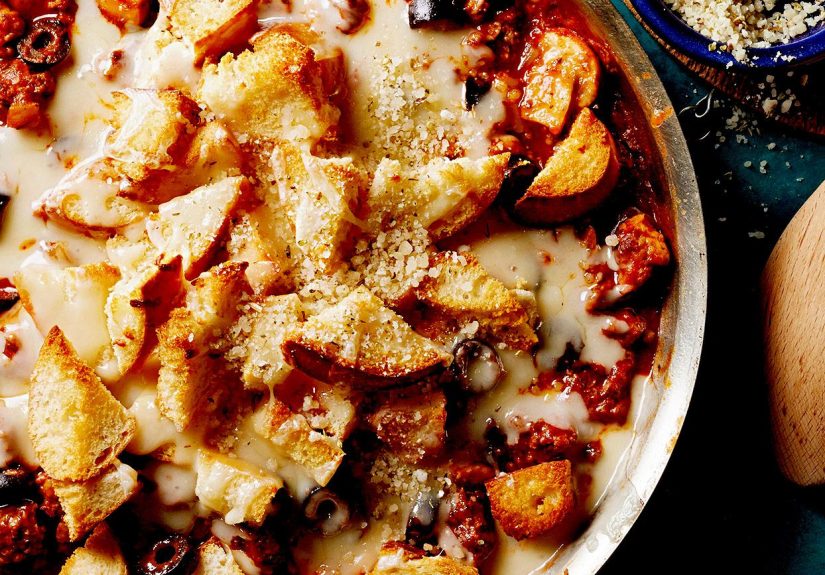
5) Weeknight Skillet Lasagna (Comfort Food, No Lasagna Commitment)
Traditional lasagna is wonderfulbut it’s also a project. Skillet lasagna keeps the flavors (tomato, cheese, Italian seasoning, savory meat)
and skips the long bake and fussy layering. Weeknight lasagna should not require a weekend personality.
- Time: ~30 minutes
- Why it’s fast: broken noodles + quick simmer + cheese melted on top
What you’ll need: ground beef or sausage, onion/garlic, marinara, broken lasagna noodles (or bowties), ricotta (or cottage cheese), mozzarella, basil/Italian seasoning.
- Brown meat with onion; add garlic and seasoning.
- Stir in marinara plus water/broth; add broken noodles.
- Cover and simmer until noodles are tender, stirring occasionally.
- Dollop ricotta, sprinkle mozzarella, cover until melted.
Fast swap: Use gnocchi instead of noodles for an even quicker “lasagna-ish” skillet.
6) Crispy Gnocchi Piccata (All the lemony-caper goodness, no chicken required)
This one is a brilliant “pantry meets fancy” move: shelf-stable gnocchi crisped in a skillet, then tossed in a lemony piccata-style sauce.
It’s tangy, savory, and surprisingly filling.
- Time: ~20–25 minutes
- Why it’s fast: gnocchi pan-fries quickly; sauce is a fast deglaze
What you’ll need: shelf-stable potato gnocchi, butter/olive oil, garlic, capers, lemon, broth/stock, parsley.
- Pan-fry gnocchi in oil/butter until golden and crisp on multiple sides.
- Add garlic briefly, then deglaze with broth; stir in capers and lemon juice.
- Toss gnocchi in the sauce; finish with herbs and black pepper.
Fast swap: Add spinach or arugula at the end so it wilts into the sauce in seconds.
7) Skillet Egg Fried Rice (Yes, You Can Do This Without a Wok)
Fried rice is the ultimate “leftovers become dinner” flex. The key is using cooked, cooled rice so the grains stay separate.
A skillet works perfectlyjust give the rice enough contact with the pan to toast a bit.
- Time: ~20–25 minutes (faster if rice is already cooked)
- Why it’s fast: stir-fry format; everything cooks in quick stages
What you’ll need: cooked rice (ideally day-old), eggs, onion, carrots/peas, garlic, soy sauce, sesame oil (optional), scallions.
- Scramble eggs in a little oil; remove to a plate.
- Sauté onion and diced veggies; add garlic.
- Add rice; spread it out and let it toast a bit before tossing.
- Season with soy sauce and (optional) sesame oil; stir eggs back in; finish with scallions.
Fast swap: Add rotisserie chicken, shrimp, or edamame for extra protein in minutes.
8) Shakshuka (Eggs Poached in Spiced Tomato Sauce)
Shakshuka is cozy, bold, and made for “I have canned tomatoes and ambition” nights. It’s also naturally flexible:
add greens, beans, feta, or whatever is loitering in your fridge.
- Time: ~25–30 minutes
- Why it’s fast: pantry tomatoes + quick simmer + eggs cook right in the sauce
What you’ll need: canned tomatoes, onion, bell pepper, garlic, paprika/cumin/chili flakes, eggs, feta or yogurt (optional), bread.
- Sauté onion and pepper until softened; add garlic and spices.
- Add tomatoes; simmer until slightly thickened.
- Make little wells; crack eggs into them; cover and cook until whites set.
- Top with feta/herbs; serve with bread for maximum sauce-scooping success.
Fast swap: Stir in a handful of spinach or chickpeas to make it even more dinner-sized.
Skillet dinner troubleshooting (because pans have moods)
If everything is sticking
- Preheat longer on medium (especially cast iron), then add oil, then food.
- Don’t move protein too soonlet it sear until it releases naturally.
- Make sure your food is dry before it hits the pan (moisture = steam = sticking).
If your sauce is watery
- Simmer uncovered for a few minutes to reduce.
- Use tomato paste, Parmesan, or a small knob of butter to thicken and round flavors.
- Remember: crowded pans trap steam. If you can, cook in batches.
If your garlic/spices are burning
- Add garlic later (30 seconds of cooking is often enough).
- Lower heat before adding dried spices, then bloom them briefly and add liquid.
of “Skillet Dinner Experience” (the stuff you only learn after Tuesday happens)
If you cook skillet dinners regularly, you start noticing a pattern: the real challenge isn’t the recipeit’s the moment right before cooking begins.
That moment when you’re tired, hungry, and trying to convince yourself that cereal is, in fact, a balanced dinner because it contains “milk”
and “feelings.” This is exactly where skillet recipes shine, because they shrink the number of decisions you have to make.
One of the biggest “experience wins” is learning what to prep first. Home cooks who love skillet meals tend to do a tiny mise en place:
slice the onion, mince the garlic, open the can, measure the seasoning. Not a whole cooking-show spreadjust enough so you’re not scrambling
with a knife while the pan is already hot and judging you. Once you do this a few times, you’ll realize you can prep while the skillet preheats,
which feels like finding extra minutes behind the couch cushions.
Another very real lesson: you don’t need more complicated recipesyou need repeatable “moves.” The move behind chicken cutlets is “sear + quick pan sauce.”
The move behind fried rice is “cook in stages + high heat + day-old rice.” The move behind shakshuka is “build sauce + steam eggs.”
Once you recognize the move, you can swap ingredients without losing the plot. Out of spinach? Use arugula. No Parmesan? Use feta. No hoisin?
Stir together soy sauce, a little honey, and garlic. Skillet cooking is forgiving like thatif you keep your salt, acid, and heat balanced, it’ll land.
Skillet dinners also teach you what “done” looks like in real life. You learn to trust browning: a golden edge on peppers tastes sweeter than pale ones.
You learn that a lid is a secret weapon (it turns a skillet into a mini-oven for melting cheese, steaming eggs, and speeding noodle cooking).
You learn the difference between “stir constantly” and “leave it alone for 90 seconds so it actually browns.” And you learn that the last 30 seconds matter:
a squeeze of lemon, a sprinkle of herbs, a spoon of salsa, a dusting of cheesethose tiny finishes make quick food taste intentional.
Finally, there’s the cleanup reality. People who stick with skillet dinners long-term tend to clean the pan while it’s still warm (not scorchingwarm).
A quick rinse, a gentle scrub, and you’re done. Waiting until the next day turns your skillet into an archaeological site. The good news is: when dinner is fast,
cleanup can be fast too. And that, honestly, is the kind of life upgrade we all deserve.
Conclusion
Skillet dinners aren’t just “quick recipes”they’re a strategy. With a solid preheat, fast proteins, and a couple of sauce-building tricks,
you can turn one pan into eight different weeknight wins. Start with one recipe that sounds genuinely good to you, make it twice, then start swapping flavors.
Your skillet will do the heavy lifting. You just show up with a spatula and a little courage.