Table of Contents >> Show >> Hide
- Quick Table of Contents
- 1) Seal the Drafts (Your Bedroom Isn’t Supposed to Whistle)
- 2) Upgrade Your Window Layers (Because Glass Is Basically a Cold Magnet)
- 3) Warm the Floor (Cold Feet Are Winter’s Personality)
- 4) Layer Bedding Like a Pro (Create a Warm “Sleep Bubble”)
- 5) Add Targeted Heat Safely (Warm the Room, Not the Fire Department)
- 6) Use Your Ceiling Fan the Winter Way (Yes, Really)
- 7) Tune Your Humidity for “Feels Warmer” Comfort
- 8) Build Smarter Thermostat Habits (Warm When You Need It, Save When You Don’t)
- Wrap-Up + Winter Bedroom “In-the-Trenches” Experiences (Extra Cozy Edition)
Winter bedrooms can be confusing little ecosystems. Your body actually sleeps better in a cooler room, but your toes didn’t get that memo.
The goal isn’t to turn your bedroom into a tropical greenhouseit’s to stop heat from escaping, warm the surfaces that feel icy, and build a
cozy “microclimate” where it matters most: the bed.
Below are eight smart, practical, and energy-conscious ways to warm up your bedroom in winterwithout cranking the heat so high your utility bill
files a complaint.
1) Seal the Drafts (Your Bedroom Isn’t Supposed to Whistle)
If your bedroom is chilly, there’s a solid chance you’re paying to heat the outdoors. Drafts around windows, doors, and baseboards let warm air
escape and invite cold air inlike an unwanted roommate who never buys groceries.
Start with the “hand test”
On a windy day (or when the heat is running), move your hand slowly around window edges, door frames, and outlets on exterior walls. If you feel
moving air, that’s a heat leak. If you feel a breeze strong enough to style your hair, congratulations: you’ve found the problem.
Fixes that make a real difference
- Weatherstripping: Great for moveable gaps around windows and doors. Choose the type that seals well but still lets things open and close smoothly.
- Door sweep or draft stopper (“door snake”): Blocks cold air at the bottom of the doorespecially helpful if you have hardwood floors or a hallway that feels like an ice cave.
- Caulk: Best for stationary cracks where materials meet (trim, window casing, baseboards).
The clever part: you don’t need to “do the whole house” to get results. Bedrooms are often smaller, so sealing a few key gaps can noticeably
improve comfort quicklyespecially overnight, when you’re not moving around generating extra body heat.
2) Upgrade Your Window Layers (Because Glass Is Basically a Cold Magnet)
Windows are one of the biggest sources of heat loss in winter. Even newer windows can feel cold because the surface temperature drops, and your body
senses that chill through radiant heat loss. Translation: you’re warm… until you sit near the window and suddenly feel personally betrayed.
Go beyond “cute curtains”
- Thermal curtains: Designed to reduce heat transfer and drafts. For best results, hang them close to the wall and let them reach the floor.
- Cellular (honeycomb) shades: Their air pockets help slow heat loss, especially at night.
- Insulating window film: A seasonal, removable option that can help reduce draftsespecially in older or slightly leaky windows.
A simple day/night routine that feels fancy
If your bedroom gets sun during the day, open curtains/shades to capture free solar warmth. As soon as the sun drops, close them to trap heat
inside. It’s like turning your window treatments into a bouncer: “Sorry, heatyou’re staying in tonight.”
Bonus: Better window layers don’t just help warmth. They can reduce outside noise and improve sleepbecause winter shouldn’t also be the season of
hearing every car in a three-block radius.
3) Warm the Floor (Cold Feet Are Winter’s Personality)
A cold bedroom often starts at the floor. Hard surfaces like tile, vinyl, and even hardwood can feel frigid and make the whole room seem colder.
Warming what you touchespecially first thing in the morningcan change your comfort level fast.
Warmth upgrades that don’t require construction dust
- Area rug + rug pad: The rug adds a cozy layer; the pad helps reduce heat transfer and makes the rug feel thicker underfoot.
- Bedside “landing strip”: If you don’t want a big rug, place a plush runner or small rug where your feet hit the floor.
- Textile layering: In very cold rooms, layering a smaller rug on top of a larger flatweave adds warmth and looks intentional (not “I panicked and bought rugs”).
Clever tip for renters: rugs are one of the easiest reversible changes. They also help reduce drafts from older floors and can dampen noisehelpful
if you live above someone who enjoys 2 a.m. furniture rearranging.
4) Layer Bedding Like a Pro (Create a Warm “Sleep Bubble”)
If you want to warm up your bedroom in winter without overheating the whole room, focus on bedding. Your bed is a microclimate you can control.
The right layers trap warmth while still letting you breatheso you’re cozy, not sweaty.
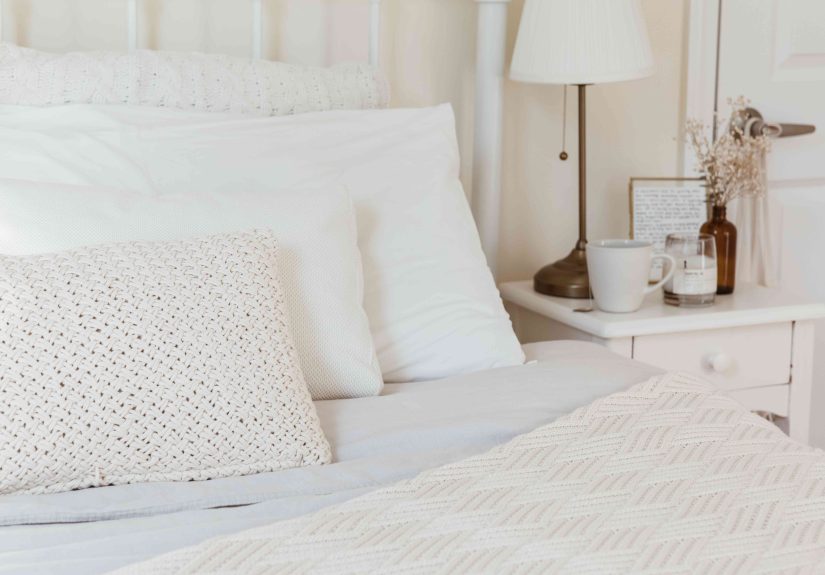
The winter bedding stack (simple, effective)
- Warm sheets: Flannel is a classic because it feels warmer quickly and holds heat well.
- Insulating middle layer: A blanket (wool or fleece are common winter picks) adds warmth without needing a thicker comforter.
- Top layer: A comforter/duvet that fits your winter needs, plus a duvet cover that feels soft and breathable.
- Optional “cap” layer: A quilt on top can reduce drafts and help layers stay put if you toss and turn.
Small bedding tweaks that feel surprisingly luxurious
- Add a throw at the foot of the bed: This boosts warmth where many people get cold first.
- Warm the pillow zone: A soft flannel pillowcase or an extra pillow cover can reduce that “face meets iceberg” moment.
- Choose breathable warmth: Overheating can disrupt sleep, so aim for layers you can peel back easily.
Real talk: a warmer bed often beats a hotter room. Many sleep experts recommend cooler bedroom temperatures for sleep qualityso layering bedding is a
clever way to get comfort without fighting your biology.
5) Add Targeted Heat Safely (Warm the Room, Not the Fire Department)
Sometimes you need extra heat, especially in a drafty bedroom, a back corner of the house, or an apartment with “historic charm” (which is real
estate code for “the windows are from 1973 and emotionally attached to leaking”).
Space heaters: effective, but treat them like a power tool
A modern space heater can quickly warm a bedroom, but safety mattersespecially around bedding and curtains. Follow these core rules:
- Keep a 3-foot safety zone around the heateraway from curtains, bedding, clothes, furniture, and anything flammable.
- Place it on a stable, level surface where it won’t tip.
- Plug directly into a wall outlet (avoid extension cords and power strips).
- Don’t run it while sleeping and don’t leave it unattended.
Safer alternatives that still feel cozy
- Heated mattress pad: Warmth comes from below, which many people find more comfortable than blasting hot air.
- Electric blanket (used correctly): Follow manufacturer directions, inspect for wear, and avoid folding or bunching it while in use.
- Hot water bottle or microwaveable heat pack: Old-school, low-tech comfort for feet and hands.
Clever trick: use targeted heat to “pre-warm” the bedroom for 15–30 minutes before bedtime, then shut it off and rely on your bedding layers.
You get the cozy entry experience without running heat all night.
6) Use Your Ceiling Fan the Winter Way (Yes, Really)
Warm air rises. That’s great if you’re a chandelier. Less great if you’re a human trying to stay cozy under it.
In winter, your ceiling fan can gently push that warm air back down.
Set the direction correctly
In winter, most ceiling fans should run clockwise at a low speed. This helps circulate warm air from the ceiling down into the room
without creating a chilly breeze.
Two quick notes people forget
- Low speed is the secret: You want circulation, not a wind tunnel.
- Turn it off when you leave: Fans don’t heat rooms; they move air. Using it only when you’re in the bedroom keeps things efficient.
If you have high ceilings, you may notice a bigger differencebecause more warm air collects up top. It’s one of the simplest “warm-up” moves that
costs almost nothing to try.
7) Tune Your Humidity for “Feels Warmer” Comfort
Winter air is often dryespecially with heating running. Dry air can make your skin and throat feel uncomfortable, and many people perceive it as
colder. While humidity doesn’t replace real heat, the right range can improve comfort so the bedroom feels warmer at the same temperature.
What humidity range should you aim for?
Many indoor air quality guidelines recommend keeping indoor humidity roughly between 30% and 50% for comfort and to reduce problems
linked to air that’s too dry or too damp.
Easy ways to manage bedroom humidity
- Use a hygrometer: It’s a small device that tells you your humidity level (so you’re not guessing based on “my lips feel dry”).
- Humidifier hygiene: Clean it regularly and change water often to reduce buildup and keep the air healthier.
- Don’t overdo it: Too much humidity can cause condensation on windows and invite moldso stay in that comfortable middle zone.
Clever comfort move: if your bedroom is dry and chilly, a modest humidity boost plus warmer bedding can let you keep the thermostat lower while still
feeling cozy.
8) Build Smarter Thermostat Habits (Warm When You Need It, Save When You Don’t)
The biggest winter bedroom warmth wins usually come from timing. Heating a room nonstop is expensive. Heating it strategicallyespecially around
bedtime and wake-upcan improve comfort without a bigger bill.
Try a “bedtime ramp” schedule
- 60–90 minutes before bed: Warm the bedroom a bit (or pre-warm with targeted heat, then turn it off).
- At bedtime: Keep the room comfortably cool and let bedding do the heavy lifting.
- Wake-up window: If mornings are brutal, schedule a short warm-up so getting out of bed isn’t an act of courage.
Use setbacks intelligently
Many energy-saving recommendations suggest lowering the thermostat for stretches when you’re asleep or away, then warming the house back up when
you’re active. A programmable or smart thermostat makes this easier because it handles the schedule automatically.
Clever reality check: if you love a cooler sleeping temperature (many people do), thermostat strategy and bedding layers work together.
Your bedroom can be sleep-friendly and comfortablewithout running the heat like you’re incubating tropical birds.