Table of Contents >> Show >> Hide
- 1) Schedule a heating system checkup and replace HVAC filters
- 2) Seal air leaks: weatherstripping, caulk, and the attic hatch
- 3) Boost insulation where it counts (and protect pipes in cold zones)
- 4) Clean gutters and fix drainage before snowmelt picks a fight with your foundation
- 5) Inspect the roof, flashing, and chimney before ice does it for you
- 6) Winterize outdoor water and shut down “freeze-and-crack” risks
- 7) Do a winter safety sweep: CO alarms, smoke alarms, vents, and an outage plan
- Common winterizing experiences homeowners share (the “learned it the hard way” edition) 500+ words
- Conclusion
Winter has a special talent: it turns “small” house problems into “why is there a drip in my living room?” house problems.
The good news is that a little fall prep can save a lot of money, stress, and sock-drying time later.
This winter home maintenance checklist focuses on the highest-impact taskscomfort, safety, and preventing the kind of damage that loves to show up right after a freeze.
Quick note: If you’re not comfortable on ladders, around gas appliances, or on a roof, bring in a qualified pro (and if you’re a teen, do these with a parent/guardian or a professional).
Winter doesn’t reward braveryit rewards preparation.
1) Schedule a heating system checkup and replace HVAC filters
Your heating system is basically your home’s winter MVP. And like any MVP, it plays better after a tune-up.
A professional service can catch issues before you discover them at 2 a.m. in January (when repair costs and wait times magically rise).
What to do
- Book a furnace/heat pump tune-up before the first cold snap (pros get busy fast).
- Replace (or at least inspect) your HVAC filterdirty filters restrict airflow and make systems work harder.
- Vacuum supply/return vents and make sure furniture or rugs aren’t blocking airflow.
- If you use a fireplace or wood stove, schedule an inspection/cleaning before heavy use.
Why it matters
Efficient airflow helps your system heat evenly, and routine maintenance reduces breakdown risk.
Bonus: cleaner filters can help indoor air feel less “stuffy winter house” and more “I can breathe in here.”
Example
If one bedroom always runs cold, it might not be “haunted by winter.” It could be a blocked return vent, a filter that’s overdue,
or a duct leak that’s dumping warm air into the attic. A tune-up plus a quick airflow check often reveals the real culprit.
2) Seal air leaks: weatherstripping, caulk, and the attic hatch
If your home were a travel mug, air leaks are the loose lid. You can keep pouring in heat all winter, but it’ll keep escaping.
Sealing drafts is one of the most cost-effective winterizing moves because it improves comfort immediately.
What to do
- Weatherstrip around movable parts like doors and operable windows.
- Caulk cracks and gaps around stationary trim, window frames, and where siding meets foundations.
- Check the attic hatch/doorit’s a common leaky spot. Add weatherstripping and insulation on the back of the hatch.
- Look for sneaky leaks around plumbing penetrations, recessed lights, and the chimney chase (use proper materialssome locations require high-temperature sealants).
Draft-detecting trick
On a windy day, run your hand along door edges and window trim. If you feel movement or see daylight, that’s not “fresh air”that’s your heating bill leaving the building.
Extra credit (budget-friendly)
If you have older windows, temporary shrink-film window kits can reduce drafts and make rooms feel less chilly near glass.
It’s not glamorous, but neither is wearing a parka indoors.
3) Boost insulation where it counts (and protect pipes in cold zones)
Air sealing stops the “wind,” and insulation slows heat transfer. Together, they’re the classic winter duolike gloves and pockets.
The attic is often the first place to focus, because heat rises and an under-insulated attic can bleed warmth all season.
What to do
- Inspect attic insulation depth and coveragelook for bare spots, compressed areas, or insulation pushed aside.
- Insulate pipes in unheated or drafty areas: basements, crawl spaces, exterior walls, garages, and under-sink plumbing on outside walls.
- Pay attention to “cold-adjacent” roomsbathrooms or laundries next to garages often have vulnerable plumbing.
Why it matters
Better insulation improves comfort, reduces energy waste, and helps prevent frozen pipesone of winter’s most expensive “surprises.”
Frozen pipes can burst, and the mess often appears when they thaw (which is when you least want an indoor waterfall).
Example
If your kitchen sink is on an exterior wall and the cabinet feels icy, adding pipe insulation and sealing gaps where pipes enter the wall
can reduce freezing risk. In very cold climates, homeowners sometimes also keep cabinet doors open during deep freezes to let warm air circulate.
4) Clean gutters and fix drainage before snowmelt picks a fight with your foundation
Gutters aren’t excitinguntil they fail. Clogged gutters can contribute to ice dams, roof edge icing, and water backing up where it shouldn’t.
And if downspouts dump water right next to your house, winter melt can seep toward basements and crawl spaces.
What to do
- Clear leaves and debris from gutters and downspouts.
- Check for sagging or loose sections and secure them before ice adds weight.
- Confirm downspouts discharge away from the foundation (use extensions if needed).
- Walk the perimeter after a rainlook for overflow marks, erosion lines, or puddles near the house.
Why it matters
In winter, drainage problems don’t politely wait. Water can freeze where it lands, creating slick walkways, heaving soil, and repeated thaw-freeze stress.
Clean gutters help meltwater move away instead of sneaking into fascia boards, soffits, or basements.
5) Inspect the roof, flashing, and chimney before ice does it for you
Your roof is the winter shield. Small roof issuesmissing shingles, loose flashing, cracked sealantcan become leaks after repeated freeze-thaw cycles.
Chimneys and vents also need attention because snow, ice, and wind can expose weak points fast.
What to do
- From the ground (or with a pro), check for missing/damaged shingles and obvious wear.
- Inspect flashing around chimneys, skylights, and vent pipesthese are common leak zones.
- Check the chimney cap (animals love an open invitation) and look for crumbling mortar.
- Trim overhanging branches that could drop under snow load or scrape shingles in winter wind.
Ice dam reality check
Ice dams are often linked to heat escaping into the attic, melting roof snow, and refreezing at the eaves.
That’s why attic air sealing and insulation (Tasks #2 and #3) matter just as much as roof inspections.
6) Winterize outdoor water and shut down “freeze-and-crack” risks
Outdoor plumbing is a top winter troublemaker. A hose left attached, a faucet that wasn’t drained, or an irrigation line still full of water can freeze.
Water expands when it freezespipes don’t appreciate that science lesson.
What to do
- Disconnect hoses and store themleaving them attached can trap water near the spigot.
- Shut off outdoor faucets at the interior shutoff valve (if you have one), then open the outside faucet to drain.
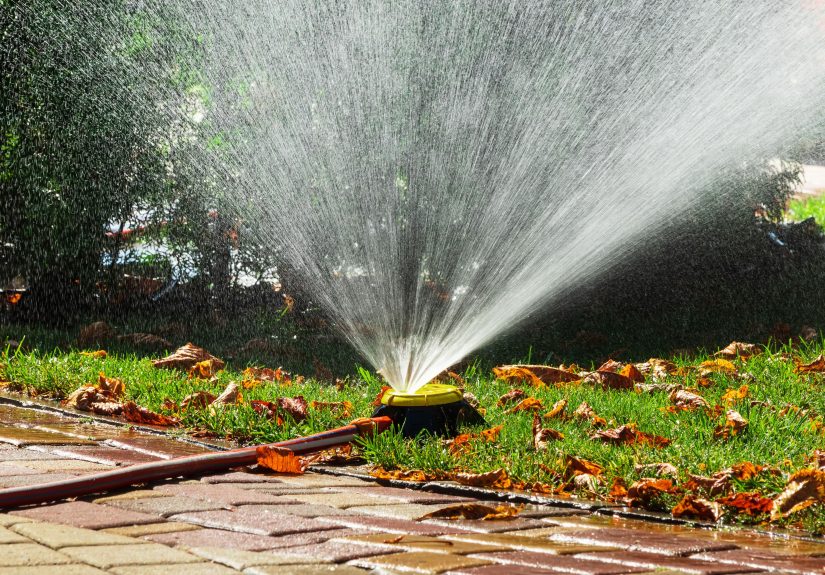
- Drain or blow out sprinkler systems as recommended for your setup and climate (many homeowners hire a pro for blowouts).
- Cover outdoor spigots with insulating faucet covers in cold regions.
- Locate and test shutoff valves so you’re not searching during a leak emergency.
Example
The most common “oops” is a hose left on the bib. The faucet might be frost-proof, but if water is trapped behind the hose connection,
freezing can still damage the line. This is the five-minute fix that can prevent a five-figure repair.
7) Do a winter safety sweep: CO alarms, smoke alarms, vents, and an outage plan
Winter safety is about two big risks: fire and carbon monoxide (CO).
People spend more time indoors, heaters run longer, fireplaces get used, and power outages can tempt unsafe “backup” heat.
This is the task that protects the people inside the houseso it belongs on every winter home maintenance checklist.
What to do
- Test smoke alarms and carbon monoxide alarms and replace batteries as needed (battery backup is a plus).
- Keep a 3-foot safety zone around space heaters, fireplaces, wood stoves, and radiatorsanything burnable stays back.
- Clear snow and ice from exterior vents (furnace, fireplace, dryer, and other exhaust vents) so combustion gases can vent properly.
- Plan for power outages: flashlights, charged power banks, a battery radio, and safe generator practices.
- Generator rule: run it outdoorswell away from doors, windows, and vents. Never in a garage, even with the door open.
Why it matters
CO is odorless and invisible, which is why alarms matter. Winter storms and outages increase the risk of people using fuel-burning devices unsafely.
A few minutes of prep reduces a high-stakes risk.
Mini checklist for “first freeze” weekend
- Test alarms
- Replace HVAC filter
- Confirm outdoor faucets are shut off and hoses are stored
- Clear vents and gutters
- Check weatherstripping on your most-used doors
Common winterizing experiences homeowners share (the “learned it the hard way” edition) 500+ words
People don’t usually skip winter prep because they don’t care. They skip it because life is busy, the weather still feels fine,
and the house seems… mostly okay. Then winter arrives and politely reveals every shortcut you took.
Here are a few real-world patterns homeowners commonly describeso you can steal their lessons without paying their repair bills.
The ice dam that started as a “tiny” draft
One of the most repeated stories goes like this: “We noticed the upstairs was colder, but we figured it was normal.”
What was really happening was warm air leaking into the attic through small gapsaround recessed lights, attic hatches, or plumbing penetrations.
That heat warmed the roof deck, melted snow, and the water refroze near the eaves. A ridge of ice formed, trapping more meltwater.
Eventually, water found a path under shingles and into the house. The first sign wasn’t a dramatic leakit was a faint ceiling stain.
Homeowners who’ve dealt with this almost always say the same thing afterward: sealing the attic and improving insulation would have been cheaper, faster,
and way less stressful than repairing drywall and repainting ceilings in January.
The “why is my basement damp?” downspout mystery
Another classic: a basement that’s “mostly dry” until winter thaw cycles begin. When gutters are clogged or downspouts dump water too close to the foundation,
meltwater pools right where you don’t want it. In mild weather, it’s just a puddle. In winter, it freezes, expands soil, and creates weird water paths.
Some homeowners notice musty smells after a mid-winter warm spell; others find a thin line of water near the wall that appears, disappears, and returns.
The fix is often surprisingly simple: clean the gutters, make sure downspouts aren’t blocked, and extend discharge farther away.
The lesson? Water always chooses the easiest route. Your job is to make “away from the house” the easiest route.
The frozen pipe that burst after it “thawed fine”
Frozen pipes don’t always announce themselves like a movie scene. Sometimes the faucet slows to a sad trickle and then stops.
People may assume the line will “work itself out.” Then a warm day arrives, the ice plug melts, and suddenly there’s water where it doesn’t belong
behind a wall, under a floor, or soaking a cabinet base. Homeowners often realize afterward that the vulnerable pipe ran through a garage wall,
a crawl space corner, or an under-insulated exterior cavity. The small preventative movesinsulating exposed pipes, sealing drafts in utility areas,
disconnecting hoses, knowing where shutoffs arefeel boring until you’ve spent a weekend tearing out wet drywall.
The space heater that “seemed safe”… until it wasn’t
Space heaters are convenient, but they’re also an easy way to create risk if they’re too close to curtains, bedding, or clutter.
Many homeowners who’ve had a close call say it wasn’t the heater itselfit was the environment around it. A blanket that slipped off a couch.
A laundry basket parked “just for a minute.” A power strip that wasn’t meant for that load. The best habit is the simplest:
keep a clear zone (about three feet) around any heat source, plug heaters directly into wall outlets when possible, and shut them off when you leave the room or sleep.
Winter comfort should never come with a side of “did I leave that on?”
The big takeaway from these experiences is reassuring: most winter disasters aren’t mysterious.
They’re usually the result of air leaks, water management issues, neglected maintenance, or unsafe emergency heating choices.
Handle the basics before winter, and your home is far more likely to stay comfortable, efficient, and drama-free.
Conclusion
If you do nothing else before winter, prioritize these: heat system readiness, air sealing/insulation, water management, plumbing protection, and safety checks.
Together, they reduce breakdowns, prevent freeze damage, and make your home feel warmer without cranking the thermostat into “tropical rainforest.”
Do a little now, and you’ll thank yourself when the forecast starts throwing around words like “hard freeze” and “wind chill.”