Table of Contents >> Show >> Hide
- Why “Blue” Fruits Deserve the Hype
- 1) Blueberries
- 2) Blackberries (Blue-Black Berries)
- 3) Black Raspberries
- 4) Concord Grapes (and Other Dark Grapes)
- 5) Elderberries (Cooked Only!)
- 6) Aronia Berries (Black Chokeberries)
- 7) Honeyberries (Haskap)
- Smart Ways to Get More Blue Fruits (Without Becoming a Smoothie Person)
- FAQ: Blue Fruits & Health Benefits
- Everyday Experiences & Tips: Living the “Blue Fruit” Life (About )
- Conclusion
Disclaimer: This article is for general education, not medical advice. If you have a medical condition, take prescription meds (especially blood thinners, diabetes meds, or immunosuppressants), or you’re pregnant, check with a clinician before making major dietary changes or using fruit-based supplements.
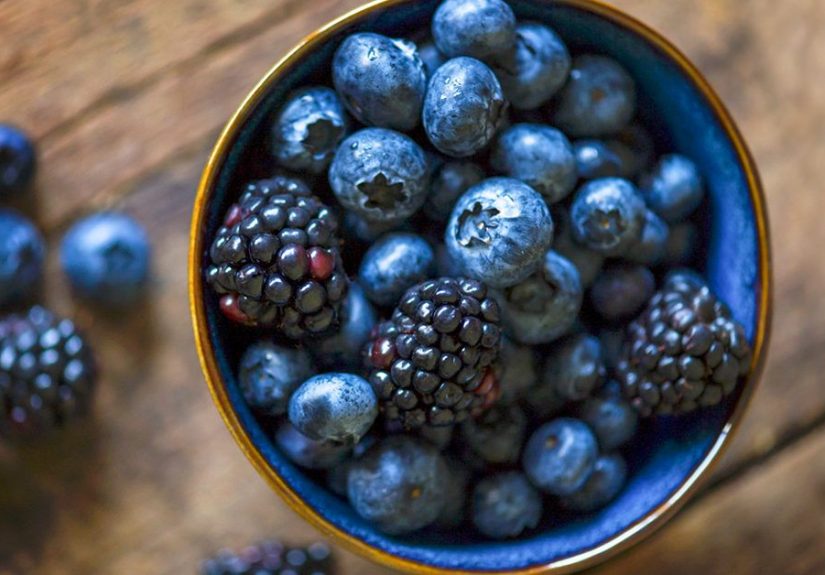
Blue fruits are basically nature’s way of saying, “I could’ve been beige, but I chose drama.” That blue-to-indigo color usually comes from anthocyaninsplant pigments in the flavonoid family that help protect the fruit from sun, stress, and whatever else fruit worries about. Conveniently for us, these compounds (plus fiber, vitamins, and minerals) are linked to some pretty impressive wellness perksespecially for heart health, brain health, and overall inflammation balance.
Before we dive in, one quick reality check: no fruit is a magic wand. But adding more colorful fruitespecially anthocyanin-rich “blue” optionscan be a smart, tasty move inside a balanced eating pattern. Most U.S. guidance lands around 2 cups of fruit per day for a 2,000-calorie pattern (needs vary by age, sex, and activity). Translation: there’s room in your day for a handful of blue deliciousness.
Why “Blue” Fruits Deserve the Hype
Many blue, purple, and blue-black fruits are rich in:
- Anthocyanins & other flavonoids (linked in research to vascular function, oxidative stress management, and cognition support)
- Fiber (supports digestion, cholesterol management, steadier blood sugar response, and gut microbiome diversity)
- Vitamin C (immune support, collagen formation, and antioxidant roles)
- Vitamin K (blood clotting support and bone-related functionsimportant note if you take warfarin)
- Polyphenols beyond anthocyanins (like resveratrol in some grape skins)
Now, let’s meet the all-star lineup of 7 blue fruits with powerful health benefitsplus practical ways to eat them without getting stuck in a “blueberry muffin or nothing” rut.
1) Blueberries
If blue fruits had a mayor, it would be the blueberry. Blueberries are widely studied and easy to find fresh or frozen year-round.
What makes them “blue”?
Their skin is packed with anthocyaninsthe pigments doing the heavy lifting for that deep blue color.
Potential health benefits (what research suggests)
- Heart & blood vessel support: Blueberries have been associated with improved blood vessel function and healthier blood pressure patterns in some human studies.
- Brain-friendly habits: Berry anthocyanins are frequently studied for memory and cognitive performance support, especially as we age.
- Metabolic support: Blueberries may help moderate post-meal blood sugar responses when eaten as part of balanced meals (think: berries + protein + healthy fats).
How to eat them (beyond cereal)
- Blend frozen blueberries with Greek yogurt, cinnamon, and peanut butter for a “blue dessert” smoothie.
- Make a quick blueberry-chia jam (microwave berries, mash, stir in chia, chill).
- Toss into a salad with goat cheese, walnuts, and a lemony vinaigrette.
2) Blackberries (Blue-Black Berries)
Blackberries look almost black, but many are actually deep purple-blue in the right lightlike a midnight sky that decided to be snackable.
Potential health benefits
- Digestive support: Blackberries are famously fiber-rich, which helps with regularity and supports a healthier gut environment.
- Antioxidant variety: Along with anthocyanins, they contain other polyphenols that are studied for inflammation balance and cellular protection.
- Bone & immune nutrients: They provide vitamin C and vitamin Kuseful in overall immune and bone-related functions.
How to eat them
- Freeze them and eat straight like tiny sorbet nuggets.
- Stir into overnight oats with cocoa powder (yes, it’s basically “dessert breakfast”).
- Make a savory sauce: simmer blackberries with a pinch of salt, balsamic, and rosemarygreat on chicken or tofu.
3) Black Raspberries
Black raspberries are the “rare vinyl” of the berry world: not always in every store, but absolutely worth grabbing when you see them. They’re especially noted for their anthocyanin density compared with many other berries.
Potential health benefits
- High anthocyanin content: Black raspberries are frequently used in research exploring how berry compounds interact with oxidative stress and inflammation pathways.
- Oral and digestive tract research interest: In lab and early human research contexts, black raspberries have been explored for their bioactive compoundsimportant note: this is not the same as “treating” disease, but it shows scientific interest in their chemistry.
How to eat them
- Mix into plain yogurt with a drizzle of honey and crushed pistachios.
- Use in pancakes, but add them after you pour the batter so they don’t bleed into purple chaos (unless you want purple chaos).
- Try a black raspberry vinaigrette: mash berries + olive oil + vinegar + mustard + salt.
4) Concord Grapes (and Other Dark Grapes)
Concord grapes are the bold, juicy grapes behind that classic purple grape flavor. Dark grape skins contain polyphenols (including anthocyanins and, in some varieties, resveratrol-related compounds).
Potential health benefits
- Cardiovascular support: Grape polyphenols have been studied for their role in vascular function and overall heart-health patterns.
- Antioxidant diversity: Grapes bring a different polyphenol “playlist” than berries, which is great for dietary variety.
How to eat them
- Freeze them for a poppable snack (they turn into little sorbet orbs).
- Roast grapes with olive oil and a pinch of salt; serve with cheese, nuts, or on toast.
- Choose whole grapes more often than juice for fiber (and a gentler blood sugar ride).
5) Elderberries (Cooked Only!)
Elderberries are deep purple-blue and famous in syrups, teas, and jams. But here’s the headline: raw elderberries should not be eaten. They need to be cooked to reduce compounds that can cause GI upset.
Potential health benefits
- Immune-season popularity: Elderberry is often used in traditional and modern wellness routines during cold/flu season. Evidence is mixed, but interest is strong.
- Polyphenols + vitamin C: Elderberries contain anthocyanins and other compounds studied for antioxidant activity.
How to eat them safely
- Use cooked elderberries in jam, syrup, or baked fillings.
- Buy reputable prepared products and watch added sugar (some syrups are basically candy with a cape).
- Avoid “DIY raw berry” shortcutsyour stomach will not applaud your creativity.
6) Aronia Berries (Black Chokeberries)
Aronia berries are native to North America and are often described as “tart” or “astringent”which is polite talk for “your mouth might feel like it’s wearing a tiny sweater.” That punchy taste comes from their high polyphenol content.
Potential health benefits
- Very high polyphenols: Aronia is frequently highlighted in scientific reviews for antioxidant capacity and bioactive compound density.
- Cardiometabolic research interest: Studies and reviews discuss aronia’s potential roles in markers related to blood pressure, lipids, and glucose metabolismespecially when used as part of an overall health pattern.
How to eat them (so you actually enjoy it)
- Blend aronia into smoothies with banana or mango to balance tartness.
- Use aronia powder in oatmeal or yogurt (start smallthis fruit does not whisper).
- Cook into compote with apples, cinnamon, and a little maple syrup.
7) Honeyberries (Haskap)
Honeyberriesalso called haskaplook like elongated blueberries and taste like a blueberry-blackberry-lemon mashup. They’re gaining popularity in cold-hardy growing regions and specialty markets.
Potential health benefits
- Anthocyanin-rich profile: Honeyberries are widely discussed in nutrition research for their anthocyanin composition (often featuring cyanidin-related compounds).
- Whole-fruit advantages: Like other berries, they contribute fiber plus a range of plant compoundsuseful for gut and heart-friendly eating patterns.
How to eat them
- Eat fresh like blueberries (if you can find them).
- Use in pies, jams, or chia puddingshoneyberries make a gorgeous naturally blue-purple filling.
- Try a honeyberry “shrubs” drink: simmer berries, mix with vinegar and sparkling water (tastes fancy, costs less than fancy).
Smart Ways to Get More Blue Fruits (Without Becoming a Smoothie Person)
- Build a “blue trio” snack: berries + nuts + yogurt (fiber + protein + fat = better staying power).
- Use frozen fruit strategically: frozen blueberries/blackberries are often budget-friendly and reduce food waste.
- Choose whole fruit most often: juices can be enjoyable, but they usually drop fiber and concentrate sugars.
- Rotate your blues: different fruits mean different polyphenolsvariety is the secret sauce.
FAQ: Blue Fruits & Health Benefits
Are “blue” fruits healthier than other fruits?
Not automatically. Blue fruits are special because many are rich in anthocyanins and other flavonoids, but all fruits contribute valuable nutrients. The real win is eating a variety of colors consistently.
How much should I eat to see benefits?
Research often looks at daily or near-daily intakes (like a cup of berries) over time, but there’s no single magic number. A realistic goal: work toward the general guidance of around 2 cups of fruit per day (adjusted to your needs) and include berries or dark grapes several times per week.
Do supplements work the same as whole fruit?
Whole fruits bring fiber, water, and a complex mix of compounds that may work together. Supplements can be inconsistent in dose and quality. If you use products like elderberry syrup, pick reputable brands and treat it as “extra,” not a replacement for a balanced diet.
Everyday Experiences & Tips: Living the “Blue Fruit” Life (About )
Adding blue fruits to your routine is one of those rare health habits that doesn’t feel like a punishment. It’s less “I must suffer for wellness” and more “I accidentally made my breakfast look like a café menu.” A lot of people start with blueberries because they’re friendly: they don’t demand a complicated recipe, and they won’t aggressively change the flavor of everything they touch. You toss a handful into oatmeal or yogurt, and suddenly your plain breakfast has personality.
Then comes the “frozen berry phase.” It’s practical and kind of fun: you keep a bag in the freezer and treat it like an emergency stash of edible jewels. Frozen blueberries and blackberries also solve a real-life problemfruit that goes from “perfect” to “suspicious” in 48 hours. With frozen, you can pour out exactly what you need, close the bag, and walk away like a responsible adult who totally has it together.
Blackberries tend to create a different kind of experience: they’re bold. They have seeds, tang, and that “I’m not here to be subtle” flavor. People often discover that blackberries shine when paired with creamy or nutty thingsyogurt, cottage cheese, nut butter, or even a little cheese board moment. And if you’ve never tried roasting grapes or simmering blackberries into a quick sauce, it’s a surprisingly satisfying upgrade that makes weeknight meals feel less boring.
Elderberries are where your inner grown-up shows up, because they come with rules: cook them. Many folks first meet elderberry as a syrup during cold season, and the experience is usually a mix of “this tastes like a fancy jam” and “why is it so sweet?” That’s a great reminder to read labels and consider making simple cooked berry compotes at homeless sugar, more control, same cozy vibe.
Aronia berries and honeyberries often feel like joining a secret club. You find them at a farmers market, a specialty shop, or in a “you should totally plant this” conversation. Aronia can be intensely tart, so the best experience is easing in: blend it with sweeter fruit, stir a little powder into oats, or cook it down with apples and cinnamon. Honeyberries, on the other hand, can surprise you with a bright, tangy twistgreat for people who love berries but want something new.
The most consistent “blue fruit” win isn’t a dramatic transformation. It’s the small, repeatable moments: a snack that keeps you full, a breakfast that feels colorful, and a habit that’s easy enough to stick with. If your health routine doesn’t taste good, it won’t lastso consider this your permission slip to make wellness delicious (and maybe a little blue).
Conclusion
Blue fruits aren’t just prettythey’re a flavorful way to stack your day with fiber, vitamins, and anthocyanin-rich compounds linked to heart and brain-friendly benefits. Start with what’s easy (blueberries and blackberries), explore what’s interesting (honeyberries and aronia), and keep it realistic: variety over perfection, whole fruit over hype, and habits you actually enjoy over anything that feels like a chore.