Table of Contents >> Show >> Hide
- Why Tailbone Pain Happens in the First Place
- Before You Start: A Few Smart Rules
- The 6 Best Tailbone Stretches for Pain and Soreness Relief
- How Often Should You Do These Stretches?
- When Stretching Helps Most
- When to Call a Doctor Instead of Your Yoga Mat
- Real-Life Experiences: What Tailbone Pain Often Feels Like Day to Day
- Conclusion
- SEO Tags
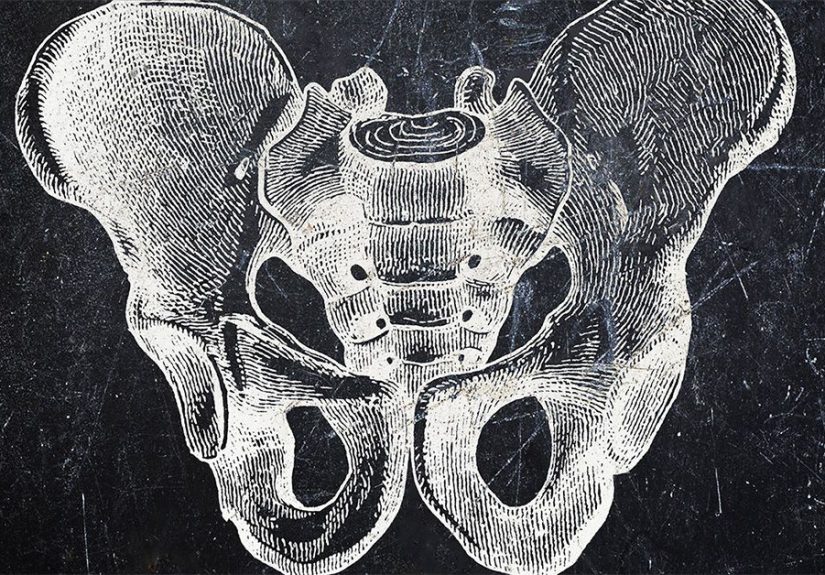
Your tailbone may be tiny, but when it gets irritated, it behaves like the loudest employee in the office. Technically called the coccyx, this small bone sits at the very bottom of your spine. When it hurts, the pain can show up during the most ordinary parts of life: sitting at your desk, driving, standing up from a chair, leaning back on the couch, or even trying to enjoy a peaceful bathroom break without your body staging a protest.
Tailbone pain, often called coccydynia, can happen after a fall, childbirth, long periods of sitting, repetitive pressure from cycling or rowing, or irritation in the muscles and ligaments around the coccyx. Sometimes the bone itself is part of the problem. Other times, the bigger issue is the tight, cranky tissue around it, especially the pelvic floor, glutes, hips, and low back. That is why stretches can help: they do not literally “stretch the tailbone,” but they can reduce the tension and stiffness around it so sitting and moving feel less miserable.
This guide walks through six gentle stretches that may help relieve tailbone soreness, plus tips on how to do them safely, what results to realistically expect, and when stretching is not the smartest move. The goal here is not acrobatics. The goal is less pain, better movement, and a little hope when your chair has become your enemy.
Why Tailbone Pain Happens in the First Place
The coccyx sits where several muscles, ligaments, and pelvic floor structures attach. That makes it a surprisingly busy little landmark. If you land hard on it, sit too long on hard surfaces, or keep loading the area without enough breaks, the tissues around it can become irritated. Some people also develop tailbone pain from posture changes, arthritis, pelvic floor tension, childbirth, or referred pain from nearby areas such as the lower back, sacroiliac region, or deep glute muscles.
In plain English: the tailbone is not always the whole story. When the pelvic floor tightens, the hips get stiff, or the low back stops moving well, your body may shift more pressure into the coccyx. That is where stretching, mobility work, and posture changes can be helpful. If the pain is mild to moderate and not tied to a serious injury, a gentle routine may reduce soreness over time.
Before You Start: A Few Smart Rules
These stretches should feel gentle, not heroic. A mild pulling sensation is fine. Sharp, stabbing, burning, or radiating pain is your cue to stop. Move slowly, breathe normally, and avoid bouncing. Hold each stretch for about 20 to 30 seconds unless noted otherwise, and repeat 2 to 3 times on each side if it feels okay.
If you recently had a major fall, suspect a fracture, have severe pain, or notice numbness, leg weakness, fever, drainage near the buttock crease, or new bowel or bladder problems, skip the stretching session and get checked by a clinician instead. Your tailbone may be dramatic, but sometimes it has a valid reason.
The 6 Best Tailbone Stretches for Pain and Soreness Relief
1. Diaphragmatic Breathing With Pelvic Floor Relaxation
This is the most underrated stretch on the list because it looks too simple to matter. But if your tailbone pain is linked to pelvic floor tension, deep breathing with conscious relaxation can be a big deal. The pelvic floor connects from the pubic bone to the tailbone, so learning to let those muscles soften may reduce the constant gripping that keeps the area irritated.
How to do it:
- Lie on your back with your knees bent and feet flat, or sit supported in a comfortable chair.
- Place one hand on your belly and the other on your chest.
- Inhale slowly through your nose and let your belly rise.
- As you breathe in, imagine the muscles around your pelvic floor gently dropping or softening.
- Exhale slowly through your mouth without clenching your glutes or abdominals.
- Repeat for 5 to 10 slow breaths.
Why it helps: This technique can calm protective muscle guarding in the pelvic floor and lower pelvis. It is especially useful if your pain spikes with sitting, bowel movements, stress, or the feeling that everything down there is constantly “on duty.”
Best for: Tailbone soreness linked to pelvic tension, postpartum tightness, or pain that feels worse after sitting for long stretches.
2. Child’s Pose
Child’s pose gently opens the hips, lengthens the lower back, and can create a welcome break from the compressed seated posture that often aggravates the tailbone. It is a classic for a reason: it is gentle, accessible, and does not require you to audition for a yoga commercial.
How to do it:
- Kneel on a mat with your big toes touching and your knees comfortably apart.
- Sit your hips back toward your heels.
- Reach your arms forward and lower your chest toward the floor.
- Rest your forehead on the mat, a folded towel, or a pillow.
- Breathe slowly and hold for 20 to 30 seconds.
Make it easier: Place a pillow between your hips and heels if your knees or hips are tight. You can also widen your knees more if that feels better.
Why it helps: Child’s pose can relieve tension through the low back, inner hips, and pelvic region. If sitting makes you feel compressed and achy, this position offers the opposite experience: more space, less load, and a chance for the tissues around the coccyx to relax.
3. Single Knee-to-Chest Stretch
This stretch targets the lower back and can help reduce stiffness in the muscles that influence how pressure travels through the pelvis when you sit or stand. It is one of the gentlest options for people who feel more sore than truly injured.
How to do it:
- Lie on your back on a firm but comfortable surface.
- Keep one knee bent or one leg extended, whichever feels better.
- Bring one knee slowly toward your chest using both hands.
- Stop when you feel a gentle stretch in your lower back or buttock.
- Hold for 20 to 30 seconds, then switch sides.
Why it helps: Tightness in the low back and glute region can make tailbone pain feel worse, especially after prolonged sitting. This stretch can improve mobility without putting direct pressure on the coccyx.
Watch out: If curling your spine increases pain sharply, back off and keep the knee farther from your chest.
4. Supine Figure Four Stretch
If your tailbone pain comes with deep buttock tightness, the figure four stretch deserves a spot in your routine. It targets the piriformis and surrounding glute muscles, which can get stubbornly tight when you spend too much time sitting. That deep hip tension can make the whole tailbone region feel more irritated than it needs to.
How to do it:
- Lie on your back with both knees bent.
- Cross your right ankle over your left thigh, just above the knee.
- Reach through and hold the back of your left thigh.
- Gently draw the left leg toward you until you feel a stretch in the right glute.
- Hold for 20 to 30 seconds, then repeat on the other side.
Why it helps: When the glute and piriformis muscles are tight, they can add to pelvic tension and make sitting feel worse. Loosening that area may reduce some of the pull and compression around the coccyx.
Modification: If grabbing behind the thigh is awkward, keep the lower foot on the floor and gently press the crossed knee away from you instead.
5. Cat-Cow
Cat-cow is a slow, flowing spinal mobility exercise that can help you move through flexion and extension without jamming the tailbone. For people who feel stiff rather than unstable, it can be a nice reset after long periods of sitting.
How to do it:
- Start on all fours with your hands under your shoulders and knees under your hips.
- Inhale as you gently arch your back, lifting your chest and tailbone slightly.
- Exhale as you round your spine, drawing your belly inward and tucking your chin.
- Move slowly with your breath for 5 to 8 rounds.
Why it helps: This movement encourages gentle spinal and pelvic mobility. If your low back and pelvis have become stiff from guarding, cat-cow can help restore smoother motion and reduce that “everything feels locked up” sensation.
Keep it gentle: This should be a smooth motion, not a dramatic yoga performance. Small movements are enough.
6. Half-Kneeling Hip Flexor Stretch
Tight hip flexors are common in people who sit a lot, and they can contribute to pelvic tilt and extra strain through the low back and tailbone region. A half-kneeling hip flexor stretch helps open the front of the hip, which can make sitting posture and standing transitions feel less irritating.
How to do it:
- Kneel on the floor with your right foot in front and left knee down.
- Keep your front knee stacked over your ankle.
- Tuck your pelvis slightly under, as if you are gently pointing your tailbone down.
- Shift your weight forward until you feel a stretch in the front of the left hip.
- Hold for 20 to 30 seconds, then switch sides.
Why it helps: Prolonged sitting shortens the hip flexors. That can encourage posture changes that increase strain across the lower spine and pelvis. Releasing the front of the hips often makes the back side of the body feel less overworked.
Tip: Put a folded towel under the kneeling knee for comfort. No one wins extra points for kneecap suffering.
How Often Should You Do These Stretches?
For mild tailbone soreness, start with 1 round of 3 to 4 stretches once a day. If your body tolerates that well, work up to 5 or 6 stretches most days of the week. Consistency matters more than intensity. A gentle daily routine usually works better than one heroic 40-minute session followed by three days of regret.
You can also pair stretching with other simple strategies:
- Use a wedge or pressure-relief cushion when sitting.
- Lean slightly forward instead of reclining onto the tailbone.
- Take standing or walking breaks every 30 to 60 minutes.
- Try heat or ice, depending on what feels better.
- Avoid hard, narrow, or deeply sagging seats.
When Stretching Helps Most
Stretching tends to help the most when your pain is related to muscle tension, stiffness, posture, or mild overuse. It can also be helpful during recovery after the initial irritation settles down. You may notice the most benefit if your pain feels achy, sore, tight, or worse after sitting too long.
It is less likely to solve the problem on its own if you have a fracture, major coccyx instability, infection, tumor, severe nerve compression, or another condition that needs a different kind of treatment. In those situations, forcing stretches may just annoy the area more.
When to Call a Doctor Instead of Your Yoga Mat
See a healthcare professional if your tailbone pain lasts more than a few weeks, keeps getting worse, or started after a significant fall or injury. Also get evaluated if you notice fever, unexplained weight loss, drainage or swelling near the top of the buttock crease, numbness, leg weakness, severe pain with bowel or bladder changes, or pain that shoots down the leg.
If sitting remains miserable despite cushions, posture changes, and gentle stretching, physical therapy may help, especially pelvic floor physical therapy. A clinician may also consider imaging or a closer exam if the symptoms suggest a fracture, abnormal coccyx movement, referred spine pain, or another condition altogether.
Real-Life Experiences: What Tailbone Pain Often Feels Like Day to Day
Tailbone pain has a strange way of turning ordinary life into a negotiation. People often describe it as manageable one minute and surprisingly rude the next. A person may wake up feeling decent, sit through a long commute, and then realize that getting out of the car requires the kind of strategic planning usually reserved for moving a sofa upstairs.
One common experience is the “I can sit, but I have to sit weird” phase. Instead of settling back into a chair normally, people start leaning to one side, perching on one hip, or folding a leg under themselves in creative but questionable ways. At first, this seems like a clever adaptation. After a while, it often creates new aches in the hips, low back, or glutes because the whole body starts compensating.
Another frequent complaint is that transitions hurt more than stillness. Sitting may feel uncomfortable, but standing up can deliver the sharper jolt. That first moment from chair to upright is when many people feel the tailbone “announce itself.” After a few steps, it may calm down a bit. Then they sit again, and the cycle restarts. It is not exactly a thrilling hobby.
People with desk jobs often say the pain sneaks up on them. The morning may be fine, but by late afternoon the area feels bruised, hot, or deeply sore. Long meetings, hard dining chairs, airplane seats, bleachers, and road trips tend to rank high on the list of enemies. Some people start carrying a cushion everywhere, which feels mildly dramatic until they realize it actually helps.
Others notice that their pain is tied less to the bone itself and more to a sense of tightness through the pelvic floor, buttocks, or lower back. They may describe a deep ache that gets worse with stress, constipation, or long periods of clenching without even realizing it. For these people, the most helpful stretch is sometimes not the biggest one. It is the moment they learn how to breathe, relax the pelvic floor, and stop bracing every muscle below the waist like they are preparing for impact.
Postpartum experiences can also be different. Some people notice tailbone soreness after delivery that makes sitting to feed a baby, getting up from bed, or riding in the car surprisingly uncomfortable. In that situation, gentle mobility, pressure relief, and pelvic floor-guided care can matter just as much as rest.
Athletes and active people often have a different story. Cyclists, rowers, or people who spend a lot of time on hard benches may first dismiss the pain as simple soreness. But when the ache keeps returning, they begin to notice how much hip tightness, posture, and repetitive loading contribute to the problem. For them, stretching is often most useful when paired with equipment changes, seat adjustments, and better recovery habits.
What many people learn, eventually, is that tailbone pain usually responds best to patience and gentle consistency. Not panic. Not aggressive stretching. Not the “I watched one video and now I am a mobility wizard” approach. A few well-chosen stretches, regular movement breaks, a better sitting setup, and attention to red flags often do more than forcing the area into submission.
Conclusion
The best stretches for tailbone pain do not attack the coccyx directly. Instead, they reduce tension in the muscles and tissues around it, especially the pelvic floor, hips, glutes, and lower back. Start with gentle options such as pelvic floor relaxation breathing, child’s pose, knee-to-chest, figure four, cat-cow, and a hip flexor stretch. Use them consistently, pair them with smarter sitting habits, and give your body time to settle down.
If the pain is intense, lasts too long, or comes with red-flag symptoms, get medical advice. A sore tailbone can absolutely be a minor irritation, but sometimes it is your body’s way of asking for more than a stretch and a hopeful attitude.