Table of Contents >> Show >> Hide
- First, what exactly is amla juice?
- Amla’s “why people care” nutrients in plain English
- Emerging Benefit #1: May support healthier cholesterol and triglycerides
- Emerging Benefit #2: May help with blood sugar steadiness and insulin sensitivity
- Emerging Benefit #3: May support blood vessel function and blood pressure (especially as part of a bigger plan)
- Emerging Benefit #4: May reduce oxidative stress and calm low-grade inflammation
- Emerging Benefit #5: May help digestive comfort and heartburn frequency
- Emerging Benefit #6: May support skin and hair health “from the inside out”
- How to drink amla juice without regretting your choices
- Safety notes and who should be careful
- Conclusion: Amla juice is promisingwhen you keep it realistic
- Real-World Experiences With Amla Juice (Anecdotes, Patterns, and What They Might Mean)
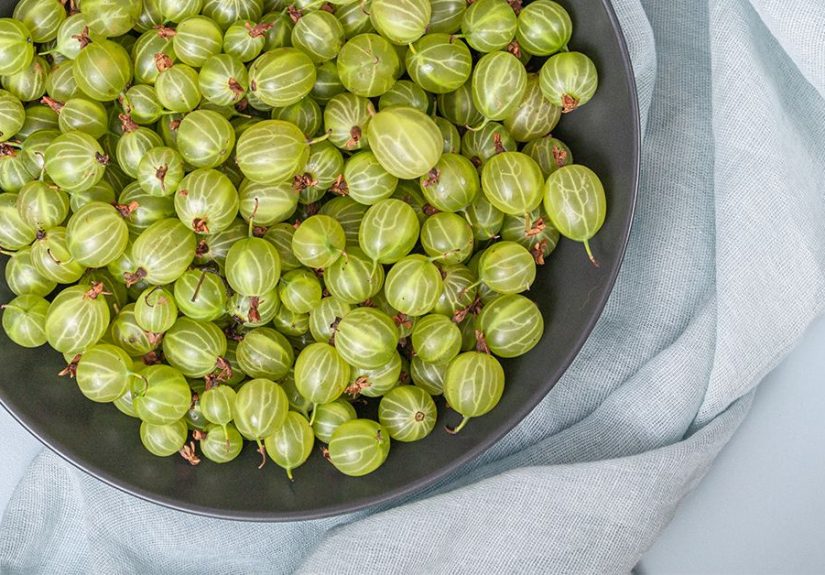
Amla juice (made from amla, aka Indian gooseberry, Phyllanthus emblica/Emblica officinalis) has gone from “Ayurveda’s best-kept secret” to “Waitwhy is everyone drinking this sour little superhero?” It’s tart, a little bitter, and powerful enough to make your taste buds write a formal complaint. But behind the puckered faces is a real reason researchers keep paying attention: amla is unusually rich in vitamin C and polyphenol antioxidants, and early human studies suggest it may support several areas of health.
This article breaks down six emerging benefits of amla juicemeaning benefits that are promising, supported by some studies (including small clinical trials), but still need more large, high-quality human research. You’ll also get practical, non-hype guidance on how to drink it without turning your morning into a sour reality show.
First, what exactly is amla juice?
Amla juice is the liquid extracted from amla fruit. In the U.S., you’ll usually see it sold as:
- Pure bottled amla juice (often concentratedcheck the label)
- Amla juice blends (mixed with apple, grape, or honeytastier, but sometimes sugar-heavy)
- Amla powder or extract (not juice, but commonly studied in clinical trials)
One important reality check: many of the best human studies use standardized amla extracts or amla powder, because researchers can measure the dose precisely. Juice can still be useful, but its strength varies by brand, concentration, and processing. So when you see “amla helped X in a study,” it may not be the exact same dose you’d get from a splash of juice in water.
Amla’s “why people care” nutrients in plain English
Amla’s reputation is largely tied to two big categories:
- Vitamin C (often high compared with many fruits)
- Polyphenols and tannins (plant compounds linked to antioxidant and anti-inflammatory activity)
These compounds may help reduce oxidative stressa process that’s involved in aging, inflammation, and many chronic diseases. Think of oxidative stress like “biological rust.” Antioxidants don’t magically fix everything, but they can support the body’s defense system.
Emerging Benefit #1: May support healthier cholesterol and triglycerides
If amla juice had a “most studied” category, this would be it: cardiometabolic supportespecially lipids like LDL (“bad cholesterol”) and triglycerides.
What the research suggests
Multiple clinical trials and reviews have found that amla (often as extract or powder) may help improve lipid markers, including lowering total cholesterol, LDL cholesterol, and triglycerides in certain groups. Some studies also track inflammation-related markers that tend to move in the right direction alongside lipids.
How it might work
Researchers suspect a combination of factors:
- Antioxidant activity that helps reduce oxidation of LDL particles
- Effects on lipid metabolism in the liver
- Potential support for endothelial function (the health of blood vessel lining)
Practical takeaway
Amla juice isn’t a replacement for medical care, but it may be a reasonable “nutrition add-on” for people working on heart healthespecially if the juice is unsweetened and you’re also doing the bigger levers (fiber, exercise, sleep, stress). If you’re already on cholesterol-lowering medication, talk with a clinician before adding high-dose supplements, and don’t stop prescribed meds because your juice is feeling confident.
Emerging Benefit #2: May help with blood sugar steadiness and insulin sensitivity
Amla is also being studied for glucose control. Early human studies suggest it may help reduce fasting blood sugar and support healthier post-meal numbers in some people.
What the research suggests
Small clinical trials using amla powder or extract have reported improvements in fasting glucose and sometimes longer-term markers (like HbA1c) in certain populations. Not every study is dramatic, and results varypartly because the dose, form, and study duration vary.
How it might work
- Polyphenols may influence carbohydrate digestion and glucose absorption
- Antioxidant activity may support insulin signaling indirectly by lowering oxidative stress
- Some mechanisms may overlap with general improvements in metabolic health (inflammation and lipids often travel as a group)
Practical takeaway
If you’re trying amla juice for metabolic support, avoid sugary “health” blends that contain more added sugar than a dessert in disguise. Also: if you take diabetes medication, amla could potentially contribute to low blood sugar in combination with your medsso it’s worth discussing with a healthcare professional and monitoring your response.
Emerging Benefit #3: May support blood vessel function and blood pressure (especially as part of a bigger plan)
Beyond cholesterol and glucose, there’s growing interest in how amla affects vascular functionhow well blood vessels relax and respond. This matters because healthy circulation supports heart health long before anything shows up on a lab report.
What the research suggests
Some preliminary clinical research suggests amla supplementation may improve measures related to endothelial function and oxidative stress. Other studies have investigated amla alongside standard care in people with uncontrolled hypertension, looking at whether it can provide additional support. These results are promising but not yet definitive.
How it might work
- Reduced oxidative stress may help preserve nitric oxide availability (important for vessel relaxation)
- Polyphenols may have mild anti-inflammatory and vascular effects
Practical takeaway
For blood pressure, amla juice should be viewed as a potential helpernot the hero. The foundational moves still win: sodium awareness, potassium-rich foods, regular movement, and sleep. Amla may fit into that picture, especially if you like the taste (or at least tolerate it with dignity).
Emerging Benefit #4: May reduce oxidative stress and calm low-grade inflammation
One reason amla keeps showing up in research: it’s loaded with compounds that demonstrate antioxidant capacity in lab testing, and early human studies sometimes show improved antioxidant markers and reduced inflammatory markers.
What the research suggests
Clinical studies of amla supplementation have reported changes in biomarkers tied to oxidative stress and inflammation. Some research has also looked at CRP (a common inflammation marker), with improvements in certain contexts. This doesn’t mean amla “cures inflammation,” but it may support the body’s balanceespecially alongside a diet that isn’t built entirely out of ultra-processed snacks and wishful thinking.
Why that matters
Chronic, low-grade inflammation is linked with many long-term conditions. Nutrient-dense foods and polyphenol-rich plants can be part of an overall pattern that supports healthier aging.
Emerging Benefit #5: May help digestive comfort and heartburn frequency
This one surprises people because amla is sourand sour foods sound like the villains in a heartburn story. Yet some evidence suggests Indian gooseberry extract may reduce heartburn frequency and severity in certain studies. Meanwhile, amla’s traditional use often includes digestive support.
What the research suggests
Some human research has explored Indian gooseberry extract for heartburn symptoms, with reports of improved frequency and severity over a few weeks. Separately, nutrition-focused sources discuss amla juice as supportive for digestion, though that claim is more mixed and likely depends on the person, the dose, and whether the juice is taken diluted.
Practical takeaway
If you’re trying amla juice for digestion:
- Dilute it (think “shot glass into a full glass of water,” not “straight like a dare”)
- Start small and track how you feel
- If you have GERD or frequent reflux, talk with a clinicianespecially if sour foods tend to trigger you
Emerging Benefit #6: May support skin and hair health “from the inside out”
Amla is famous in beauty circles for hair and skin, but let’s keep it honest: the strongest research for hair is often about amla oil or topical use, while juice is more of an “inside support” idea.
Why people connect amla juice with glow-ups
- Vitamin C supports collagen formation (important for skin structure)
- Antioxidants may help counter oxidative stress that affects skin aging
- Better metabolic markers (like lipids and glucose) can indirectly support skin health over time
Practical takeaway
Don’t expect amla juice to replace sunscreen, a dermatologist, or the basic power trio: sleep, hydration, and consistent nutrition. But as part of an overall routine, unsweetened amla juice may be a helpful additionespecially if you’re already focused on whole foods and you want a plant-based antioxidant boost.
How to drink amla juice without regretting your choices
Amla is intense. The secret is not braveryit’s strategy.
Simple ways to make it enjoyable
- Dilute it with water or sparkling water
- Add it to a smoothie with banana, berries, or yogurt (unsweetened if possible)
- Mix with ginger or a squeeze of citrus for a “wellness mocktail” vibe
- Use it like a tangy accentsimilar to lemonrather than a full beverage base
A note on sugar
Many bottled versions are blended with sweeter juices. If your goal is metabolic or heart support, aim for unsweetened amla juice or keep sweetened blends occasional. “Healthy” doesn’t cancel out added sugaryour body doesn’t get confused just because the label uses words like ancient and traditional.
Safety notes and who should be careful
Amla is a food, but concentrated juice and supplements can act more like a functional product. Use common sense and be cautious if any of these apply:
- You take diabetes medications: it may contribute to lower blood sugar.
- You take blood thinners or antiplatelet drugs (or have a bleeding disorder): amla may increase bleeding risk in some contexts.
- You’re pregnant or breastfeeding: moderate food amounts are generally discussed as likely okay, but supplement-level doses should be discussed with a clinician.
- You have frequent acid reflux: the sourness may bother some peoplego slow and dilute.
- You’re a teen: check with a parent/guardian and a healthcare professional before using concentrated supplements, especially if you take medications.
Side effects can include digestive discomfort in some peopleespecially if taken in large amounts or on an empty stomach. Start small and pay attention to your body’s feedback (it’s surprisingly opinionated).
Conclusion: Amla juice is promisingwhen you keep it realistic
Amla juice has a strong nutrient profile and a growing research trailespecially for cholesterol, blood sugar, and broader cardiometabolic support. Its antioxidant and anti-inflammatory potential also makes it a fascinating candidate for “everyday wellness” routines. The key is to treat it like a supporting player: helpful when your lifestyle foundation is solid, less impressive when it’s trying to fight a diet built on soda and vibes.
If you enjoy the taste (or learn to), stick with unsweetened options, keep portions sensible, and talk with a healthcare professional if you take medications or have ongoing health conditions.
Real-World Experiences With Amla Juice (Anecdotes, Patterns, and What They Might Mean)
When people talk about amla juice “working,” they usually mean one of two things: (1) they notice a day-to-day change they can feel, or (2) they see a change in something measurable, like bloodwork. Both can matterbut they’re not equal, and they don’t always happen together.
The first experience most people report is… the taste. Amla’s flavor is famously sharpsour, slightly bitter, and astringent. Beginners often describe it as “lemon juice with a personality.” Many people adapt by diluting it heavily, treating it like a wellness shot rather than a full beverage. A common pattern is starting with a small amount in water, then slowly increasing if digestion feels fine. People who try to drink it straight often don’t repeat the experiment (or they do, but only to prove something to someone on the internet).
Digestive experiences vary a lot. Some people say diluted amla juice feels “settling,” especially when taken earlier in the day. Others report the oppositemore acidity or stomach discomfortparticularly if they already have reflux or if they drink it undiluted. In the real world, the difference often comes down to dose, timing, and sensitivity. People who do best tend to keep it small, dilute it, and avoid pairing it with very spicy or very fatty meals.
Energy and “morning freshness” is another common theme. Some folks report feeling more awake or “lighter” when they use amla juice as a replacement for a sugary drink. That doesn’t mean amla is a stimulant; it may simply mean they swapped out a less helpful habit. It’s the wellness version of cleaning your windshield and suddenly thinking your car drives better. (The car didn’t change. Your visibility did.)
Skin and hair stories are everywhereso it’s worth interpreting them carefully. People often report that their skin looks brighter or that their hair feels stronger after a few weeks. Sometimes that’s due to overall diet improvements, hydration, better sleep, or adding other nutrient-rich foods at the same time. Amla may contribute because it’s vitamin C–rich and antioxidant-heavy, but it’s rarely the only variable. The most realistic “win” is subtle: improved consistency in self-care plus a nutrient-dense addition, rather than an overnight makeover.
Lab result experiences tend to come from people using consistent routines. When people mention improved cholesterol or blood sugar labs, they usually also mention changes like more fiber, fewer sweet drinks, or more consistent movement. That matches what research suggests: amla appears most useful as part of a broader metabolic-health strategy. In other words, it’s not a magic wandit’s a tool. Tools work best when you actually build something with them.
Finally, many people learn the “less is more” rule. Amla juice is not a contest. People who get the best long-term experience tend to use a small daily amount, avoid sugary blends, and keep it enjoyable. If it becomes a daily punishment, it’s unlikely to stickand consistency is the real superpower in nutrition.