Table of Contents >> Show >> Hide
- The Not-Boring Blueprint: How to Make Green Beans Taste Like You Tried (Without Actually Trying That Hard)
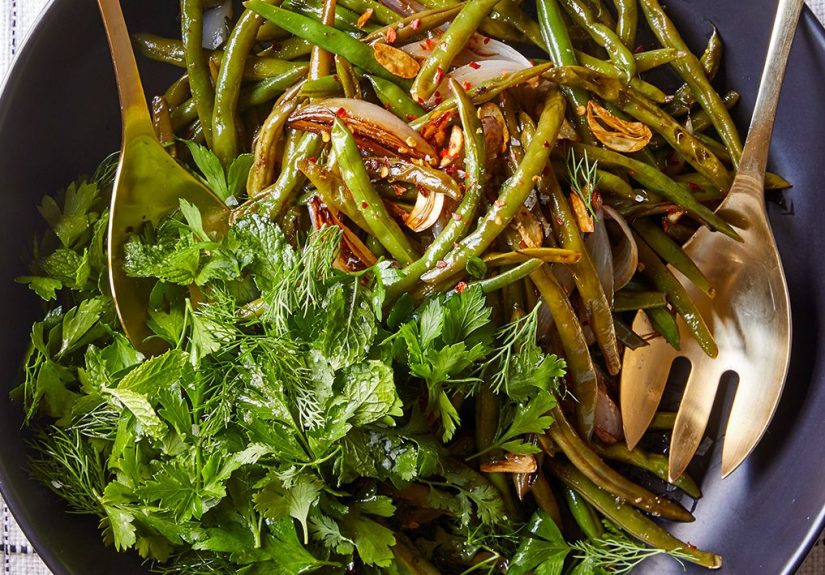
- 1) Sichuan-Inspired Blistered Green Beans with Garlic-Chile “Crunch”
- 2) Brown-Butter Green Beans Almondine with Lemon and Shallots
- 3) Bacon-Shallot Skillet Green Beans with a Splash of Vinegar
- 4) Sesame-Ginger Green Beans with Soy Glaze (Plus a Miso or Gochujang Upgrade)
- Common Green Bean Mistakes (and How to Fix Them Without Crying)
- Make-Ahead and Hosting Tips
- Conclusion: Green Beans, Upgraded
- Real-Life Green Bean Experiences (The Kind That Actually Happen in Kitchens)
Green beans have a reputation problem. Too often they show up limp, squeaky, and suspiciously damplike they were
steamed in a gym sock and then told to “just be grateful.” But green beans don’t have to be the vegetable you eat
out of politeness while secretly planning your escape.
The truth is, green beans are a blank canvas with a naturally sweet, fresh flavor and a satisfying snap when cooked
right. Give them high heat, a little fat, something bright, and a crunchy topping, and suddenly
they’re not a side dishthey’re a supporting actor that steals the scene.
Below are four green bean side dishes that are genuinely exciting: blistered and spicy, buttery and elegant, smoky
and savory, and glossy with a sesame-ginger glaze. Each one is designed to be weeknight-friendly, holiday-ready,
and absolutely not boring.
The Not-Boring Blueprint: How to Make Green Beans Taste Like You Tried (Without Actually Trying That Hard)
1) Choose the right beans
Look for bright green beans that feel firm (not bendy) and have smooth skins. Standard green beans are great for
bold flavors and hearty toppings. Haricots verts (the thinner French-style beans) cook faster and feel a little
fanciergreat for almondine-style dishes.
2) Don’t overcook them
If your green beans are army-green, you have gone too far. Aim for crisp-tender: they should still have a bite.
When in doubt, pull them earlycarryover heat is real, and green beans are dramatic about it.
3) Add contrast on purpose
The best green bean side dishes have contrast:
- Heat (chile flakes, gochujang, pepper, garlic)
- Fat (brown butter, olive oil, bacon fat, sesame oil)
- Acid (lemon juice, vinegar, lime)
- Crunch (toasted nuts, sesame seeds, crispy shallots, panko)
4) Use the right method for the vibe
- Blanch + sauté: Bright green, crisp texture, perfect for buttery or garlicky finishes.
- High-heat blistering: Charred spots, deep flavor, “restaurant vegetable” energy.
- Roast or broil: Easy, hands-off, and excellent for crispy edges.
1) Sichuan-Inspired Blistered Green Beans with Garlic-Chile “Crunch”
If you’ve never had blistered green beans, prepare to become that person who tries to blister every vegetable in
the fridge. This dish is all about high heat: the beans get smoky, slightly charred, and deeply savory, then tossed
with garlicky chile flavor and a touch of tang. It’s bold, addictive, and suspiciously good with basically any main.
Why this is absolutely not boring
Because bland green beans are a texture problem as much as a flavor problem. Blistering fixes both: you get crisp
edges, tender centers, and that roasted, almost meaty depth that makes people ask, “What did you put in these?”
Ingredients (serves 4)
- 1 lb fresh green beans, trimmed and dried well
- 1–2 tbsp neutral oil (avocado, canola, grapeseed)
- 2–3 cloves garlic, finely chopped
- 1 tsp grated fresh ginger (optional but excellent)
- 1–2 tsp chile flakes or chili crisp (to taste)
- 1 tbsp soy sauce
- 1 tbsp rice vinegar
- 1 tsp brown sugar or honey
- Optional: pinch of ground Sichuan peppercorn (citrusy “tingle”)
- Optional garnish: sliced scallions, toasted sesame seeds
Steps
- Blister the beans: Heat a large skillet (cast iron is great) over high heat. Add oil, then add
green beans in a single layer. Let them sit for 60–90 seconds before stirring. Repeat the “leave them alone”
approach until you see browned, blistered spots (about 6–8 minutes). - Add aromatics: Lower heat to medium. Add garlic, ginger, and chile flakes. Stir for 30–45 seconds
until fragrantdon’t let the garlic burn. - Gloss it up: Stir together soy sauce, rice vinegar, and sugar/honey. Pour into the pan and toss
until the beans look lightly lacquered (30–60 seconds). - Finish: Add Sichuan peppercorn if using. Top with scallions or sesame seeds. Serve immediately.
Pro tips and variations
- Dry beans = better blistering. Water in the pan creates steam, and steam is the enemy of char.
- Want it extra fast? Broil on a sheet pan for 6–10 minutes, then toss with the sauce.
- Make it more savory: Add a tiny spoon of miso to the sauce for deeper umami.
- Make it kid-/heat-sensitive friendly: Use smoked paprika instead of chile flakes for flavor without fire.
2) Brown-Butter Green Beans Almondine with Lemon and Shallots
This is the “I brought a side dish and also a personality” green bean recipe. Toasted almonds bring crunch, brown
butter brings nutty richness, shallots bring sweetness, and lemon brings brightness. It tastes elegant, but it’s
basically a 20-minute glow-up.
Why this is absolutely not boring
Because brown butter is the cheat code. It turns “plain green beans” into “why does this taste like a holiday?”
without requiring a single complicated step.
Ingredients (serves 4–6)
- 1 lb green beans or haricots verts, trimmed
- 3 tbsp butter
- 1/3 cup sliced almonds
- 1 large shallot, thinly sliced
- 1 small garlic clove, minced (optional)
- Zest of 1 lemon + 1–2 tbsp lemon juice
- Salt and black pepper
- Optional: chopped chives or parsley
Steps
- Blanch for the snap: Bring salted water to a boil. Cook beans 2–4 minutes (thinner beans cook
faster) until bright green and crisp-tender. Drain and rinse briefly with cold water to stop cooking. Pat dry. - Toast the almonds: In a large skillet over medium heat, toast almonds until golden and fragrant.
Remove to a plate. - Brown the butter: Melt butter in the same skillet. Cook, swirling, until it smells nutty and turns
golden with brown flecks. - Build flavor: Add shallots (and garlic if using) and cook 2–3 minutes until softened.
Add green beans and toss until warmed through. - Finish bright: Add lemon zest, lemon juice, toasted almonds, salt, and pepper. Toss and serve.
Pro tips and variations
- Make-ahead move: Blanch beans earlier in the day, then finish in the pan right before serving.
- Extra crunch: Add a spoonful of toasted panko for a “crispy topping” moment.
- No almonds? Use pine nuts, walnuts, or even chopped pecans for a slightly sweeter vibe.
3) Bacon-Shallot Skillet Green Beans with a Splash of Vinegar
This is the side dish for people who want vegetables to behave like comfort food. Bacon adds smoky richness, shallots
add sweetness, and a small hit of vinegar keeps it from tasting heavy. It’s simple, satisfying, and weirdly good
cold straight from the fridge (not that anyone’s judging).
Why this is absolutely not boring
Because bacon fat is a flavor delivery service, and crispy shallots are basically edible confetti. Add acid at the
end, and everything pops.
Ingredients (serves 4–6)
- 1–1.5 lb green beans, trimmed
- 6 slices bacon, cut into small pieces
- 2 large shallots, thinly sliced
- 1–2 cloves garlic, sliced (optional)
- 1 tbsp butter (optional, but delicious)
- 1–2 tbsp apple cider vinegar or sherry vinegar
- Salt and lots of black pepper
Steps
- Cook the bacon: In a large skillet over medium heat, cook bacon until crisp. Remove bacon to a
paper towel-lined plate, leaving about 1–2 tbsp fat in the pan. - Crisp the shallots: Add shallots to the pan and cook until golden and slightly crisp around the
edges. If they’re browning too fast, lower heat. - Cook the beans: Add green beans (and butter if using). Toss and cook until crisp-tender, about
6–10 minutes depending on thickness. Add garlic near the end so it doesn’t burn. - Finish: Return bacon to the pan. Add vinegar and a generous amount of black pepper. Toss, taste,
and add salt if needed.
Pro tips and variations
- For holiday crowds: Double the recipe and cook in batches so the pan isn’t overcrowded.
- Want extra “crispy topping” energy? Add fried onions or toasted breadcrumbs at the end.
- Vegetarian option: Use olive oil + smoked paprika and add toasted chopped nuts for depth.
4) Sesame-Ginger Green Beans with Soy Glaze (Plus a Miso or Gochujang Upgrade)
These beans are glossy, savory, and just sweet enough to feel exciting. Sesame oil and ginger make everything smell
amazing, soy sauce adds umami, and sesame seeds bring crunch. It’s a great match for chicken, salmon, tofu, or
anything that wants a side dish with backbone.
Why this is absolutely not boring
Because sesame + ginger turns “green beans” into “takeout-level side dish.” Also, the sauce clings to the beans like
it’s trying to win an award.
Ingredients (serves 4)
- 1 lb green beans, trimmed
- 1 tbsp neutral oil
- 1 tsp toasted sesame oil
- 1 tbsp grated ginger
- 2 cloves garlic, minced
- 2 tbsp soy sauce (or tamari)
- 1–2 tsp honey or brown sugar
- 1 tbsp rice vinegar or lime juice
- 1–2 tbsp toasted sesame seeds
- Optional heat: pinch of chile flakes
Steps
- Cook the beans: In a large skillet over medium-high heat, add neutral oil and green beans. Cook
5–7 minutes, stirring often, until crisp-tender with a few browned spots. - Add aromatics: Add ginger and garlic and cook 30 seconds.
- Glaze: Stir in soy sauce, honey/brown sugar, vinegar/lime, and sesame oil. Toss for 30–60 seconds
until glossy. - Finish: Add sesame seeds and optional chile flakes. Serve hot.
Two easy upgrades
- Miso-sesame: Whisk 1–2 tsp white miso into the glaze (use warm water if needed). The flavor turns
deeper and more complex without getting heavy. - Gochujang-glazed: Replace honey + part of the soy with 1 tbsp gochujang and a splash of water.
You’ll get a sweet, slow-building heat that makes the whole dish feel exciting.
Common Green Bean Mistakes (and How to Fix Them Without Crying)
“My beans are soggy.”
You either overcooked them or crowded the pan. Fix it next time by cooking in batches, using higher heat, and
pulling them when they’re still crisp-tender.
“They taste bland.”
Add salt earlier, then finish with acid (lemon or vinegar). If you want instant depth, add garlic, toasted nuts,
Parmesan, miso, or a little baconflavor needs backup sometimes.
“They’re squeaky.”
Some beans are naturally squeak-prone. Blistering (high heat) or roasting helps. Also, don’t under-seasonsqueak
is less annoying when the flavor is doing cartwheels.
Make-Ahead and Hosting Tips
- Blanch ahead: Blanch beans up to 24 hours early, dry well, and refrigerate. Finish in a hot pan right before serving.
- Toast toppings ahead: Nuts, sesame seeds, and breadcrumbs can be toasted earlier and stored airtight.
- Sauce prep: Mix glazes (soy-sesame, vinegar-chile) in a small jar ahead of time and shake when needed.
Conclusion: Green Beans, Upgraded
Green beans don’t need a casserole to be interesting. They need a plan: high heat for flavor, a little fat for
richness, acid for brightness, and crunch for drama. Pick one of these four side dishes based on your moodspicy,
buttery, smoky, or sesame-glossyand you’ll never have to serve “polite green beans” again.
Real-Life Green Bean Experiences (The Kind That Actually Happen in Kitchens)
Here’s a funny thing about green beans: they’re often the side dish people think they can wing. “It’s just
vegetables,” someone says, five minutes before dinner, while already stressed about the main dish. Then the beans
get tossed into a pot, cooked until they surrender, and served with the same energy as a printer warning: “Low ink.”
If that sounds familiar, you’re not aloneand the fix is easier than you’d expect.
In real kitchens, the biggest game-changer is learning when to stop. The first time you nail crisp-tender green beans,
it’s like discovering your car had a “sport mode” the whole time. You’ll notice it right away: the color stays bright,
the texture stays snappy, and suddenly people are eating vegetables without making a face that suggests betrayal.
If you’re cooking for picky eaters, texture is your secret weapon. Blistered beans with charred spots feel more like
“roasted goodness” than “vegetable obligation.”
Another real-life moment: the holiday table traffic jam. Everything needs oven space, stovetop space, and emotional
support. Green beans can actually make your life easier here because they’re flexible. Blanching earlier in the day
and finishing in a pan later is one of those hosting moves that feels like you’re cheating time. You can chat, you can
set the table, you can pretend you’re calmand then, ten minutes before serving, you toss the beans with brown butter
and lemon like it was always part of the plan.
Then there’s the “I want something impressive, but I am tired” weeknight. This is where sauces and toppings do the
heavy lifting. A quick soy-sesame glaze makes beans taste like they came with a takeout menu. Toasted almonds or sesame
seeds add crunch in seconds. A splash of vinegar at the end can make a skillet of bacon-y beans taste brighter and less
heavylike you made a smart choice on purpose. It’s also the kind of detail people remember, which is hilarious because
it’s basically one tablespoon of liquid.
You’ll also run into the “my pan is too small” situation. It happens. Overcrowding is the fastest way to turn a
blistering plan into a steaming plan. The lived experience here is learning to cook in batches. It feels annoying for
approximately two minutes, and then you get beans with actual char and flavor. If you want an even easier path, broiling
on a sheet pan delivers that high-heat punch with less babysittinggreat when you’re juggling homework, work emails, or
the general chaos of a weeknight.
Finally, there’s the “leftovers reality.” Some green bean dishes are sad the next day. These recipes are designed not
to be. The sesame-ginger beans can be tossed into rice bowls. The bacon-shallot version can be chopped and folded into
scrambled eggs or pasta. Almondine can become a quick lunch side with roasted chicken or salmon. Once you experience
green beans as something you can reuse creatively, they stop being a one-and-done side dish and start acting like a
helpful ingredientalmost as if they’re trying to make up for all those years of being boring.
The bottom line: not-boring green beans aren’t about fancy techniques. They’re about small, repeatable winshigh heat,
smart seasoning, and a finish that brings contrast. Do that, and green beans go from “fine” to “can you make these again?”