Table of Contents >> Show >> Hide
- Why Cleaning Behind Your Ears Actually Matters
- Way 1: The Daily Shower Swipe (Gentle Soap + Rinse + Dry)
- Way 2: The Weekly Reset (Soft Exfoliation + Moisture Barrier)
- Way 3: The Targeted Cleanup (For Glasses, Hearing Aids, Piercings, and Product Buildup)
- Common Mistakes That Keep the Grime Coming Back
- When to Stop DIY and Ask a Pro
- Conclusion
- Real-World Experiences: What People Notice After They Start Cleaning Behind Their Ears
Behind your ears is basically the “junk drawer” of your face. It collects a little of everything:
sweat, oil, hair product, sunscreen, dead skin, and whatever your glasses have been marinating in all day.
Ignore it long enough and it can start to smell funky, feel greasy, or get irritatedlike your skin is politely
begging for a rinse and a better life.
The good news: you don’t need fancy gadgets or a 12-step routine. You just need the right approach for your skin
(and your gear). Below are three simple, dermatologist-friendly ways to clean behind your earsplus tips for piercings,
hearing aids, glasses, and those “why is it itchy right there?” moments.
Why Cleaning Behind Your Ears Actually Matters
The skin behind your ears has folds and creases where stuff can hide. Add sweat, natural skin oils, and leftover
shampoo or conditioner, and you’ve got a tiny, warm “spa” for buildup. That buildup can lead to:
- Odor (aka “Where is that smell coming from?!”)
- Clogged pores and small breakouts along the hairline
- Irritation from product residue, friction, or moisture
- Flaking if you’re prone to dry skin, eczema, or seborrheic dermatitis
Think of it like brushing your teeth: you’re not doing it because your teeth are plotting against you. You’re doing it
because prevention is cheaper than regret.
Way 1: The Daily Shower Swipe (Gentle Soap + Rinse + Dry)
This is your “maintenance clean.” It’s quick, it’s effective, and it prevents the behind-the-ear funk from setting up
a permanent residence.
How to do it
- Wet the area thoroughly with lukewarm water. Hot water can dry skin out and make irritation more likely.
- Use a mild cleanser (fragrance-free is ideal if you’re sensitive). Apply with your fingertips
using light pressureno aggressive scrubbing required. - Get into the crease where the ear meets the head, and down to the top of the neck. If you wear glasses,
clean where the arms rest, too. - Rinse well so no soap or shampoo residue stays behind.
- Pat dry with a clean towel. Don’t rub like you’re trying to start a fire.
Make it foolproof
- Shower order hack: Wash hair first, rinse, then do your face/behind-ears cleanse last. This helps remove conditioner residue.
- Glasses wearers: If you have those little “glasses dents,” that’s friction plus moisturedrying matters.
- Kids: Behind ears is where “mystery stickiness” loves to hide. Use a soft washcloth and keep it gentle.
What not to do
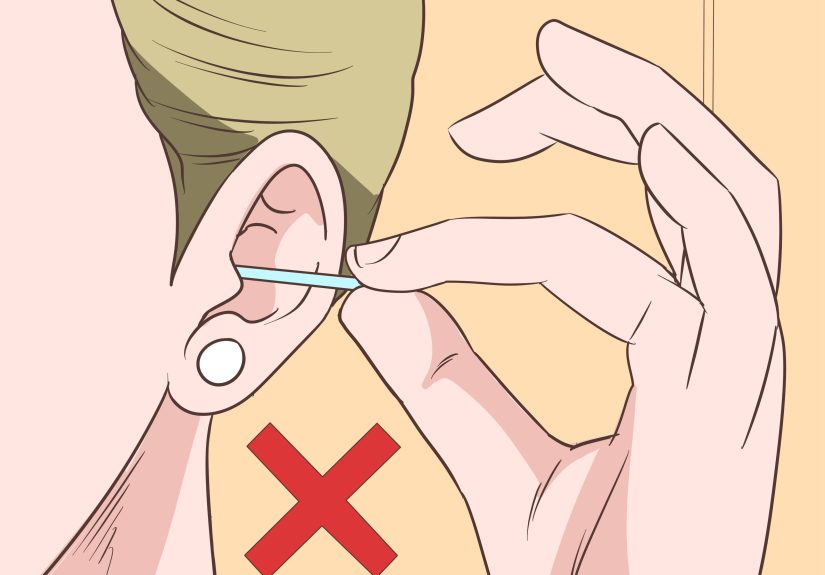
- Don’t dig into the ear canal with cotton swabs. This article is about behind the ears and the outer ear area.
- Don’t use harsh antiseptics as daily skincare. They can irritate and dry the skin.
Way 2: The Weekly Reset (Soft Exfoliation + Moisture Barrier)
If you notice flaking, rough patches, or stubborn buildup (especially if you use styling products or sunscreen daily),
a weekly “reset” helps. The goal is to lift dead skin and residuewithout making the area angry.
Step-by-step weekly reset
- Start after a warm shower when skin is softened.
- Use a soft washcloth (or a gentle silicone face scrubber) with mild cleanser.
Lightly buff behind the ears for 10–15 seconds per side. - Rinse thoroughly and pat dry.
- Moisturize with a fragrance-free lotion or a thin layer of an occlusive ointment if you’re very dry.
You’re aiming for “comfortable skin,” not “greased-up dolphin.”
If you’re prone to flakes or “greasy-dry” patches
Some people get recurring flaking around the scalp line, eyebrows, and earsoften consistent with seborrheic dermatitis.
In those cases, a medicated anti-dandruff shampoo (used as directed) is sometimes applied briefly to nearby skin, then rinsed off.
If you suspect a chronic skin condition, it’s worth checking with a clinician or dermatologist for the right plan.
Exfoliation rules (so you don’t overdo it)
- Skip gritty scrubs in that crease. The skin is thinner and can get irritated quickly.
- Less is more: once a week is usually plenty. If you’re peeling or stinging, you did too much.
- Moisture matters: dryness can worsen itching and flaking, so follow with gentle hydration.
Way 3: The Targeted Cleanup (For Glasses, Hearing Aids, Piercings, and Product Buildup)
Sometimes the problem isn’t just skinit’s the stuff touching your skin all day. If you wear glasses, hearing aids, earbuds,
or you have ear piercings, behind-the-ear care becomes a team sport: skin + device + habits.
A. If you wear glasses
- Clean the frames regularly with mild soap and warm water (or a cleaner recommended by your optician).
The arms that sit behind your ears pick up oils, sunscreen, and sweat. - Dry the frame arms before putting them back on. Moisture trapped against skin increases irritation risk.
- Adjust fit if needed: slipping frames can rub the same spot repeatedly and cause soreness.
B. If you use hearing aids (especially behind-the-ear styles)
Hearing aids live in a warm, sometimes humid zoneso routine cleaning helps reduce irritation and keeps devices working well.
Follow your device’s instructions, but these general habits are common recommendations:
- Wipe the exterior daily with a soft, dry cloth to remove oils and sweat.
- Use the provided brush/tool to clear debris from ports and partsgently.
- Keep devices dry (a drying case can be helpful if you sweat a lot).
- Give skin a break when possible: remove devices before washing, dry thoroughly, then reapply.
C. If you have ear piercings (especially new or healing)
Piercings need gentle, consistent care. The basic theme across medical guidance is:
keep it clean, don’t irritate it, and don’t “power wash” your skin with harsh chemicals.
- Wash hands before touching the piercing or the area behind the ear.
- Clean gently with mild, fragrance-free cleanser and water, or sterile saline as recommended.
- Avoid harsh products like hydrogen peroxide or iodine unless specifically advisedthese can delay healing by irritating skin.
- Rinse well and keep the area dry (moisture + friction is a rough combo for healing skin).
D. If you use styling products or sunscreen daily
Hair spray, gel, leave-in conditioner, and sunscreen can sneak behind your ears and stay there. If you notice residue:
- Do your behind-the-ear cleanse last in the shower (after rinsing hair products off).
- Use a gentle cleanser and spend an extra 10 seconds in that crease.
- Rinse thoroughly and pat dry.
Common Mistakes That Keep the Grime Coming Back
1) Relying on shampoo runoff
Shampoo is not a tiny car wash for your ears. Unless you intentionally clean behind your ears, product can rinse past the area
and still leave residue in the crease.
2) Forgetting to dry
Moisture trapped behind the ears (especially under glasses or hearing aid hardware) can irritate skin and contribute to odor.
Pat-drying takes five seconds and saves you from the “why is it itchy?” spiral.
3) Using harsh stuff “to really disinfect it”
Skin isn’t a kitchen countertop. Overusing strong antiseptics can disrupt the skin barrier, leading to more irritation and flaking.
Gentle consistency beats aggressive heroics.
When to Stop DIY and Ask a Pro
Everyday cleaning should feel comfortable. If you have persistent redness, cracking, oozing, swelling, spreading rash,
significant pain, fever, or symptoms that don’t improve with gentle care, it’s smart to check in with a healthcare professional.
Skin behind the ears can flare from eczema, contact irritation (hair dye and fragrances are common suspects), fungal issues,
or other conditions that sometimes need targeted treatment.
Real-World Experiences: What People Notice After They Start Cleaning Behind Their Ears
A funny thing happens when someone starts cleaning behind their ears on purpose: they suddenly realize how often they
weren’t cleaning behind their ears on purpose. It’s like discovering you’ve owned a dishwasher your whole life
but only used it as a drying rack. Here are a few common, very relatable “ohhh, that’s why” experiences people run into
once they make behind-the-ear hygiene part of the routine.
The “Why do my glasses smell like… outside?” moment
Glasses wearers often notice the difference first. Before: you take your frames off after a long day and the arms feel
slightly tacky, like they’ve been collecting sunscreen, sweat, and city air in a tiny invisible sponge. After: once the skin
behind the ears is clean and the frame arms get a regular wipe, that weird lingering smell disappears. The bonus surprise?
The skin behind the ears can feel less tenderbecause you’ve reduced friction + residue that acts like sandpaper.
The gym-and-sunscreen combo that creates “mystery itch”
Another classic: someone works out, sweats, adds sunscreen later, maybe throws on a hat or headphones, and by evening the skin
behind the ears is itchy or bumpy. When they start doing a quick, deliberate cleanse behind the ears (especially after heavy
sweating), the itchiness often becomes less frequent. Not because you’ve unlocked a secret hackbecause you removed the sweaty,
sticky layer that can hang out in that crease all day.
The hair-product “leftovers” discovery
People who use leave-in conditioner, hair oil, gel, or hairspray sometimes notice a subtle film behind the earsespecially near
the hairline. It’s easy to miss because it doesn’t look dramatic; it just feels… not quite clean. Once they switch to washing
hair first, rinsing thoroughly, and then cleansing behind the ears last, that greasy feeling tends to vanish. Many also find
they can use less product overall because they’re not trying to “fix” the texture with more product the next day.
Hearing aids and the relief of a dry, clean “contact zone”
For hearing-aid users, the big realization is usually about moisture. Skin behind the ear can stay slightly damp if it isn’t
dried well after showeringthen a device sits there and traps that humidity. People who start pat-drying carefully and cleaning
the device exterior consistently often report the area feels calmer. The experience is less about perfection and more about
reducing the daily irritation triggers: sweat, residue, and trapped moisture.
The parent version: “What is even back there?”
Parents and caregivers have their own behind-the-ear storyline. Kids are experts at getting sticky substances in places that
defy physics: behind ears, under chins, inside hoodie stringssomehow all at once. When adults start checking and gently wiping
behind the ears during bath time (especially after sunscreen days), they often notice fewer little rashes and less “mystery dirt.”
Plus, kids learn that hygiene includes the small spots, not just the obvious ones.
The takeaway from all these experiences is refreshingly boring (the best kind of boring): intentional cleansing, thorough rinsing,
and proper drying solve most behind-the-ear drama. Not every itch is a hygiene issueand persistent irritation deserves a medical
lookbut a simple routine removes a surprisingly common cause of discomfort. And once it becomes habit, it’s just another
10-second step between you and feeling genuinely clean.