Table of Contents >> Show >> Hide
Choosing a choker necklace sounds easy until you’re standing in front of a mirror thinking, “Why does this one make me look polished and cool, while that one makes me look like I lost a fight with a craft store ribbon?” The truth is, chokers are surprisingly powerful little accessories. They sit close to the face, frame the neck, and can change the whole mood of an outfit in about two seconds flat.
They also come with more variety than most people expect. Some chokers are delicate and barely-there. Some are chunky chain styles that mean business. Some are pearl, velvet, ribbon, diamond, beaded, or layered. Some whisper elegance. Others enter the room like they pay rent there. That’s why picking the right one matters.
If you want to choose a choker necklace well, do not start with trends alone. Start with fit, comfort, and proportion. Then think about your neckline, outfit, and personal style. Finally, look at the material and quality, because a necklace that looks amazing but scratches your neck like an angry cat is not a win.
Below are three practical ways to choose a choker necklace that actually works for your wardrobe, your comfort level, and your real life.
1. Start With Fit, Length, and Comfort
The first rule of choosing a choker necklace is simple: if the fit is off, everything else is off. A choker is supposed to sit close to the neck, but “close” does not mean “cutting off your will to live.” It should feel secure, flattering, and comfortable enough that you can wear it through dinner, photos, and an entire conversation without secretly trying to stretch your neck like a turtle.
Know the Typical Choker Range
Most chokers fall into the 14- to 16-inch range, though how they fit depends on your neck size, the thickness of the necklace, and whether it has an extender. A very slim chain at 16 inches may feel elegant and relaxed, while a wide velvet or crystal choker at the same length can feel much tighter because it covers more surface area. That is why measurements matter more than vibes alone.
A good starting point is to measure your neck with a soft tape measure, then add a little room based on how snug you want the necklace to sit. If you like a true close-fit look, go smaller within the safe, comfortable range. If you want something that reads more like a soft collar, choose a style with a bit more breathing space or an adjustable closure.
Match Width to Your Features
Length matters, but width matters too. A thin choker tends to look cleaner, lighter, and easier to wear every day. It works especially well if you like minimalist jewelry, office-friendly outfits, or subtle layering. A wider choker makes more of a statement and pulls more attention to the neck and collarbone. That can be beautiful, dramatic, and glamorous, but it also means the necklace becomes one of the main characters of the outfit.
If you have a smaller frame or prefer soft styling, a slim chain, pearl strand, or delicate beaded choker may feel more balanced. If your style leans bold, a thick gold chain, sculptural collar, or multi-row choker can look fantastic. There is no universal “best” width. There is only the width that looks intentional on you.
Do Not Ignore Comfort and Skin Sensitivity
This part is not glamorous, but it is important. Because a choker sits directly against the skin, material matters more than it does with longer necklaces. If you have sensitive skin, pay attention to what the necklace is made of. Some people react to nickel in jewelry and develop itching, dryness, or a rash. That means the prettiest necklace in the world can become a very stylish mistake.
If you know you are sensitive, look for nickel-free or hypoallergenic options. Materials like surgical-grade stainless steel, sterling silver, platinum, and certain higher-karat gold options are often better choices for people who want beauty without irritation. This is especially important if you plan to wear a choker for long stretches, during warm weather, or on special occasions when sweat, perfume, and skincare products may all be in the mix.
Choose Closures You Can Actually Live With
A practical tip that saves a lot of annoyance: check the clasp. Lobster clasps, adjustable chains, slide closures, and ribbon ties all create different experiences. If you like flexibility, an extender is your best friend. It lets you adjust the necklace depending on the outfit, your comfort, or whether you’ve just eaten a heroic amount of pasta. Tiny details like closures do not sound exciting, but they often decide whether a necklace becomes a favorite or a drawer ornament.
2. Match the Choker to Your Neckline, Outfit, and Personal Style
Once fit is handled, the second way to choose a choker necklace is by looking at what you will actually wear it with. This is where a lot of people get stuck. They buy a beautiful necklace, take it home, and then discover it only works with one top and one mood. A better strategy is to choose a choker that fits your wardrobe, not just your shopping-cart enthusiasm.
Use the Neckline as Your Road Map
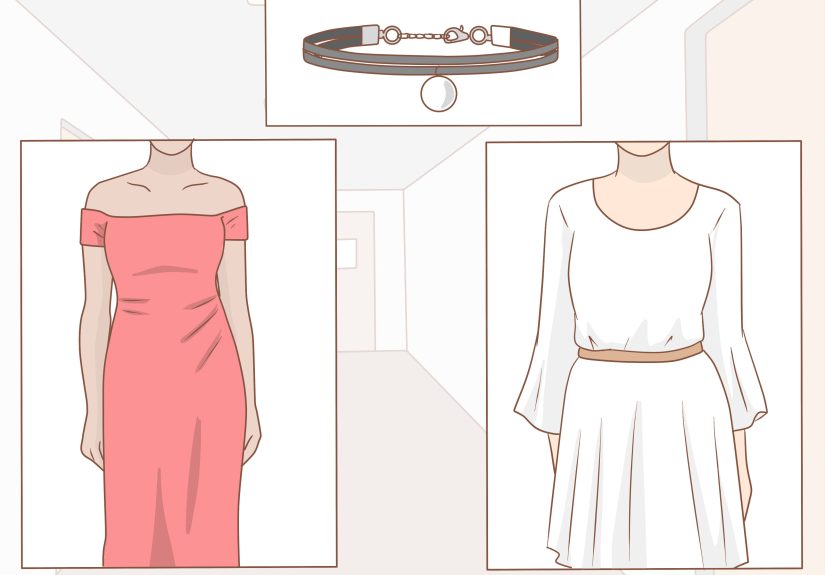
Chokers tend to work especially well with open necklines because they highlight the collarbone and create a clean frame near the face. Off-the-shoulder tops, strapless dresses, scoop necks, sweetheart necklines, square necks, and many V-necks can all pair beautifully with the right choker. These necklines leave room for the necklace to stand out instead of fighting for visual space.
High necklines and halter styles can be trickier. That does not mean a choker is impossible, but the necklace has to be chosen more carefully. A heavy, ornate choker with a busy high neckline may feel crowded. On the other hand, a sleek statement choker can look excellent with a higher V-neck or a structured dress when you want an intentional fashion moment. The key is balance. If the outfit already has lots of detail, your necklace should probably calm down a little.
Decide What Role the Necklace Is Playing
Ask yourself one very useful question: is this choker supposed to finish the outfit, or be the outfit’s headline? If you want a supporting accessory, go with something simple such as a slim gold chain, small pearls, fine beads, or a narrow herringbone style. These options are versatile, easy to layer, and much less likely to overwhelm your clothing.
If you want the necklace to be the focal point, then choose a bold chain, crystal design, layered choker, dramatic ribbon, or sculptural metal style. This works especially well with simpler clothing, like a black dress, white blouse, or clean neckline that gives the necklace space to shine.
Choose a Style That Matches Your Personality
One of the best ways to choose jewelry is to match it to the style you already wear. If your wardrobe is minimal, your best choker may be a sleek gold or silver chain, a tiny diamond accent, or a crisp pearl strand. If your style is romantic, you may love ribbon chokers, soft pearl designs, floral details, or vintage-inspired silhouettes. If you dress more eclectic or beachy, beaded, shell, colorful, or mixed-texture chokers might feel more natural. If you lean glam, crystal, pavé, bold metal, or layered statement chokers make sense.
In other words, your choker should not feel like it came from a completely different personality. It should still sound like you, just with better accessories.
Think About Layering Before You Buy
Many chokers look great on their own, but they can also be excellent anchor pieces in a layered necklace look. A good layering choker is usually simple, streamlined, and easy to pair with longer chains or pendants. If layering is part of your plan, avoid buying a choker that is so visually busy it argues with every other necklace you own.
A slim chain choker can sit at the top, with an 18-inch pendant below it and maybe a longer chain after that. The trick is to vary lengths and keep some contrast in shape or texture. Think delicate plus chunky, smooth plus beaded, shiny plus matte. Layering should look curated, not like your jewelry box exploded in a rush.
3. Look at Material, Quality, and Real-Life Wearability
The third way to choose a choker necklace is to judge it like someone who plans to wear it more than once. This is where you stop shopping with your eyes only and start shopping with common sense. Yes, sparkle matters. But longevity, finish, and wearability matter too.
Pick the Right Material for the Occasion
Not every choker needs to be fine jewelry. Costume styles can be fun, trendy, and expressive. But the material should match the occasion and your expectations. If you want an everyday necklace, choose something durable and easy to style, like sterling silver, stainless steel, vermeil, quality gold plating, or solid gold if your budget allows. For occasional wear, you can have more fun with velvet, ribbon, crystals, bold resin, or statement beads.
Pearls remain a classic option because they manage to feel timeless and modern at the same time. Chain chokers are also reliable because they can swing from casual to dressy without much effort. Beaded chokers are playful and fashion-forward, while crystal chokers are best when you want extra polish or evening drama.
Examine the Finish and Construction
When shopping online or in person, inspect the details. Does the plating look smooth and even? Are the stones securely set? Does the chain kink easily? Does the ribbon fray? Does the clasp feel flimsy? A choker is worn up close, right where people notice details, so poor construction is easier to spot.
A necklace that lies flat and sits properly against the neck usually looks more expensive than one that twists, flips, or bunches awkwardly. This is especially true for structured collars, herringbone styles, multi-row chokers, and crystal designs. If a necklace already looks fussy before you wear it, it will not become less fussy after an eight-hour event.
Think About Maintenance
Some chokers are very low-maintenance. Some are tiny divas. Before buying, ask yourself how much effort you are willing to give. Velvet and ribbon can stain. Plated metals can fade over time. Pearls require more gentle handling than hard gemstones or metal chains. If you want a “throw it on and go” piece, pick something sturdy and uncomplicated. If you are shopping for a special event, then a more delicate style may be worth it.
Also consider how often the necklace will touch makeup, sunscreen, perfume, or body lotion. Because chokers sit high on the neck, they tend to meet all of those products first. Choosing a material that can handle normal wear is not boring. It is smart.
Buy for Rewear Value, Not Just the Moment
A good choker necklace should earn its place in your jewelry collection. Before checking out, imagine three outfits you would wear it with. If you cannot think of at least a few, the necklace may be more fantasy than function. And while fantasy has its place, it should at least get invited out sometimes.
Try this simple test. Could you wear the choker with a dress, a T-shirt, and a blouse? Could it work for day and night? Could it stand alone and also layer well? If the answer is yes, you are probably looking at a strong choice.
Conclusion
Choosing a choker necklace comes down to three things: fit, styling, and quality. First, make sure the length feels comfortable and the material works for your skin. Second, match the necklace to your neckline, outfit, and personal aesthetic so it feels natural instead of forced. Third, look at construction, durability, and how often you will realistically wear it.
The best choker necklace is not always the trendiest one or the most expensive one. It is the one that sits well, feels good, flatters your wardrobe, and makes you look in the mirror and think, “Okay, yes. That’s the one.” And honestly, that is the kind of confidence jewelry is supposed to give you.
Real-Life Experiences: What Wearing Chokers Actually Teaches You
Once people start wearing chokers in real life, they usually learn a few things that no product description ever explains. The first is that comfort changes everything. A necklace that feels fine for two minutes in front of a mirror may feel very different after a full dinner, a long drive, or a hot afternoon outside. That is why so many people end up loving adjustable chokers. They let you keep the look without feeling like your jewelry is trying to supervise your breathing.
Another common experience is realizing that chokers change the whole personality of an outfit much faster than longer necklaces do. A white T-shirt and jeans can look clean and casual with a slim gold chain choker, romantic with pearls, edgy with a black ribbon, or full-on fashion-editor on coffee number three with a thick sculptural metal collar. People often buy a choker for one event and then discover it becomes their shortcut for making simple outfits feel styled.
There is also the layering lesson. At first, many shoppers think layering means “put on every necklace you own and hope for the best.” Then experience steps in and humbles everyone. The most successful layered looks usually come from one strong base choker and one or two longer pieces that do not compete with it. Once people figure that out, getting dressed becomes easier. The choker stops being a tricky statement piece and starts becoming a reliable foundation.
Many people also discover that skin sensitivity is not something to ignore. A cute necklace that leaves your neck itchy is not a personality test. It is a sign to look more carefully at materials. Shoppers who switch to nickel-free or better-quality metals often say the difference is immediate. Suddenly they are wearing chokers longer, more comfortably, and with less hesitation. It is one of those practical details that sounds minor until it saves you from spending a whole evening trying not to scratch your neck in public.
Then there is the neckline surprise. Plenty of people assume a choker will work with everything, only to realize that some tops make the necklace sing while others make it seem crowded or awkward. Off-the-shoulder and scoop neck styles tend to become favorites because they give the jewelry space. High necklines can still work, but they often call for a sleeker choker and a bit more intention. After a few tries, most people stop choosing chokers in isolation and start choosing them with outfits in mind.
Perhaps the biggest real-life experience, though, is confidence. A good choker sits in a very visible place, so when it works, you feel it. It frames the face, highlights the collarbone, and can make even a basic outfit feel deliberate. People often talk about certain accessories as “finishing touches,” but a choker can feel more like a mood setter. It can make you feel elegant, bold, playful, polished, or dramatic depending on the style you choose.
And that is probably the most useful lesson of all: the right choker necklace is not just about fashion trends. It is about finding a piece that fits your body, your style, and your day-to-day life. Once you find one that does all three, it stops being a tricky accessory and starts being one of the easiest, most effective pieces in your jewelry collection.