Table of Contents >> Show >> Hide
- Peony Primer: Types, Timing, and the One Mistake That Breaks Hearts
- The 24 Best Peonies to Grow
- 1) ‘Festiva Maxima’ (Herbaceous)
- 2) ‘Sarah Bernhardt’ (Herbaceous)
- 3) ‘Shirley Temple’ (Herbaceous)
- 4) ‘Duchesse de Nemours’ (Herbaceous)
- 5) ‘Krinkled White’ (Herbaceous, single)
- 6) ‘Bowl of Beauty’ (Herbaceous, Japanese form)
- 7) ‘Do Tell’ (Herbaceous, Japanese/anemone look)
- 8) ‘Nippon Beauty’ (Herbaceous, Japanese form)
- 9) ‘Karl Rosenfield’ (Herbaceous)
- 10) ‘Red Charm’ (Herbaceous hybrid)
- 11) ‘Buckeye Belle’ (Herbaceous hybrid, semi-double)
- 12) ‘Kansas’ (Herbaceous)
- 13) ‘Command Performance’ (Herbaceous hybrid)
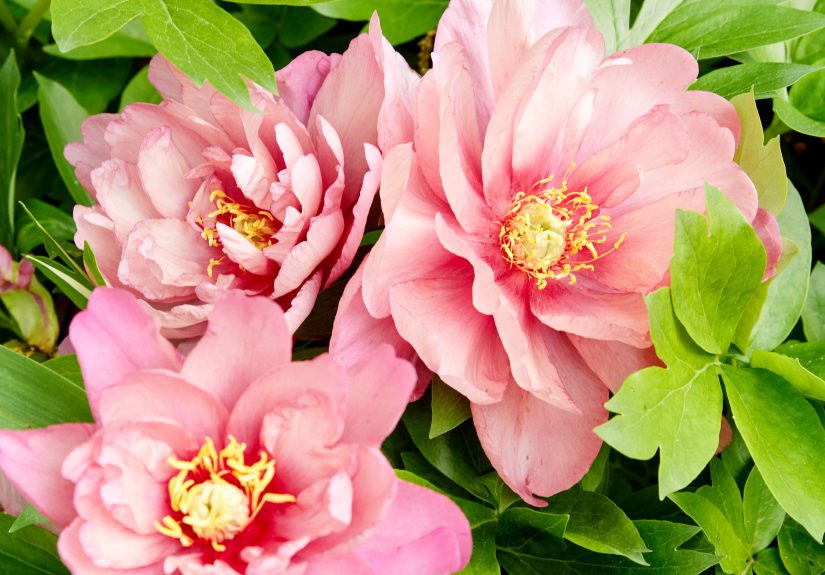
- 14) ‘Coral Charm’ (Herbaceous hybrid, semi-double)
- 15) ‘Coral Sunset’ (Herbaceous hybrid, semi-double)
- 16) ‘Pink Hawaiian Coral’ (Herbaceous hybrid, semi-double)
- 17) ‘Raspberry Sundae’ (Herbaceous)
- 18) ‘Sorbet’ (Herbaceous)
- 19) ‘Bartzella’ (Itoh)
- 20) ‘Garden Treasure’ (Itoh)
- 21) ‘Cora Louise’ (Itoh)
- 22) ‘First Arrival’ (Itoh)
- 23) ‘Julia Rose’ (Itoh)
- 24) Tree Peony (Paeonia suffruticosa types)
- How to Grow Peonies So They Actually Bloom
- of Real-World Peony “Experience” (Collected Grower Notes)
- Conclusion
Peonies are the garden equivalent of a mic drop. For a few glorious weeks, they show up with
dinner-plate blooms, perfume that makes you pause mid-walk, and the kind of “did you SEE that flower?”
energy that turns neighbors into friendly fence-leaners.
This guide rounds up 24 standout peony varietiesclassic heirlooms, modern showstoppers, and a few
“why haven’t I planted this sooner?” picksplus practical tips to help them bloom like they mean it.
Expect gorgeous colors, different flower forms (single, Japanese, double, bomb), and bloom times you can
layer to stretch the season. And yes: we’ll talk about the ants. (Spoiler: they’re not the villain.)[2]
Peony Primer: Types, Timing, and the One Mistake That Breaks Hearts
Three main peony types
- Herbaceous peonies die back to the ground each winter and return in springclassic cottage-garden staples.[2]
- Tree peonies are woody shrubs that keep their structure year-round and can get 3–6 feet tall; their flowers can be huge and dramatic.[5]
- Itoh (intersectional) peonies combine the best of bothstrong stems, big blooms, and foliage that stays attractive longer.[12]
The #1 reason peonies don’t bloom
Planting too deep. Those pink “eyes” (buds) on herbaceous and Itoh roots should sit about
1–2 inches below the soil surfacedeeper planting often means lush leaves… and zero flowers.[1]
Bloom timing, in plain English
Most peonies bloom in late spring into early summer, and each plant typically flowers for about a week
or soso building a mix of early-, mid-, and late-bloomers is how you turn “a week of wow” into
“a whole season of bragging rights.”[3]
The 24 Best Peonies to Grow
Below you’ll find 24 top choices grouped by vibe. Heights and bloom windows are approximate because
weather, sunlight, and your garden’s microclimate love to add their own “director’s cut.”
1) ‘Festiva Maxima’ (Herbaceous)
A legendary white double with tiny crimson fleckslike it accidentally brushed against a raspberry.
Early blooming, fragrant, and a favorite for both garden drama and cut flowers.[8]
2) ‘Sarah Bernhardt’ (Herbaceous)
The iconic soft-pink double peony that basically invented “romantic bouquet energy.” It’s gorgeous for
cutting, though many growers support it because the big blooms can weigh stems down.[9]
3) ‘Shirley Temple’ (Herbaceous)
Starts blush-pink and matures toward creamy white, with big, elegant doubles that feel vintage in the
best way. Great early-season cut flower with sturdy stems.[11]
4) ‘Duchesse de Nemours’ (Herbaceous)
A refined, creamy-white double with a clean, classic shape and lovely fragranceperfect if you want
“wedding bouquet” vibes right in the border.
5) ‘Krinkled White’ (Herbaceous, single)
Bright, single white petals with a sunny yellow centersimple, fresh, and pollinator-friendly. A great
choice if you love a peony that looks effortless (even when your life isn’t).
6) ‘Bowl of Beauty’ (Herbaceous, Japanese form)
Hot pink guard petals with a pale lemony centerbold, structured, and wildly photogenic. Strong stems,
early flowering, and a true conversation starter.[4]
7) ‘Do Tell’ (Herbaceous, Japanese/anemone look)
Soft pink outer petals with a frilly, cream-and-pink center. It has that airy, modern look that pairs
beautifully with ornamental grasses and catmint.
8) ‘Nippon Beauty’ (Herbaceous, Japanese form)
Deep red petals with a dramatic gold centerhigh contrast, elegant, and less “ballgown” than doubles,
which can make it easier to appreciate from a distance.
9) ‘Karl Rosenfield’ (Herbaceous)
A classic red double that reads “old Hollywood” in the gardenlush, bold, and great for traditional
borders where you want strong color.
10) ‘Red Charm’ (Herbaceous hybrid)
If you want a rich, bomb-shaped red with stiff stems and serious stage presence, this is it.
It’s also an American Peony Society Gold Medal winnerbasically the Oscars of peonies.[10]
11) ‘Buckeye Belle’ (Herbaceous hybrid, semi-double)
Dark, velvety red blooms with a glossy look, plus a semi-double form that feels lush without turning
into a heavy pom-pom. Very early blooming and award recognized.[6]
12) ‘Kansas’ (Herbaceous)
A bright watermelon-pink double known for strong performance, including in warmer areas where some
doubles can sulk. Great if you want cheerful color and a bold “wow” bloom.
13) ‘Command Performance’ (Herbaceous hybrid)
Big coral-red blooms that mature toward softer tonesflashy, modern, and excellent for making a garden
feel like it’s hosting a spring premiere.
14) ‘Coral Charm’ (Herbaceous hybrid, semi-double)
One of the best corals: opening bright and glowing, then fading toward creamy tones as it ages. Strong
substance, semi-double form, and a real “stop scrolling” color in real life.[7]
15) ‘Coral Sunset’ (Herbaceous hybrid, semi-double)
Similar category to ‘Coral Charm’ but with its own sunset gradientcoral tones mellowing to peachy,
creamy shades. Ideal for modern cottage palettes and bouquet making.
16) ‘Pink Hawaiian Coral’ (Herbaceous hybrid, semi-double)
Bright, tropical-leaning coral-pink with a glowing center. A great pick if you want early color that
feels happyeven on the day your to-do list tries to fight you.
17) ‘Raspberry Sundae’ (Herbaceous)
Creamy-pink layers that look like a dessert someone took way too seriously (and we love them for it).
Soft color, big bloom, and excellent for a romantic border.
18) ‘Sorbet’ (Herbaceous)
A fluffy, frilly double with pink-and-cream layers that feels extra in the most joyful way. Midseason
bloom and a great “feature peony” for photos and bouquets.
19) ‘Bartzella’ (Itoh)
The famous yellow Itoh: big, full blooms with red flares and a lovely fragrance on sturdy stems.
Known for generous bloom potential once established.[12]
20) ‘Garden Treasure’ (Itoh)
Golden-yellow petals with red highlights, semi-double blooms, and dependable flowering year after year.
A top choice when you want that rare “yellow peony” look without fuss.[13]
21) ‘Cora Louise’ (Itoh)
White blooms with lavender-pink flares near the centerstriking, artistic, and held neatly above the
foliage. A great pick for crisp, modern borders.[14]
22) ‘First Arrival’ (Itoh)
Lavender-pink blooms that fade lighter with age, plus strong stems that hold flowers up top where you
can actually see them. A lovely bridge between pastel and bold gardens.[15]
23) ‘Julia Rose’ (Itoh)
A color-shifting showpieceoften reading like hand-painted petals with rosy and peachy tones. Perfect
if you want your peony bed to look curated (even if you’re winging it).
24) Tree Peony (Paeonia suffruticosa types)
Tree peonies bring woody structure and huge bloomsoften earlier than herbaceous typesplus a shrub
silhouette that looks good even when not flowering. When planting grafted tree peonies, bury the graft
several inches so the plant can form its own roots over time.[5]
How to Grow Peonies So They Actually Bloom
Site selection
Give peonies sun (ideally 6+ hours), rich soil, and especially good drainage. They don’t like wet feet,
and airflow matterscrowding invites fungal issues.[2]
Planting depth and spacing (a.k.a. the peony rulebook)
- Herbaceous/Itoh: plant eyes about 1–2 inches deep.[1]
- Spacing: about 3–4 feet apart so plants can mature without turning into a mildew convention.[1]
- Planting season: fall is often ideal for bare-root divisions; spring works too with good watering.[2]
Water + fertilizer
Water consistently the first year while roots establish, then back off once plants are settled (they’re
surprisingly tough). Avoid heavy nitrogen fertilizingtoo much leaf growth can come at the expense of blooms.[2]
Staking (sometimes) and deadheading (always helpful)
Some doubles flop under rain or heavy flowers. If your variety is known for bending (hello, classic
bouquet types), use a ring support early in the season. After flowering, deadhead spent blooms to keep
plants tidy and focused on root strength.[9]
Keep disease from stealing your spring show
Botrytis blight and other fungal issues are usually managed with sanitation and airflow: remove infected
tissue promptly, avoid overhead watering, and cut back and discard old stems/leaves at season’s end (don’t compost
diseased debris). Healthy habits beat panic-spraying every time.[4]
Cut flowers without hurting next year’s blooms
Cut in the cool of morning/evening, and leave at least two sets of leaves on the stem so the plant can
keep powering up for next year.[16]
of Real-World Peony “Experience” (Collected Grower Notes)
Ask ten gardeners about peonies and you’ll get the same storyline with different plot twists: excitement,
patience, a brief moment of panic, and thensuddenlyflowers so extravagant they look photoshopped.
The first “experience” most people have is realizing peonies teach delayed gratification like a master class.
You plant them, water them, and then they often take a beat to settle in. That isn’t failure; it’s peonies
building an underground engine. When they finally bloom well, they can keep going for decades with surprisingly
little drama if the site is right.[17]
The second most common experience is learning the peony depth lesson the hard way. Many growers report
gorgeous foliage and zero blooms for yearsuntil they gently lift and reset the crown so the eyes are only
about an inch or two below soil level. It’s almost comical how often that one adjustment turns a leafy green
“nice plant” into a flower factory.[1]
Then there’s the “ant panic,” a springtime tradition. People see ants crawling on buds and assume something
is wrong. In most cases, ants are just attracted to the sweet nectar on buds; they’re not eating the plant or
preventing flowers. The practical experience here is simple: if you’re cutting blooms to bring inside, a quick
rinse or a brief soak of stems outdoors helps, and you can keep the bouquet-peace at home without declaring war
on insects.[2]
Another classic: the rainstorm flop. Growers who favor big, fully double varieties often end up using ring
supports, grid netting, or discreet stakingespecially in climates with spring showers. Semi-doubles, singles,
Japanese forms, and Itohs tend to look fresher after weather because they’re lighter or have sturdier stems.
Many gardeners end up mixing forms on purpose: doubles for lushness, singles/Japanese for structure, Itohs for
strength and extended interest. That mix also makes bouquets feel more designedless “one giant puffball
per stem,” more “professional florist with great taste.”
Finally, there’s the cut-flower learning curve. A common grower trick is to harvest buds when they feel like a
marshmallow (soft but not fully open), then condition them in clean water. If you want to coordinate blooms for
an event, many people successfully store cut stems cool for a short time and then rehydrate them when needed.
And the best “experience” tip of all: when you cut, keep enough leaves on the plant. The foliage is next
year’s bloom budgettreat it like your peony’s savings account.[16]
Conclusion
The best peonies to grow are the ones that match your climate, your style, and your patience levelbecause once
peonies are happy, they’re famously long-lived and generous. Plant them shallow, give them sun and drainage, keep
airflow and cleanup on your side, and build a mix of early-to-late bloomers. Do that, and your garden gets a yearly
headline actwith sequels.[1][2][17]