Table of Contents >> Show >> Hide
- Quick List: The 19 Projects
- Before You Build: 6 “Save-Your-Weekend” Rules
- 1) Pergola: The Backyard’s “Ceiling”
- 2) Zoned Deck or Platform: Level Up Your Living Space
- 3) Paver Patio: A Forever-Friendly Foundation
- 4) Fire Pit with Seating: Your Backyard’s Social Magnet
- 5) Simple Outdoor Kitchen: Big Impact, Not a Big Construction Saga
- 6) Backyard Bar / Serving Station: Entertaining Without the 1,000 Indoor Trips
- 7) Privacy Screen Wall: The Most Underrated “Make It Nice” Build
- 8) Paver or Flagstone Walkway: Instant Charm, Zero Furniture Required
- 9) Low Retaining Wall with Planting: Structure + Softness
- 10) Raised Garden Beds: The Gateway Project That Actually Pays You Back
- 11) Potting Bench / Garden Workstation: Cute, Useful, and Weirdly Satisfying
- 12) Compost Bin System: The “Free Soil” Factory
- 13) Cold Frame or Mini Greenhouse: Extend the Season (and Your Bragging Rights)
- 14) Hoop House / High Tunnel: Big-Garden Energy on a DIY Budget
- 15) Garden Shed Glow-Up: Storage That Doesn’t Look Like a Regret Box
- 16) Backyard Chicken Coop (Design-First): Cute, Practical, Predator-Smart
- 17) Small Pond or Water Feature: Instant Calm (and a Wildlife Bonus)
- 18) Low-Voltage Landscape Lighting: The Fastest “Luxury” Upgrade
- 19) Brick Pizza Oven or Pizza Station: Backyard Legend Status
- Experience Notes: of “What You Learn After You Build”
- Conclusion
If your backyard is currently giving “sad lawn with good intentions,” you’re in the right place.
The best backyard building projects don’t just look prettythey make you use the space:
more dinners outside, more morning coffee in the sun, more “wow, we should’ve done this years ago.”
Below are 19 build-worthy upgradesranging from weekend wins to “I now own three levels and opinions about gravel base”
with practical notes on design, difficulty, and what makes each project genuinely beautiful (not just Instagram-famous).
Before You Build: 6 “Save-Your-Weekend” Rules
- Start with function, then style. Decide what you’ll do out there: eat, lounge, garden, play, host. Beauty follows use.
- Measure twice, vibe once. Painters tape outlines on the ground helps you “feel” the size before you commit.
- Check permits and HOA rules early. Decks, larger structures, and electrical work often have code requirements.
- Call utility locating services before digging. Hitting a line is the opposite of a “fun DIY.”
- Plan drainage like it’s a character in the story. Water always wins; give it a path that isn’t “into your foundation.”
- Batch projects by mess level. Do the digging/cutting/hauling projects first, then the pretty finishing projects.
1) Pergola: The Backyard’s “Ceiling”
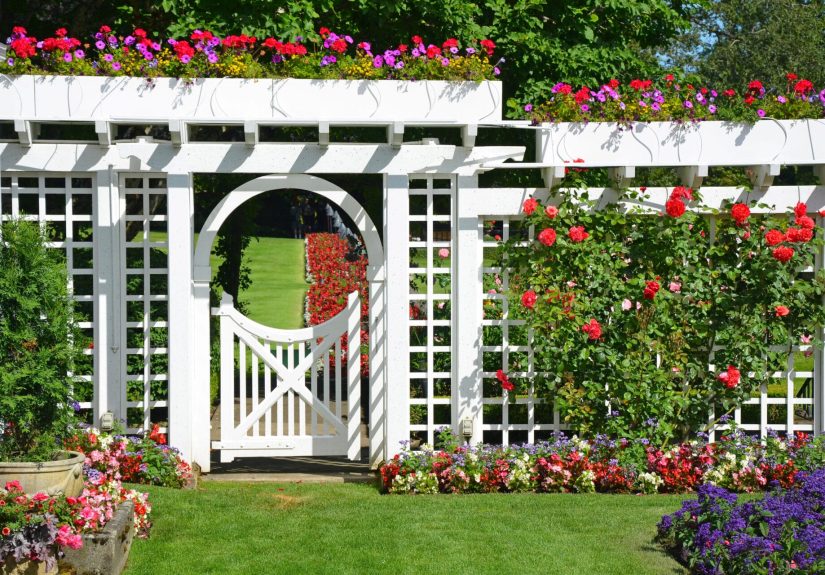
A pergola instantly makes a yard feel designedlike your patio finally got promoted from “outdoor floor” to “outdoor room.”
Visually, it frames seating or dining areas and creates a place for lighting, shade fabric, or climbing plants.
- Why it’s beautiful: Strong lines + soft shade = architecture meets relaxation.
- Make it look custom: Oversize the posts, add decorative beam tails, and match stain color to the house trim.
- Difficulty: Intermediate. Budget: Varies widely depending on size/materials; DIY wood builds are often the most cost-friendly.
2) Zoned Deck or Platform: Level Up Your Living Space
A deck doesn’t have to be a giant floating rectangle. The prettier approach is zoning: a dining zone, a lounge zone, maybe a grill zone.
Even a simple ground-level platform can define a space and fix uneven lawn areas.
- Why it’s beautiful: Clear “rooms” outdoors make everything look intentionaleven mismatched furniture.
- Pro move: Add a bench edge or wide stairsinstant seating and a clean transition to the yard.
- Important: If attaching to a house, proper ledger attachment and flashing details matter for longevity.
3) Paver Patio: A Forever-Friendly Foundation
Pavers are a sweet spot between “DIY doable” and “looks professionally planned.” They’re also repairable:
if something shifts, you can lift and re-level instead of jackhammering your regrets.
- Why it’s beautiful: Patterns (running bond, herringbone) add texture without needing extra decor.
- Design tip: Pick pavers that echo your home’s exterior color, then repeat that tone in planters or cushions.
- Reality check: Base prep (excavation, gravel, leveling sand) is what makes it last.
4) Fire Pit with Seating: Your Backyard’s Social Magnet
A fire pit area is basically a friendship trapin the best way. The trick is pairing the pit with a defined seating ring or curved bench,
so the space reads as a destination instead of “random hot circle in the grass.”
- Why it’s beautiful: Warm light + circular layout = instant coziness.
- Make it safer and nicer: Use a metal ring/liner where appropriate and keep clearances around seating.
- Style tip: Add gravel or pavers underfoot to reduce mud and make it feel finished.
5) Simple Outdoor Kitchen: Big Impact, Not a Big Construction Saga
You don’t need a full resort kitchen to cook outside. Start with a weather-resistant base cabinet run (or masonry island),
a prep surface, and a dedicated grill zone. Add a small cooler drawer or mini-fridge later if you want to get fancy.
- Why it’s beautiful: Built-in elements look permanentand permanence reads as luxury.
- Design tip: Keep the “dirty work” (grill) downwind from seating if possible.
- Upgrade path: Begin with a grill station + counter, then add storage, sink, and shade over time.
6) Backyard Bar / Serving Station: Entertaining Without the 1,000 Indoor Trips
A backyard bar can be as simple as a built-in counter with shelving, or as styled as a covered serving nook.
The “beauty” comes from creating a clear hosting zonewhere drinks, plates, and snacks liveso the patio feels like a venue.
- Why it’s beautiful: It signals “this yard is meant to be used,” which always looks good.
- Material tip: Choose exterior-rated finishes, and protect counters from standing water and sun.
- Fun add-on: A peg rail for tools, bottle opener, and towels makes it feel purposeful (and mildly professional).
7) Privacy Screen Wall: The Most Underrated “Make It Nice” Build
Privacy is design magic. A screen can hide trash bins, block a neighbor’s window line, or simply create a cozy corner for seating.
Wood slats, lattice-with-frame, or panel systems all workwhat matters is clean alignment and consistent spacing.
- Why it’s beautiful: Enclosure = intimacy. Intimacy = “boutique hotel patio” energy.
- Design trick: Repeat the slat spacing in other areas (fence, planter box) for a cohesive look.
- Extra credit: Add a planter base or climbing vine to soften the hard lines.
8) Paver or Flagstone Walkway: Instant Charm, Zero Furniture Required
Walkways guide how people moveand movement is part of how a yard feels “designed.”
Pavers are crisp and structured; flagstone is organic and cottage-y. Either way, edging + a stable base keeps it looking sharp.
- Why it’s beautiful: A path is visual storytelling: “here’s where the garden begins.”
- Practical win: It reduces worn “goat trails” across the lawn.
- Style tip: Frame the path with low plantings or gravel borders for a finished look.
9) Low Retaining Wall with Planting: Structure + Softness
A short retaining wall can flatten a slope, create a raised bed, and define outdoor rooms.
The key to a wall that stays beautiful is what you don’t see: proper base prep and drainage so it doesn’t bulge like it’s holding in a secret.
- Why it’s beautiful: Clean lines plus layered plants looks high-end immediately.
- Design tip: Add capstones and let them overhang slightly for a deliberate, finished edge.
- Use case: Great for turning awkward slopes into plantable, usable terraces.
10) Raised Garden Beds: The Gateway Project That Actually Pays You Back
Raised beds are the rare build that’s both pretty and productive. Done well, they look like custom landscaping.
The biggest design choice is material: naturally rot-resistant woods (like cedar/redwood) are popular, and many gardeners also weigh modern treated lumber options and liners.
- Why it’s beautiful: Repetition. Multiple matching beds create visual order.
- Pro move: Standardize bed width so you can reach the center without stepping into soil (often ~3–4 feet wide).
- Style tip: Top the edges with a wider cap for a “bench-like” finish and fewer splinters.
11) Potting Bench / Garden Workstation: Cute, Useful, and Weirdly Satisfying
A dedicated potting bench is like giving your garden tools a homeand giving yourself a reason to stop balancing seedlings on a patio chair.
Add hooks for hand tools, a shelf for pots, and a surface that can handle dirt and water without drama.
- Why it’s beautiful: Functional vignettes (tools + pots + greenery) always look “magazine-ready.”
- Design tip: Build it to your heightyour back will write you a thank-you note.
- Upgrade: Optional sink basin or galvanized tub insert for easy cleanup.
12) Compost Bin System: The “Free Soil” Factory
Compost bins can be simple wire-mesh cylinders or multi-bin systems for turning, finishing, and storing.
The beautiful part is not the bin (though it can be tidy)it’s the way compost improves your beds, reduces waste, and makes plants look like they’re living their best lives.
- Why it’s beautiful: Healthier soil = healthier plants = better-looking yard.
- Build smart: Place it near where you generate yard waste, but not where you host dinner.
- Common materials: Wire mesh/hardware cloth, posts, or pallets for a budget-friendly enclosure.
13) Cold Frame or Mini Greenhouse: Extend the Season (and Your Bragging Rights)
A cold frame is a low-profile box with a clear lid that traps heatsimple, classic, and ridiculously effective.
It looks charming tucked beside raised beds, especially if you frame it with gravel or a small path for easy access.
- Why it’s beautiful: It adds a “working garden” vibelike you know what you’re doing (even if you’re learning).
- Placement tip: Aim for good sun exposure and wind protection for better performance.
- Design upgrade: Use quality hinges and a lid prop so it’s pleasant to use daily.
14) Hoop House / High Tunnel: Big-Garden Energy on a DIY Budget
Hoop houses use arched supports and plastic covering to create a protective growing space.
They can be small (over a bed) or large enough to walk into. Visually, they bring a “farm-to-table” vibeespecially when paired with neat beds and a gravel work path.
- Why it’s beautiful: Order and abundance. Rows of thriving plants look impressive.
- Practical detail: Ventilation mattersplan roll-up sides or end vents where possible.
- Good match: Gardeners who want earlier starts, later harvests, and fewer weather-related heartbreaks.
15) Garden Shed Glow-Up: Storage That Doesn’t Look Like a Regret Box
A shed is functional, but it can also be a backyard focal point. Add windows, paint it a deliberate color, and create a small “arrival moment”
with stepping stones, a planter pair, or a tiny porch. Suddenly it’s not storageit’s a little building with purpose.
- Why it’s beautiful: Mini architecture. A well-designed shed feels like a backyard landmark.
- Foundation matters: A stable base keeps doors aligned and avoids long-term shifting.
- Upgrade: Add pegboard, shelves, and a work surface so it functions like a micro workshop.
16) Backyard Chicken Coop (Design-First): Cute, Practical, Predator-Smart
A good coop is about comfort and protection: ventilation, easy cleaning, secure closure, and a run that keeps predators out.
Done thoughtfully, coops can look like tiny barns or modern mini-housesespecially when you echo your home’s colors and add clean trim.
- Why it’s beautiful: Whimsy plus function. It’s like backyard storytelling.
- Design essentials: Prioritize ventilation, secure mesh, and smart access for cleaning.
- Reality tip: Build for your future selfwide doors, removable trays, and easy-to-reach nesting boxes.
17) Small Pond or Water Feature: Instant Calm (and a Wildlife Bonus)
Water changes the mood of a yard. A small pond, fountain basin, or recirculating feature adds sound, movement, and a cooling effect.
The “beautiful” version is integrated: stone edging, intentional planting, and a clear viewing/seat spot nearby.
- Why it’s beautiful: Sensory designsound and reflection make spaces feel richer.
- Plan ahead: Think about access to power (if needed), maintenance, and where overflow will go.
- Style tip: Repeat the same stone type from your patio/path for a cohesive look.
18) Low-Voltage Landscape Lighting: The Fastest “Luxury” Upgrade
Lighting makes the backyard usable after sunset and highlights your best features: a path, a tree canopy, a pergola, a stone wall.
Low-voltage systems are popular for DIY because they’re flexible, expandable, and designed for outdoor conditions.
- Why it’s beautiful: Nighttime ambiance. Your yard feels twice as expensive.
- Design tip: Use lighting to guide movement (paths/steps) and create focal points (one dramatic tree).
- Practical tip: Leave a bit of slack in wiring runs so you can adjust fixtures as plants grow.
19) Brick Pizza Oven or Pizza Station: Backyard Legend Status
A pizza oven is equal parts cooking tool and conversation piece. Brick builds look timeless, while “pizza stations”
(prep counter + storage + pizza stone/oven setup) can be built in phases. Either way, it’s a project that turns a yard into a destination.
- Why it’s beautiful: Sculptural form + functional heat = instant focal point.
- Plan smart: Consider heat clearance, stable footing, and weather protection for tools and ingredients.
- Entertaining bonus: Pizza night becomes a tradition, not just a meal.
Experience Notes: of “What You Learn After You Build”
Here’s the part nobody tells you when you’re staring at a cart full of lumber and optimism: most backyard projects aren’t difficult because of one
“hard” stepthey’re difficult because of sequence. The difference between a backyard that looks professionally finished and one that looks like
a collection of separate objects is usually planning, spacing, and patience with the unglamorous prep work.
People almost always underestimate how much base prep matters. Patios, paths, retaining wallsthese live or die by excavation depth,
compaction, and drainage. When someone says, “It looked great for a month and then it got wavy,” that’s usually the ground telling on you.
A reliable rule of thumb: if you’re annoyed by the prep, you’re probably doing it right. The yard doesn’t reward shortcuts; it just delays the consequences.
Another real-world lesson: scale is emotional. A pergola that’s too small feels like a hat that doesn’t fit.
A fire pit area without enough seating clearance feels cramped, even if the pit itself is gorgeous. Homeowners who love their results usually mock up
layouts firststaking corners, laying out pavers dry, or using painter’s tape to outline footprints. That “silly” step prevents expensive redo work,
and it helps you discover things like, “Oh… the grill smoke will head directly into the seating area,” before you build a very stylish annoyance.
Timing is also sneaky. Many backyard builds go smoother when you think in phases:
structure first (hardscape, walls, platforms), utilities next (lighting, water access, drainage),
and beauty last (planting, paint, decor, edging). Doing it backwardslike planting lush beds before you haul gravel through them
is a great way to turn “landscaping” into “yard crime scene.”
People also learn fast that the prettiest backyards have repeatable details: the same stain color used on a pergola and a privacy screen,
the same paver echoed in a walkway border, the same hardware finish on lighting and outdoor kitchen pulls. Repetition makes spaces feel designed, even when
the budget is modest. And honestly, it’s comforting: your yard starts to look like it belongs to one story, not nineteen competing subplots.
Finally, the most satisfying builds are the ones that change habits. If you build a potting bench and suddenly garden more, it was worth it.
If you add lighting and you’re outside after dinner instead of scrolling in bed, it was worth it. The real “beauty” of backyard building projects is
that they’re not just structuresthey’re invitations. Build the invitation you’ll actually accept.
Conclusion
The best backyard building projects aren’t the fanciestthey’re the ones that make your yard easier to live in and harder to leave.
Pick one project that creates a clear destination (a pergola, patio, or fire pit), then support it with the “finishers” (paths, lighting, privacy, planting).
Build in smart phases, respect drainage and codes, and your backyard will look beautiful on day oneand still feel great years later.