Table of Contents >> Show >> Hide
- Why Orange Desserts Shine in Citrus Season
- 14 Orange Desserts to Brighten Your Table
- 1. Classic Orange Olive Oil Cake
- 2. Orange Pound Cake with Citrus Glaze
- 3. Creamy Orange Cheesecake Bars
- 4. Chocolate–Orange Mousse Cups
- 5. Blood Orange and Poppy Seed Shortbread
- 6. Mandarin Orange Poke Cake
- 7. Orange Creamsicle Icebox Pie
- 8. Citrus-Glazed Orange Breakfast Rolls
- 9. Clementine Upside-Down Cake
- 10. Orange Custard Tart with Almond Crust
- 11. Orange Sorbet with Bittersweet Chocolate Shavings
- 12. Candied Orange Peel Bark
- 13. Orange–Ricotta Mini Bundt Cakes
- 14. Orange Fluff Trifle Cups
- Tips for Baking and Dessert-Making with Oranges
- Real-Life Orange Dessert Experiences & Hosting Ideas
- Conclusion: Let Citrus Season Lead the Way
When citrus season hits and the markets suddenly explode with bright, juicy oranges, it feels like the sun finally remembered your kitchen address.
While you can absolutely peel and eat them as-is, orange desserts are where this fruit really shows offadding fragrant zest, tangy juice, and glowing color to all kinds of sweet treats.
From cozy cakes and zesty cookies to creamy cheesecakes and refreshing frozen treats, these orange desserts are perfect for winter gatherings, spring brunches, or anytime you need a little edible sunshine.
Below, you’ll find 14 orange dessert ideas that celebrate the best of citrus season, plus tips and real-life hosting experiences to help you make every slice, scoop, and crumb count.
Why Orange Desserts Shine in Citrus Season
Citrus season in the United States peaks in the cooler months, when oranges, mandarins, and blood oranges are at their sweetest and juiciest.
That’s great news for bakers, because oranges bring three big perks to dessert recipes:
- Flavor: Bright, sweet-tart notes that cut through richness and keep desserts from feeling heavy.
- Aroma: Orange zest perfumes batters, doughs, and custards in a way extract alone can’t match.
- Color: That soft golden or blush hue instantly makes cakes, creams, and curds look more appetizing.
Many classic orange dessertsfrom pound cakes and meringue pies to fruit salads and mandarin poke cakesuse a mix of orange juice, zest, and sometimes marmalade to layer flavor.
You’ll also see oranges paired with dark chocolate, nuts, or creamy dairy to keep things balanced and interesting.
14 Orange Desserts to Brighten Your Table
1. Classic Orange Olive Oil Cake
Orange olive oil cake is the dessert version of a good, reliable friend: unfussy, always there for you, and just gets better with time.
The batter usually combines fresh orange juice, zest, and a generous pour of mild olive oil for a moist, tender crumb.
Serve it plain with a dusting of powdered sugar, or dress it up with a simple orange glaze.
It’s perfect for brunch, after-dinner dessert, or the “I just want something with my coffee” moment.
Use extra-virgin olive oil if you like a fruitier flavor, or a lighter olive oil if you want the orange notes to stand out more.
2. Orange Pound Cake with Citrus Glaze
Orange pound cake takes the classic, buttery loaf and gives it a citrusy glow-up.
The batter is enriched with butter, eggs, and sugar, then brightened with orange zest and juice.
After baking, a syrup or glazeoften made with more orange juice and powdered sugaris poured over the warm cake so it soaks in.
The result is a dense but velvety crumb that tastes like sunshine in slice form.
For extra flair, sprinkle a handful of finely chopped candied orange peel over the glaze before it sets.
3. Creamy Orange Cheesecake Bars
Cheesecake bars are already a crowd-pleaser, and adding orange zest to the filling makes them feel lighter and brighter without sacrificing richness.
A graham cracker or shortbread crust supports a creamy, orange-scented cheesecake layer that’s baked, chilled, and sliced into neat bars.
Swirl in a spoonful of orange marmalade or a streak of chocolate before baking for a marbled effect.
Top with whipped cream and a tiny orange segment for a bakery-style finish.
4. Chocolate–Orange Mousse Cups
Chocolate and orange is one of those pairings that feels both classic and a little luxurious.
A simple chocolate moussemade with melted dark chocolate, cream, and a hint of sugargets an upgrade with orange zest and a splash of orange liqueur or juice.
Pipe the mousse into small glasses, chill until set, and serve topped with whipped cream and thin curls of orange zest.
This dessert looks fancy enough for a dinner party but is surprisingly straightforward to assemble.
5. Blood Orange and Poppy Seed Shortbread
If you can find blood oranges during citrus season, use them in buttery shortbread cookies.
Their berry-like flavor and ruby color make a simple cookie feel special.
The dough is typically flavored with blood orange zest and dotted with crunchy poppy seeds.
Once baked and cooled, drizzle the cookies with a blood orange glaze for a glossy pink finish.
They’re ideal for cookie exchanges, afternoon tea, or a “just because it’s Tuesday” treat.
6. Mandarin Orange Poke Cake
Mandarin orange poke cake is a nostalgic, potluck-style dessert that’s still wildly popular for a reason.
A basic yellow cake layer is baked in a rectangular pan, then “poked” all over with a fork or skewer.
Sweetened mandarin oranges, juices, and sometimes gelatin are poured over the top so the flavors soak in.
The cake is usually finished with a fluffy whipped topping mixed with crushed pineapple or pudding mix.
It’s not fussy or formalbut it’s the kind of dessert that disappears quickly at family gatherings.
7. Orange Creamsicle Icebox Pie
If your childhood involved chasing an ice cream truck, this one’s for you.
An orange creamsicle icebox pie captures the nostalgic combo of orange and vanilla in a no-bake format.
A graham cracker crust is filled with a mixture of whipped cream or whipped topping, sweetened condensed milk, orange juice, and orange zest.
Vanilla adds that “creamsicle” note.
Chill until firm, then slice into cool, creamy wedges that taste like summer, even if there’s snow outside.
8. Citrus-Glazed Orange Breakfast Rolls
Think cinnamon rolls, but with a bright orange twist.
Soft, yeasted dough is rolled up with a filling of butter, sugar, and orange zest.
After baking, the warm rolls are drenched in a citrus glaze made from orange juice, zest, and powdered sugar.
These are a standout choice for holiday mornings or weekend brunches.
You can prep the unbaked rolls the night before, refrigerate, and bake them off in the morning so your kitchen smells like a bakery without a 5 a.m. wake-up call.
9. Clementine Upside-Down Cake
Upside-down cakes aren’t just for pineapple.
Clementines, mandarins, or small navel oranges can be sliced into rounds and arranged in a buttery, sugary layer at the bottom of the pan.
A tender vanilla or citrus-scented batter is poured over the top.
When the cake is flipped, you get a glossy mosaic of caramelized orange slices.
It looks like something that took hours, but the technique is surprisingly simpleperfect if you want a showstopper without lots of decorating.
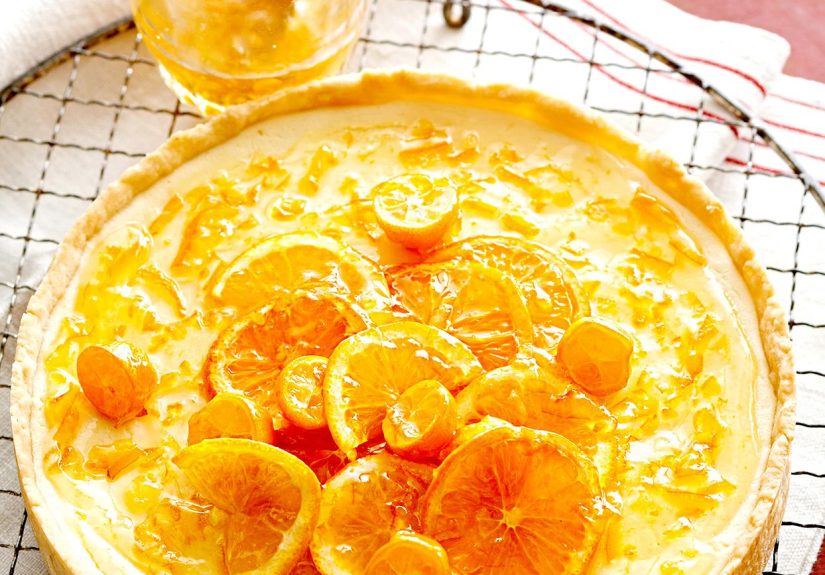
10. Orange Custard Tart with Almond Crust
For a dessert that looks like it came from a pastry shop, try an orange custard tart.
A crisp almond crustmade with ground almonds, butter, and flouris blind-baked, then filled with a silky orange custard.
The tart can be topped with thin slices of orange arranged in concentric circles or fanned around the top.
A light brushing of warmed apricot jam will give the fruit a glossy finish and help keep it fresh.
11. Orange Sorbet with Bittersweet Chocolate Shavings
When you want something light but still dessert-worthy, orange sorbet is a winner.
It’s typically made from orange juice, sugar, and water, sometimes with a bit of lemon juice to sharpen the flavor.
Serve small scoops of sorbet in chilled bowls with finely grated bittersweet chocolate on top.
The cool, tangy citrus and the slightly bitter chocolate create an elegant contrast that feels grown-up but still refreshing.
12. Candied Orange Peel Bark
Candied orange peel is a classic way to use up citrus rinds, and it shines in homemade chocolate bark.
Melt dark or milk chocolate, spread it into a thin layer on parchment, and sprinkle with chopped candied orange peel and a pinch of flaky sea salt.
Once set, break into irregular pieces.
It’s a great edible gift for the holidays and an easy way to turn leftover peel into something special instead of compost.
13. Orange–Ricotta Mini Bundt Cakes
Ricotta cheese gives cakes a tender, moist crumb without making them heavy.
In mini Bundt form, orange–ricotta cakes are adorable and perfectly portioned for individual servings.
Flavor the batter with orange zest and vanilla, then finish the cooled cakes with a simple orange icing that drips over the edges in pretty rivulets.
They’re ideal for showers, afternoon coffee, or dessert buffets.
14. Orange Fluff Trifle Cups
Orange “fluff” salads and ambrosia-style desserts have been a staple on American dessert tables for decades.
Turn that nostalgic idea into modern trifle cups by layering orange-flavored whipped cream or pudding with cake cubes, mandarin segments, and mini marshmallows.
Serve in clear glasses so you can see all the layers.
It’s playful, colorful, and easy to scale up for parties or down for a quick dessert-for-two.
Tips for Baking and Dessert-Making with Oranges
- Use fresh zest: Zest holds most of the aromatic oils, so always zest before juicing and use a microplane for fine shreds.
- Balance sweetness and acidity: If your oranges are very sweet, add a splash of lemon juice to keep desserts from tasting flat.
- Watch moisture: Orange juice adds liquid to batterstoo much can make cakes dense. If you increase juice, slightly reduce milk or other liquids.
- Mix citrus varieties: Combine navel oranges, clementines, or blood oranges for more complex flavor and color.
- Store properly: Keep citrus in the fridge to extend shelf life, and always zest before an orange starts to dry out.
Real-Life Orange Dessert Experiences & Hosting Ideas
Orange desserts aren’t just recipes on a pagethey often become part of family traditions, holiday meals, and “remember that dessert?” stories.
Think about a winter brunch where a simple orange olive oil cake is sliced at the table.
People lean in, notice the golden crumb and fragrant aroma, and suddenly everyone wants “just a small piece”which magically turns into seconds.
Many home bakers find that orange desserts are an easy way to bridge different preferences around the table.
Guests who think they “don’t like sweet things” often enjoy citrus-based sweets because the acidity cuts through the sugar and richness.
An orange sorbet or citrus tart can feel lighter than chocolate lava cake, yet still satisfy that end-of-meal craving.
Orange desserts are also flexible for different skill levels.
Newer bakers might start with an orange poke cake or orange fluff trifle, using boxed mix or store-bought components as a base and customizing with citrus zest, extra fruit, or a homemade topping.
More experienced bakers might gravitate toward custard tarts, upside-down cakes, or shortbread with citrus glazes and candied peel.
Hosting-wise, orange desserts fit into almost any menu.
For a casual game day or potluck, mandarin orange poke cake or orange fluff trifle cups are easy to transport and serve.
For a more formal dinner, try individual chocolate–orange mousse cups or mini Bundt cakes.
If you’re planning a brunch, orange breakfast rolls and olive oil cake play nicely with savory dishes like quiches and roasted potatoes.
Seasonal grocery shopping also shapes the experience.
During peak citrus season, it’s common to find bags of clementines, blood oranges, and navel oranges on promotion.
That’s the perfect time to experimentslice different varieties for tasting plates, compare sweetness and acidity, and decide which ones you like best for baking versus snacking.
Many hosts set up a simple “citrus bar” with wedges of different oranges, a small bowl of flaky salt, dark chocolate squares, and nuts so guests can build their own flavor combinations.
If you cook or bake with kids, orange desserts are especially fun.
They can help zest (with supervision), juice oranges, arrange slices in upside-down cakes, or sprinkle candied peel on chocolate bark.
It’s a hands-on way to teach basic kitchen skills, show how ingredients transform, and encourage them to taste as they go so they understand how zest, juice, sugar, and fat all work together.
Over time, many families end up with a “signature” orange dessert: maybe a beloved pound cake that shows up at every holiday, or a creamsicle pie that’s mandatory at summer barbecues.
The beauty of working with oranges is that they’re familiar but still flexible, making it easy to tweak recipes to match your tastesmore zest here, less sugar there, a chocolate drizzle for one crowd, a simple dusting of powdered sugar for another.
Whether you’re baking for a special occasion or just trying to use up a big bag of fruit, orange desserts deliver flavor, color, and a little bit of joy.
And once you find a few favorites from this list, citrus season might just become your favorite time to turn on the oven.
Conclusion: Let Citrus Season Lead the Way
Orange desserts are the ultimate way to celebrate citrus seasonbright, fragrant, and versatile enough to fit everything from casual potlucks to elegant dinners.
With these 14 ideas, you can turn a simple bag of oranges into cakes, cookies, pies, frozen treats, and nostalgic trifles that your guests will remember long after the last crumb is gone.
Start with one or two recipes that match your skill level and schedule, pay attention to balance and freshness, and let the citrus do the heavy lifting.
When oranges are at their peak, dessert practically makes itselfyou just get to take the credit.