Table of Contents >> Show >> Hide
- Before You Spend a Dollar: The “Cost vs. Impact” Cheat Sheet
- 1) Rearrange Your Furniture Like You’re the Boss of the Room
- 2) Paint One Thing: Walls, Trim, or a “Fake Built-In” Moment
- 3) Upgrade Your Lighting (Because One Ceiling Light Isn’t a Personality)
- 4) Swap Throw Pillow Covers (Not the Whole Pillow)
- 5) Add a Rug That’s Big Enough (Yes, Size Matters Here)
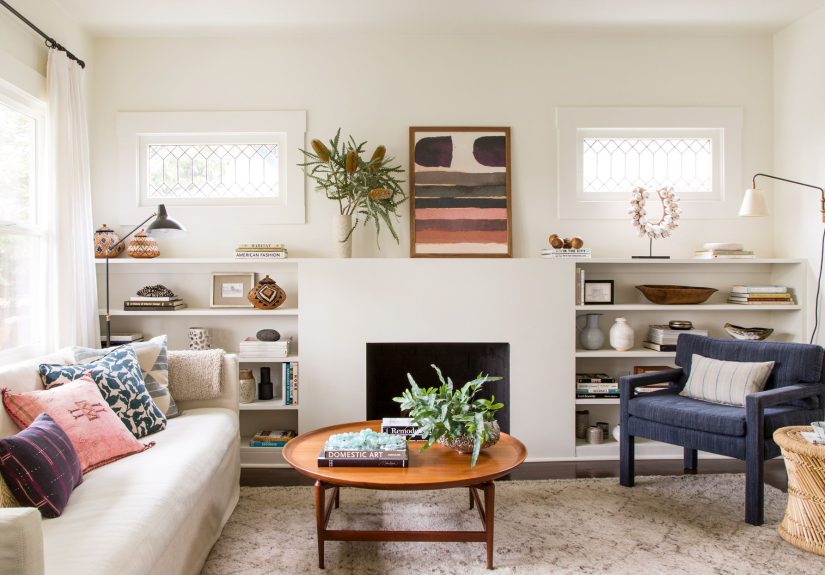
- 6) Hang Curtains Higher (This One’s Basically Magic)
- 7) Create DIY Wall Art (No, It Doesn’t Have to Look Like a School Project)
- 8) Shop Secondhand for “Character Pieces” (Not Random Clutter)
- 9) Style Your Coffee Table Like a Magazine (Without Buying a Whole Magazine)
- 10) Add Greenery (Real Plants, Low Drama)
- 11) Hide the Visual Noise: Cords, Remotes, and the “Where Did This Come From?” Pile
- Putting It Together: A Simple 60-Minute Plan
- FAQ: Cheap Living Room Decor Ideas People Actually Ask About
- Extra: of Real-World “Trying This at Home” Experience (Without the Fairy Dust)
- Conclusion
Want your living room to look like you hired a designer… without actually hiring a designer?
Good news: the fastest upgrades are rarely the most expensive. In fact, most “wow” living rooms are built from a
handful of smart, budget-friendly movesbetter lighting, stronger proportions, a little texture, and fewer random
objects that don’t know why they’re there (we’re looking at you, lonely tiny vase).
Below are 11 cheap living room decor ideas that work in real homesrentals, small apartments, open-concept spaces,
and “my couch is older than my email password” situations. Each idea includes practical steps, cost-friendly options,
and examples so you can actually pull it off.
Before You Spend a Dollar: The “Cost vs. Impact” Cheat Sheet
If your budget is tight, spend where the room will feel it most: scale, lighting, and textiles. These change
the vibe faster than another decorative bowl ever could.
| Upgrade | Typical Cost | Impact Level | Why It Works |
|---|---|---|---|
| Rearrange layout | $0 | High | Improves flow, creates a focal point |
| Paint / peel-and-stick | $20–$60 | High | Instant mood change, cleaner backdrop |
| Lighting layers | $15–$80 | High | Makes the room feel warmer and more intentional |
| Textiles (pillows, throws, curtains) | $25–$120 | High | Adds color, softness, and texture without remodeling |
| Styling & decluttering | $0–$30 | Medium-High | Creates “designed” space by editing visual noise |
1) Rearrange Your Furniture Like You’re the Boss of the Room
The cheapest living room makeover is the one where you move what you already own. Layout changes can instantly make
a space feel bigger, cozier, or more “grown-up.”
How to do it on a budget
- Start with a focal point: fireplace, TV wall, big window, or a statement art piece.
- Float furniture when possible: pulling the sofa a few inches off the wall often looks more intentional.
- Create a conversation zone: aim for seating within easy talking distance (no shouting across a canyon).
Example
If your sofa is glued to the far wall, try placing it across from two chairs (or one chair + an ottoman) to form a “U.”
Add a small side table between seats for a place to land a drink.
2) Paint One Thing: Walls, Trim, or a “Fake Built-In” Moment
Paint is the classic budget hero because it changes the whole room’s vibe in an afternoonwithout requiring a second
mortgage or emotional support contractor.
Budget-friendly approaches
- Accent wall: behind the sofa or TV wall for instant depth.
- Paint trim or doors: a subtle contrast can look high-end (think warm white walls + slightly darker trim).
- Paint a bookshelf: even a basic bookcase looks custom with one cohesive color.
Pro tip
If you rent, use removable solutions like peel-and-stick wallpaper or renter-friendly decals to get color and pattern
without losing your security deposit.
3) Upgrade Your Lighting (Because One Ceiling Light Isn’t a Personality)
If your living room lighting is “one overhead light and vibes,” don’t worrythis is fixable. Layering light makes a
room feel warmer, more flattering, and more expensive.
Cheap lighting wins
- Add a floor lamp: place it near the sofa or behind a reading chair.
- Add a table lamp: even a small lamp on a side table changes the mood instantly.
- Use warm bulbs: choose warm-white LEDs for a softer look.
Example
Put a floor lamp in one corner and a small table lamp on the opposite side of the room. That “two-point glow” makes
even bargain furniture feel intentional.
4) Swap Throw Pillow Covers (Not the Whole Pillow)
New pillows can be pricey. New covers are the budget-friendly loophole. You’ll get color, pattern, and texture
without buying bulky inserts every season.
How to make it look designer, not random
- Pick a simple palette: 2 neutrals + 1 accent color is an easy win.
- Mix textures: one woven, one velvet-ish, one patterned (even if the pattern is subtle).
- Vary sizes: pair one larger pillow with a smaller one for better proportions.
5) Add a Rug That’s Big Enough (Yes, Size Matters Here)
A too-small rug makes a room feel awkwardlike the furniture is tiptoeing around it. A properly sized rug anchors the
seating area and instantly makes the space look more polished.
Budget strategies for rugs
- Choose low-pile synthetics: they’re typically cheaper and easier to clean.
- Try layering: place a simple jute-style rug under a smaller patterned one for dimension.
- Check resale: Facebook Marketplace, estate sales, and thrift stores can surprise you.
Quick sizing rule
Aim for at least the front legs of your sofa and chairs to sit on the rug. It visually “locks” the seating group together.
6) Hang Curtains Higher (This One’s Basically Magic)
Curtains aren’t just for privacythey’re a style tool. Hanging curtain rods higher makes ceilings look taller and windows
look bigger. It’s one of those inexpensive home decor tricks that feels like cheating (the legal kind).
Do this, not that
- Do: mount the rod a few inches above the window frame (or closer to the ceiling, if it makes sense).
- Don’t: hang curtains right at the top of the window unless the ceiling is extremely low.
- Do: choose simple panels and add clip rings for an elevated look.
7) Create DIY Wall Art (No, It Doesn’t Have to Look Like a School Project)
Blank walls can make a living room feel unfinished. But you don’t need expensive art. You need scale and a cohesive
frame plan.
Cheap wall decor ideas that look legit
- Printable art + thrifted frames: spray paint frames one color for cohesion.
- Oversized statement piece: one large canvas beats a dozen tiny ones that look lost.
- Gallery wall: mix photos and prints, but keep frames consistent (all black, all wood, or all white).
Example
Pick three large prints with a shared palette (black-and-white photography works with almost anything), put them in
matching frames, and hang them above the sofa. Instant “I have my life together” energy.
8) Shop Secondhand for “Character Pieces” (Not Random Clutter)
Thrift stores and resale apps are goldmines for living room decor on a budgetespecially for items that look better with
a little history: wood side tables, frames, baskets, lamps, and pottery.
Rules to thrift by
- Look for good bones: solid wood, sturdy joints, classic shapes.
- Skip the “fixer” that needs a full workshop: sanding for 12 hours is not “saving money,” it’s a hobby.
- Buy with a plan: one statement thrift find beats five “maybe I’ll use it someday” items.
9) Style Your Coffee Table Like a Magazine (Without Buying a Whole Magazine)
A coffee table is prime real estate. Styling it well makes the entire room feel curatedeven if the rest of the house is
a laundry-based mystery.
The easy formula
- One tray or shallow bowl: corrals small items so it looks tidy.
- One vertical element: a small vase with greenery, a candle, or a stack of books with a small object on top.
- One personal touch: a photo, a travel souvenir, or something meaningful (not just “I bought this because it was beige”).
10) Add Greenery (Real Plants, Low Drama)
Plants bring life, color, and softnessand they’re one of the easiest affordable decorating ideas. If you’re not a plant
person, pick hardy options and treat them like roommates: light, water, and a little respect.
Budget plant moves
- Start small: pothos, snake plant, or a simple tabletop plant is enough to change the feel.
- Use a thrifted basket as a planter cover: instant texture upgrade.
- Group plants: two or three together looks intentional and makes each one feel more “designed.”
11) Hide the Visual Noise: Cords, Remotes, and the “Where Did This Come From?” Pile
Nothing ruins a budget living room makeover faster than the stuff that screams “real life happened here.” You don’t need
a storage overhaulyou need a few targeted solutions.
Quick fixes that cost little
- Cord control: adhesive cord covers or clips keep things tidy.
- Basket storage: one lidded basket can swallow blankets, toys, or mystery items in seconds.
- One “landing tray”: contain keys, remotes, and odds and ends to stop surface sprawl.
Putting It Together: A Simple 60-Minute Plan
- 10 minutes: clear surfaces and remove anything that doesn’t belong.
- 15 minutes: rearrange furniture for better flow and a clear focal point.
- 15 minutes: add two light sources (lamp + lamp, or lamp + warm bulb swap).
- 10 minutes: style the coffee table with the tray + vertical + personal formula.
- 10 minutes: add one textile upgrade (throw blanket or pillow cover swap).
FAQ: Cheap Living Room Decor Ideas People Actually Ask About
What’s the cheapest way to make a living room look better fast?
Rearrange the layout, add layered lighting, and declutter surfaces. Those three changes can make a room feel “done”
without buying anything new.
How do I decorate a living room on a budget without it looking cheap?
Focus on fewer, larger-impact upgrades (like curtains hung high, a properly sized rug, and cohesive pillow covers),
and avoid lots of tiny decor pieces that create clutter.
What’s worth spending a little more on?
If you can, invest in the piece you touch the mostusually the sofaor in an anchor textile like a rug. Everything else
can be mixed with thrifted finds and budget accessories.
Extra: of Real-World “Trying This at Home” Experience (Without the Fairy Dust)
Here’s what typically happens when people tackle a cheap living room refreshbecause the internet loves a perfect “after”
photo, but your living room will probably be mid-chaos for a minute (and that’s normal).
First, you start with confidence. You move the couch, and suddenly you notice the wall behind it has been living a secret
life as a dust museum. You clean it, and now you’re already winning. Then you slide the chair to the other side, and the
room feels biggerlike it inhaled. That’s the moment you realize layout is not “just furniture,” it’s basically mood
engineering.
Next comes the “I’ll just add a lamp” phase. You buy one inexpensive lamp and turn it on at night. Immediately the room
looks calmer, warmer, and less like a waiting area at the world’s saddest dentist. You wonder why you ever relied on that
overhead light that makes everyone look like they’re auditioning for a crime documentary reenactment.
Then you try textiles. Pillow covers are the gateway drug of budget decor: cheap, fast, and dangerously satisfying.
You pick a simple color palette, and suddenly your sofa looks upgradedeven though it’s the same sofa that has survived
movie nights, snack spills, and at least one nap that turned into a full sleep. Add a throw blanket, and the room starts
feeling “layered,” which is design-speak for “cozy but intentional.”
The thrift-store part is where the story gets interesting. You walk in thinking you’ll find one cute frame. Two hours later,
you’re holding a solid wood side table for $25 and asking yourself why anyone ever paid full price for particleboard. The
tricklearned the hard wayis to buy fewer things with more purpose. A single thrifted lamp with a great shape beats three
random objects that will end up in a “decor drawer” you swear doesn’t exist (it does).
Finally, you do the unglamorous stuff: hiding cords, corralling remotes, and clearing surfaces. This is when the room
crosses the line from “I decorated” to “I can breathe in here.” You don’t need perfection. You need fewer distractions and
a couple of upgrades that repeat around the roomone accent color, one metal finish, one wood toneso everything feels like
it belongs. And when you step back, you realize the best part of budget decorating isn’t the savings. It’s the moment your
living room starts feeling like yours, not just a storage area for furniture.
Conclusion
Decorating on a budget isn’t about doing lessit’s about doing the right things first. Start with layout and lighting,
add a few strong textiles, choose a rug and curtains with smart proportions, and sprinkle in personality through art,
plants, and thrifted character pieces. Your living room doesn’t need expensive furniture to look put-together. It just
needs a plan, a little editing, and a sense of humor when the “quick refresh” turns into “why am I reorganizing every shelf?”