Table of Contents >> Show >> Hide
- The quick answer (for hungry people)
- What is couscous, really?
- What is quinoa, really?
- Couscous vs. quinoa: the nutrition differences that actually matter
- Cooking differences: speed vs. structure
- Taste, texture, and best uses
- Which one is “healthier”?
- FAQs people ask right after they Google this
- Conclusion: the best choice is the one that fits your meal
- Experiences: what couscous and quinoa look like in real kitchens (about )
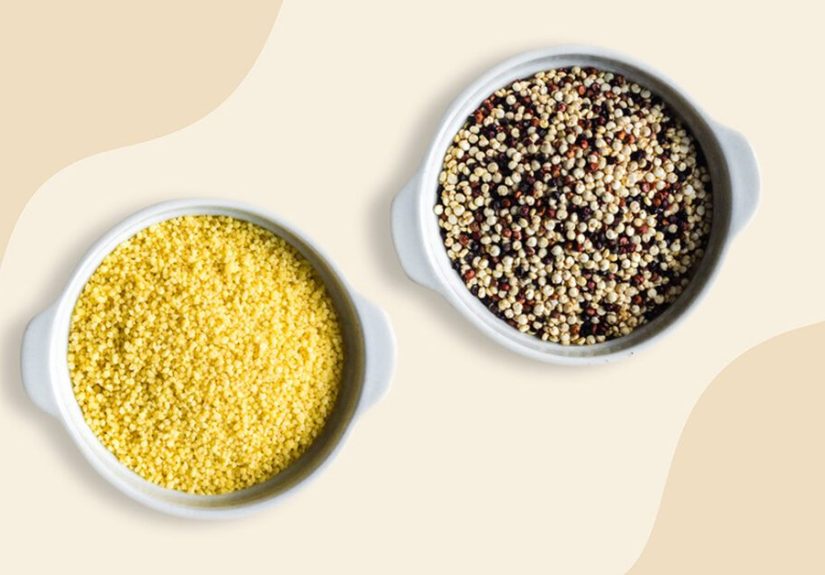
At a glance, couscous and quinoa look like they could be siblings: small, scoopable, and happy to hang out under roasted vegetables like a cozy blanket. But don’t let their similar “tiny-bead energy” fool you. Couscous is basically pasta wearing a grain costume, while quinoa is a seed that acts like a grain and somehow still has time to be an overachiever.
If you’ve ever stood in the pantry aisle wondering which one belongs in your salad bowl (or your life), this guide breaks it all downwhat they are, how they taste, how they cook, what nutrition differences actually matter, and which one makes the most sense for your meal.
The quick answer (for hungry people)
- Couscous is a wheat-based pasta made from semolina (durum wheat). It usually contains gluten and cooks very fast.
- Quinoa is a seed (often treated like a whole grain) that’s naturally gluten-free, higher in protein and fiber, and a bit nuttier in flavor.
Now let’s zoom in on the detailsbecause “tiny and beige-ish” is not a food category you should build your whole meal plan around.
What is couscous, really?
It looks like a grain, but it’s pasta
Couscous is made from semolina and wheat flour that’s moistened and formed into tiny granules, then steamed and dried. In many U.S. grocery stores, the most common version is “instant” couscous, which is pre-steamedmeaning it’s basically the ramen noodles of the “grain bowl” world: fast, convenient, and ready to be upgraded with good flavors.
Common types you’ll see
- Moroccan couscous: The tiny, classic kind. Light and fluffy, and often the “default couscous” in stores.
- Israeli (pearl) couscous: Larger balls, chewier texture, more like small pasta pearls.
- Lebanese couscous: Even larger and heartierless common, but great for stews.
Flavor and texture
Couscous is mild, slightly nutty, and excellent at soaking up whatever sauce, dressing, broth, or spice blend you throw at it. Think of it as a culinary sponge that also knows how to behave at dinner parties.
Gluten check
Because couscous is made from wheat (semolina), it contains gluten. If you’re eating gluten-free due to celiac disease or gluten intolerance, couscous is generally not the move.
What is quinoa, really?
A seed that cooks like a grain
Quinoa is an edible seed that’s often treated like a whole grain in cooking. It’s commonly called a “pseudocereal,” meaning it’s not a true cereal grain botanically, but it behaves like one on your plate.
Why quinoa tastes bitter sometimes (and how to prevent it)
Quinoa has a natural coating called saponins that can taste bitter or soapy. Many packaged quinoas are pre-rinsed, but rinsing again in a fine-mesh strainer is still a smart habitespecially if you’ve ever taken one bite and thought, “Why does this taste like the memory of dish soap?”
Colors and what they mean
- White quinoa: Mildest flavor, softest texturebest “starter quinoa” if you’re new.
- Red quinoa: Slightly firmer, holds shape wellgreat in salads.
- Black quinoa: Earthier and crunchierexcellent for texture lovers.
Gluten check
Quinoa is naturally gluten-free, making it a popular option for gluten-free diets when prepared and stored to avoid cross-contact.
Couscous vs. quinoa: the nutrition differences that actually matter
Both can fit into a balanced diet. The “better” choice depends on your goalsquick energy, more fiber, gluten-free needs, higher protein, or just what tastes good with your lemon-herb chicken tonight.
Macro snapshot (typical cooked, 1-cup serving)
Nutrition can vary by brand and cooking method, but here’s the general pattern you’ll see:
| Category | Couscous (cooked) | Quinoa (cooked) |
|---|---|---|
| Calories | Moderate | Moderate (often slightly higher) |
| Protein | Lower | Higher (and contains all nine essential amino acids) |
| Fiber | Lower | Higher |
| Gluten | Contains gluten (wheat) | Naturally gluten-free |
| Micros | Notable for certain minerals (varies) | Strong mineral profile (commonly includes magnesium and iron) |
Protein: quinoa is the reliable overachiever
If you’re trying to boost proteinespecially on a plant-forward dietquinoa usually wins. It’s often described as a “complete protein,” meaning it provides all nine essential amino acids. That doesn’t magically make it the only protein you need, but it does make quinoa a solid base for meals.
Fiber: quinoa tends to keep you fuller longer
Quinoa generally provides more fiber than couscous. That matters for digestion and can help with satiety (aka not rummaging for snacks 37 minutes after lunch). If you’re working on eating more fiber overall, quinoa is usually the more helpful pick.
Blood sugar and “energy feel”
Couscous is typically more refined and can feel like quicker energyuseful if you want something light and fast. Quinoa’s extra fiber and protein may feel steadier for some people. Individual responses vary, and what matters most is the overall meal: pairing either option with vegetables, protein, and healthy fats tends to help.
Gluten and dietary needs
This one is straightforward: if you need gluten-free, quinoa fits. Couscous (made from wheat) usually doesn’t.
Cooking differences: speed vs. structure
How to cook couscous (quick and forgiving)
Most standard couscous sold in U.S. stores is instant. Translation: it doesn’t need “cooking” so much as “a short spa treatment.” Typically, you pour boiling water or broth over it, cover, wait a few minutes, then fluff with a fork.
- Best tip: Use broth instead of water for instant flavor upgrades.
- Texture tip: Fluff well, and add a small drizzle of olive oil or a pat of butter for separation and shine.
- Flavor tip: Stir in lemon zest, chopped herbs, toasted nuts, or a spice blend (cumin + coriander is a classic).
How to cook quinoa (a little more “procedure,” still easy)
Quinoa cooks more like rice: simmer it in water or broth until the liquid is absorbed and the seeds “pop” open, showing the little curly germ ring. Before cooking, rinsing helps remove any lingering bitter coating.
- Rinse: Use a fine-mesh strainer and rinse under cool water.
- Toast (optional): Toasting quinoa briefly in a dry pot can add nuttiness.
- Finish: Let it sit covered off heat for a few minutes, then fluff.
Meal-prep behavior
Couscous tends to soften as it sits (especially if heavily dressed). Quinoa generally holds its shape better in meal-prep bowls and salads, especially red and black quinoa.
Taste, texture, and best uses
Choose couscous when…
- You want a fast side dish that cooks in minutes.
- You’re making something saucy (tagines, stews, braised meats) and want a soft, absorbent base.
- You prefer milder flavors and a fluffy bite.
Choose quinoa when…
- You need a gluten-free option.
- You want more protein and fiber in the base of your meal.
- You’re building grain bowls, salads, or breakfast bowls and want something that holds its texture.
Real-world examples
- Weeknight shortcut: Couscous + rotisserie chicken + bagged arugula + lemony dressing = dinner in “barely time to blink.”
- Meal-prep hero: Quinoa + roasted sweet potato + black beans + salsa + avocado = a bowl that still tastes good on day three.
- Party side dish: Pearl couscous tossed with roasted cherry tomatoes, feta, basil, and a splash of balsamic is basically a guaranteed empty bowl.
- Breakfast twist: Quinoa warmed with cinnamon, milk, berries, and nuts can stand in for oatmeal when you want something different.
Which one is “healthier”?
This is the part where people expect a winner to walk onto the stage holding a trophy. But nutrition isn’t a reality show (thank goodness). “Healthier” depends on your needs and what else is on the plate.
If you’re gluten-free
Quinoa is the safer default. Couscous is wheat-based, so it typically doesn’t fit gluten-free eating patterns.
If you’re focused on protein
Quinoa tends to be the stronger choice, especially for plant-forward meals. Pair it with beans, tofu, chicken, fish, or yogurt-based sauces and you’ve got a satisfying base.
If you want a lighter, quick-carb side
Couscous is convenient and easy to portion. It’s also a friendly “gateway grain-like thing” for picky eaters because it’s mild and soft.
If your goal is more fiber
Quinoa generally makes it easier to add fiber without changing much else. If you’re increasing fiber, do it gradually and drink enough wateryour stomach will thank you.
FAQs people ask right after they Google this
Can I substitute quinoa for couscous (and vice versa)?
Usually, yesespecially in grain bowls and salads. Expect a different texture: couscous is softer and fluffier, quinoa is a bit firmer and nuttier. If a dish relies on couscous soaking up a stew, quinoa will work, but it’ll feel more “separate” than “pillowy.”
Is couscous whole grain?
Couscous is often made from refined semolina, but whole-wheat couscous exists. If “whole grain” matters to you, check the label for “whole wheat” or “whole grain.”
Why does my quinoa taste weird?
If it tastes bitter or soapy, it likely needs a better rinse (or it was cooked in too little water and concentrated that flavor). Rinse well, cook in broth, and season it like you mean it.
Conclusion: the best choice is the one that fits your meal
Couscous and quinoa may share a similar shape, but they bring very different personalities to the table. Couscous is quick, mild, and comfortingly fluffygreat when you want a fast base that absorbs flavor like a champ. Quinoa is a gluten-free seed with more protein and fiber, a slightly nutty taste, and a sturdier texture that plays well in salads and meal prep.
If you’re deciding tonight: go couscous for speed and saucy dishes, go quinoa for gluten-free needs and more nutrition “bang for your bite.” Or do the most practical thing of all: keep both in your pantry and let dinner choose.
Experiences: what couscous and quinoa look like in real kitchens (about )
If you ask a group of home cooks how couscous and quinoa behave in the wild, you’ll hear stories that sound suspiciously like personality profiles. Couscous is the friend who’s always ready in five minutes, shows up on time, and somehow looks put-together even when everyone else is chaos-cooking. Quinoa is the friend who’s a little more complexneeds a quick rinse, prefers a gentle simmer, and rewards you with structure and staying power.
A very common “first couscous experience” is the weeknight rescue mission: you realize you forgot to plan a side, the main dish is already halfway done, and you need something that won’t require another timer, another pot, and another stress spiral. Couscous steps in like, “No worries, I got you.” Pour hot broth over it, cover it, fluff it, and suddenly the plate looks intentional. People often fall in love with couscous because it makes them feel like a competent adult who owns matching towelseven if they do not.
Quinoa experiences tend to start with health goals or dietary needs: someone in the house is gluten-free, you’re trying to add more protein at lunch, or you want meal-prep bowls that don’t turn into mush by day two. The first time someone cooks quinoa without rinsing, the reaction is often dramatic: “Is this… soapy?” That’s the day they learn about saponins, buy a fine-mesh strainer, and begin rinsing like it’s a sacred ritual. Once that step becomes habit, quinoa becomes a dependable stapleespecially for lunches. It holds up under dressing, stays fluffy, and doesn’t collapse into sadness after a night in the fridge.
Entertaining brings out another difference. Couscous (especially pearl couscous) is a crowd-pleaser because it’s mild and plays nicely with bold flavors: roasted vegetables, lemon, herbs, feta, garliccouscous says yes to all of it. It’s the dish that disappears first at potlucks because everyone can eat it, it doesn’t look “too healthy,” and it tastes like effort (even when it wasn’t). Quinoa, on the other hand, tends to shine when guests appreciate texture and heartier salads. A quinoa bowl with roasted squash, pumpkin seeds, cranberries, and a tangy vinaigrette feels modern and satisfying, especially when you need a main-dish salad that can hang with hungry people.
Over time, many cooks end up using both with zero loyalty drama. Couscous becomes the “fast side” for chicken, fish, and saucy dishes; quinoa becomes the “prep base” for lunches, gluten-free meals, and bowls that need to last. And once you stop expecting them to be interchangeable twinsand start treating them like different tools they both earn a permanent spot on the shelf.