Table of Contents >> Show >> Hide
- Case File Basics: What the Show Is (and Why It Hit)
- How These Rankings Work (So You Can Yell at Me Fairly)
- Ranking the Scooby TV Eras: Where What's New Fits
- 1) Scooby-Doo! Mystery Incorporated (Best for story and stakes)
- 2) Scooby-Doo, Where Are You! (Best for pure, iconic comfort)
- 3) What's New, Scooby-Doo? (Best balance of modern pacing + classic structure)
- 4) Be Cool, Scooby-Doo! (Best for big comedy swings)
- 5) Scooby-Doo and Guess Who? (Best for guest-star fun)
- Top 12 Episodes: The What's New Power Rankings
- “Fright House of a Lighthouse”
- “A Terrifying Round with a Menacing Metallic Clown”
- “There's No Creature Like Snow Creature”
- “Big Scare in the Big Easy”
- “3-D Struction”
- “Space Ape at the Cape”
- “Big Appetite in Little Tokyo”
- “The San Franpsycho”
- “Recipe for Disaster”
- “The Unnatural”
- “Simple Plan and the Invisible Madman”
- “E-Scream”
- Best Monsters and Villains: Top 8 “Would Not Approach” Creatures
- Character Rankings: Who Carries the Most in What's New?
- What the Series Did Better Than Most People Remember
- What Didn’t Age Perfectly (Because Nothing Does)
- Where to Start Watching (If You Want the Fast Track)
- Final Verdict: Why What's New, Scooby-Doo? Still Deserves the Hype
- Experiences: The Real-Life Magic of Rewatching What's New, Scooby-Doo? ()
Some cartoons age like fine wine. Others age like a sandwich you forgot in your backpack. What's New, Scooby-Doo? (2002–2006) lands firmly in the “still delicious” categoryspry, funny, and weirdly modern for a show that began when flip phones were considered cutting-edge wizardry.
But here’s the real mystery: why do people still argue about this series like it’s a sports rivalry? Simple. It’s one of the most watchable Scooby erasfast-paced, pop-punky, and packed with episodes that feel like comfort food and a mini-adventure. In this deep-dive, we’ll rank where What's New, Scooby-Doo? sits in the Scooby universe, spotlight the best episodes, and give some strong opinions (politely delivered, like Velma with a clipboard).
Case File Basics: What the Show Is (and Why It Hit)
What's New, Scooby-Doo? is a three-season, 42-episode reboot-era entry that brought Mystery Inc. back to a classic “travel, investigate, unmask” formatthen modernized it with early-2000s tech, snappier jokes, and a bright, clean animation style. It originally aired on Kids’ WB and refreshed the franchise for a new generation while still feeling familiar to longtime fans.
The secret sauce is the show’s tone: light spooks, big laughs, and mysteries that move like they’ve got places to be. It rarely overcomplicates the premise. Instead, it delivers a reliable recipe: spooky setting + suspicious adults + Scooby snacks + a chase scene that feels like a music video. (And yes, the theme song energy matters.)
How These Rankings Work (So You Can Yell at Me Fairly)
To keep this from turning into “my favorite is the best because it is,” I used a simple scoring rubric. Every ranked item earns points for:
- Mystery logic: Are clues fair, and does the solution make sense?
- Monster design: Is the villain memorable, creepy, or just delightfully silly?
- Comedy: Are the gags sharp without relying on repetition?
- Rewatch value: Would you happily rewatch it on a random Tuesday?
- “Scooby-ness”: Does it feel like Mystery Inc. doing Mystery Inc. things?
Important note: this is rankings and opinions. If your favorite episode is lower than you’d like, that’s not a flaw in your taste. It’s simply evidence that I am a cartoon gremlin with a spreadsheet.
Ranking the Scooby TV Eras: Where What's New Fits
Scooby-Doo has multiple “eras,” and each aims at a slightly different vibeclassic spooky slapstick, heavier mystery arcs, pure comedy, or meta reinventions. Here’s my take on where What's New, Scooby-Doo? ranks among the most-discussed modern-ish series.
1) Scooby-Doo! Mystery Incorporated (Best for story and stakes)
If you want serialized plotting, character arcs, and “wait, that clue matters later,” this is the peak. It’s Scooby with a long-form mystery engine.
2) Scooby-Doo, Where Are You! (Best for pure, iconic comfort)
The blueprint. The catchphrases. The vibes. It’s the foundation every later series borrows fromeven when it pretends not to.
3) What's New, Scooby-Doo? (Best balance of modern pacing + classic structure)
This series doesn’t try to reinvent the entire franchise. It just upgrades it: quick jokes, modern settings, and episodes that feel easy to jump into. It’s the Scooby show you can recommend to almost anyone without writing a user manual.
4) Be Cool, Scooby-Doo! (Best for big comedy swings)
A polarizing art style, but the comedy is fearless. If you like your Scooby a little more “cartoon chaos,” it’s surprisingly strong.
5) Scooby-Doo and Guess Who? (Best for guest-star fun)
Comfort-viewing with celebrity crossovers. Not every episode is a classic, but it’s friendly, breezy, and built for casual watching.
The key takeaway: What's New is the “middle perfect” Scooby seriesmodern enough to feel fresh, classic enough to feel like Scooby.
Top 12 Episodes: The What's New Power Rankings
There are 42 episodes, and a lot of them are solid. These 12 stand out for being especially rewatchable, clever, or just ridiculously entertaining.
-
“Fright House of a Lighthouse”
A haunted lighthouse mystery is basically Scooby royalty, and this one leans into the atmosphere. It’s tense, clever, and feels like classic Scooby with modern polish.
-
“A Terrifying Round with a Menacing Metallic Clown”
Clowns are already terrifying. Add metal. Add a mystery. Congratulations: you’ve created the exact episode people remember years later.
-
“There's No Creature Like Snow Creature”
A strong series opener that nails the tone immediately: humor, danger, teamwork, and a monster that’s creepy without becoming nightmare fuel.
-
“Big Scare in the Big Easy”
A New Orleans setting, ghostly vibes, and a story that moves. It’s a perfect example of the show’s travel-and-mystery charm.
-
“3-D Struction”
A dinosaur-themed museum mystery with a fun “how is this happening?” hook. It’s imaginative and plays with cinematic spectacle.
-
“Space Ape at the Cape”
NASA, weird “alien” chaos, and a great Scooby “science gone wrong” vibe. It’s classic Scooby logic in a modern setting.
-
“Big Appetite in Little Tokyo”
One of the show’s best “new location” episodesfast, funny, and visually distinct. It captures the series’ travel energy at full speed.
-
“The San Franpsycho”
A clever title and a strong city episode. The mystery hooks quickly, and the pacing stays tight from start to unmasking.
-
“Recipe for Disaster”
A food-themed mystery with great comedic beats. Scooby stories love putting Shaggy near food, and this one understands the assignment.
-
“The Unnatural”
A classic “competition + sabotage + monster” structure done well. It’s accessible, fun, and easy to recommend as a starter episode.
-
“Simple Plan and the Invisible Madman”
A celebrity cameo episode that actually works. It blends music, comedy, and mystery smoothlyplus it feels like a time capsule of the era’s pop-punk energy.
-
“E-Scream”
A tech-themed mystery that feels ahead of its time for a 2000s cartoon. It’s a fitting late-series entry because it embraces the show’s “modern Scooby” mission.
Best Monsters and Villains: Top 8 “Would Not Approach” Creatures
Great Scooby villains live in a sweet spot: creepy enough to raise the stakes, silly enough that you don’t need to sleep with the lights on.
- The Snow Creature A strong “nature monster” design with real presence.
- The Ghosts of the Leland Brothers Classic haunted-history energy done right.
- The Dinosaur Spirit Big spectacle, memorable visuals, and a fun premise.
- The Alien (and friends) Great for “Scooby meets science” chaos.
- The Invisible Madman A villain concept that’s instantly engaging and very rewatchable.
- The Metallic Clown A fear-factor winner. Even the title sounds like a warning label.
- “Tech” threats (like in “E-Scream”) Not always a mask-and-cape villain, but still a modern kind of spooky.
- City-legend style creeps The show is at its best when the setting has a personality.
Character Rankings: Who Carries the Most in What's New?
Mystery Inc. is a team. But every team has an MVP, a glue person, and someone who would absolutely forget the snacks if you didn’t remind them.
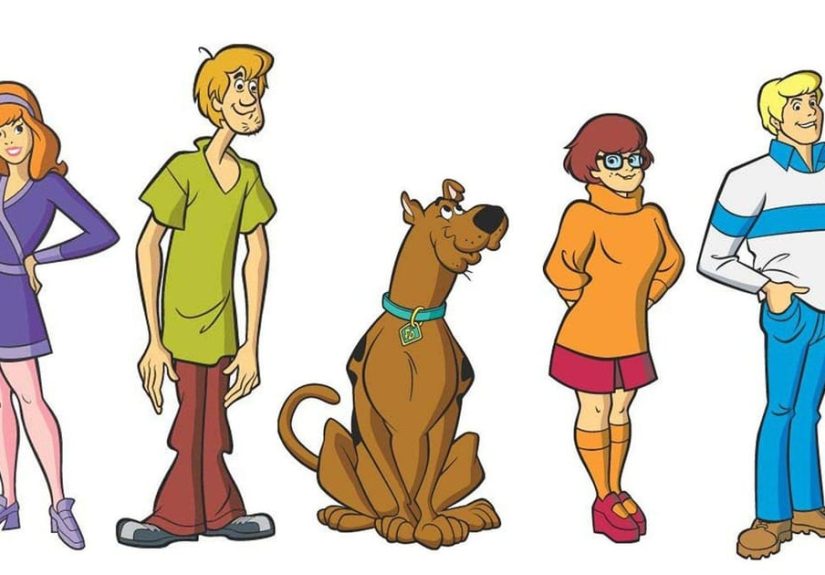
1) Velma: The engine
Velma is the brains, yesbut in What's New, she’s also the momentum. She asks the questions, calls out nonsense, and keeps the mystery moving. Without Velma, you basically have five people running in different directions screaming “Zoinks!”
2) Shaggy & Scooby: The heart (and the sprinting)
They’re the comedic center and the emotional center. Their fear is the show’s pressure gauge: if they’re panicking, the danger feels real; if they’re clowning, you can relax.
3) Daphne: The surprise weapon
Modern Scooby often improves Daphne by letting her do more than scream and get kidnapped. What's New gives her confidence and capabilityplus the timing to land jokes without derailing the plot.
4) Fred: The steady captain
Fred’s job is to keep the group pointed at the mystery, not the snack bar. When he’s written well, he’s the calm center of the chaosblueprint, trap, execute.
What the Series Did Better Than Most People Remember
It modernized Scooby without losing Scooby
The show updates the gang’s worldtechnology, travel, pop culturewhile keeping the old-school structure intact. That’s harder than it sounds. Lots of reboots either freeze in nostalgia or sprint so far into “new” that the core disappears. What's New threads the needle.
The pacing is a superpower
These episodes move. You rarely get long stretches where nothing happens. The show understands the best Scooby rhythm: setup, scare, clue, chase, trap, revealthen a quick joke on the way out.
The music-video chase scenes are pure 2000s joy
The chase sequences often feel like mini-montages, and they give the show a kinetic identity. It’s part mystery show, part Saturday-morning adrenaline.
What Didn’t Age Perfectly (Because Nothing Does)
Some “modern” references are now charmingly dated. The tech looks like a museum exhibit. A few jokes lean on early-2000s trends that younger viewers might not recognize. But honestly? That’s not a dealbreaker. It’s part of the show’s personalitylike a time capsule that still tells a good story.
Where to Start Watching (If You Want the Fast Track)
If you’re new to the series, start with a “classic-structure banger” (like a lighthouse or a holiday special), then mix in a travel episode, then add a tech-forward one. Here’s a simple three-step starter pack:
- Start: “There's No Creature Like Snow Creature” (tone setter)
- Then: “Big Scare in the Big Easy” (setting + spooky flavor)
- Then: “E-Scream” (modern Scooby concept)
After that, you can bounce around freely. What's New, Scooby-Doo? is built for casual watchingno heavy continuity homework required.
Final Verdict: Why What's New, Scooby-Doo? Still Deserves the Hype
In the giant Scooby-Doo franchise, What's New is the series that quietly overachieves. It respects the classic formula, upgrades the pace, and delivers a lineup of episodes that are easy to recommend. It’s not trying to be the darkest Scooby. It’s trying to be the most watchable Scoobyand it succeeds.
So if you’re ranking Scooby series, this one belongs near the top. And if you’re ranking comfort cartoons that still hold up, it belongs in the conversationright next to “just one more episode” and “okay fine, two more.”
Experiences: The Real-Life Magic of Rewatching What's New, Scooby-Doo? ()
Rewatching What's New, Scooby-Doo? as a teen or adult is a funny experience, because your brain turns into two people at once. One part of you is still a kid going, “A lighthouse! A monster! RUN!” The other part is an older you noticing the craft: how quickly the show establishes a setting, how it plants a clue, how it keeps the jokes moving without stepping on the mystery.
If you grew up in the early 2000s, the series also hits like a nostalgia flashbangin the best way. The tech references feel quaint, the music energy feels like a playlist you forgot you loved, and the whole “we’re on a road trip solving mysteries” fantasy still works. It’s basically the cartoon version of being able to hang out with your friends every weekend with no homework consequences. (The dream.)
One of the most relatable experiences is how the show fits different moods. When you want something cozy, you can pick a classic spooky settingsnowy resort, haunted hotel, eerie lighthouseand let the familiar Scooby rhythm do its thing. When you want something silly, you can pick a wilder concept episode and enjoy the chaos. And when you want something “light scary,” it scratches that itch without going full horror. It’s spooky seasoning, not spicy pain.
Watching with friends (or even just talking about it online) is another big part of the fun. What's New is perfect for debates because the episodes are self-contained and memorable. People don’t just say “I like season two.” They say “the clown one,” “the lighthouse one,” “the New Orleans one,” “the Tokyo one,” like you’re all swapping campfire stories. The show becomes a shared language: the kind of series where you can mention one episode title and someone immediately goes, “Oh yeahTHAT one.”
And then there’s the comfort factor. The world can be stressful, unpredictable, and full of mysteries you absolutely cannot unmask. A Scooby episode is the opposite: the monster will be fake, the gang will work together, and the truth will come out in 22 minutes. That reliability is calming. It’s not “boring.” It’s groundinglike rewatching a favorite movie or replaying a game you know by heart.
The best personal takeaway people describe after a rewatch is simple: What's New, Scooby-Doo? reminds you that fun storytelling doesn’t need to be complicated. You just need a good setup, a memorable villain, a few laughs, and a team you enjoy spending time with. Add a snack, and you’re basically living the Shaggy philosophyminus the running from ghosts part. Ideally.