Table of Contents >> Show >> Hide
- Raw Honey 101: What “Raw” Really Means
- Raw Honey vs. Regular Honey: What’s the Difference?
- What’s Inside Raw Honey?
- Potential Benefits: What Raw Honey Can (and Can’t) Do
- Safety First: Who Should Avoid Raw Honey?
- How to Buy Real Raw Honey in the U.S.
- How to Use Raw Honey Without Making a Sticky Situation
- Experience Corner: 5 Real-Life Lessons People Learn After Buying Raw Honey (About )
- 1) Your first farmers’ market jar may ruin “generic honey” for you
- 2) Crystallization becomes a relationship milestone
- 3) “A little goes a long way” turns out to be practical, not just polite
- 4) It changes how you cooknot by being magical, but by being noticeable
- 5) People become surprisingly serious about “honey rules” for babies
- Conclusion
Raw honey is one of the few foods that can be both simple and mysterious at the same time.
It’s basically nectar that bees turned into honey, then humans put in a jar… and somehow we still argue about what
“raw” means like it’s a philosophical concept.
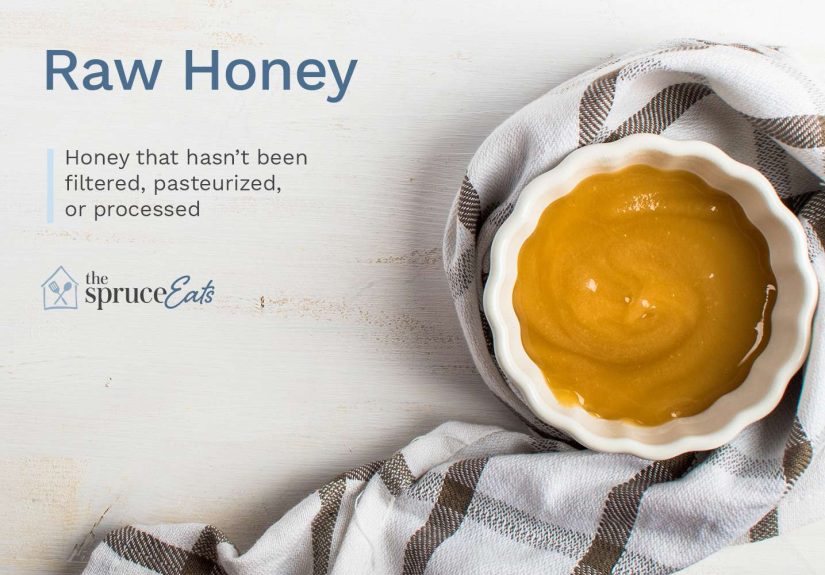
In plain English, raw honey is honey that’s been minimally processed after it leaves the hive. That usually means
it hasn’t been heated much (if at all) and it hasn’t been ultra-filtered. As a result, it may contain tiny natural
bits like pollen, wax specks, or propolis, and it often crystallizes sooner than the honey that stays syrupy on a
grocery store shelf for what feels like the length of a small geological era.
This guide explains what raw honey is, how it compares to “regular” honey, what’s actually in it, who should avoid
it, and how to buy the real deal in the U.S. without falling for sticky myths.
Raw Honey 101: What “Raw” Really Means
How honey goes from flower to jar
Honey starts as flower nectar. Bees collect it, add enzymes, reduce the water content by fanning it in the hive,
and store it in honeycomb. Beekeepers harvest that honey by removing frames, uncapping the wax, and extracting the
honey (often by spinning the frames in an extractor).
From there, honey can be handled in several ways: it might be bottled with minimal straining, or it might be warmed
for easier pouring, filtered for a perfectly clear look, and blended to keep texture consistent across batches.
Those post-hive choices are where “raw” vs. “regular” begins to matter.
Is there a single, official definition of “raw honey”?
Here’s the slightly annoying truth: in the U.S., “raw honey” is more of a labeling convention than a single
universal legal definition. In everyday use, “raw” generally implies honey that hasn’t been significantly heated
and hasn’t been heavily filtered. Some producers and some state-level standards use specific temperature ideas (for
example, keeping heat low enough to preserve certain natural characteristics), but you won’t find one simple federal
rule that makes every jar behave the same way.
So, the best practical definition is this: raw honey is minimally processed honey that’s close to how it
was extracted from the comb.
Raw Honey vs. Regular Honey: What’s the Difference?
Heating: not always “pasteurization,” but often warming
Many mainstream honeys are warmed during processing. Warming makes honey flow faster, helps it run through filters,
and can slow crystallization. Some products are heated more aggressively to create a consistently clear, pourable
look that shoppers have been trained to expect.
Raw honey, by comparison, is typically kept at lower temperatures (or not heated at all), which helps preserve
some heat-sensitive enzymes and aroma compounds. That doesn’t mean raw honey is a miracle food; it just means
it’s less “handled.”
Filtration: “strained” vs. “ultra-filtered” matters
Straining is normal: producers may run honey through a mesh to remove big pieces of wax or bee parts (because
nobody wants “crunchy bee” in their tea). Heavy filtration goes further, removing very fine particles that
naturally exist in honeylike pollen grains and tiny bits of comb. The more those particles are removed, the
clearer the honey looks and the longer it may stay liquid.
Raw honey is commonly strained but not ultra-filtered. That’s why you may see it look cloudy,
have natural sediment, or crystallize faster.
Texture and appearance: raw honey doesn’t try to win a beauty pageant
Regular store honey is often designed to be uniform: clear, smooth, and consistently pourable. Raw honey can be
golden, amber, or almost dark brown depending on the flowers; it can be runny or thick; it can be creamy; and it
may crystallize into a spreadable texture. None of that means it’s spoiled. It means honey is doing honey things.
What’s Inside Raw Honey?
Mostly sugars and water (yes, even the “health halo” version)
Honeyraw or notis primarily natural sugars (mostly fructose and glucose) plus water. It also contains small
amounts of organic acids, minerals, amino acids, enzymes, and aromatic compounds. Those “extras” are part of why
different honeys taste wildly different even though they’re all, technically, sugar.
Translation: raw honey can be more interesting, but it’s still a sweetener. If you’re managing blood sugar or
overall sugar intake, raw honey should sit in the “use sparingly” category right alongside other sweeteners.
Pollen, propolis, and enzymes: tiny additions with big marketing careers
Because raw honey is less filtered, it may include trace pollen and propolis (a resin-like material bees use in
the hive). It also retains naturally occurring enzymes that bees contribute during honey-making. These components
are often used as marketing buzzwordssometimes deserved, sometimes exaggerated.
The reality is nuanced: raw honey can contain more of these natural compounds than heavily processed honey, but
the amounts vary by region, season, and processing style. Two jars labeled “raw” can still be quite different.
Crystallization: the most misunderstood glow-up in the pantry
Honey crystallizes when glucose separates out of the liquid and forms crystals. The speed depends on the honey’s
natural sugar ratio and on tiny particles (like pollen) that give crystals a place to start. Raw honey often
crystallizes sooner because those particles remain.
Here’s the good news: crystallized honey is safe and normal. If you want it runny again, gently
warm the jar in a bowl of warm (not boiling) water and stir. Avoid overheating if you’re trying to keep the honey
as “raw-like” as possible.
Potential Benefits: What Raw Honey Can (and Can’t) Do
Antioxidants: real, but don’t hand it a superhero cape
Honey contains antioxidant compounds, and darker honeys generally have more of them. Raw honey may retain more of
these compounds than honey that’s been heavily processed. But the overall health impact depends on how much you
consumeand consuming lots of honey for antioxidants is like eating extra cake for calcium because there’s milk in
the frosting. The math gets awkward fast.
Sore throats and coughs: a classic, with boundaries
Honey has long been used to soothe sore throats and coughs because it can coat irritated tissue and add a
comforting sweetness. Many people find a spoonful in warm tea helps, especially at night. The key is moderation:
relief is not the same as curing an infection.
Wound care: pantry honey is not medical-grade honey
You may have heard that honey can help with wound healing. In clinical settings, specialized medical-grade honey
dressings exist for certain wound-care contexts. That’s not the same as putting raw honey from your kitchen on a
cut. Food products are not sterile and can introduce contaminants. If you’re dealing with wounds beyond a minor
scrape, professional medical guidance matters more than internet folklore.
Digestion and “prebiotic” talk: plausible, but not a license to chug honey
Some research suggests honey may have prebiotic-like effects (supporting beneficial gut microbes) due to certain
oligosaccharides and plant compounds. That’s interestingand still not a reason to treat honey like a supplement.
Think of raw honey as a flavorful sweetener that may come with small bonuses, not a health product that happens
to taste good.
Safety First: Who Should Avoid Raw Honey?
Babies under 12 months: no honey, not even “just a taste”
Infants under one year old should not consume honey because it can contain spores that may cause infant botulism.
A baby’s digestive system isn’t mature enough to handle those spores safely. This includes raw honey, regular
honey, and honey-containing products (even if someone insists it’s “natural”).
People with pollen allergies or sensitivities
Because raw honey may contain trace pollen, it may trigger reactions in some people with pollen allergies. Most
people tolerate honey just fine, but if you’ve had allergic reactions to bee products, start cautiously and talk
to a clinician if you’re unsure.
Immunocompromised individuals: ask before you experiment
If you have a compromised immune system, are undergoing certain treatments, or have specific gastrointestinal
issues, it’s smart to check with a healthcare professional before making raw (minimally processed) foods a daily
habit. Honey is generally considered low-risk for healthy adults, but individual risk varies.
How to Buy Real Raw Honey in the U.S.
Read labels like a friendly skeptic
Labels can be… optimistic. “Raw” often signals minimal processing, but it doesn’t guarantee a specific temperature
limit or filtration level. Look for additional details such as “unfiltered,” “strained,” “single-source,” or the
producer’s explanation of their process.
Choose a source you can trust
Farmers’ markets, local apiaries, and established brands that describe their harvesting and bottling methods are
good places to start. Ask simple questions:
- Was the honey heated? If so, how much and why?
- Is it strained (coarse) or heavily filtered?
- What flowers or region is it from?
Don’t fall for common “raw honey” myths
-
Myth: “If it crystallizes, it’s fake.”
Reality: Crystallization is normal and often happens faster in minimally processed honey. -
Myth: “Raw honey is sugar-free because it’s natural.”
Reality: Nature invented sugar long before the supermarket did. -
Myth: “Local raw honey cures seasonal allergies.”
Reality: Evidence is mixed and often not supportive. If allergies are impacting your life,
proven treatments beat sweet experiments.
Storage tips: keep it simple
Store honey tightly sealed at room temperature, away from direct sunlight and moisture. Refrigeration can speed
crystallization. If it crystallizes and you want it liquid, warm it gently in a water bath. Treat it like the
delicate aromatic ingredient it is, not like a can of motor oil.
How to Use Raw Honey Without Making a Sticky Situation
In tea and coffee: let it cool a bit
If you’re choosing raw honey partly to preserve its natural enzymes and aroma compounds, don’t dump it into
boiling-hot liquid. Let your drink cool for a minute, then stir it in. You’ll keep more of the flavor complexity,
toobonus.
In baking: small swaps, big differences
Honey is sweeter than sugar and adds moisture. If you swap honey for sugar in baking, you may need to slightly
reduce other liquids and keep an eye on browning (honey can caramelize faster). Start with a partial swaplike
replacing 1/3 of the sugarand adjust from there.
As a topping: where raw honey shines
Raw honey’s flavor is often more floral and nuanced, so use it where you’ll actually taste it: yogurt, oatmeal,
toast, peanut butter, roasted carrots, cheese boards, or a drizzle over fried chicken if you enjoy living
deliciously and dangerously.
Experience Corner: 5 Real-Life Lessons People Learn After Buying Raw Honey (About )
1) Your first farmers’ market jar may ruin “generic honey” for you
A common experience: someone buys raw honey from a local beekeeper, tastes it, and suddenly the squeeze-bottle
honey at home feels like the “background music” version of sweetness. Raw honey can have distinct notesclover can
taste light and clean, wildflower can be more complex, and darker varieties can taste almost malty. People often
describe it the way coffee drinkers talk about single-origin beans: “Wait… honey can taste like this?”
2) Crystallization becomes a relationship milestone
Many first-time buyers panic when their jar turns grainy. Then they learn: crystallization is normal, reversible,
and sometimes even preferred. Some people end up liking the spreadable texture on toast because it’s less drippy.
Others treat it like a pantry science experiment: warm-water bath, gentle stir, repeat. Over time, crystallization
becomes less of a surprise and more of a seasonal signalespecially in cooler months.
3) “A little goes a long way” turns out to be practical, not just polite
Raw honey often tastes more flavorful and aromatic, so people naturally use less. Instead of sweetening a whole mug
of tea with a big squeeze, they’ll add a teaspoon and stop there. The experience is less “sugar punch” and more
“floral finish.” This is one of the easiest ways raw honey can fit into a balanced diet: it nudges you toward
using it intentionally rather than mindlessly.
4) It changes how you cooknot by being magical, but by being noticeable
Home cooks often discover raw honey works best when it’s not bullied by high heat. Stirred into warm oatmeal,
drizzled on ricotta, or whisked into a salad dressing, it keeps its character. In marinades, it helps browning and
balances acidity. In baking, it adds moisture and a deeper sweetnessbut it can also brown faster, so bakers learn
to lower oven temps slightly or cover items earlier. These “aha” moments feel like upgrading from a basic crayon to
a colored pencil set. Still drawing, just with better tools.
5) People become surprisingly serious about “honey rules” for babies
One of the most consistent real-world behaviors: once someone learns that honey is not safe for infants under 12
months, they become the unofficial family honey safety officer. You’ll hear things like, “No honey on the pacifier,”
“Not even a taste,” and “Yes, even baked goods.” It’s not paranoia; it’s a simple guideline that’s easy to follow,
and many caregivers appreciate having a clear line in the sand.
Conclusion
Raw honey is honey in a more natural, minimally processed stateoften unheated (or gently warmed) and not heavily
filtered. That usually means more variation, more flavor, and more “real life” behaviors like crystallization.
It may retain small amounts of natural compounds and enzymes, but it’s still a sweetener, not a miracle cure.
If you want raw honey, buy from a trustworthy source, read labels with a calm skeptical eye, store it properly,
and remember the biggest safety rule: no honey for babies under 12 months. After that, enjoy it
the way honey deserves to be enjoyedon purpose, in moderation, and ideally somewhere far from your keyboard.