Table of Contents >> Show >> Hide
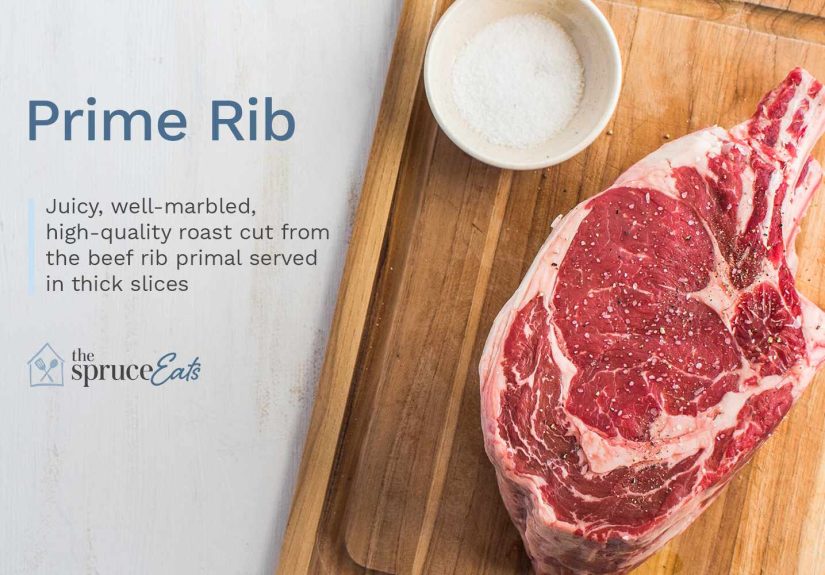
Prime rib is one of those food terms that sounds fancy enough to require a tuxedo, a candlelit dining room, and at least one relative saying, “Wow, somebody got promoted.” But the truth is much simpler and much more delicious. Prime rib is a richly marbled beef roast cut from the rib section of the cow. It is prized for its tenderness, deep beefy flavor, and dramatic presentation, especially when it arrives at the table looking like the main character in a holiday movie.
If you have ever stood at a butcher counter wondering whether prime rib is the same thing as ribeye, whether “prime” means USDA Prime, or whether you need a second mortgage to buy one, you are not alone. Prime rib is one of the most misunderstood cuts in American cooking. It has a glamorous reputation, confusing labels, and enough myths around it to fill a steakhouse menu.
This guide breaks it all down in plain English. We will cover what prime rib actually is, what makes it different from other beef cuts, how it tastes, how to buy it, how it is usually cooked, and why it has become the ultimate special-occasion roast. In other words, by the end of this article, prime rib will no longer be a mystery. It will simply be dinner with excellent PR.
Prime Rib in Plain English
Where Prime Rib Comes From
Prime rib comes from the rib primal section of the cow, which sits between the chuck and the loin. This area produces some of the most tender and flavorful beef because the muscles there do not work as hard as muscles in the shoulder or leg. Less work means more tenderness, and more marbling means more flavor. That is the short version. The tastier version is that this cut is basically where beef keeps its best secrets.
A prime rib roast is often sold bone-in, which is why it is also commonly called a standing rib roast. The bones help the roast “stand” in the pan, and many cooks believe they add flavor and help protect the meat during roasting. Boneless versions are also widely sold and are sometimes labeled ribeye roast or boneless prime rib. Both versions can be excellent, but the bone-in roast usually wins the beauty contest.
Why the Name Causes So Much Confusion
Here is the part that trips people up: the word prime in prime rib does not automatically mean the meat is USDA Prime grade. Yes, that feels rude. A roast can be called prime rib even if it is graded USDA Choice or, in some cases, not labeled with a quality grade at all. In everyday use, “prime rib” usually refers to the cut and style of preparation, not the grade stamp.
That means a butcher shop may sell a roast called prime rib that is incredibly good without it being USDA Prime. Many home cooks buy USDA Choice prime rib and get excellent results because Choice beef still has enough marbling to roast beautifully. USDA Prime typically has more marbling and can be even richer, but it also tends to cost more. Prime rib, in short, is a name, a cut, and a cooking tradition all rolled into one very expensive piece of beef.
Prime Rib vs. Standing Rib Roast vs. Ribeye
Prime Rib and Standing Rib Roast
In most American kitchens, prime rib and standing rib roast are treated as the same thing. Both names describe a roast from the rib section, usually cooked whole and sliced for serving. If the roast is bone-in and roasted in classic fashion, standing rib roast is the more technical label. If it is served as a luxurious carved centerpiece, people often call it prime rib. Same family, same roast, slightly different outfit.
Prime Rib and Ribeye Roast
A ribeye roast is essentially the boneless version of the same general cut. Remove the ribs from a standing rib roast, tie the meat into shape, and you have a ribeye roast. It cooks a bit differently because bones affect structure and heat flow, but the flavor profile is very similar. Boneless roasts are easier to carve, while bone-in roasts tend to feel more traditional and theatrical. The choice depends on whether you prioritize convenience or a little culinary drama.
Prime Rib and Ribeye Steak
A ribeye steak is cut from the same rib section, but instead of roasting the whole piece, the butcher slices it into individual steaks. That is why prime rib and ribeye share many of the same qualities: rich marbling, tenderness, and big beef flavor. The difference is format. Prime rib is the roast. Ribeye is the steak. It is like the difference between a Broadway cast album and the solo single. Same material, different performance.
What Makes Prime Rib So Special?
Marbling Is the Star
The magic of prime rib starts with marbling, the fine streaks of fat woven through the muscle. As the roast cooks, that fat slowly softens and bastes the meat from the inside. The result is a slice of beef that feels juicy, tender, and deeply savory. This is not the lean, straight-laced cousin of the beef world. Prime rib is rich, indulgent, and fully aware of it.
Another reason prime rib stands out is the outer cap, often considered the most flavorful part of the roast. This area contains generous fat and beautiful texture, which means each slice can offer a contrast between the tender center and the more intensely flavored outer layer. A well-roasted prime rib gives you both buttery tenderness and a beefy crust. That balance is why people remember it long after the mashed potatoes have disappeared.
The Flavor and Texture
Prime rib has a fuller, more luxurious flavor than many other roast beef cuts. It is not just tender; it is lush. The texture is soft without feeling mushy when cooked properly, and the flavor is richer than top round or sirloin roast because of the higher fat content. A good slice should taste juicy, meaty, and slightly sweet from the rendered fat and browning on the exterior.
That is also why prime rib is often reserved for holidays, celebrations, and restaurant splurges. It looks impressive, smells incredible, and eats like beef decided to show off. Few roasts can dominate a dinner table the way prime rib can. Turkey might get Thanksgiving, but prime rib walks in like it owns New Year’s Eve.
How to Buy Prime Rib Without Panicking
Understand the Labels
When shopping, you may see labels such as prime rib roast, rib roast, standing rib roast, bone-in ribeye roast, or boneless ribeye roast. These can refer to closely related cuts, so read carefully and ask questions if needed. The most important distinctions are whether the roast is bone-in or boneless and whether it is graded USDA Prime, Choice, or Select.
For most home cooks, USDA Choice is the sweet spot. It offers strong marbling and excellent flavor at a more manageable price than USDA Prime. USDA Prime is often the premium option for special occasions, while Select is leaner and generally less ideal for a roast meant to feel luxurious. If you are buying prime rib for a celebration, this is not the moment to get emotionally attached to the bargain bin.
Bone-In or Boneless?
Bone-in prime rib is traditional, visually striking, and beloved for holiday meals. Many cooks prefer it because the roast looks grand and carves into dramatic slices. Boneless prime rib is easier to season, easier to carve, and easier to fit into some roasting pans. In terms of flavor, both can be excellent if the meat quality is good and the cooking is careful.
If presentation matters, bone-in usually wins. If easy carving matters, boneless gets the trophy. There is no wrong choice, only the choice that best matches your oven, knife confidence, and tolerance for wrestling with bones while guests watch politely.
How Much Prime Rib Per Person?
A general rule is about one pound per person for a bone-in roast and slightly less for boneless, depending on appetites and side dishes. If you are feeding guests who treat prime rib like a spiritual event, buy a little extra. If your table is also loaded with potatoes, salad, rolls, and dessert, you can scale a bit more conservatively.
Prime rib leftovers are rarely a problem, which is another way of saying they are absolutely a gift. Cold slices for sandwiches, breakfast hash, French dip, or steak-and-eggs the next morning are all excellent reasons not to cut your order too close.
How Prime Rib Is Usually Cooked
Roasting Is the Classic Method
Prime rib is traditionally cooked as a roast in the oven. The goal is to create a deeply browned exterior while keeping the center juicy and pink. Some cooks start with high heat to build crust quickly. Others prefer a low-and-slow method for more even doneness. A growing number of serious home cooks love the reverse sear, which slowly roasts the meat first and finishes with a blast of high heat at the end.
There is more than one valid approach, but almost everyone agrees on one thing: use a thermometer. Prime rib is too expensive to cook by vibes alone. A good thermometer tells you when to pull the roast, when to rest it, and when to stop pretending you can judge doneness by “just looking at it.”
Best Doneness for Prime Rib
Most people prefer prime rib somewhere between rare and medium. Medium-rare is especially popular because it preserves tenderness and lets the marbling shine. That said, personal preference matters. End slices tend to cook a bit more than center slices, which is one reason prime rib works so well for groups. Your cousin who loves rare can take the center. Your uncle who fears pink can take an end cut and remain calm.
From a food safety standpoint, official U.S. guidance for whole beef roasts is a minimum internal temperature of 145°F with at least a 3-minute rest. Many culinary recipes discuss pulling the roast earlier for lower final doneness, but safe handling, accurate temperature measurement, and proper resting are essential. Translation: deliciousness is important, but so is not arguing with food safety.
Common Prime Rib Mistakes
Overcooking the Roast
The biggest mistake is overcooking. Prime rib has enough marbling to stay tender, but once it goes too far, the texture loses its luxurious feel. A roast like this deserves attention, not guesswork. Set temperature targets, monitor the thickest part of the meat, and remember that carryover cooking will continue during the rest.
Underseasoning
Prime rib is rich, but it still needs seasoning. Salt, pepper, garlic, and herbs are popular because they enhance rather than bury the natural flavor of the beef. This is not a cut that needs a dozen mystery spices and a life story. It needs enough seasoning to support the meat and enough restraint to let the roast taste like itself.
Slicing Too Soon
Resting matters. If you carve immediately after roasting, the juices that should stay in the meat are more likely to spill out onto the cutting board. Letting the roast rest helps the juices redistribute and makes carving cleaner and slices juicier. Patience is annoying, yes, but prime rib rewards it.
How Prime Rib Is Usually Served
Classic Pairings
Prime rib is often served with au jus, horseradish sauce, Yorkshire pudding, mashed potatoes, roasted vegetables, or a crisp salad to cut through the richness. These pairings work because prime rib is bold, fatty, and savory. It benefits from contrast: something creamy, something sharp, something crisp, and something that can soak up juices without asking too many questions.
At restaurants, prime rib may be sliced to order from a warming cart or carving station. At home, it tends to anchor holiday dinners and celebratory meals. Either way, it creates the same basic reaction: eyes widen, people suddenly become very attentive, and conversations pause long enough for everyone to appreciate what is happening on the plate.
So, What Is Prime Rib Really?
Prime rib is a premium beef roast from the rib section, known for marbling, tenderness, and rich flavor. It is often sold bone-in as a standing rib roast, though boneless versions are common too. It is related to ribeye steak, but it is not the same dining experience. Prime rib is about roasting a larger cut to showcase juicy slices, dramatic presentation, and luxurious texture.
Most of the confusion around prime rib comes from the name. The word “prime” sounds like a grade, but in common use it usually refers to the cut and tradition, not a USDA guarantee. Once you know that, the rest becomes much easier. Buy the best roast your budget allows, understand the label, cook it with a thermometer, season it well, and let it rest before carving.
In the end, prime rib is not mysterious at all. It is simply one of the most beloved ways to serve beef in America: generous, rich, celebratory, and just a little dramatic. Which, to be fair, is exactly what a great roast should be.
Real-World Prime Rib Experiences
Ask ten Americans about prime rib, and at least seven of them will tell you a story before they tell you a definition. That is part of what makes this roast so interesting. Prime rib is not just a cut of beef; it is a dinner-table event. For many people, their first experience with it happens during a holiday meal, a wedding reception, or a restaurant visit that feels a little fancier than usual. It arrives as a thick slice, blush pink in the center, with a browned crust and juices that make mashed potatoes suddenly seem like they trained their whole lives for this exact moment.
One common experience is the surprise factor. People who have only had lean roast beef often expect prime rib to taste similar, just more expensive. Then they take a bite and realize the texture is softer, the flavor is deeper, and the fat is not an afterthought. It is part of the whole experience. Prime rib feels richer and more indulgent because it is. That first bite often creates an immediate understanding of why this roast gets treated like a celebrity every December.
Another real-life prime rib moment happens at the butcher counter. Many home cooks approach the purchase with a mix of excitement and panic. It is a big, beautiful roast, but it is also not cheap, so the pressure feels real. People suddenly become very interested in terms like bone-in, ribeye roast, Choice, Prime, and dry-aged. A good butcher can turn that anxiety into confidence fast. In fact, many memorable prime rib experiences start not in the oven, but with a short conversation that helps the buyer understand exactly what they are bringing home.
Cooking prime rib for the first time is another experience people rarely forget. There is often a lot of hovering near the oven, repeated temperature checks, and at least one dramatic announcement that the thermometer cannot possibly be correct. Then comes the resting period, which feels longer than it is because everyone in the house has already smelled dinner for an hour. When the roast is finally carved, the relief is immediate. If the center is rosy, the crust is browned, and the slices hold their juices, the cook usually receives the kind of praise that gets remembered for years.
Restaurants create their own version of the prime rib experience. In a steakhouse or old-school supper club, prime rib often carries a sense of ritual. It may be carved tableside or presented as the signature special of the night. Diners compare cuts, debate whether medium-rare is the only acceptable answer, and order horseradish with the confidence of people making a serious life choice. Prime rib in that setting feels nostalgic, almost theatrical, and that atmosphere is part of the appeal.
Then there are the leftovers, which deserve more respect than they usually get. Many people say the second-day experience is where prime rib really proves its value. Thin slices tucked into sandwiches, chopped into breakfast hash, folded into omelets, or warmed gently for French dip can make the original roast feel like two meals in one. That is why experienced cooks often buy a little extra. Leftover prime rib is not a problem. It is a reward for planning ahead and a reminder that great beef can have an encore.
Ultimately, real-world prime rib experiences tend to share the same themes: anticipation, a little anxiety, big payoff, and lots of compliments. People remember prime rib because it combines flavor with occasion. It turns dinner into an event, even if the “event” is just a Sunday meal where somebody decided life was too short for boring roast beef. And honestly, that might be the best definition of prime rib there is.