Table of Contents >> Show >> Hide
Miso is one of those ingredients that can make a fridge look like it belongs to someone who has their life together. It sits there quietly in a tub, minding its own fermented business, while secretly being capable of upgrading soups, sauces, marinades, vegetables, noodles, beans, and even dessert. Not bad for a paste that looks, at first glance, like peanut butter took a gap year in Tokyo.
If you have ever tasted a spoonful of miso and thought, “Wow, that is salty,” you were not wrong. But you also were not getting the full picture. Miso is much more than salt. It is savory, funky, nutty, toasty, and deeply complex. It brings that magical umami effect that makes food taste fuller, rounder, and somehow more like itself. In practical terms, that means a little miso can make roasted carrots taste roastier, soup taste soupier, and weeknight pasta taste suspiciously restaurant-worthy.
This guide breaks down what miso is, how it is made, the different types to know, and the best ways to use it at home without turning dinner into an accidental salt lick. If you are miso-curious, welcome. You are in the right place.
What Is Miso?
Miso is a traditional Japanese fermented paste usually made from soybeans, salt, and koji, which is a grain or soybean inoculated with Aspergillus oryzae. Depending on the style, the koji may be grown on rice, barley, or soybeans. That combination is then fermented for anywhere from a relatively short period to many months, and sometimes much longer. The result is a paste with a savory, salty, slightly sweet, deeply layered flavor.
At its simplest, miso is a seasoning. But that undersells it. It is also a flavor base, a secret weapon, and sometimes the culinary equivalent of a good plot twist. It can be mellow and sweet or bold and intense. It can disappear into a broth or stand front and center in a glaze. Once you start cooking with it, you realize miso does not just season food. It changes the mood of the whole dish.
How Is Miso Made?
The basic process starts with cooked soybeans, salt, and koji. Koji is the engine of the operation. It helps break down starches and proteins into smaller compounds, which is one reason miso develops so much character. Fermentation time, ingredient ratios, and the kind of koji used all affect the final flavor, color, texture, and saltiness.
That is why one miso can taste soft and buttery while another tastes robust, earthy, and almost meaty. Shorter fermentation usually leads to a paler, sweeter miso. Longer fermentation generally produces darker miso with a stronger, saltier, more assertive flavor. So yes, miso has range.
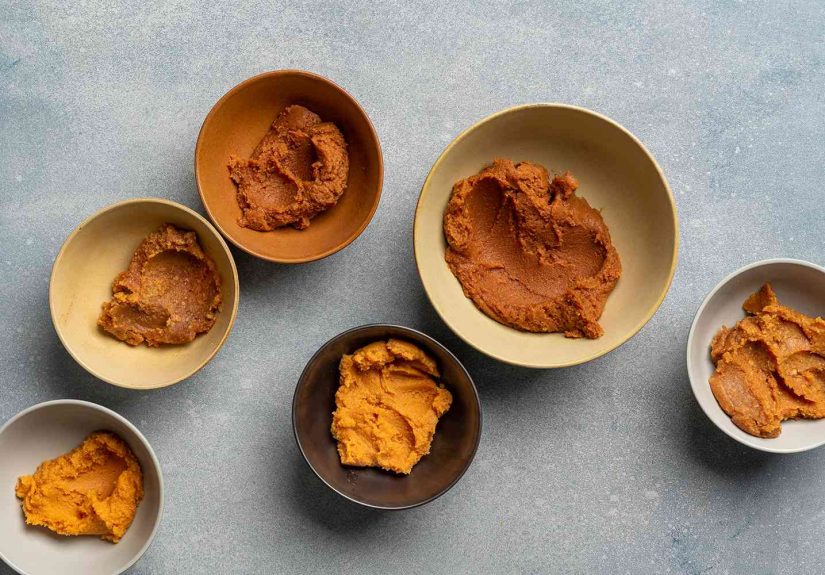
Types of Miso You Should Know
White Miso (Shiro Miso)
White miso is the best gateway miso for beginners. It is usually fermented for a shorter time and often contains more rice koji, which gives it a milder, sweeter profile. It is great in salad dressings, light soups, creamy sauces, dips, and desserts. If red miso is a leather jacket, white miso is a cashmere cardigan.
Yellow Miso (Shinshu Miso)
Yellow miso lands in the middle. It is stronger than white miso but not as intense as red miso. That makes it versatile enough for soups, glazes, noodle broths, grain bowls, and vegetable dishes. If you only want to keep one tub of miso around, yellow or mixed miso is often the most flexible choice.
Red Miso (Aka Miso)
Red miso is aged longer and usually has a bolder, saltier, more powerful flavor. It is the kind of miso that can hold its own in braises, heartier soups, roasted meats, and strong marinades. A little goes a long way. Think of it as the loudest person in the flavor group chat.
Awase Miso
Awase miso is a blend, often combining white and red miso. It gives you balance: some sweetness, some depth, and good all-purpose performance. Many home cooks love it because it is easy to use without much guesswork.
Barley and Soybean Miso
Mugi miso, made with barley koji, tends to have a malty flavor. Mame miso, made mostly from soybeans, is darker and more intense. These specialty types are worth exploring once you get comfortable, especially if you enjoy stronger savory flavors.
What Does Miso Taste Like?
Miso tastes salty, savory, and full of umami, but that is only the headline. Depending on the type, it can also taste sweet, nutty, toasty, earthy, fruity, tangy, or gently funky. Better miso often has a rounded flavor that feels layered rather than harsh.
It is also thick, which matters more than you might think. Miso can add body to sauces and soups, not just flavor. Stirred into butter, broth, yogurt, or tahini, it creates instant complexity. It is like a shortcut that somehow does not feel like cheating.
Is Miso Healthy?
Miso can absolutely fit into a balanced diet. Because it is a fermented soy food, it offers the appeal of fermentation along with some protein and other nutrients in small amounts. But miso is also high in sodium, so moderation matters. It is best treated as a flavor-packed condiment or seasoning rather than something to eat by the bowlful straight from the container, no matter how adventurous your Tuesday becomes.
There are also a couple of practical notes. Since miso is made from soybeans, it may not be suitable for people with soy allergies. And while some misos may be gluten-free, others are made with barley or other ingredients, so it is smart to read the label if gluten matters to you.
How to Buy and Store Miso
You can find miso in many grocery stores, Asian markets, health food stores, and specialty shops. Look in the refrigerated section near tofu, kimchi, or other refrigerated condiments. When possible, choose miso with a short, straightforward ingredient list.
Once opened, store miso in the refrigerator with the lid tightly sealed. It keeps well because it is already fermented and salty. In fact, miso is the kind of ingredient that rewards commitment. Buy one tub, use a tablespoon at a time, and suddenly you are the person who casually says things like, “I added a little miso and it fixed everything.”
Best Ways to Use Miso
This is where things get fun. Miso is not just for miso soup. It is wildly useful across cuisines, which is why so many cooks keep it on standby.
1. Stir It Into Soup
Classic miso soup is the obvious starting point, especially with dashi, tofu, scallions, and seaweed. But miso also works in chicken soup, vegetable soup, bean soup, and noodle broth. For the best texture, whisk it with a little warm liquid first to make a slurry, then stir it into the pot near the end.
2. Whisk It Into Salad Dressing
Miso makes vinaigrettes taste smarter. Blend it with rice vinegar, sesame oil, citrus juice, ginger, or a little honey for a dressing that flatters everything from crunchy cabbage slaw to roasted sweet potatoes.
3. Use It in Marinades and Glazes
Miso is a star with salmon, black cod, chicken thighs, tofu, eggplant, and mushrooms. Mixed with mirin, sake, maple syrup, brown sugar, or a little soy sauce, it creates glossy, savory-sweet glazes that caramelize beautifully.
4. Add It to Butter
Miso butter is one of those combinations that makes you wonder whether all butter has been underachieving. Mash miso into softened butter and use it on corn, roasted carrots, grilled steak, toast, pasta, or baked potatoes.
5. Upgrade Pasta and Noodles
A spoonful of miso in cream sauce, mushroom pasta, ramen broth, or sesame noodles adds depth without requiring an all-day project. White miso is especially good for silky sauces because it boosts savoriness without bulldozing everything else.
6. Boost Beans, Grains, and Vegetables
Stir miso into lentils, white beans, farro, brown rice, or roasted vegetables. It is especially good with mushrooms, cabbage, broccoli, squash, carrots, and eggplant. These ingredients already have savory potential; miso just turns up the volume.
7. Blend It Into Dips and Spreads
Try miso in hummus, yogurt dip, tahini sauce, or mashed avocado. A small amount gives creamy things more backbone, which sounds like therapy language but also applies here.
8. Make Better Breakfasts
Yes, breakfast. Savory oatmeal with miso, scallions, mushrooms, and a jammy egg is excellent. Miso also works in breakfast soup, congee, or even spread lightly on toast with butter.
9. Use It in Sauces for Fish and Meat
Miso pairs especially well with fatty fish and richer cuts because its salinity and umami balance richness. It also plays nicely with ginger, garlic, citrus, chile, and sesame.
10. Sneak It Into Dessert
Miso caramel, miso blondies, miso chocolate chip cookies, and miso ice cream all prove the same point: a little savory contrast can make sweet foods taste more interesting. White miso is usually the best place to start for desserts.
Common Mistakes to Avoid When Cooking With Miso
Adding Too Much Too Fast
Miso is concentrated. Start with a small amount, taste, and build from there. It is easier to add another teaspoon than to rescue a pot of soup that suddenly tastes like the ocean got involved.
Boiling It Aggressively
Many cooks prefer to stir miso in toward the end of cooking. This helps protect its nuanced flavor and keeps it from tasting flat or harsh. It is not that miso will file a complaint if heated, but gentler treatment usually gives better results.
Skipping the Slurry
Miso does not always dissolve smoothly if you drop it straight into liquid. Whisking it first with warm broth or water prevents clumps and gives you a silky result.
Using the Wrong Type for the Job
White miso in a delicate dressing? Great. Red miso in a subtle cucumber dip? Possibly a little dramatic. Matching the strength of the miso to the dish makes a big difference.
Kitchen Experiences: What Home Cooks Often Learn About Miso
The first experience many home cooks have with miso is usually a cautious one. They buy a tub for a single recipe, use one tablespoon, and then place it in the fridge where it sits like a mysterious science project next to the mustard. A week later, they notice it again and wonder, “Can I put this in anything else?” That question is how the real miso journey begins.
One of the most common experiences with miso is surprise. Not because it tastes strange, but because it fits into more dishes than people expect. Someone stirs white miso into a creamy pasta sauce and suddenly the whole dinner tastes richer without tasting obviously “miso-y.” Another person adds a spoonful to vegetable soup and realizes the broth now tastes like it simmered for hours instead of 35 rushed minutes between emails. Miso has a way of making home cooks feel more talented than they were ten minutes earlier.
There is also usually a learning curve with quantity. Most people overshoot at least once. They start with optimism, add a large spoonful of red miso to a small pan of vegetables, and produce a dish that tastes like pure intensity wearing a salt sweater. After that, the lesson sticks: miso is powerful, and it likes a measured hand. The cooks who end up loving it most are often the ones who learn to treat it like an accent, not a floodlight.
Texture is another big aha moment. Home cooks often expect miso to melt like bouillon, but it behaves more like a soft paste that wants a little help. Once they learn the warm-broth trick, everything gets easier. No lumps, no strange pockets of concentrated salt, just smooth, savory goodness. It is a tiny technique with a surprisingly big payoff, and it makes people feel like they now possess a secret handshake.
Then there is the refrigerator effect. After a few successful meals, miso stops being a specialty ingredient and becomes a habit. It gets stirred into bean pots, whisked into salad dressings, rubbed onto salmon, mashed into butter, and folded into sauces on autopilot. People start buying scallions more often. They begin keeping tofu around. They use words like “umami” with a straight face. This is not a warning. It is simply what happens.
Another relatable experience is discovering that miso plays well beyond Japanese cooking. It is excellent in mashed sweet potatoes, roasted Brussels sprouts, grain bowls, and even caramel sauce. That versatility is often what wins people over. Miso does not demand culinary purity. It is perfectly happy to help with a pasta night, a sheet-pan dinner, or a lazy lunch assembled from leftovers.
In the end, the experience of cooking with miso is less about mastering a trendy ingredient and more about developing better flavor instincts. It teaches restraint, balance, and the value of layering savory notes. It also teaches that one humble tub in the refrigerator can save a shocking number of dinners. And honestly, any ingredient that can rescue soup, improve dressing, flatter salmon, and make cookies more interesting deserves a standing ovation.
Final Thoughts
Miso is one of the easiest ways to add complexity to everyday cooking. It is fermented, flavorful, versatile, and surprisingly adaptable once you understand its personality. Start with white or yellow miso if you are new, keep red miso in mind for bolder dishes, and do not be afraid to experiment. Soup is only the beginning.
If there is one takeaway here, it is this: miso is not just an ingredient for special recipes. It is a pantry ally for weeknight cooking. A spoonful can deepen broth, wake up dressing, balance sweetness, and bring an almost unfair amount of flavor to vegetables, noodles, fish, beans, and sauces. In other words, miso is tiny, mighty, and very much worth the fridge space.