Table of Contents >> Show >> Hide
- What Is Imitation Crab, Exactly?
- How Is It Made?
- Imitation Crab vs. Real Crab
- Does Imitation Crab Contain Real Crab?
- How to Buy, Store, and Use It
- Best Ways to Eat Imitation Crab
- Try Our Crab Recipes
- Mistakes to Avoid With Imitation Crab
- What Home Cooks Often Experience With Imitation Crab
- Final Take
If you have ever happily devoured a California roll, demolished a deli seafood salad, or hovered suspiciously close to a platter of crab dip at a party, chances are you have already met imitation crab. It is one of those foods that causes equal parts curiosity and side-eye. Is it crab? Is it fish? Is it a culinary magic trick wearing an orange-striped disguise?
Here is the short answer: imitation crab is not actually crab in the way most people mean crab. It is usually a processed seafood product made from surimi, a paste created from white fish, then flavored, shaped, and colored to resemble crab meat. That may sound a little industrial, but it is also wildly practical. It is affordable, convenient, pre-cooked, easy to slice or shred, and surprisingly useful in everything from chilled salads to warm casseroles.
So before you dramatically clutch your pearls over a “fake crab” scandal, take a breath. Imitation crab has a real place in real kitchens. The trick is knowing what it is, what it is not, and how to use it well. Once you do, it becomes less of a mystery ingredient and more of a weeknight shortcut with sea-scented ambition.
What Is Imitation Crab, Exactly?
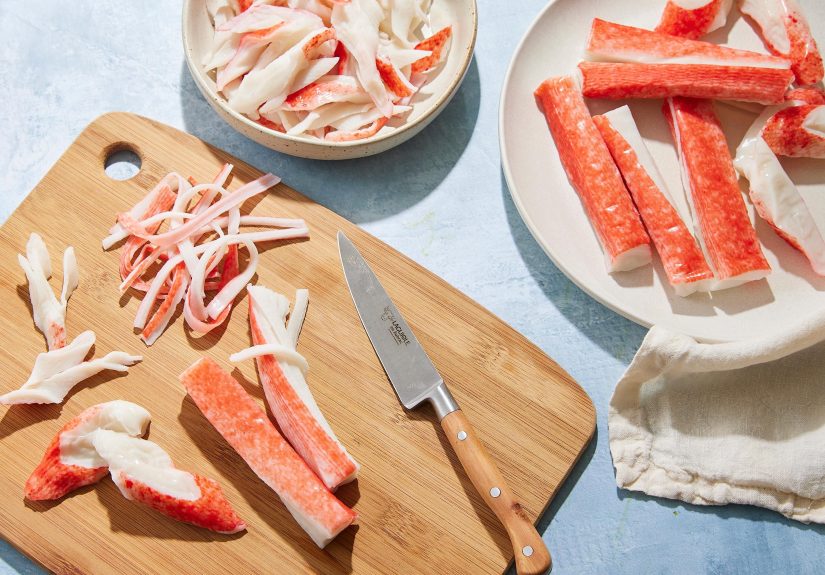
Imitation crab is a seafood product made primarily from surimi, a smooth fish paste often produced from mild white fish such as Alaska pollock. The fish is deboned, minced, washed, blended with ingredients like starch, salt, sugar, and flavorings, then formed into sticks, chunks, or flakes that resemble crab meat.
That signature orange-red outside is not nature showing off. It is added color meant to mimic the look of cooked crab legs. In other words, imitation crab is the food equivalent of wearing a very convincing costume to a party. It knows what it is doing.
You might also see it sold under names like:
- surimi seafood
- crab-flavored seafood
- krab
- seafood sticks
- flake-style or chunk-style seafood
Those labels matter, because imitation crab should be identified as an imitation or surimi-based product rather than passed off as fresh crab. So yes, your package is supposed to tell the truth. The crab cosplay should be disclosed.
How Is It Made?
The process starts with lean white fish. That fish is minced and washed to remove fat, pigments, and strong odors. What remains is a concentrated fish protein base with a mild taste and a texture that can be shaped into something pleasantly chewy. Manufacturers then mix in seasonings, binders, starches, and sometimes a small amount of crab extract for flavor. The mixture is heated and formed into pieces that look a lot like crab leg meat.
This technique is not new. Surimi has roots in Japanese food traditions that go back centuries. Modern imitation crab, though, became popular because it gave shoppers and restaurants a cheaper way to get crab-like flavor and texture without paying full crab prices. It also helped create a seafood option that was easier to store, easier to portion, and ready to use right out of the package.
Imitation Crab vs. Real Crab
Taste and Texture
Imitation crab is sweeter, softer, and more uniform than real crab. Real crab has a naturally briny flavor and delicate flaky texture that is hard to duplicate perfectly. Imitation crab gets impressively close in some dishes, especially ones with sauces, mayo-based dressings, cream cheese, or seasonings. But if you are serving a fancy crab cake to impress your in-laws, real crab still wins the crown.
Nutrition
This is where real crab pulls ahead. In general, imitation crab is lower in protein and some key nutrients than real crab, and it can be higher in carbohydrates because starches and sugars are added during processing. It can also be fairly high in sodium, depending on the brand.
That does not make imitation crab a nutritional villain twirling a tiny mustache. It just means it is best seen as a convenient processed seafood product, not a perfect nutritional stand-in for fresh crab. If your goal is maximum protein and fewer additives, real crab is the stronger pick. If your goal is affordable sushi bowls on a Tuesday night without a second mortgage, imitation crab makes a compelling argument.
Price and Convenience
Imitation crab is almost always easier on the budget. It is also pre-cooked, easy to find, easy to portion, and easy to work into cold or hot recipes. No cracking shells. No hunting for bits of cartilage. No dramatic seafood cleanup scene afterward. For busy cooks, that convenience is half the appeal.
Does Imitation Crab Contain Real Crab?
Usually, imitation crab is mostly fish, not crab. However, some products include crab extract or other shellfish-derived ingredients for flavor. That means people with seafood allergies should never assume it is safe just because the word “imitation” is on the package.
Read the label carefully every time. Many imitation crab products may also contain ingredients such as egg, wheat, or soy. If you are shopping for someone with allergies, this is not the moment to freestyle. The package is your best friend.
How to Buy, Store, and Use It
How to Buy It
You will usually find imitation crab in the refrigerated seafood case or frozen section. It comes in sticks, chunks, flakes, and shredded styles. For salads and bowls, flake-style works beautifully. For snacking or slicing into sushi, sticks are handy. For dips and casseroles, chunks are great because they look a little more substantial.
How to Store It
Keep refrigerated or frozen based on how it was sold. If it is frozen, thaw it in the refrigerator rather than on the counter. Once opened, use it promptly. Since brands vary, follow package directions first. In general, opened imitation crab is not something you want lingering in the fridge while pretending tomorrow will somehow be fresher.
How to Cook It
Technically, you do not have to cook imitation crab because it is already cooked. You can chop it straight into salads, sandwich fillings, and sushi bowls. For hot dishes, add it toward the end so it warms through without drying out or turning rubbery. Gentle heat is your friend. Think “cozy seafood hug,” not “culinary boot camp.”
Best Ways to Eat Imitation Crab
Imitation crab works best in recipes where creamy, tangy, spicy, or savory ingredients help it shine. It is especially good in dishes where you want the idea of crab without the expense of fresh lump crab meat. Some popular uses include:
- seafood salad
- California rolls and sushi bowls
- kani salad
- crab dip
- crab rangoon-inspired appetizers
- crab cakes for casual dinners
- pasta salad
- fried rice and noodle dishes
- bakes and casseroles
In short, imitation crab loves recipes with personality. Give it mayo, citrus, sesame, herbs, Old Bay, cream cheese, or a little heat, and it suddenly starts acting like the life of the potluck.
Try Our Crab Recipes
1) Creamy Imitation Crab Salad
Why it works: This is the easiest gateway recipe. It is cool, crunchy, and ideal for sandwiches, lettuce cups, or crackers.
What you need: shredded imitation crab, diced celery, finely chopped red onion, a spoonful of dill pickle relish, mayonnaise, a little Dijon mustard, lemon juice, black pepper, and chopped chives.
How to make it: Stir everything together until evenly coated, then chill for 20 to 30 minutes. Serve on buttery crackers, toasted buns, or over greens. Add cucumber if you want extra crunch and a more deli-counter-meets-spa-day vibe.
2) California Roll Bowls
Why it works: All the familiar sushi flavors, none of the rolling anxiety.
What you need: cooked sushi rice, imitation crab, mayonnaise, a little sriracha, rice vinegar, cucumber, avocado, shredded carrot, scallions, sesame seeds, and seaweed snacks.
How to make it: Mix the imitation crab with mayo and a touch of sriracha. Layer rice into bowls, top with cucumber, avocado, carrot, and the crab mixture, then finish with sesame seeds and crushed seaweed. It tastes like takeout but requires far fewer tiny containers and zero chopstick confidence.
3) Hot Cheesy Crab Dip
Why it works: Because bubbling seafood dip is one of civilization’s great achievements.
What you need: chopped imitation crab, cream cheese, mayonnaise, shredded mozzarella, grated Parmesan, scallions, lemon zest, a splash of Worcestershire sauce, and Old Bay seasoning.
How to make it: Mix everything in a baking dish and bake until hot and lightly golden on top. Serve with toasted baguette slices, crackers, celery sticks, or tortilla chips. This is a strong move for game day, book club, or any evening when dinner somehow becomes “snacks with ambition.”
4) Weeknight Crab Cakes
Why it works: Not traditional, but absolutely satisfying.
What you need: chopped imitation crab, breadcrumbs, egg, Dijon mustard, minced celery, green onion, lemon juice, parsley, and a little mayo.
How to make it: Combine, shape into patties, chill briefly, then pan-sear until golden. Serve with tartar sauce, remoulade, or plain lemon wedges. These are especially good when you treat them as casual seafood patties rather than expecting full steakhouse crab-cake energy.
5) Kani Salad
Why it works: Cool, creamy, crunchy, and a little addictive.
What you need: shredded imitation crab, cucumber, carrot, Kewpie-style mayo, a tiny drizzle of rice vinegar, sesame seeds, and optional mango or avocado.
How to make it: Toss the vegetables with the dressing, fold in the imitation crab, and finish with sesame seeds. Keep it simple or add a little chili sauce for a sweet-spicy kick. It is fast, refreshing, and suspiciously easy to eat directly from the mixing bowl.
6) Crab Rangoon Toasts
Why it works: All the flavor of crab rangoon without deep frying a single thing.
What you need: softened cream cheese, chopped imitation crab, garlic powder, scallions, a touch of soy sauce, and baguette slices or wonton crisps.
How to make it: Stir together the filling, spread it over toasted baguette slices, and bake briefly until warm. Finish with sweet chili sauce. They disappear fast, so make more than your optimistic heart thinks you need.
Mistakes to Avoid With Imitation Crab
Do Not Overcook It
It is already cooked. Blast it with too much heat and the texture can turn tough. Warm it gently in soups, casseroles, and skillet dishes.
Do Not Assume It Is Allergy-Friendly
It may contain fish, shellfish ingredients, wheat, soy, or egg. Always check labels.
Do Not Expect It to Behave Exactly Like Fresh Crab
Imitation crab is best in mixed dishes, not as the star of a minimalist seafood platter. Use it where its texture and mild sweetness make sense.
Do Not Skip Seasoning
A squeeze of lemon, a pinch of Old Bay, a little sesame oil, fresh herbs, or a dab of hot sauce can take imitation crab from “fine” to “hey, this is actually really good.”
What Home Cooks Often Experience With Imitation Crab
One of the most relatable things about imitation crab is that people usually go through the same emotional journey with it. At first, there is skepticism. Then there is one successful recipe. Then suddenly there is a package in the fridge every other week because it solved dinner twice and made lunch the next day. That is how kitchen relationships begin now, apparently.
For many home cooks, imitation crab becomes the ingredient they keep around for “I want something that feels a little special, but I also do not want to peel, steam, crack, or financially recover from actual crab.” It fills a very real gap between tuna salad and a full seafood feast. It is easy to shred with your fingers, easy to stir into creamy dressings, and easy to pair with ingredients most people already have at home.
Another common experience is discovering that imitation crab really shines in cold dishes. A chilled crab salad with celery, lemon, and mayo tastes surprisingly polished for something that takes only minutes to assemble. The same goes for kani salad and California roll bowls. They feel restaurant-adjacent without requiring any advanced techniques or a lecture from your inner perfectionist.
People also tend to notice how forgiving it is in party food. Add it to dip, rangoon-style appetizers, pinwheels, or toasts, and guests are happy. It has enough seafood flavor to feel festive but not so much that it scares off the person who claims they “do not really do seafood” right before inhaling four servings.
There is also a practical side to the experience. Imitation crab is portion-friendly. You can use half a package for lunch, the rest for dinner, and not feel like you opened a luxury ingredient that now demands immediate planning, a linen napkin, and a backup shell bowl. That convenience matters, especially for busy families, solo cooks, students, or anyone whose meal-prep strategy sometimes boils down to “What can I assemble before I get dramatic and order takeout?”
Of course, there is often a learning curve. Some people overcook it the first time and wonder why it got a little chewy. Others skip seasoning and then decide it tastes bland. But once you figure out the formula, which is usually gentle heat plus bold supporting flavors, imitation crab becomes much more useful. Lemon, mayo, herbs, cream cheese, sesame, scallions, cucumber, chili sauce, and Old Bay all tend to bring out its best side.
Perhaps the most honest experience of all is this: imitation crab does not need to pretend to be premium fresh crab in order to be worth eating. The happiest cooks are usually the ones who stop comparing it to an expensive seafood tower and start treating it like its own ingredient. It is budget-friendly, convenient, and genuinely tasty in the right recipes. That is not a culinary crime. That is just smart cooking with realistic expectations and a decent amount of dip.
Final Take
So, what is imitation crab? It is a surimi-based seafood product made mostly from white fish, designed to mimic the flavor and texture of crab while being more affordable and easier to use. It is not the same as fresh crab, nutritionally or culinarily, but it can still be a delicious ingredient when you know where it belongs.
Use it in salads, sushi bowls, dips, and casual crab-style recipes where convenience matters and supporting flavors can do some of the heavy lifting. Read the label if allergies are a concern, skip overcooking it, and do not underestimate how far a little lemon, mayo, or cream cheese can carry the situation.
In the right dish, imitation crab is not a disappointing substitute. It is a practical shortcut with real charm. And honestly, in a busy kitchen, charm that comes pre-cooked is hard to beat.