Table of Contents >> Show >> Hide
- Chorizo in plain English
- The two chorizos you’ll see most in U.S. stores
- Why Spanish and Mexican chorizo aren’t interchangeable
- What chorizo is made of (and what gives it that red color)
- Spanish chorizo: types you might see
- Mexican chorizo: what to expect when you cook it
- Other “chorizos” you might run into in the U.S.
- How to buy chorizo in the U.S. without getting tricked by packaging
- How to cook chorizo (Spanish vs. Mexican)
- Easy, specific ways to use chorizo
- Chorizo substitutes (when the store is out, or you bought the “wrong” one)
- Storage and food safety basics (because sausage is not a “vibes-only” food)
- So…what is chorizo, really?
- Real-world chorizo experiences (about )
Chorizo is the sausage world’s “choose your own adventure.” Sometimes it’s firm, smoky, and sliceable like a deli hero.
Sometimes it’s loose, spicy, and messy in the best waylike taco night decided to wear a red shirt and live dangerously.
Either way, chorizo is a highly seasoned sausage that shows up across Spanish, Mexican, and many Latin American cuisines.
The catch (and the reason people get bamboozled at the grocery store) is that “chorizo” doesn’t mean one single product.
It’s a whole category.
In the United States, when someone asks “What is chorizo?” they usually mean:
Spanish chorizo (cured/smoked, sliceable) or Mexican chorizo (fresh/raw, meant to be cooked).
They share a name, porky vibes, and a red glow-upbut they behave totally differently in recipes.
Chorizo in plain English
Chorizo is a seasoned sausageoften made with pork and garlicwhose signature flavor usually comes from
paprika (especially in Spanish chorizo) or chiles (especially in Mexican chorizo).
Some chorizos are ready to eat (because they’re cured), and some are raw (because they’re fresh).
So the most important “chorizo skill” isn’t cookingit’s identifying what kind you bought.
The two chorizos you’ll see most in U.S. stores
1) Spanish chorizo: cured, smoky, and sliceable
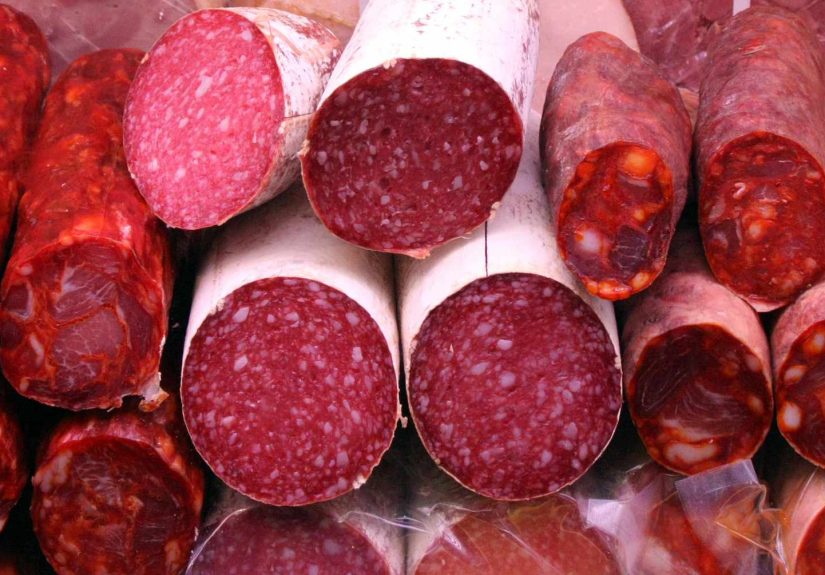
Spanish chorizo is typically a cured (and often smoked) pork sausage seasoned with
pimentónSpanish smoked paprika that gives it that brick-red color and campfire aroma.
Because it’s cured, it’s usually firm enough to slice and is often sold near salami and other cured meats.
Think of Spanish chorizo as the sausage equivalent of a good leather jacket: structured, confident, and instantly makes
everything around it look cooler. You can eat many versions as-is (depending on the label), or cook it gently to release
flavorful fat that turns soups, beans, and rice dishes into “wait…what did you put in this?” territory.
2) Mexican chorizo: fresh, spicy, and meant for the skillet
Mexican chorizo is usually a fresh (raw) sausage made from ground pork (sometimes other meats), mixed with
dried chiles, vinegar, and spices like oregano, cumin, and garlic. It’s typically soft and
crumbly when cooked, and it’s often sold in casings (like links) or in plastic tubes.
If Spanish chorizo is “slice and snack,” Mexican chorizo is “brown and sizzle.” It’s a flavor base, not a garnish.
It can turn scrambled eggs into breakfast royalty, give beans a smoky-spicy backbone, and make queso dip feel like it got a promotion.
Why Spanish and Mexican chorizo aren’t interchangeable
This is the big one. People swap them like they’re the same thing, and then dinner gets weird.
Here’s the simplest way to remember:
- Spanish chorizo = cured/smoked, firm, often sliceable, paprika-forward, can be used like charcuterie or simmered for flavor.
- Mexican chorizo = raw/fresh, soft, usually cooked and crumbled, chile-and-vinegar-forward, used like seasoned ground meat.
If a recipe wants crumbled, browned sausage to coat potatoes or scramble with eggs, Spanish chorizo won’t melt into the dish the same way.
And if a recipe wants neat slices to scatter over paella or tuck into a tapas board, Mexican chorizo will…not cooperate.
(Unless your tapas board is starring “Chaos, a One-Act Play.”)
What chorizo is made of (and what gives it that red color)
Common ingredients
Most chorizo starts with pork (often shoulder) plus fat for richness, then layers in
garlic, salt, and a signature spice blend. From there, the path splits:
- Spanish chorizo often leans on pimentón (smoked paprika), sometimes with wine and herbs.
- Mexican chorizo often leans on dried chiles (and/or chile powder), plus vinegar for tang and color.
That bold red color is not “mystery meat magic.” It’s usually paprika and/or chiles doing what paprika and chiles do:
showing up loudly and refusing to be ignored.
Spanish chorizo: types you might see
Dulce vs. picante
Many Spanish chorizos come in dulce (sweet/mild) or picante (spicy).
“Sweet” doesn’t mean sugaryit means the paprika is mild rather than hot. Both versions are smoky, savory, and pork-forward,
but picante brings a gentle heat that lingers.
Dry-cured vs. semi-cured
Some Spanish chorizo is dry-cured and shelf-stable (unopened), while other versions are more
semi-cured and might need refrigeration. The label is your best friend here.
When in doubt, store it like you would other cured meats: cool, wrapped, and not forgotten behind the mustard.
Mexican chorizo: what to expect when you cook it
It renders fat (and that’s the point)
Mexican chorizo is often fatty by design. When it hits a hot pan, the fat renders out and becomes part of the sauce-like coating
that flavors whatever you cook nextpotatoes, eggs, beans, veggies, rice, you name it.
It cooks like seasoned ground meat
Many cooks remove it from the casing, break it up with a spoon, and cook it until it’s fully browned and no longer pink.
Then they use the chorizo (and a bit of the rendered fat) to build the dish.
If your pan looks like a small oil spill, don’t panicjust spoon off a little extra fat and keep going.
Other “chorizos” you might run into in the U.S.
Once you start looking, “chorizo” shows up everywhere, and not always in Spanish-or-Mexican form:
- Portuguese chouriço: related, often smoked; sometimes cooked in soups and stews.
- Argentinian/Uruguayan-style chorizo: often a grill-friendly sausage served in sandwiches (hello, choripán).
- “Soy chorizo” or plant-based chorizo: crumbles designed to mimic Mexican chorizo’s spicy, saucy vibe.
- Regional Latin American versions: can vary in spice, texture, and whether they’re fresh or cured.
Translation: chorizo is a family name. Always check whether it’s fresh/raw or cured/ready-to-eat.
How to buy chorizo in the U.S. without getting tricked by packaging
Step 1: Decide what your recipe needs
- If the recipe says crumbled, browned, or “cook like ground meat,” you want fresh Mexican chorizo.
- If the recipe says sliced, dice and sauté, or “add to paella/beans for smoky flavor,” you likely want Spanish chorizo.
Step 2: Look at where it’s sold
- Spanish chorizo is often near cured meats (deli/charcuterie area) or specialty cheese sections.
- Mexican chorizo is often near raw sausages, bacon, or in the Latin foods sectionsometimes in tubes.
Step 3: Read two words on the label
Look for cues like “dry-cured,” “smoked,” “ready to eat,” versus “raw,” “fresh,” or
“must be cooked.” Those words matter more than the brand’s dramatic font choice.
How to cook chorizo (Spanish vs. Mexican)
Cooking Mexican chorizo (fresh/raw)
- Heat a skillet over medium heat (no oil needed; chorizo brings its own).
- Remove casing if it’s in links, then add meat to the pan.
- Break it up with a spoon and cook until browned and fully cooked through.
- Decide on fat: spoon off extra if needed, or use a little to sauté onions, potatoes, or beans in the same pan.
- Build your dish: add eggs, fold into beans, stuff into tacos, or stir into rice.
Cooking Spanish chorizo (cured)
- Slice or dice it.
- Sauté briefly to crisp edges and release smoky paprika oil.
- Use as a flavor bomb: add to soups, lentils, beans, greens, or rice. A little goes a long way.
Pro tip: Spanish chorizo’s paprika-tinted oil is basically “instant stew upgrade.”
If you’ve ever wondered why a humble pot of beans tastes like it studied abroad, this is how.
Easy, specific ways to use chorizo
Breakfast
- Chorizo and eggs: brown Mexican chorizo, then scramble eggs into the same pan. Add tortillas. Victory achieved.
- Breakfast hash: sauté potatoes and onions, add crumbled chorizo, finish with a fried egg.
- Breakfast tacos: chorizo + eggs + cheese + salsa, in a warm tortilla. Minimal effort, maximum bragging rights.
Lunch and dinner
- Beans with backbone: simmer pinto or black beans and add browned Mexican chorizo (or sautéed Spanish chorizo) for depth.
- Soup/stew boost: dice Spanish chorizo and cook it with onions and garlic before adding broth and vegetables.
- Paella or rice dishes: Spanish chorizo adds smoky richness (use moderately so it doesn’t bulldoze the other flavors).
- Queso fundido: cook Mexican chorizo, top with melted cheese, and serve with chips or tortillas.
Party food
- Charcuterie board: Spanish chorizo slices + manchego + olives + something pickled to keep things lively.
- Stuffed dates: wrap dates with thin slices of Spanish chorizo and roast until caramelized and ridiculous.
- Chorizo dip: brown Mexican chorizo, stir into creamy dip base, watch it disappear.
Chorizo substitutes (when the store is out, or you bought the “wrong” one)
If you need Mexican chorizo but only have Spanish chorizo
Spanish chorizo won’t crumble like fresh chorizo, but you can still get close in flavor:
- Use ground pork (or hot Italian sausage removed from casing) and season it with chili powder, garlic, oregano, a splash of vinegar, and a pinch of smoked paprika.
- If you must use Spanish chorizo, dice it very small and treat it like a flavoring, not the main protein.
If you need Spanish chorizo but only have Mexican chorizo
Mexican chorizo is wetter and raw, so it won’t replace the “sliceable smoky sausage” role. Try:
- Dry-cured salami with a touch of smoked paprika in the dish, or
- Smoked sausage (like kielbasa) when you need that firm texturethough the flavor profile won’t be identical.
Plant-based options
Many plant-based “chorizo” products are designed to mimic Mexican-style crumbles.
They work well in tacos, bowls, and breakfast scrambles, especially when you add acidity (lime, vinegar, salsa) to brighten flavors.
Storage and food safety basics (because sausage is not a “vibes-only” food)
For fresh Mexican chorizo
- Keep it refrigerated and cook it like other raw ground meat.
- Cook thoroughly: ground meat/sausage is generally considered safe at 160°F when measured with a food thermometer.
- Avoid cross-contamination: separate cutting boards, wash hands, and don’t let raw sausage juices go on a sightseeing tour of your kitchen.
For Spanish (cured) chorizo
- Some dry sausages are shelf-stable unopened; others need refrigeration. Follow the label.
- Once opened, store it like other cured meats: wrapped and refrigerated to keep quality and safety on your side.
If you’re pregnant or high-risk for foodborne illness
Ready-to-eat meats (including deli meats and some fermented/dry sausages) can carry a higher risk for certain people.
If you’re pregnant, older, or immunocompromised, guidance commonly recommends heating deli-style meats until steaming hot (around 165°F).
When in doubt, check current public health guidance and talk to a clinician about your risk level.
So…what is chorizo, really?
Chorizo is a bold, seasoned sausage category with two superstar versions in the U.S.:
Spanish chorizo (cured, smoky, sliceable) and Mexican chorizo (fresh, raw, crumble-and-brown).
If you learn that one distinction, you’ll immediately cook with more confidenceand you’ll stop accidentally making paella taste like taco filling.
(Unless you want to. No judgment. Bold choices built the world.)
Real-world chorizo experiences (about )
If you’ve never cooked chorizo before, your first “experience” is often a little mystery and a little excitementlike adopting a spice-loving puppy.
Many people’s entry point is breakfast: you open a package labeled “chorizo,” toss it in a pan, and suddenly your kitchen smells like garlic,
chiles, and a tiny mariachi band that only plays the hits. Then the practical questions arrive fast:
“Is it supposed to be this soft?” “Why is it so red?” “How do I stop it from turning my eggs orange?”
(Answer: you don’t. You embrace the glow. Your eggs are now wearing chorizo-tinted sunglasses.)
A super common moment happens in the grocery store. You find “chorizo” in the deli sectionfirm, handsome, ready for slicing.
Then you find “chorizo” near the baconsquishy, raw, and packed like it’s headed to a backyard barbecue.
It feels like the same name is playing a prank on you. That’s when the Spanish-vs-Mexican lightbulb clicks:
one is a cured meat you can treat like salami, and the other is a raw sausage you cook like seasoned ground pork.
Once you’ve had that realization, shopping gets way easier, and recipes start making more sense.
In the pan, Mexican chorizo teaches a quick lesson in “flavor economics.” You don’t always need a lot.
A small amount can perfume a whole skillet of potatoes or beans. People often notice the fat rendering out and wonder if they did something wrong.
Usually, they didn’tchorizo is built for that. The next level experience is learning to use the rendered fat intentionally:
sauté onions in it, toast rice in it, or stir it into beans for a rich, spiced base. It’s like discovering your sauce was hiding in plain sight.
Spanish chorizo offers a different kind of joy: the “tiny upgrade” effect. You slice a few coins into a soup, or dice a small handful into a pot of lentils,
and suddenly everything tastes like it had a plan. People often describe that smoky paprika flavor as “warm” and “deep,” the way a good stew should feel in winter.
And if you crisp slices in a pan, you get that snacky, salty crunch that makes you “taste test” one slice, then another,
then realize the “ingredient” is mysteriously disappearing before it reaches the cutting board.
Finally, there’s the social experience: chorizo is a crowd-pleaser because it’s loud in the best way. It plays well with cheese dips at parties,
turns taco night into a victory lap, and makes a simple charcuterie plate feel special. The only real “gotcha” is remembering what kind you’re using.
Once you’re fluentfresh vs. curedyou can treat chorizo as your reliable shortcut to big flavor.
And honestly, every kitchen deserves at least one ingredient that makes ordinary food taste like it’s wearing its fancy shoes.