Table of Contents >> Show >> Hide
- The Simple Definition of a Windowsill
- Where the Windowsill Sits in Window Anatomy
- What a Windowsill Actually Does
- Common Windowsill Materials
- Interior vs. Exterior Windowsills
- Signs Your Windowsill Needs Attention
- How to Clean, Protect, and Style a Windowsill
- Can You Replace or Upgrade a Windowsill?
- Everyday Experiences With Windowsills
- Conclusion
If you have ever set a plant by the window, stacked a few books on that sunny little ledge, or discovered a mysterious line of dead bugs in a corner and thought, “Ah yes, the windowsill,” congratulations: you are using one of the most familiar words in home design. You are also wandering into one of the sneakiest little vocabulary traps in the house.
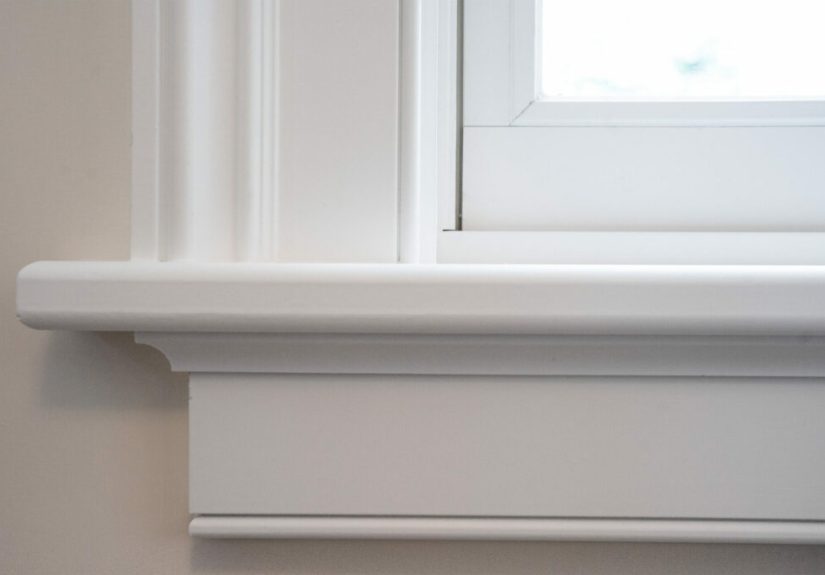
In everyday conversation, a windowsill usually means the flat ledge at the bottom of a window. In construction and window-manufacturer language, however, the term can be more specific. Pros often use sill for the bottom component of the window frame, especially the exterior portion that slopes outward to help move water away. The interior ledge many homeowners call the windowsill is often referred to as the stool, while the trim piece below it is the apron.
So, what is a windowsill? The simplest answer is this: it is the bottom horizontal part associated with a window opening, and depending on who is talking, it may mean the structural bottom of the frame, the finished interior ledge, or both. Either way, it does more than sit there looking charming in golden-hour light. A good windowsill helps manage water, supports the window assembly, improves the finished look of the opening, and sometimes doubles as a display shelf, cat lounge, or unofficial herb garden.
The Simple Definition of a Windowsill
A windowsill is the bottom section of a window area. In casual American English, the word usually describes the horizontal ledge at the base of the window. In building terms, the sill is the bottom member of the frame, often located on the exterior side and shaped to shed water away from the house. That technical distinction matters most when you are buying replacement parts, talking to a contractor, or trying not to sound surprised when someone says, “Actually, that’s the stool.”
If you are writing for homeowners, the smartest approach is to acknowledge both meanings. People search for “windowsill” when they want to know about cleaning, decorating, rot, replacement, plants, and trim. They are usually thinking of the visible ledge. But if they are measuring windows, repairing damage, or learning window anatomy, it helps to understand that the language gets more precise once tools come out.
Windowsill vs. Stool vs. Apron
Here is the no-nonsense version:
Windowsill: common catch-all term for the bottom ledge of a window.
Sill: the bottom part of the window frame, commonly associated with the exterior edge.
Stool: the interior horizontal shelf-like trim piece at the bottom of the window.
Apron: the decorative trim installed directly below the stool.
This is one of those delightful home-improvement moments where everyone uses the same words differently and still expects perfect understanding. It is like ordering “regular coffee” in three different towns and getting three different beverages.
Where the Windowsill Sits in Window Anatomy
To understand a windowsill, it helps to zoom out and see the whole window system. A standard window includes the frame, sash, glass, jambs, casing, and bottom components. The sill is at the base of the frame. On the inside, the stool may project into the room to create that familiar ledge. Below that, the apron helps finish the transition between the window and the wall.
This matters because homeowners often assume the “sill” is just decorative. Sometimes it is partly decorative, but it is also tied to performance. The bottom of the window opening is where water, air leakage, condensation, and wear can become very visible. If the sill area is properly designed and maintained, it helps protect the wall and keep the window working as intended. If not, the sill becomes the place where problems quietly gather until paint bubbles, wood softens, and your house starts handing out expensive surprises.
What a Windowsill Actually Does
1. Helps direct water away from the house
The exterior sill is a practical little hero. It is often sloped so rainwater drains away rather than pooling against the window or seeping into the wall. This is one reason window professionals care so much about proper installation, flashing, caulking, and weep holes. A sill that sheds water correctly helps reduce the risk of rot, leaks, and mold-prone moisture issues.
2. Supports the bottom of the window assembly
The sill is part of the framework that defines the opening and helps the window sit properly. During replacement or new installation, installers measure from the sill, check that it is level, and make sure the opening is sound. If the sill is bowed, rotted, or out of level, the entire window can operate poorly. Suddenly your “simple sticky window” becomes a whole geometry lesson.
3. Adds a layer of protection and comfort
A well-built sill area contributes to weather resistance and energy performance. It helps reduce unwanted air and water intrusion when paired with proper sealing and insulation. It also becomes one of the first places homeowners notice condensation, drafts, and seasonal moisture issues, which is why the sill often serves as an early warning system for bigger window problems.
4. Finishes the look of the room
On the interior, the stool and surrounding trim create a polished, intentional appearance. Without that finished lower edge, a window opening can look incomplete. With it, the window feels framed, grounded, and designed rather than merely inserted. Even simple trim can make a room look more finished, and decorative sills can add character to traditional, farmhouse, cottage, or craftsman-style interiors.
5. Creates a small but useful surface
Not every windowsill is deep enough to hold a jungle of plants and a stack of mystery novels, but many offer a bit of bonus space. In kitchens, windowsills often hold herbs, soap bottles, or a little vase. In living rooms, they might display candles or framed photos. In offices, they become backup real estate for pens, notebooks, or a cup of coffee that is one elbow nudge away from disaster.
Common Windowsill Materials
Windowsills can be made from a wide range of materials, and the best choice depends on the location, the window style, your climate, and how much maintenance you are willing to tolerate.
Wood
Wood is traditional, warm-looking, paintable, and easy to customize. It is common for interior stools and older exterior sills. The downside is that wood can rot if moisture gets into it and stays there. That makes regular inspection, sealing, and repainting important.
Stone or Engineered Stone
Stone windowsills are popular in high-end interiors and some masonry homes. They offer a clean, durable look and stand up well to light daily use. Stone can feel more formal than wood, which is great in some spaces and a little “museum lobby” in others if the rest of the room is casual.
Vinyl, PVC, and Composite Materials
These are prized for low maintenance and moisture resistance. In repair situations, PVC is often used as a replacement material for damaged wood sills because it resists rot. Composite and vinyl options are also common in modern windows, especially where durability and easy upkeep matter more than a classic all-wood look.
Tile or Finished Masonry
In bathrooms, kitchens, stucco homes, and some Southwestern or Mediterranean-inspired designs, tile or masonry sills are common. These materials can be durable and easy to wipe down, though grout lines may need cleaning and upkeep.
Interior vs. Exterior Windowsills
The difference between interior and exterior windowsills is where a lot of confusion begins.
Exterior windowsills are performance-focused. They are meant to help shed water, withstand weather, and support the bottom of the window frame. They usually have a slight slope and need careful flashing and sealing.
Interior windowsills, often technically called stools, are more visible and more likely to be used as a surface. They shape the look of the room and can collect everything from houseplants to dust to the single LEGO brick you thought you had finally escaped.
Both matter. The exterior sill protects the house. The interior sill affects daily living. Ignore either one long enough and it will find a way to become your weekend project.
Signs Your Windowsill Needs Attention
A healthy windowsill should feel solid, look clean, and stay relatively dry except for normal condensation that is quickly wiped away. If you notice recurring issues, the sill may be telling you something.
Watch for these common red flags:
Peeling paint or staining: often a sign of moisture exposure.
Soft or crumbly wood: possible rot, especially on older exterior sills.
Cracks or separation: can let in air and water.
Persistent condensation: may point to indoor humidity, poor airflow, or window performance issues.
Dust, pollen, and grime buildup: common on interior sills and tracks, especially during seasonal changes.
Drafts near the sill: may suggest gaps, old caulk, or failing seals.
In older homes, painted window components deserve extra caution. If the house was built before 1978, disturbing old paint may create lead-related risks, so repairs should be approached carefully and responsibly.
How to Clean, Protect, and Style a Windowsill
Start with cleaning
Interior windowsills collect dust with an almost professional level of dedication. Add pollen, pet hair, cooking residue, and the occasional bug graveyard, and you have a cleaning zone that deserves more attention than it usually gets. Vacuum loose debris first, especially in corners and tracks. Then wipe the sill with a damp cloth and a mild cleaner suited to the material.
If condensation is common, dry the area thoroughly and keep an eye on humidity levels. Good airflow, sensible humidity control, and allowing air to move around window treatments can help reduce moisture buildup.
Protect the surface
Do not let water sit under planters, vases, or soap bottles. Use trays, feet, or coasters to protect painted wood and finished trim. Re-caulk gaps as needed. Repaint or reseal wood when the finish begins to fail. The goal is simple: do not let “cute windowsill decor” turn into “why is this wood squishy?”
Decorate with some common sense
Windowsills can be beautiful styling spots, but the best decor choices respect light, heat, and moisture. Sun-loving plants, small ceramics, slim books, or a tidy candle arrangement often work well. Avoid overloading the sill with objects that block airflow, trap condensation, or fade easily in direct sun. A styled sill should look intentional, not like a tiny garage sale.
Can You Replace or Upgrade a Windowsill?
Yes, and sometimes you absolutely should. If the sill is rotten, severely cracked, or no longer protecting the opening, replacement is a smart move. Minor wood damage can sometimes be repaired with epoxy, filler, sanding, and paint. More advanced deterioration may require cutting out the old sill and installing a new one.
Homeowners also upgrade windowsills for aesthetic reasons. A basic builder-grade stool can be swapped for a deeper or more decorative profile to add character and extra shelf space. In kitchens and reading nooks, that small change can make the area feel far more custom.
Still, if moisture is causing the damage, replacing the sill alone is not enough. You have to fix the reason the damage happened. Otherwise, the new sill simply becomes the next victim in line.
Everyday Experiences With Windowsills
Ask people what a windowsill is, and they will probably give you a definition. Ask people what a windowsill does, and suddenly you get stories. The windowsill is where daily life quietly piles up. It is the place where someone sets a basil plant with high hopes in May, then realizes in July that basil apparently prefers attention, sunlight, and emotional support. It is the ledge where a cat claims ownership of the morning sun before any human gets near it. It is also the first place many people notice that something is off in a room: a draft on a cold day, a bead of moisture after a shower, a patch of peeling paint that says, “Hello, I have been trying to warn you.”
In older homes, windowsills often become a lesson in patience. You start by thinking you are just going to repaint a little trim. Then you poke a suspicious spot and the wood answers back by crumbling. Suddenly you are learning about caulk lines, rot repair, replacement materials, and how many tools can fit into one Saturday. It is humbling, but it is also strangely satisfying. Few home projects are as dramatic as taking a tired sill from flaky and stained to crisp, clean, and solid again.
In newer homes, the windowsill experience is usually less dramatic but no less real. It becomes a tiny stage for everyday habits. People line up succulents there because the light is good. Children turn it into a display shelf for rocks, shells, and art projects made with heroic amounts of glue. In a kitchen, the sill may hold a sponge, a candle, a little ivy, and three random items that clearly do not belong there but have developed squatter’s rights.
There is also the seasonal side of windowsill life. In spring, the sill collects pollen. In summer, it hosts herbs and bright light. In fall, it becomes part of the cozy mood with candles, mini pumpkins, or a vase of branches. In winter, it may become the first cold spot you notice when temperatures drop. That seasonal shift is part of what makes windowsills so familiar. They are not static architectural details; they are little interfaces between the indoors and outdoors.
And then there is the emotional side, which sounds dramatic until you think about it for five seconds. Some of the quietest moments at home happen by a window. Reading near the sill during a storm. Watering a plant at sunrise. Watching a dog stare out the front window like it has a deeply important neighborhood security job. The windowsill is rarely the star of the room, but it is often present for the parts people remember. That is probably why the term sticks so strongly in everyday language. Even when the technical name might be stool, most people keep saying windowsill because that word belongs to real life. It is the word attached to habits, light, weather, and memory. Not bad for one horizontal piece of a window.
Conclusion
So, what is a windowsill? It is the bottom ledge or lower frame area of a window, and it plays both a practical and visual role. In casual speech, it usually means the interior ledge. In technical window language, the true sill often refers to the bottom frame component on the exterior, while the interior ledge is the stool. Either way, this small feature matters more than most people realize.
A windowsill helps manage water, supports the window opening, contributes to comfort and energy performance, and gives the room a finished look. It can also serve as a display shelf, a plant perch, a reading-nook detail, or the place where you finally notice your window needs maintenance. In other words, the windowsill is not just trim. It is a hardworking little border between your home and the outside world, and it deserves a lot more credit than it usually gets.