Table of Contents >> Show >> Hide
- Fiscal Year vs. Calendar Year: Same Length, Different Finish Line
- Who Uses Fiscal Years (and Why You’ve Heard “FY” Everywhere)
- How a Fiscal Year Is Structured
- The U.S. Federal Fiscal Year: October 1 to September 30
- Fiscal Year vs. Tax Year: Same Concept, Different Paperwork Stress
- Why Companies Choose a Fiscal Year That Isn’t January–December
- Real Examples: Fiscal Years in the Wild (Not in a Spreadsheet Zoo)
- How to Find a Company’s Fiscal Year (Fast)
- Why Fiscal Years Matter (Even If You Don’t Work in Finance)
- Common Questions About Fiscal Years
- Real-World Experiences: How “Fiscal Year” Shows Up in Everyday Life (About )
- Conclusion
A fiscal year is a 12-month “official scoreboard” used to track moneyhow much came in, how much went out, and whether the whole operation is thriving or quietly
setting cash on fire. Unlike the calendar year (January 1 to December 31), a fiscal year can start and end in a way that matches how an organization actually
works. For some businesses, December 31 is the perfect finish line. For othersespecially seasonal industriesit’s the worst possible time to stop and count.
The big idea is simple: you pick a consistent 12-month period, then you measure performance in that period every year. That consistency helps with budgeting,
taxes, audits, investor reporting, and comparisons over time. And yes, it also makes it easier for everyone to argue about numbers with confidence.
Fiscal Year vs. Calendar Year: Same Length, Different Finish Line
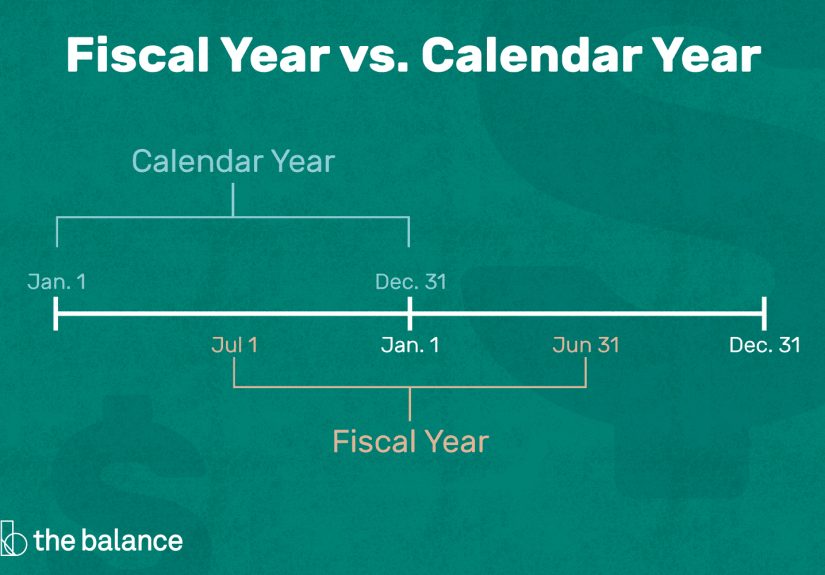
A calendar year is always January through December. A fiscal year is also typically 12 consecutive months, but it can end in any monthand for tax purposes, the
IRS generally defines a “fiscal year” as 12 consecutive months ending on the last day of any month except December. (December 31 is reserved for calendar-year
filers.) Some organizations also use a 52–53-week year, which is still “about a year,” but measured by weeks instead of month-end dates.
Think of it like choosing when to weigh yourself. If you weigh in right after a holiday meal, the results are… emotionally challenging. If you pick a consistent,
sensible time (say, every Friday morning), you’ll get a clearer trend. A fiscal year is that sensible, consistent weigh-in for finances.
Who Uses Fiscal Years (and Why You’ve Heard “FY” Everywhere)
Businesses
Companies use fiscal years to run financial statements, set performance targets, and report results. Public companies file annual reports that clearly state the
fiscal year they’re covering (for example, “For the Fiscal Year Ended…”). That matters because investors compare annual results, and “annual” only makes sense if
you know which 12 months are included.
Government
The U.S. federal government uses a fiscal year that runs from October 1 through September 30. That schedule supports the federal budgeting process and the way
Congress appropriates funds. Government fiscal years are labeled by the calendar year in which they endso “FY 2026” ends in 2026, even though it begins in 2025.
Nonprofits, schools, and organizations with grant cycles
Many nonprofits and educational institutions align fiscal years with funding cycles, academic calendars, or program seasons. If your year revolves around grants,
donor campaigns, or school terms, a January-to-December timeline can be awkward.
How a Fiscal Year Is Structured
The “regular” 12-month fiscal year
Most fiscal years are 12 consecutive months. For tax purposes, the IRS generally describes a fiscal year as 12 consecutive months ending on the last day of any
month except December. That means a business might run a fiscal year from July 1 to June 30, or from February 1 to January 31, and so on.
The 52–53-week fiscal year
Some organizations use a 52–53-week year that ends on the same day of the week each year (for example, “the last Saturday of September” or “the Sunday closest
to September 30”). This can be especially helpful for retailers and hospitality brands because it keeps weekly sales patterns comparable year over yearno weirdness
from “this year the holiday weekend falls in a different reporting week.”
The IRS also recognizes 52–53-week tax years and notes they don’t have to end on the last day of a month. In other words, your fiscal year can be calendar-friendly
without being month-end-obsessed.
The U.S. Federal Fiscal Year: October 1 to September 30
In the United States, the federal government’s fiscal year begins on October 1 and ends on September 30. Each fiscal year is identified by the calendar year in
which it ends. So:
- FY 2026 runs from October 1, 2025 to September 30, 2026.
- FY 2025 ran from October 1, 2024 to September 30, 2025.
This matters if you follow government budgets, agency funding, or “fiscal year” headlines. When you hear that Congress is negotiating before “the fiscal year ends,”
they’re talking about that September 30 deadlinenot New Year’s Eve.
Fiscal Year vs. Tax Year: Same Concept, Different Paperwork Stress
In everyday speech, “fiscal year” often means “the year used for financial reporting.” In IRS language, you’ll also hear “tax year,” which is the annual accounting
period used to report income and expenses on a tax return. A tax year can be a calendar year or a fiscal year (including a 52–53-week year).
For individuals, the default is usually the calendar year. For businesses, it depends: some use the calendar year; others choose a fiscal year that matches their
operations. The key is consistencyonce you adopt an accounting period, changing it may require specific steps or approval, depending on your situation.
Why Companies Choose a Fiscal Year That Isn’t January–December
1) To match the business cycle
If your busiest season is November–December, ending your year on December 31 can be messy. You’re closing the books while returns are rolling in, inventories are
shifting, and everyone is living on peppermint mochas and panic. Many retailers end their fiscal year after the holiday season so the full cyclesales, returns,
and post-holiday slowdownslands in one reporting year.
2) To make audits and accounting smoother
Some companies choose a year-end during a quieter operational period so finance teams can close the books with fewer last-minute changes and fewer “we found a
warehouse full of surprise expenses” moments.
3) To improve comparability
If your revenue swings with weather, school schedules, or major annual events, a fiscal year can keep apples-to-apples comparisons more meaningful.
(And yes, that pun is unavoidable in finance writing.)
4) To align with a parent company or industry norms
Subsidiaries may align fiscal years with parent companies for consolidated reporting. Some industries also gravitate toward similar year-ends for benchmarking.
Real Examples: Fiscal Years in the Wild (Not in a Spreadsheet Zoo)
Here are examples of how major U.S.-listed companies define their fiscal yearsstraight from their public filings and annual reports:
- Apple: Uses a 52- or 53-week fiscal year that ends on the last Saturday of September. For example, Apple’s fiscal year 2025 ended on
September 27, 2025. - Microsoft: Reports on a fiscal year that ends on June 30 (e.g., “For the Fiscal Year Ended June 30, 2025”).
- Walmart: Uses a fiscal year ending January 31 (e.g., “For the Fiscal Year Ended January 31, 2025”).
- Nike: Uses fiscal years ending May 31 (e.g., fiscal years ended May 31, 2025 and May 31, 2024).
- Starbucks: States its fiscal year ends on the Sunday closest to September 30 (and notes whether the year had 52 weeks).
Notice the pattern: there’s no single “best” fiscal year. There’s only “best for your reality,” and “best for your accountant’s blood pressure.”
How to Find a Company’s Fiscal Year (Fast)
Check the annual report or Form 10-K
Public companies in the U.S. file an annual report on Form 10-K with the SEC. The cover page and header typically spell out the fiscal year end in plain English.
The SEC also provides guidance for investors on what a 10-K contains and how to read it.
Look at quarterly reports and earnings releases
Earnings press releases often say things like “fiscal Q4” or “for the quarter ended…” Once you see the year-end date, you can map quarters from there.
Why Fiscal Years Matter (Even If You Don’t Work in Finance)
Fiscal years affect more than corporate jargon. They influence when budgets reset, when bonuses are calculated, when performance goals are evaluated, and how results
are compared.
- Budgeting: Many organizations build budgets by fiscal year, then break them into quarters and months.
- Planning: Product launches, hiring plans, and marketing calendars often follow the fiscal year.
- Comparisons: Investors and analysts compare “FY vs. FY,” not “whatever twelve months feels convenient today.”
- Taxes and compliance: Your accounting period can influence deadlines and reporting requirements.
Common Questions About Fiscal Years
Is a fiscal year always 12 months?
Usually, yeseither 12 consecutive months or a 52–53-week structure. There can be exceptions during transitions if an organization changes year-end, but the goal
is still to maintain a consistent annual reporting cycle.
What does “FY 2026” mean?
It generally means “the fiscal year that ends in 2026.” For the U.S. federal government, FY 2026 runs from October 1, 2025 through September 30, 2026.
For a company, FY 2026 depends on that company’s chosen year-end.
Can a business change its fiscal year?
Businesses can change the fiscal year they use for internal reporting, but changing a tax year can be more formal and may require following IRS rules and procedures.
Public companies also need to disclose changes clearly so investors can compare performance fairly.
Real-World Experiences: How “Fiscal Year” Shows Up in Everyday Life (About )
If you’ve never sat through a budget meeting, you might assume “fiscal year” is just a fancy way to say “year.” Then one day you hear someone say, “We’re out of
FY budget but we can expense it next FY,” and suddenly you’re living in a parallel universe where January isn’t the start of anything important.
One of the most common real-life experiences is discovering that a business year doesn’t match your personal year. Imagine you run a small shop that makes most of
its revenue in November and December. If your year ends on December 31, your financial “final exam” happens while you’re still cleaning up holiday chaosinventory
counts, returns, last-minute vendor invoices, and employees begging for schedules that don’t involve teleportation. Switching to a fiscal year that ends in January
or February can feel like finally taking the exam after you’ve actually finished the class.
Another experience: comparing results gets dramatically easier once you understand the fiscal year. Investors new to reading earnings releases often mix up “Q1” and
assume it means January to March. Then they look at a company like Microsoft (fiscal year ends June 30) and realize “Q1” could start in July. That moment usually
triggers two reactions: (1) mild confusion, and (2) a strong desire for coffee.
Nonprofits and schools have their own fiscal-year adventures. If your organization relies on grants, your planning rhythm might be driven by funding cycles rather
than holidays. A fiscal year aligned to the grant calendar makes it easier to show donors and boards what was accomplished “this year” without splitting one major
program across two reporting periods. You also avoid the awkward story where you funded the program in December but report the outcomes in August and everyone
forgets what the money was for.
Even as an employee, you’ve probably felt the fiscal year without realizing it. Performance reviews and bonus structures often track a company’s fiscal year.
That’s why some workplaces get very intense around “end of Q4,” even if it’s not December. Goals get pushed over the finish line, budgets get used before they
expire (“Buy the laptops now or lose the budget!”), and finance teams become the keepers of sacred phrases like “accrual,” “cutoff,” and “please stop emailing me.”
The best practical takeaway from all these experiences is this: whenever you hear “fiscal year,” ask one quick questionwhich 12 months are we talking about?
Once you know the start and end dates, everything else (quarters, budgets, comparisons, deadlines) becomes a lot more logicaland a lot less like interpretive dance.
Conclusion
A fiscal year is simply a consistent 12-month reporting periodand the “right” one is the one that best matches the realities of operations, budgeting, and reporting.
Whether you’re tracking a household side hustle, running a nonprofit, analyzing a public company, or following the federal budget, knowing the fiscal year dates is
the key to understanding what the numbers actually mean.