Table of Contents >> Show >> Hide
- The Short Answer: There Is No Single Trustworthy “Look”
- What MDMA Actually Is
- Why the Name “Molly” Confuses People
- How MDMA Affects the Brain and Body
- Why Appearance Is a Bad Safety Test
- Why Mixing and Unknown Ingredients Raise the Risk
- Illicit Molly vs. Clinical MDMA Research
- Warning Signs That Need Immediate Help
- Experiences People Commonly Describe Around “Molly” and MDMA
- Final Thoughts
Note: This article is intentionally safety-focused. It explains MDMA in clear, practical language without providing appearance-based details that could help identify or obtain an illegal drug.
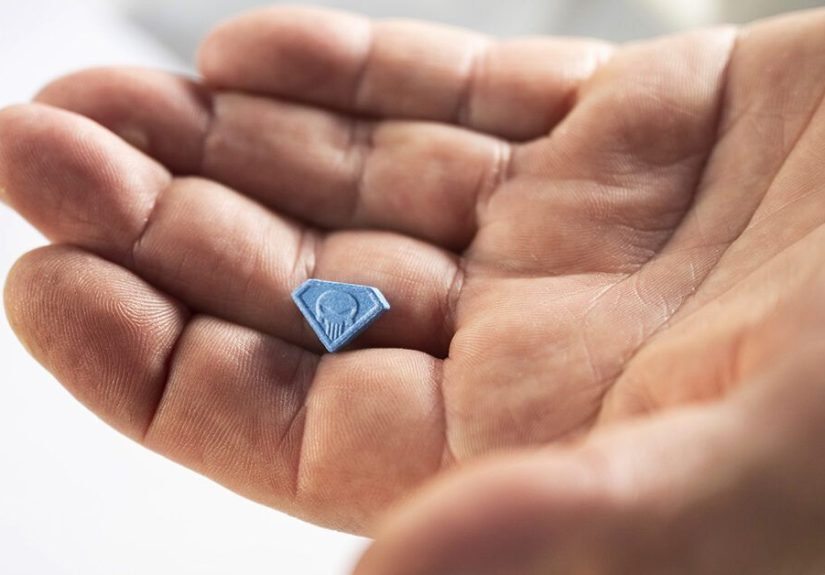
If you came here hoping for a neat little answer like, “Molly is always this color, this shape, and this vibe,” I regret to inform you that illegal drugs do not respect neat little answers. The honest truth is that there is no single, reliable “look” for Molly. That is exactly why understanding MDMA matters more than trying to recognize it by sight.
“Molly” is a street name commonly used for MDMA, short for 3,4-methylenedioxymethamphetamine. Some people use the term as if it means a purer form of the drug, while “ecstasy” is treated like the pressed-tablet cousin. In real life, the lines are messy. Products sold under either name may vary widely, and appearance alone cannot tell you what is actually inside. That gap between what people think they are seeing and what is really present is where a lot of the danger begins.
This article takes a straight, practical approach. We will cover what MDMA is, why “Molly” is often misunderstood, how it affects the brain and body, why appearance is a terrible safety test, and how real-world experiences around the drug can go sideways fast. No fear-mongering, no fake drama, and no “cool guide” nonsense. Just the facts, with enough context to make them useful.
The Short Answer: There Is No Single Trustworthy “Look”
When people ask what Molly looks like, they are usually asking one of two things. First, they may literally mean the physical form. Second, they may be asking how to tell whether something is really MDMA. The second question is the more important one, and it has a blunt answer: you cannot confirm identity, strength, or purity by appearance.
That matters because illegal MDMA products are not standardized. They are not manufactured under quality-controlled conditions, they are not packaged with reliable ingredient labels, and they are not sold with an instruction manual that says, “Good evening, valued customer, here is your scientifically verified chemistry.” A substance sold as Molly may contain MDMA, another stimulant, a hallucinogenic compound, a sedative, or a mixture of substances that create unpredictable effects.
So, if the question is “What does Molly look like?” the safest and most accurate answer is this: it can vary, and visual appearance is not a trustworthy way to judge what it is or how dangerous it may be.
What MDMA Actually Is
MDMA is a synthetic psychoactive drug with stimulant and psychedelic-like properties. It changes mood, perception, energy, and social feelings. People often associate it with increased emotional warmth, a stronger sense of connection, heightened sensory awareness, and a burst of energy. That reputation is a big part of why the drug has been popular in club, festival, and party settings for years.
But the “feel-good” reputation leaves out a lot. MDMA also puts stress on the body. It can raise body temperature, speed up heart rate, affect blood pressure, interfere with sleep, and change the way the brain handles important chemicals such as serotonin, dopamine, and norepinephrine. In simple terms, it may temporarily make someone feel more open, alert, or euphoric while also pushing the body in risky directions behind the scenes.
This is one reason MDMA can be especially dangerous in crowded, hot, high-energy environments. Add dancing, dehydration, alcohol, poor ventilation, or other drugs, and the margin for error gets much smaller.
Why the Name “Molly” Confuses People
The word “Molly” has a marketing problem dressed up as a nickname. Over time, it has been used to suggest something cleaner, purer, or more trustworthy than “ecstasy.” That idea has been repeated so often that some people treat it like a fact. It is not.
A product sold as Molly is not guaranteed to be pure MDMA. In fact, one of the biggest public-health concerns around illicit drug use is that street names create a false sense of confidence. Someone hears “Molly” and imagines a specific, known substance. What they actually have may be something else entirely, or it may contain multiple substances in unpredictable amounts.
That gap between label and reality is what makes the “What does Molly look like?” question a little tricky. The more useful question is, “Why do people trust appearance and slang names when neither one proves anything?” The answer is usually a mix of optimism, social pressure, misinformation, and the very human tendency to believe what is convenient in the moment.
How MDMA Affects the Brain and Body
The Brain Chemistry Part
MDMA increases the activity of several neurotransmitters, especially serotonin. Serotonin helps regulate mood, sleep, appetite, and temperature. When MDMA floods these systems, people may feel emotionally lifted, socially connected, or unusually affectionate. That is part of the reason the drug is often described in warm, glowing terms.
The catch is that the brain does not enjoy being thrown into chemical chaos just because the playlist is excellent. After the immediate effects wear off, people may feel drained, anxious, irritable, depressed, or mentally foggy. Some describe it as an emotional hangover. Others feel fine at first and then experience a delayed crash that makes the next day feel like their brain forgot where it parked itself.
The Physical Effects Part
On the physical side, MDMA can cause sweating, jaw clenching, nausea, blurred vision, chills, muscle tension, and a racing heart. It can also interfere with the body’s ability to regulate temperature. In the wrong environment, that can become dangerous quickly.
Heat-related illness is one of the most serious concerns. When someone is physically active, in a hot space, and under the influence of a stimulant-like drug, the body can overheat. Severe overheating may damage organs and become a medical emergency. Drinking excessive amounts of water without balance can also be dangerous, because it may contribute to low sodium levels in some cases. In other words, both too little fluid and the wrong kind of response to overheating can create problems.
MDMA can also be risky for people with underlying heart conditions, blood pressure issues, or mental health concerns. Even in otherwise healthy people, it may trigger panic, confusion, agitation, or dangerous changes in heart rhythm and body temperature.
Why Appearance Is a Bad Safety Test
Humans love shortcuts. We want to believe that dangerous things come with obvious warning labels. Rotten milk smells bad. A scam email says “Dear Winner.” A tiger, ideally, is not hiding in your laundry room. But illicit drugs do not reliably announce themselves that way.
Something sold as Molly may be marketed with confidence, passed along by a friend, or described as “the good stuff.” None of that proves anything. Visual appearance does not tell you whether a product contains MDMA, another stimulant, or additional substances that raise the risk of poisoning or overdose. The same goes for rumors about a “trusted source.” A trusted source is still operating in an unregulated market.
That is why experts consistently warn against treating appearance as evidence. The danger is not only the drug itself, but the illusion of certainty. People get into trouble when they think they know more than they actually do.
Why Mixing and Unknown Ingredients Raise the Risk
One of the biggest myths around MDMA is that the main concern is simply “taking too much MDMA.” In reality, one of the major risks is not knowing what a person actually took in the first place. Products sold under familiar street names may contain other stimulants, hallucinogens, or substances that dramatically change the risk profile.
Mixing MDMA with alcohol can make dehydration, overheating, poor judgment, and medical complications more likely. Combining it with other stimulants may further stress the heart and nervous system. Combining it with certain medications, especially those that affect serotonin, can increase the risk of serious reactions. And because the illicit drug supply has become less predictable, people may also face the added danger of contamination with substances they never intended to take.
This unpredictability is the exact opposite of safety. It turns every assumption into a gamble, and the body is usually the one forced to pay the bill.
Illicit Molly vs. Clinical MDMA Research
Another source of confusion is the growing public conversation about MDMA in research settings, especially in relation to psychotherapy studies. Some readers see headlines about clinical research and assume that street Molly is basically the same thing. It is not.
Clinical research uses controlled protocols, screened participants, defined doses, medical oversight, and carefully monitored settings. Illicit drug use offers none of that structure. Saying “MDMA is being studied in therapy” is not the same as saying “anything sold as Molly is safe.” That leap is like hearing that anesthesia is used in hospitals and concluding that borrowing random chemicals from a stranger at a concert is a wellness practice. It is not the same universe.
The therapeutic conversation is about tightly controlled research. The street-level reality is about uncertainty, contamination, and medical risk. Those are two very different stories, even if the same letters appear in both.
Warning Signs That Need Immediate Help
If someone may have taken MDMA or an unknown substance and is showing severe symptoms, treat it as a medical emergency. Warning signs include confusion, collapse, seizures, very high body temperature, chest pain, trouble breathing, blue lips, extreme agitation, or not waking up normally. Getting emergency help fast matters.
If the substance is unknown, that uncertainty is itself a reason to take the situation seriously. It is also wise to contact Poison Control in the United States for guidance with a possible poisoning emergency. And for someone dealing with ongoing substance use concerns, treatment and referral resources are available through national services in the U.S.
Experiences People Commonly Describe Around “Molly” and MDMA
To make this topic more concrete, it helps to look at the kinds of experiences people often report. These are composite examples based on common patterns discussed by clinicians, educators, and public-health professionals. They are not meant to glamorize the drug. They are meant to show how quickly assumptions can unravel.
One common story starts with confidence. A college student goes to a party, hears that someone has Molly, and assumes that means a predictable, familiar experience. At first, the person feels energized, talkative, and unusually connected to everyone in the room. Music sounds amazing. Conversations feel profound. The whole night seems dipped in emotional highlighter. Then the scene shifts. The room gets hotter, the person feels dizzy and overstimulated, and anxiety starts creeping in. Instead of feeling socially brilliant, they feel trapped inside a body that is overheating and a brain that is moving too fast.
Another frequent pattern is the “next-day surprise.” Someone expects a short-lived party effect and is unprepared for the aftermath. The following day may bring exhaustion, low mood, irritability, poor concentration, or a strange emotional flatness. People sometimes describe feeling “empty,” like the night took all the color with it. That crash can be confusing, especially for someone who believed the drug was mild, pure, or somehow easier on the body than other substances.
There are also stories shaped by misinformation. A young adult hears that Molly is safer than ecstasy because it is “more pure.” That assumption lowers their guard before they have any evidence about what the substance actually contains. Later, when the experience feels harsher, more chaotic, or more physically intense than expected, they realize too late that the label gave them confidence without giving them facts.
Some experiences are frightening from the start. A person may develop panic, racing thoughts, or a strong sense that something is wrong. They may not be able to cool down, may feel their heart pounding, or may become confused enough that friends do not know whether this is “normal” or dangerous. In those moments, the biggest risk is often delay. People waste valuable time trying to decide whether the situation is serious, when the better move is to treat severe symptoms as urgent.
Friends and family members often tell a different version of the same story. They are the ones who notice the person acting strangely, not responding normally, or looking physically distressed. They may later say the scariest part was not knowing what had actually been taken. That uncertainty makes everything harder: harder to judge, harder to explain, and harder to respond to with confidence.
There is also a quieter kind of experience that does not get enough attention: the emotional confusion that follows. Some people feel embarrassed, unsettled, or shaken after a bad episode. They may downplay what happened because they do not want to look reckless. Others struggle with anxiety for days afterward. In that sense, the experience is not just about one night. It can linger as fear, shame, conflict, or a dawning realization that a slang name and a visual guess are a very flimsy basis for trusting a powerful substance.
If there is one theme running through all of these experiences, it is this: uncertainty changes everything. When people do not know what they are dealing with, they may mistake danger for a normal drug effect, mistake a crash for a minor inconvenience, or mistake a medical emergency for “just having a weird time.” That is why understanding MDMA matters more than trying to identify it by sight.
Final Thoughts
So, what does Molly look like? The most responsible answer is that illicit MDMA has no single reliable appearance, and appearance is not a trustworthy safety test. That may feel less satisfying than a tidy visual description, but it is the truth people actually need.
If you are trying to understand MDMA, the key facts are these: it is a synthetic psychoactive drug that can affect mood, perception, energy, and body temperature; products sold as Molly may not be pure MDMA; and the risks rise sharply when identity, strength, or ingredients are unknown. In other words, the real issue is not what it looks like. The real issue is what it does, what else may be in it, and how fast things can go wrong when people trust labels, rumors, or appearances.
That may not be the flashy answer, but it is the useful one. And when the topic is a powerful illegal drug, useful beats flashy every time.